REVIEW · BEIJING
Beijing:Customizable Temple and Religious Sites Private Tour
Book on GetYourGuide →Operated by Fun Beijing Travel · Bookable on GetYourGuide
Beijing’s religion scene is bigger than you think. This private tour lets you pick the sacred sites you want, then links them into a smooth 4–7 hour route with an English guide. You’ll also get a less hectic feel, since you’re not stuck with one massive group marching room to room.
I especially like the customization. You can choose the mix and timing that fits your interests, and the itinerary stays realistic instead of pretending you can do everything in one day. The other big win for me is the guide’s in-depth storytelling, with clear explanations of what you’re seeing and why it matters.
One thing to plan around: some sites have day-of-week limits or time-based restrictions. Temple of Heaven and the Confucius Temple are closed on Mondays, while mosque areas can be affected by prayer times and churches can be affected by mass schedules.
In This Review
- Key takeaways before you go
- Why Beijing feels different on a faith-hopping private day
- How the 4–7 hour plan avoids the classic tourist sprint
- Lama Temple: Tibetan Buddhism and the 18-meter sandalwood Buddha
- Temple of Heaven: Taoist ceremony built for emperors and harvests
- White Cloud Temple (Baiyunguan): Taoism at 1,300 years old
- Niujie Mosque: Chinese courtyard style with Islamic arabesques and domes
- Xuanwumen Church / St. Joseph’s: Gothic Revival in late-19th-century form
- Confucius Temple: exam tablets and 700+ years of tradition
- Value at around $77: what you’re really buying
- The guides make the day: Lucy, Ms. Duan, Alice Ji, and Susan Shan
- Off-the-beaten-path, but still sensible
- Who should book this private tour?
- Should you book this Beijing temple and religious sites tour?
- FAQ
- What sites can I choose from on this private tour?
- How long is the tour?
- Is transportation included?
- Does the tour include tickets?
- Will I skip lines?
- What about cancellation and payment flexibility?
Key takeaways before you go
- 4–8 hour flexibility means you can build a day around your energy level, not just a fixed itinerary
- Private guide + skip-the-ticket-line helps you spend more time looking and asking, less time waiting
- Pick 4–8 hour combinations from Buddhist, Taoist, Islamic, Christian, and Confucian sites
- Off-the-beaten-path pacing aims for smaller, calmer visits away from the biggest crowds
- Hotel lobby pickup with a sign makes the start of the day painless
Why Beijing feels different on a faith-hopping private day
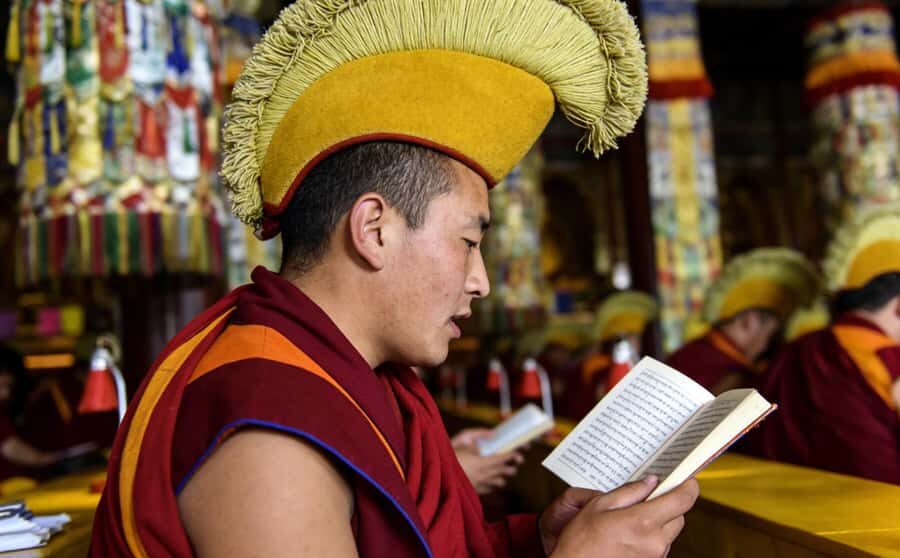
Beijing is often described through palaces and big monuments, but it also runs on spiritual architecture. On this tour, you can build a day that spans Buddhism, Taoism, Islam, Christianity, and Confucian tradition without hopping blindly between neighborhoods. That mix is the whole point: religion here shows up in buildings, art, and ritual patterns you can actually recognize when someone explains them.
I like that the format encourages choice. You’re not forced into a single theme like only temples or only imperial-era sites. Instead, you select a combination that matches what you want to understand: religious art and statuary, emperor-built symbolism, living rituals, or cultural exchange in architecture.
Another practical advantage is that this is private. You can ask questions at the pace you want, and your guide can steer you toward what’s most worth your time on that specific day. It’s also easier to adjust if you find one site more meaningful than expected, or if your timing gets slightly off due to the city.
You can also read our reviews of more private tours in Beijing
How the 4–7 hour plan avoids the classic tourist sprint
The duration is 4–7 hours, and that range matters. Four hours is enough for a focused hit of one to two main sites, while 6–7 hours gives room for a more satisfying multi-faith day. Your guide uses your selected package to shape the route so it doesn’t turn into a relentless shuffle.
You may have two transport styles. Some packages include a private car for convenience, while 4-hour options that don’t include a car mean you’d need to self-arrange transport (subway is an option mentioned for those cases). If you’re short on time or want fewer transfers, the car-included option tends to feel like better value even if you’re paying for time-saving, not just distance.
Pickup is straightforward. Your guide meets you in the hotel lobby and holds a sign with your name, which is one of those small things that reduces stress fast. And because tickets are handled for the chosen sites (entry tickets as per the package), you’re spending your energy on the places, not on figuring out paperwork.
Lama Temple: Tibetan Buddhism and the 18-meter sandalwood Buddha
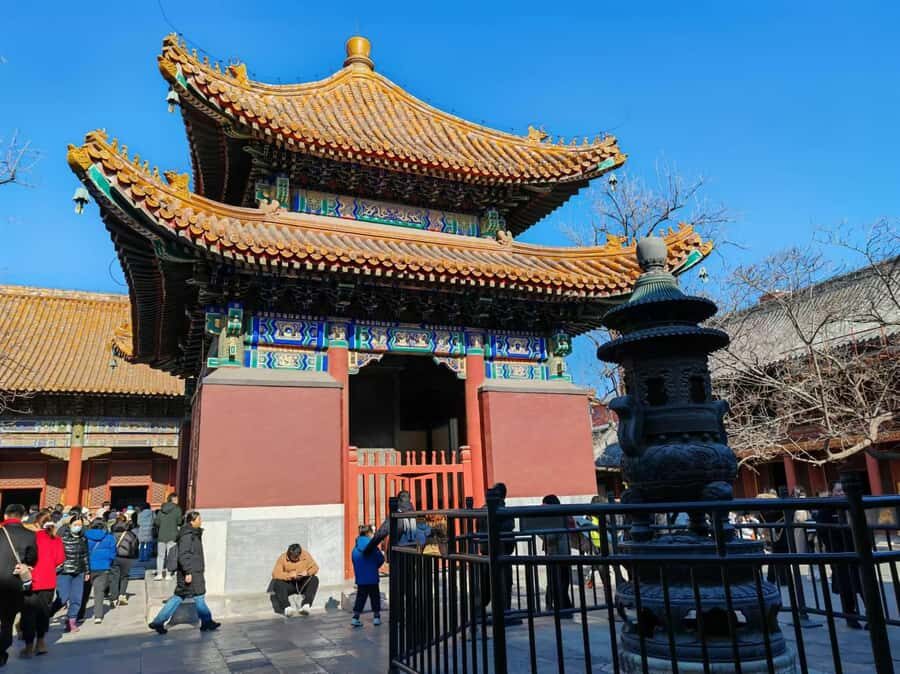
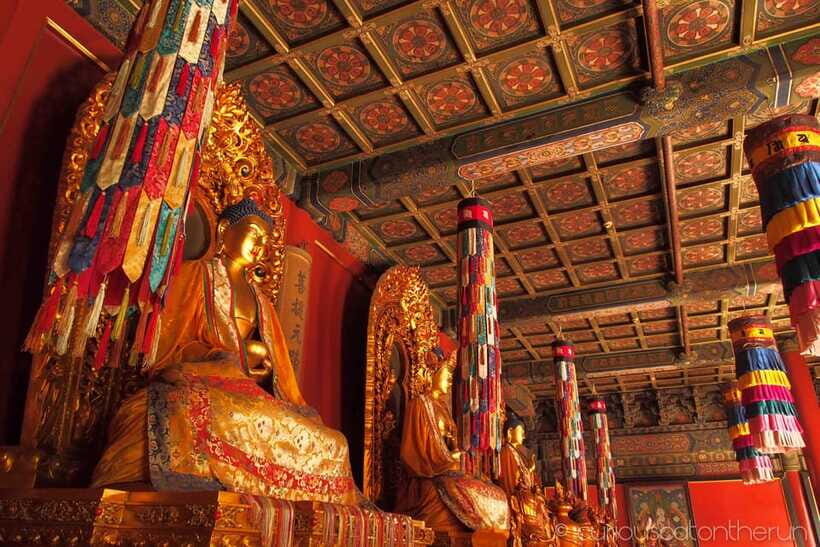
If you’re drawn to Buddhist art and big, readable religious symbolism, Lama Temple is one of the strongest places to start. It’s open daily and was once an imperial mansion, which helps explain why it feels both spiritual and architecturally grand. You’ll notice the golden roof tiles and intricate wood carvings right away, plus the standout 18-meter-tall sandalwood Buddha statue.
The statue is a big reason this site works well with a guide. A good explanation can help you connect the size and material to the tradition you’re seeing, instead of just treating it like an impressive photo spot. I also like having context on what you’re looking at, such as how different elements relate to Tibetan Buddhism in northern China.
Possible consideration: because it’s open daily and prominent, it can still be busy. The private setup helps you move with purpose, but if you’re very sensitive to crowds, you’ll want your guide to plan timing within your chosen window. The earlier part of your day tends to be the calmer zone in general, so I’d aim your longest stops for when you’re fresh.
Temple of Heaven: Taoist ceremony built for emperors and harvests
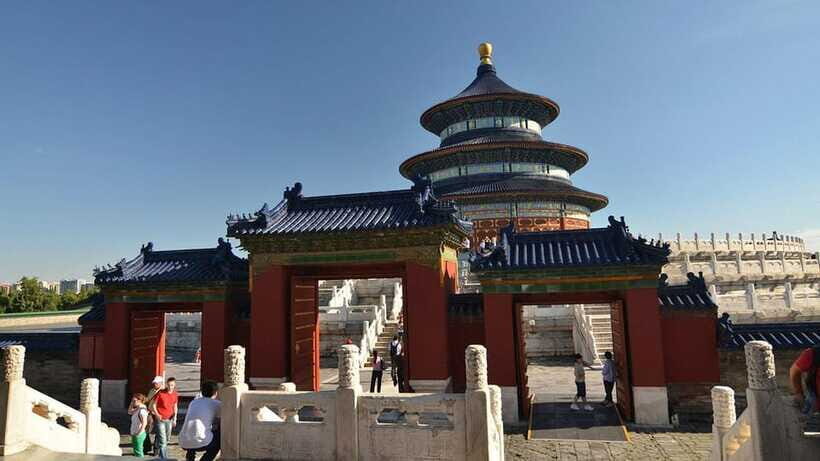
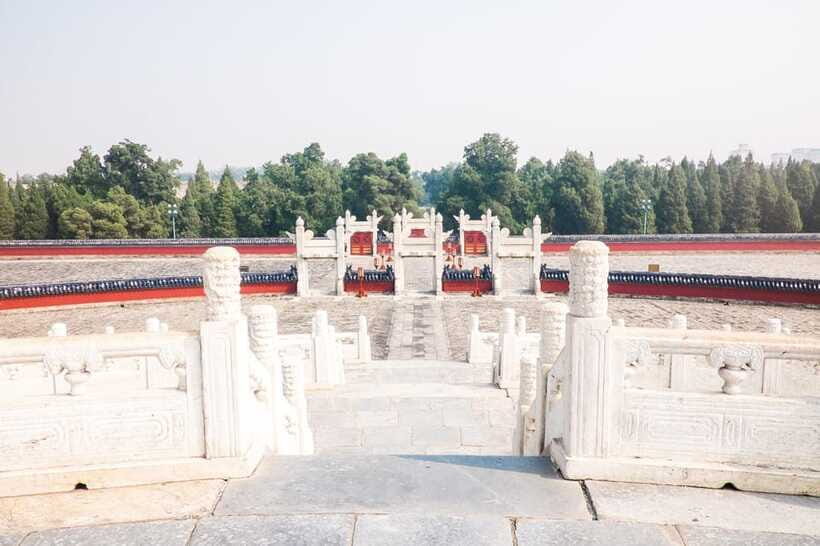
Temple of Heaven is a UNESCO World Heritage Site and one of China’s most famous Taoist complexes. It’s closed on Mondays, so choose your date carefully if this is on your must-see list. The architecture is tied to imperial belief: it was built for emperors to worship heaven and pray for good harvests.
What you’ll likely focus on are the Circular Mound Altar and the Hall of Prayer for Good Harvests. This is where a guide really earns their keep, because the whole place is designed around the ancient “heaven and earth” idea. If you get that logic, you start seeing the site less like a set of halls and more like a visual explanation of worldview.
A practical tip: wear shoes that can handle long walking within temple grounds. Even when you’re not doing a marathon, the paths add up. And if your time is tight, ask your guide what two areas are most central to your questions, so you don’t end up rushing through everything.
White Cloud Temple (Baiyunguan): Taoism at 1,300 years old
White Cloud Temple, also known as Baiyunguan, is open daily and is called the First Taoist Temple Under Heaven. It’s about 1,300 years old, which gives it a different feel from sites that mainly survive as monuments. What’s especially important here is that it preserves intact rituals and ancient scriptures, not just old buildings.
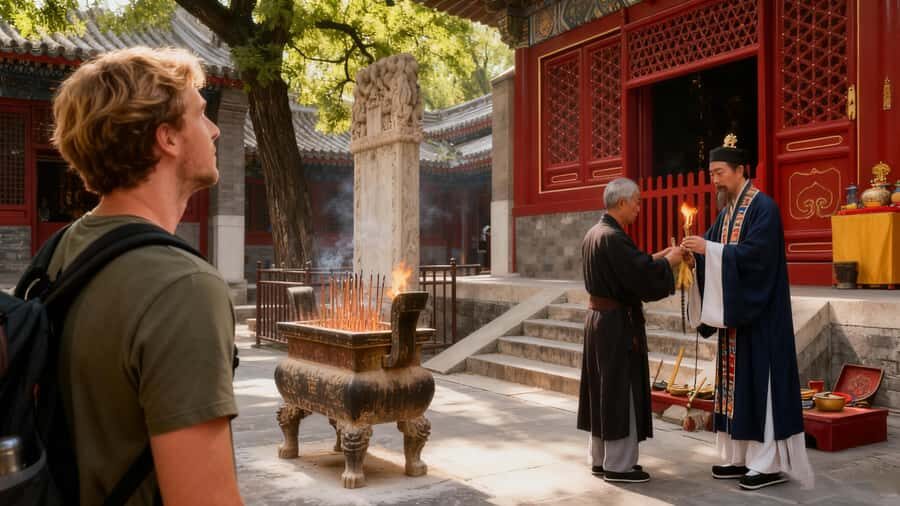
You’ll also get that calm courtyard atmosphere: cypress-lined grounds and a more serene pace. That setting helps you slow down and pay attention to details without feeling like you’re being rushed through. And because the tour is private, your guide can focus on what you notice—ritual spaces, symbols, and how the temple functions as a living tradition.
Possible consideration: if you prefer very high-energy sightseeing, this stop may feel slower than places built mainly for crowds. It can still be fascinating, but you’ll get more from it if you enjoy reading religious meaning into architecture and ritual behavior.
Niujie Mosque: Chinese courtyard style with Islamic arabesques and domes
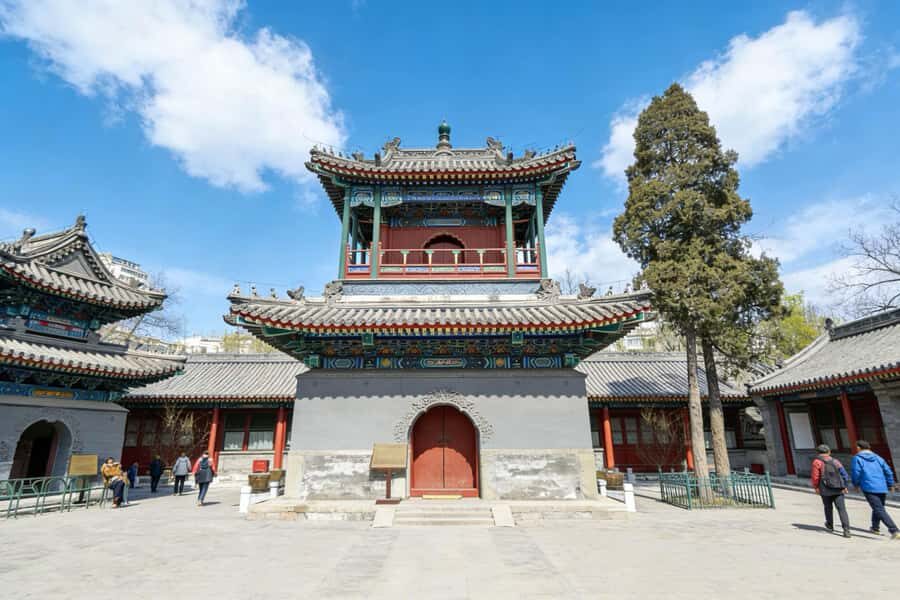
Niujie Mosque is open daily, but access can be affected by prayer times. That matters because some areas may be restricted during worship. Still, it’s one of Beijing’s key Islamic sites: founded in the 10th century and described as the oldest and largest Islamic mosque in Beijing.
Architecturally, it mixes styles that you can actually spot. Expect Chinese-style courtyard layout alongside Islamic arabesques and domes. On a private tour, you can ask questions and get help noticing what belongs to which tradition, instead of relying on a quick glance.
This is also a great site for people who like seeing cultural coexistence made physical. The point isn’t just to say it’s historically important; it’s to understand how the building communicates multiple influences at once. If you visit during prayer-related restrictions, don’t treat it as a failure—your guide can redirect you to viewpoints and areas that remain accessible.
Xuanwumen Church / St. Joseph’s: Gothic Revival in late-19th-century form
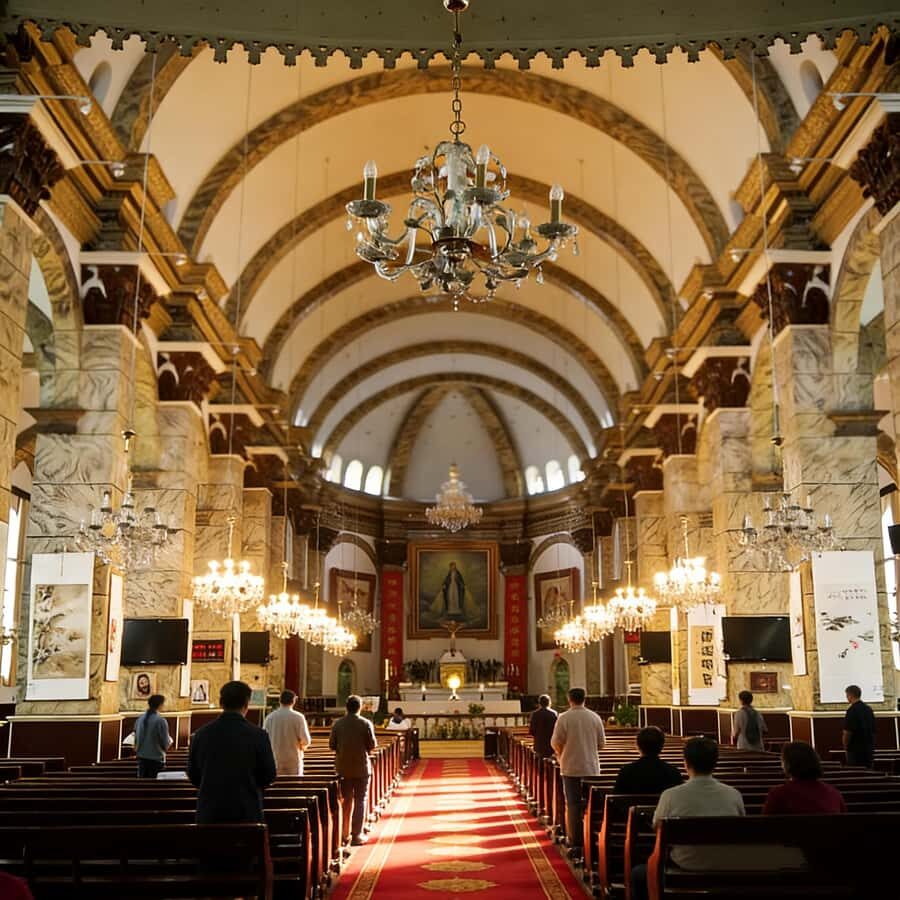
For a sharp contrast from traditional Chinese temple architecture, Xuanwumen Church, also known as St. Joseph’s, is a strong choice. It’s open daily, but mass times can affect when certain areas are accessible. The church is a late 19th-century Gothic Revival landmark, one of Beijing’s early Catholic churches.
Look for the pointed arches, stained glass, and a spire that lifts the whole building visually. This is the kind of place where a good explanation helps you see how Gothic Revival design works in a totally different urban and cultural setting. It becomes a story of exchange: not just architecture transported, but ideas expressed through new form.
Possible consideration: mass schedules can shape your timing. Your guide can help you plan around it so you’re not stuck waiting outside, especially if the schedule is tight.
Confucius Temple: exam tablets and 700+ years of tradition
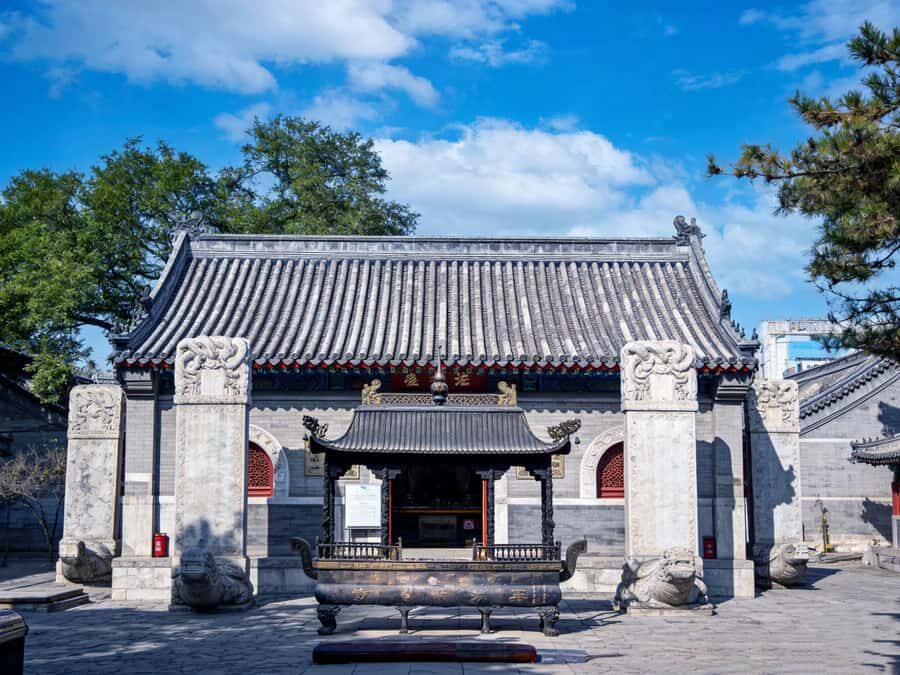
Confucius Temple is closed on Mondays, so it’s best paired with a trip date that keeps it open. It’s described as Beijing’s most sacred Confucian site and was built over 700 years ago. One of the biggest draws is the set of 500+ imperial examination stone tablets, plus the ancient halls that support the ceremonial feeling.
The best part of visiting with a guide is tying the place to what Confucianism meant in Chinese society. If you’ve never looked at Confucian sites before, the tablets can feel like random engraved stone. With interpretation, they become a window into how education, authority, and moral values were reinforced through public institutions.
Possible consideration: if you’re expecting the same style of artistry as Buddhist or Taoist temples, it may feel more document- and classroom-shaped. It’s still visually meaningful, but it rewards curiosity about how systems of learning were honored.
Value at around $77: what you’re really buying
At about $77 per person for a 4–7 hour private tour, you’re paying for three things: an English live guide, customized planning, and chosen-site entry tickets. You’re also buying time and efficiency, especially with skip-the-ticket-line and hotel pickup.
The value gets even better if you’re pairing multiple major sites. One day spent intelligently beats two half-days where you’re guessing routes and timing. And if your package includes a private car, you’re reducing friction—fewer transfers, less waiting, and more control over pace.
The one caution is transport varies by package. If you pick a 4-hour option without a car, transport costs aren’t included and you may need to use the subway or self-arrange. If you’re traveling with someone who gets tired easily, or you simply want the easiest day possible, the car-included option may be worth it for comfort alone.
Also, you get a private group. That means you’re not sharing your guide’s attention with strangers, and your questions don’t get swallowed by a larger pace.
The guides make the day: Lucy, Ms. Duan, Alice Ji, and Susan Shan
This tour leans heavily on the guide’s ability to translate religious and cultural details into plain language. In past trips, guides were praised for clear English, patient answers, and flexible pacing. Names that show up in those standout experiences include Lucy, Ms. Duan, Alice Ji, and Susan Shan.
Ms. Duan is described as having a university history background and being a devout Buddhist. That combination is useful for a day like this because you’re not only looking at objects; you’re trying to understand meaning. Another guide, Alice Ji, was noted for excellent English pronunciation and detailed, understandable storytelling, plus plenty of time for questions. Lucy was praised for being attentive and flexible from the start, and Susan Shan was praised for explaining in detail and helping with local customs.
A practical perk from guide style: some guides provide extra maps and help you navigate between sites, even including subway routing support. That’s the kind of small support that makes your day feel guided rather than scripted.
My advice: before your tour, write down 3 questions you genuinely care about. For example, ask what to pay attention to at each site, how the rituals connect to architecture, or what makes each tradition different. A good guide will work those questions into the walk, and the whole day becomes more personal.
Off-the-beaten-path, but still sensible
The tour is marketed as exploring less-crowded religious sites away from mass groups. In practice, that’s about pacing and selection. If you build a route that includes major anchors like Lama Temple or Temple of Heaven and then balances them with other sites, you’ll often get a better rhythm than doing only the most famous stops.
Keep expectations realistic. The tour notes you won’t visit every listed site in one day, because that’s logistically impossible. Your job is to choose the strongest combination for your interests and your calendar.
If you’re trying to cover a lot, remember the day-of-week rules. Monday closure affects Temple of Heaven and the Confucius Temple. Prayer and mass schedules can affect usable areas at the mosque and church. Your guide can help you swap in the best alternatives from the available set, but it’s still smart to plan your date around what matters most to you.
Who should book this private tour?
This is a good fit if you:
- Want a multi-faith Beijing day instead of one-theme sightseeing
- Prefer an English guide who can explain the meaning behind what you see
- Like the comfort of hotel pickup and a plan that doesn’t require constant map-checking
- Are short on time and still want a balanced mix of major and calmer sites
It might not be your best match if you only want the biggest name sights and you’re comfortable doing temples on your own. Also, if you absolutely must visit a long list of sites regardless of closures or prayer schedules, this format can feel limiting. But if you choose smartly, the custom setup turns that limitation into a focused day.
Should you book this Beijing temple and religious sites tour?
I’d book it if you want meaning, not just photos. The combination of customization, private pacing, and English interpretation makes it easier to understand why each site looks the way it does and how each tradition expresses belief through space.
Do it with your calendar in mind. If you’re traveling on a Monday, expect Temple of Heaven and the Confucius Temple to be closed. If you’re visiting a mosque or church, assume prayer or mass times can affect access to certain areas. Work with your guide on the date and selection, and you’ll get a smoother, more satisfying day.
Finally, consider the value equation. Around $77 per person is most compelling when you’re actually using the included guide time, the selected entry tickets, and—if you choose it—the private car convenience. If you’re the type who enjoys understanding what you’re seeing, this is exactly that kind of tour.
FAQ
What sites can I choose from on this private tour?
You can select a combination from Lama Temple, Temple of Heaven, White Cloud Temple (Baiyunguan), Niujie Mosque, Xuanwumen Church / St. Joseph’s, and the Confucius Temple. Your final day focuses on the specific sites included in your chosen package, since not all listed sites can fit into one day.
How long is the tour?
The tour runs for 4 to 7 hours. You’ll check availability for starting times, then your itinerary is built around the package you choose.
Is transportation included?
For car-included packages, you get private car transfer. For 4-hour packages that don’t include transport, transport costs are not included and you may need to self-arrange using the subway.
Does the tour include tickets?
Yes. Entry tickets for the chosen sites are included as specified in your package details.
Will I skip lines?
Yes, the tour includes skip-the-ticket-line service.
What about cancellation and payment flexibility?
There’s free cancellation up to 24 hours in advance for a full refund. You can also reserve now and pay later to keep plans flexible.