REVIEW · GUANGZHOU
Bruce Lee Hometown Martial Art Culture Lion Dance Private Tour
Book on Viator →Operated by Guangzhou Local Tours · Bookable on Viator
Bruce Lee starts in Foshan, not Hollywood. This private day trip from downtown Guangzhou takes you into the places that shaped Bruce Lee’s martial-arts world, with lion dance and professional kungfu performances built right into the day. It is a one-and-a-half-hour drive west, then you get a guided route through temples, gardens, and the craft traditions that still feel very local.
I love how the route connects Bruce Lee, Ip Man, and Huangfeihong through actual memorials, temples, and learning places—not just movie references. I also like the pacing with an English-speaking guide like Damon or Zack, who can time stops for less hassle and point you to food so you taste Foshan, not just see it.
One catch: entrance tickets for several major stops and an optional lunch can add extra cost, and the full day can stretch toward 10 hours.
In This Review
- Key highlights worth your time
- Why Foshan feels like the real starting point for Bruce Lee fans
- Private transport and an English guide who manages the day
- Zumiao West Gate: temples, museums, and the show-and-lion-dance atmosphere
- Huangfeihong Memorial: learning energy without the ticket hassle
- Foshan Lingnan World: where the Lingnan style shows up in real life
- The Ancestral Temple: old Song-dynasty roots and museum-like details
- Mt. Foshan Liang Park: a Qing dynasty garden reset
- Confucius Temple of Foshan: education and cultural context you can feel
- Nanfeng Ancient Kiln: ceramics and the craft side of Foshan
- Food and lunch: making Foshan cuisine part of the route
- Price and value: what $220 per person actually covers
- Timing, walking, and what to bring for a smooth 6 to 10 hours
- Should you book the Bruce Lee hometown martial arts culture tour?
- FAQ
- How long is the Bruce Lee Hometown Martial Art Culture Lion Dance Private Tour?
- Do I get hotel pickup and drop-off?
- Is the tour private?
- Are entrance tickets included?
- Is lunch included?
- What is the cancellation policy?
- What language is the guide?
Key highlights worth your time
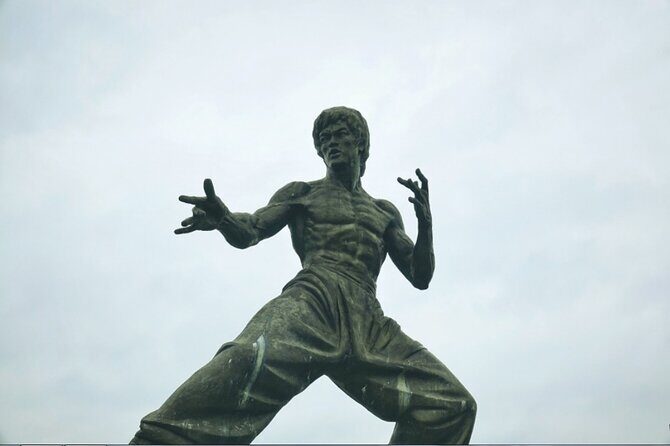
- Bruce Lee’s circle in one day: You move between Huangfeihong, Ip Man, and Foshan kungfu culture without hopping randomly.
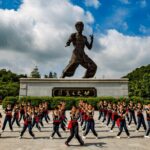
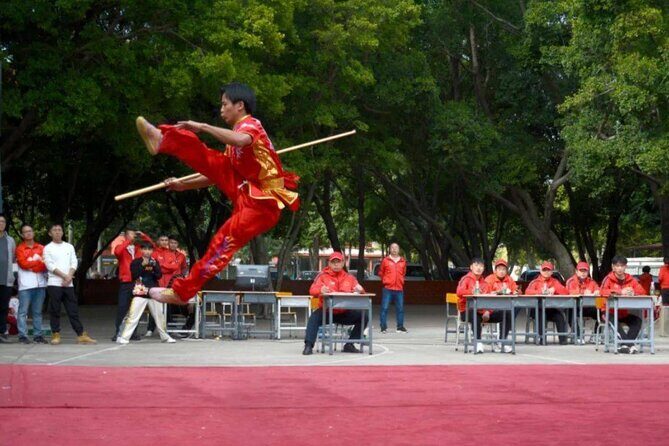
- Professional kungfu show plus lion dance: Performers and school members give you a real sense of style, rhythm, and tradition.
- Zumiao complex as the cultural hub: Temples, museum areas, and performance vibes sit close together.
- Lingnan-style street time at Foshan Lingnan World: Easy break to shop, snack, and slow down without feeling lost.
- Qing-era garden at Mt. Foshan Liang Park: Classical garden design gives you a calm reset between heavier museum stops.
- Nanfeng Ancient Kiln for ceramic craft: You get the material story behind Foshan ceramics, not just photos.
Why Foshan feels like the real starting point for Bruce Lee fans
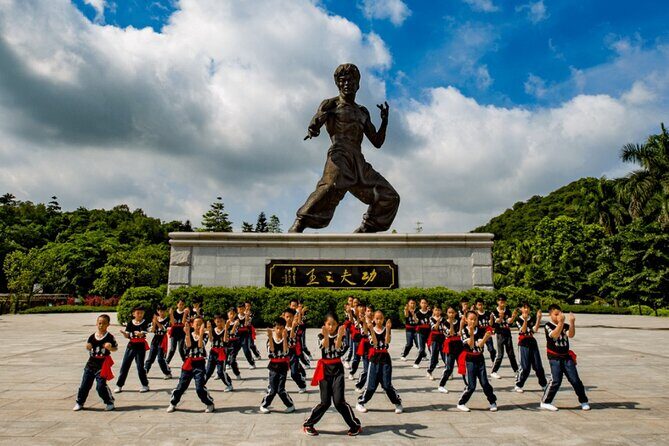
Foshan is where this story gets grounded. Instead of treating martial arts like a soundtrack, you see it as part of daily culture—temples, teachers, schools, and community performances all tied together. The tour is built for that connection: it centers on sites linked to kungfu masters while also giving you the philosophical backdrop that shapes how these traditions get taught and valued.
The big win is that you get to follow a chain: Huangfeihong’s legacy sits alongside Ip Man and the broader Foshan martial-arts scene. You also get to watch professional performers demonstrate the style rather than only reading about it. If you care about where technique culture comes from, this structure makes a lot of sense.
You can also read our reviews of more private tours in Guangzhou
Private transport and an English guide who manages the day
This is a private tour, so you are not sharing the car or the schedule with strangers. You get a hotel pickup and drop-off in downtown Guangzhou plus a dedicated air-con vehicle and driver. That matters because the route runs in a tight loop, and traffic timing can make a big difference when you are trying to enjoy shows and avoid wasted waits.
Your local English-speaking guide is the difference-maker. The best part is that Damon and Zack (both named in past guest experiences) are known for planning around practical stuff like timing and crowd flow, and for steering you toward food that fits the culture of the area. You also get clear explanations as you move from site to site, which turns a day of walking into a day of understanding.
Zumiao West Gate: temples, museums, and the show-and-lion-dance atmosphere
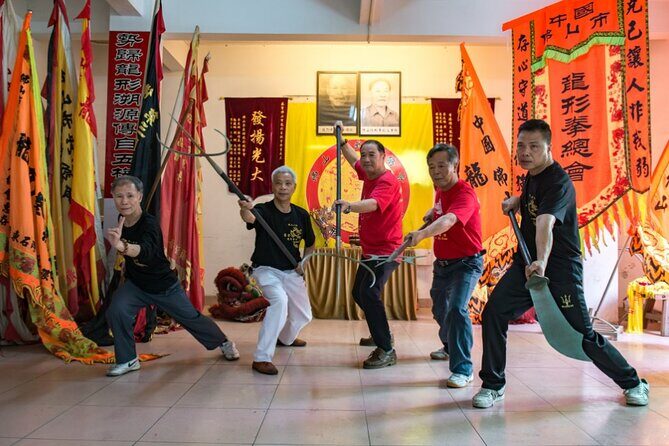
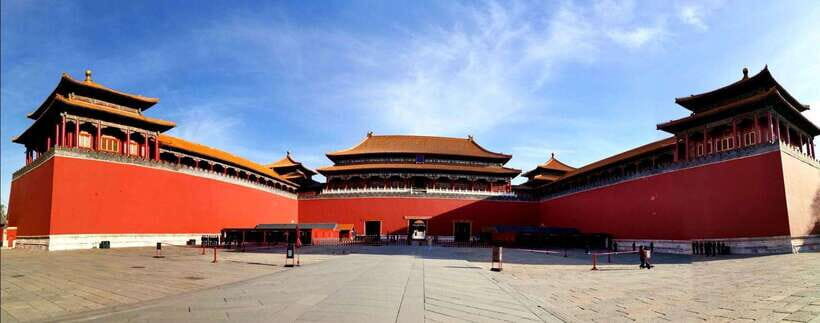
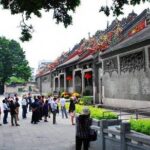
You start at Zumiao (West Gate 1) in downtown Foshan. This is the kind of place that is more than one stop. It is a combined cultural area where ancestral temple spaces, Confucius-related museum content, Taoism temple areas, Ipman museum elements, and kungfu show and lion dance culture all live in the same broader zone.
What you should expect is a mix of architecture and performance energy. You can look at cultural displays and historical context, then—depending on timing—watch kungfu demonstrations and lion dance performances in the area. That combination is the real point of beginning here: it gives you a mental map fast. You see the religious and educational environment that historically surrounded martial arts, then you get the physical art form in motion.
Practical note: Zumiao is listed as not including admission tickets, so budget for entry fees. Also, wear shoes you can trust. Between temple steps, museum halls, and performance viewing, your legs will do more work than your camera.
Huangfeihong Memorial: learning energy without the ticket hassle
After Zumiao, you visit the Huangfeihong Memorial. This is a shorter stop with admission listed as free, which is a nice break when other major sites are ticketed.
The memorial connects Foshan’s kungfu identity to Huangfeihong and highlights how Foshan produced major martial-arts masters. It also serves as an academic institution that inherits kungfu essence and enrolls young students. That detail matters because it frames martial arts as training and education, not just a heritage display.
If you are traveling with kids, or anyone who likes to see how traditions keep going, this is a good stop. It feels like the story is still being written.
Foshan Lingnan World: where the Lingnan style shows up in real life
Next comes Foshan Lingnan World, a local street area with Lingnan-style architecture and decorative Chinese elements. This is where you get to slow down. The area includes shops, restaurants, cafes, and dessert spots, and it is built for casual browsing and eating.
Admission is listed as free, so you can treat it like your flexible buffer in the day. If you have energy left after museums and performances, you can spend extra time here. If you are tired, you can grab a snack, refill water, and let your guide keep the schedule moving.
This is also one of the best moments to follow your guide’s food advice. Damon and Zack are specifically praised for pointing to places that help you understand local culture, and this street stop is the easiest setting to make that happen.




The Ancestral Temple: old Song-dynasty roots and museum-like details
You then move to The Ancestral Temple. It is described as first built around the Song Dynasty, about 1,000 years ago. This is not just a pretty building stop. You can expect to see treasured items such as bronze mirror pieces and other historical artifacts.
Admission is listed as not included, so again, plan for entry fees here. The payoff is the atmosphere: ancestral halls tend to feel grounded, with a focus on lineage and community memory. For a martial-arts themed tour, this helps you understand why these communities treated teachers, schools, and moral education seriously.
One practical consideration: temples can involve uneven ground and lots of stairs. If you have mobility limits, you may want to pace yourself and ask your guide where the easiest viewing routes are.
Mt. Foshan Liang Park: a Qing dynasty garden reset
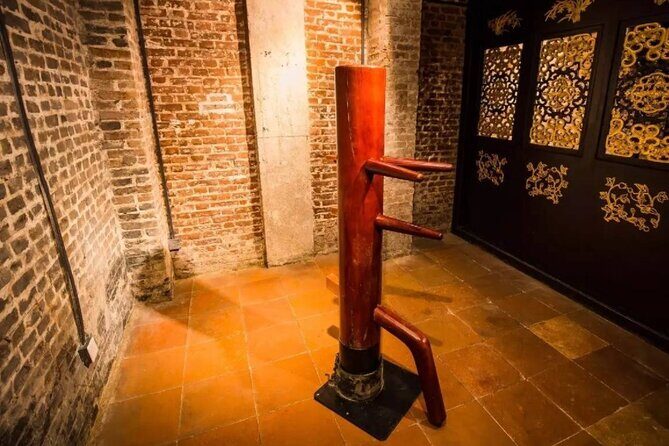
Mt. Foshan Liang Park is the calming break in the middle of the day. It is a private classical Chinese garden associated with the Liang surname from the Qing Dynasty and is noted for being one of the most splendid gardens in the Lingnan area.
This is the stop that helps you breathe. Gardens like this are designed with movement in mind: paths, viewpoints, and carefully arranged trees create little shifts in mood. Between kungfu-related stops and craft learning at the kiln, this feels like a palate cleanser.
Admission is not included here, so budget for tickets. Bring a light layer if you go earlier or later in the day, since gardens can feel cooler than city streets.
Confucius Temple of Foshan: education and cultural context you can feel
You also visit the Confucius Temple of Foshan, described as a multi-level museum featuring Confucius culture and education with strong impact on southern Chinese people.
This stop is not only about religion. It is about how local communities built systems for learning, behavior, and respect. For martial-arts culture, that matters because kungfu tradition historically links technique with discipline. Even if your focus is Bruce Lee, this is where you learn the surrounding values that shaped how teachers operated.
Admission is listed as not included, so add ticket cost to your mental budget. If you like structured explanations, you will probably enjoy how your guide ties philosophy to what you are seeing earlier in the day.
Nanfeng Ancient Kiln: ceramics and the craft side of Foshan
Finally, the tour reaches Nanfeng Ancient Kiln. It was first established in the Ming Dynasty, about 500 years ago, and is presented as a heritage site showing how ceramic, porcelain, and pottery production evolved in southern China.
This stop shifts the tone from martial arts to hands and materials. You learn about the production culture and handcraft art, which adds a different kind of context to Foshan. It also makes the day feel more balanced: you do performance, temples, and education, then you end with the craft that helped make Foshan known far beyond its martial-arts reputation.
Admission is listed as not included, so plan for tickets. If you enjoy craftsmanship and want photos that are more interesting than standard temple shots, this is a strong ending point.
Food and lunch: making Foshan cuisine part of the route
Lunch is listed as optional and not included, but your guide helps with it. That is a big deal because Foshan cuisine is the kind of thing you can miss if you just pick a generic restaurant near a tourist gate.
A useful approach: ask your guide for a simple, local meal that fits the schedule and your appetite. The tour already builds in time where it makes sense to eat, especially around the Foshan Lingnan World area. You get a chance to taste local flavors while your day still feels connected to the culture you are learning.
If you are sensitive to spice or unfamiliar flavors, tell your guide early. You do not want lunch to become a plot twist.
Price and value: what $220 per person actually covers
At $220 per person, this tour is priced like a true day-trip private experience: hotel pickup and drop-off in downtown Guangzhou, a private air-con vehicle, and a driver, plus a local English-speaking guide. Those elements usually cost more than people expect when they try to DIY it.
The main thing to remember is what is not included: attraction tickets at several stops and lunch for you (and the guide, if you want to include their meal). Entrance ticket requirements vary by stop, so your total cost depends on which sites you enter fully and how your guide handles timing.
Still, for many visitors, value comes from avoiding the grind. You are not figuring out transport, queuing, or where to go next. Instead, you get a curated route designed to connect Bruce Lee and Foshan kungfu culture to temples, education, performances, gardens, and ceramics.
Timing, walking, and what to bring for a smooth 6 to 10 hours
The duration is listed as about 6 to 10 hours. That range matters. If you choose a shorter option, you may spend less time at ticketed sites or in the free street area. If you go for closer to 10 hours, you get more time to linger and absorb.
Your biggest physical demands likely come from:
- walking between multiple cultural sites in the city
- temple steps and garden paths
- standing during performances
So bring comfortable walking shoes, a small water bottle, and a light layer. If you plan to take photos at indoor museum areas, keep your bag minimal. You will thank yourself later when you move quickly between buildings.
Should you book the Bruce Lee hometown martial arts culture tour?
Book it if you want Foshan with structure. This works especially well for Bruce Lee fans who also care about Ip Man and the broader martial-arts environment, not just the famous names. It is also a great choice when you want both performance energy (kungfu show and lion dance) and cultural context (Confucius temple and ancestral temple areas) in one day.
Skip or reconsider if you hate ticket add-ons or you know you will want a very laid-back schedule. With multiple stops listed as not including admission tickets, your budget needs a little flexibility.
If you like the idea of a guided, private day that connects technique, education, and local craft—from memorials to gardens to the Nanfeng Ancient Kiln—this is a strong pick.
FAQ
How long is the Bruce Lee Hometown Martial Art Culture Lion Dance Private Tour?
It runs about 6 to 10 hours, depending on the flow of the day.
Do I get hotel pickup and drop-off?
Yes. The tour includes pickup and drop-off for hotels in downtown Guangzhou.
Is the tour private?
Yes. It is a private tour/activity with only your group participating.
Are entrance tickets included?
No. Tourist attraction entrance tickets, if needed, are not included for you and the guide.
Is lunch included?
Lunch or dinner is available and optional, but it is not included.
What is the cancellation policy?
The experience is non-refundable and cannot be changed for any reason if you cancel or request an amendment.
What language is the guide?
You get a local English-speaking tour guide with full escort.