REVIEW · GUANGZHOU
Guangzhou: Cantonese Heritage Tour with Key Cultural Stops
Book on GetYourGuide →Operated by Guangzhou Travels · Bookable on GetYourGuide
A few hours is enough to understand Canton’s personality. I like how this small-group walk connects everyday life—herbs, food streets, crafts—to big stories like Bruce Lee and Cantonese opera. You’ll also get an English guide who can answer real questions without rushing you to the next photo spot. One thing to consider: at each stop, the time is tight, so plan to move with the group and prioritize what you want most.
If you’re deciding on value, this tour is hard to ignore. It’s listed at about $6 per person, and it includes a professional guide plus interaction with local people—then the guide’s work is supported further by a recommended tip. Just know you’re paying for guided guidance more than for entrance-ticket time at deep, slow museum sessions.
In This Review
- Key Highlights You’ll Actually Feel
- Cantonese Heritage in Guangzhou: More Than Slogans on a Wall
- Meeting Point at Cultural Park Metro: Start Easy, Stay Mobile
- Qingping Herbal Market: Where Medicine Meets Street Life
- Shangxiajiu Pedestrian Street: Arcade Buildings and Snack-Spot Guidance
- Yongqing Fang: Courtyards, Wharves, and a Different Tempo
- Guangzhou’s Intangible Cultural Heritage Street: Crafts You Can See Up Close
- Lixiaolong Ancestral Home: Bruce Lee’s Guangzhou Roots in Plain Context
- Cantonese Opera Art Museum: Costume Symbols and Gesture Language
- Price and Tips: Why $6 Can Still Mean a Great Guide
- Who This Tour Fits Best (And Who Might Want Another Plan)
- Should You Book This Cantonese Heritage Tour?
- FAQ
- FAQ
- How long is the Guangzhou Cantonese Heritage Tour?
- Where does the tour start?
- Where does the tour end?
- What language is the tour guide?
- Is it a small group tour?
- What’s included in the tour price?
- What’s not included?
- Is there a recommended tip?
- Can I get a refund if my plans change?
Key Highlights You’ll Actually Feel
- Qingping Herbal Market: smell-and-sight education about traditional Chinese medicine culture
- Shangxiajiu pedestrian area: arcade-style streets plus help finding snacks the locals go for
- Yongqing Fang waterfront lanes: old streets with courtyards and modern café life
- Intangible cultural craft stop: hands-on viewing and learning tied to Cantonese traditions
- Lixiaolong Ancestral Home / Bruce Lee family roots: a global icon story grounded in Guangzhou
- Cantonese Opera Art Museum: costume and gesture meaning explained in plain language
Cantonese Heritage in Guangzhou: More Than Slogans on a Wall
Guangzhou can feel like a city of layers. High-rises rise close to old lanes. Traditions show up in daily habits—what people buy, what they perform, what they pass down to kids. This tour is built around that idea: you learn Cantonese culture by seeing it in places where it still matters, not just in staged exhibits.
What I like most is the way the stops connect. Herbs aren’t treated like museum artifacts; you see them in a market setting where people still shop and talk. Street life isn’t separated from heritage; the tour pairs commercial streets with cultural hubs. Even the opera museum isn’t just costumes behind glass—it’s explained as a language of gestures, colors, and roles.
This tour also has strong momentum in the guide feedback—an English-speaking guide named Tony stands out for passion, clear explanations, and a willingness to answer questions. In practice, that means you’re not stuck with a script.
You can also read our reviews of more historical tours in Guangzhou

Meeting Point at Cultural Park Metro: Start Easy, Stay Mobile
You meet at 文化公园地铁站 (Guangzhou Cultural Park Metro Station), Exit E, outside. That matters because Guangzhou Metro can be confusing if you don’t know which exit you need. Once you’re on the right side, the rest of the half-day is designed as a walking circuit through central heritage areas.
The duration is 3.5 hours, and it’s a small group of up to 8. That size is a big deal in a city like Guangzhou. With fewer people, it’s easier to ask questions, stop for photos without the whole group waiting forever, and get small “look at this detail” comments that you’d miss on your own.
One practical consideration: some parts involve walking and time outdoors (street sections and waterfront lanes). If you’re sensitive to heat or humidity, choose a comfortable season and wear light clothing. Comfortable shoes are not optional here.
Qingping Herbal Market: Where Medicine Meets Street Life
The tour starts with a 30-minute visit to Qingping Herbal Market. This stop is about more than plants in baskets. You’re getting a window into how traditional Chinese medicine culture shows up in everyday commerce—how people talk about remedies, how stall signs guide you, and how the visual world of herbs feels when you’re standing inside it.
What to do with this time:
- Look at the shop display layout and notice how items are grouped.
- Listen for the patterns in what people ask for (even if you don’t catch every word).
- Ask your guide what’s unique about this market area compared with other shopping zones.
The best value here is that you’re not just observing. The tour format includes interaction with local people, so you can ask questions in a way that feels more natural than going in alone and guessing.
Potential drawback: if you expect a formal museum-style lesson, you might find it more like a living market. That’s also the point. Bring patience, keep your questions simple, and let the place teach you.
Shangxiajiu Pedestrian Street: Arcade Buildings and Snack-Spot Guidance
Next is Shangxiajiu Commercial Pedestrian Street for another 30 minutes. This is where Guangzhou’s commercial identity shows up in a very walkable, human scale. You’ll move through areas famous for arcade-style buildings, small shops, and street-food aromas that pull you forward.
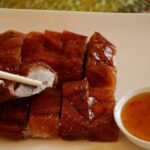
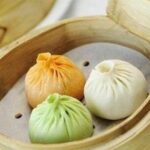
I like this segment because your guide doesn’t just point at storefronts. You’ll get help noticing architectural details and hearing the stories behind shopkeepers and the street’s character. And if you want to taste local food, your guide can steer you toward options that match the vibe of the area, rather than random choices.
A small realism check: street time is often faster than you want. Thirty minutes goes by quickly. If you’re a serious foodie, treat this stop as a “get oriented and taste one or two things” moment, not an all-you-can-eat plan.
Yongqing Fang: Courtyards, Wharves, and a Different Tempo
The tour then moves to Yongqing Fang, guided for 45 minutes. The description of this stop fits what you’ll likely feel on arrival: it’s a cultural hub where the old waterfront character meets modern café culture. You’ll likely notice quiet courtyards tucked near lanes, and a mix of locals and visitors moving at a slower pace than the big shopping street.
This section works well for photos, but it’s also useful for understanding Guangzhou’s layout. Streets and waterways shaped movement and trade. Later, these spaces picked up new uses without fully disappearing. That contrast is the lesson.
What to look for:
- Courtyard entrances and lane geometry—how space turns a city corner into a mini world.
- Where people pause: cafés and small nooks show you what locals consider worth lingering over.
- Details your guide calls out, especially around building style and street history.






Guangzhou’s Intangible Cultural Heritage Street: Crafts You Can See Up Close
After Yongqing Fang, you’ll have an additional 30-minute hidden off-the-beaten-lane cultural stop tied to Guangzhou Intangible Cultural Heritage themes. The key idea here is “living tradition.” You’re not only learning about Cantonese culture—you may see demonstrations and learn what it takes to keep crafts going.
The tour description specifically points to watching and trying elements like delicate embroidery and preparations tied to lion dance. Even if you don’t get long hands-on time, you’ll get what most first-time visitors miss: context. You’ll hear why costume and movement matter, and how performance skills are organized around practice, not magic.
One reason this part feels valuable: it breaks the “shopping + landmarks” pattern. It adds the human effort behind culture, which is exactly what makes Cantonese heritage feel alive rather than packaged.
Lixiaolong Ancestral Home: Bruce Lee’s Guangzhou Roots in Plain Context
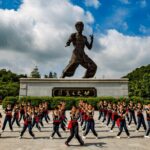
Now you connect global pop culture to local family history. The tour includes Lixiaolong Ancestral Home for 30 minutes, and this is the stop tied to Bruce Lee’s former residence and story elements about his family roots in Guangzhou.
This works especially well if you’ve seen Bruce Lee movies but you don’t know the Guangzhou connection. The guide’s job here is to put the legend into a local setting: what Guangzhou family heritage means, how ancestral homes function in Chinese culture, and why Guangzhou shows up in the broader Bruce Lee narrative.
Even with a limited 30 minutes, it’s the right length for most people. An ancestral home can be visually interesting, but you also want your guide’s explanation for the family and cultural meaning. This stop gives you both.
Cantonese Opera Art Museum: Costume Symbols and Gesture Language
The last major stop is Cantonese Opera Art Museum, with 20 minutes of guided time, and the tour finishes at the museum. This is your chance to understand Cantonese opera as a system, not just a performance tradition.
The tour emphasizes how costumes and movements carry meaning. In other words, the bright outfits aren’t only for style—they communicate roles and story cues. The gestures and staging patterns are part of a shared language, and your guide helps translate it into something you can actually follow.
What to do during this shorter museum block:
- Pay attention to colors and patterns your guide points out.
- Watch how your guide explains movement symbolism, then look at exhibits with that lens.
- If you’re the type who likes asking questions, this is a great place to use that energy.
Time is limited here, so don’t expect a slow, detailed museum day. Expect a guided orientation that makes the opera you see later in life easier to understand.
Price and Tips: Why $6 Can Still Mean a Great Guide
The tour lists a price of about $6 per person, which is startlingly low for a 3.5-hour guided experience with English support and a small group. Here’s how I think about value: when the tour price is that low, the quality you’re really buying is the guide’s work—route sense, context explanations, and the ability to interact with people in a respectful way.
Your guide’s efforts are supported beyond the base fee. The tour recommends a tip of 200 RMB (around 30 USD / 20 GBP) or equivalent per traveler to help keep the tour sustainable. If you enjoyed the explanations and asked lots of questions, tipping matters because it reinforces the guide model that makes this tour feel personal instead of rushed.
So yes, the cost is a steal. But don’t let the low sticker price erase the responsibility to support the person doing the work.
Who This Tour Fits Best (And Who Might Want Another Plan)
This tour is a smart match if you:
- Want a half-day orientation to Cantonese heritage without planning three separate trips.
- Like street culture but also want real cultural context, not just shopping.
- Prefer small groups and guided English explanations.
- Want a path from everyday life (herbs, street areas) to performance culture (opera).
It might be less ideal if you:
- Need long time in museums or want deep independent exploration at each stop.
- Hate walking in outdoor conditions (street and wharf areas are part of the route).
- Expect everything to be ticketed, show-based entertainment. This is more “culture through places” than “sit and watch.”
Should You Book This Cantonese Heritage Tour?
If your time in Guangzhou is limited and you want Cantonese culture explained through real locations, I’d book this. The mix of Qingping Herbal Market, Shangxiajiu, Yongqing Fang, the Bruce Lee connection, and Cantonese opera museum learning gives you a full picture of how Cantonese identity shows up on the ground.
Also, the guide experience matters here. Tony is repeatedly praised for engaging communication, strong English, and a willingness to answer questions, even when they come fast. In a small group, that kind of responsiveness is exactly what turns a basic walk into something memorable.
Go for it if you want value, context, and a calm pace for learning. Just pick comfortable shoes and be ready to treat the short time at each place as part of the plan.
FAQ
FAQ
How long is the Guangzhou Cantonese Heritage Tour?
It lasts about 3.5 hours.
Where does the tour start?
The meeting point is 文化公园地铁站 (Guangzhou Cultural Park Metro Station), Exit E (outside).
Where does the tour end?
The tour ends at 粤剧艺术博物馆 (Cantonese Opera Art Museum).
What language is the tour guide?
The tour offers a live guide in English.
Is it a small group tour?
Yes, it’s limited to 8 participants.
What’s included in the tour price?
The tour includes a professional tour guide and interaction with local people.
What’s not included?
Personal expenses are not included.
Is there a recommended tip?
Yes. The tour recommends 200 RMB (or roughly 30 USD / 20 GBP) per traveler to support the guide.
Can I get a refund if my plans change?
You can cancel up to 24 hours in advance for a full refund.