REVIEW · BEIJING
Chinese Tea ceremony in Beijing Hutong courtyard
Book on GetYourGuide →Operated by Bayi Teahouse · Bookable on GetYourGuide
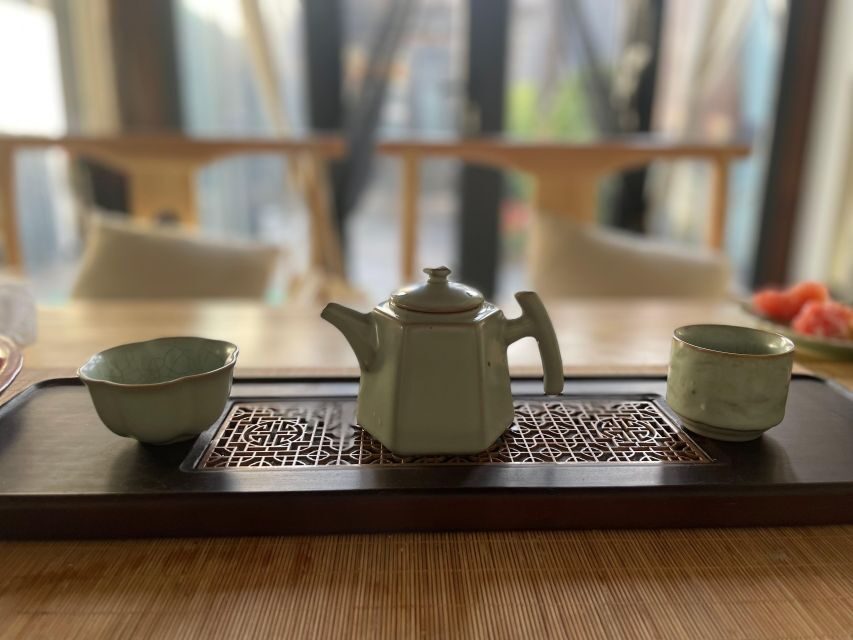
A teacup and a courtyard bring Beijing close. This Chinese tea ceremony happens in a Hutong courtyard right near the Forbidden City, with a small-group feel and English guidance that turns a quick stop into real cultural context. You’ll pick from several tea styles, taste one pot, and get snacks alongside an explanation of how to drink tea properly.
What I like most is the combination of traditional tea culture plus the chance to chat with your host in a lived-in courtyard setting. If the host you get is Limeng, for example, you can expect friendly conversation and clear English about tea and Hutong life. One thing to watch: the listed price can be followed by an on-the-spot 100 RMB per person charge, so budget for that when planning.
In This Review
- Key things to know before you go
- Hutong Courtyard Tea, Right Near the Forbidden City
- The 1-Hour Flow: What Happens During the Ceremony
- Pick Your Tea: Black, Green, Oolong, and Pu’er
- More Than Drinking: Tea Culture Lessons You Can Use Again
- The Hutong Host Experience: Living Beijing, Not a Script
- Price and Value: $31 Plus the 100 RMB Charge
- Getting the Most From Your Tea Session
- Who This Beijing Hutong Tea Ceremony Fits Best
- Should You Book This Hutong Tea Ceremony?
- FAQ
- Where is the tea ceremony located?
- How long does the Chinese tea ceremony last?
- What tea options can I choose from?
- Is English available during the ceremony?
- What’s included in the price, and is there an extra payment?
- How does pickup work?
Key things to know before you go
- 150 meters from the Forbidden City East Gate means less transit time and more time soaking up the neighborhood
- Small group (max 4 people) keeps the pace calm and gives you room to ask questions
- You choose your tea style, including black, green, wulong, and Pu’er
- The ceremony includes snacks and an explanation of tea culture as you taste
- There’s an extra 100 RMB per person charge, even though the booking shows a lower price
- English instruction is part of the experience, with a host who can share Hutong life firsthand
Hutong Courtyard Tea, Right Near the Forbidden City
The location is the big reason this works so well as an “easy win” in Beijing. The tea workshop is about 150 meters from the east gate of the Forbidden City, and the experience also notes it’s roughly 800 meters west of the exit gate. In plain terms: you can pair this with a Forbidden City day without wasting half your morning commuting.
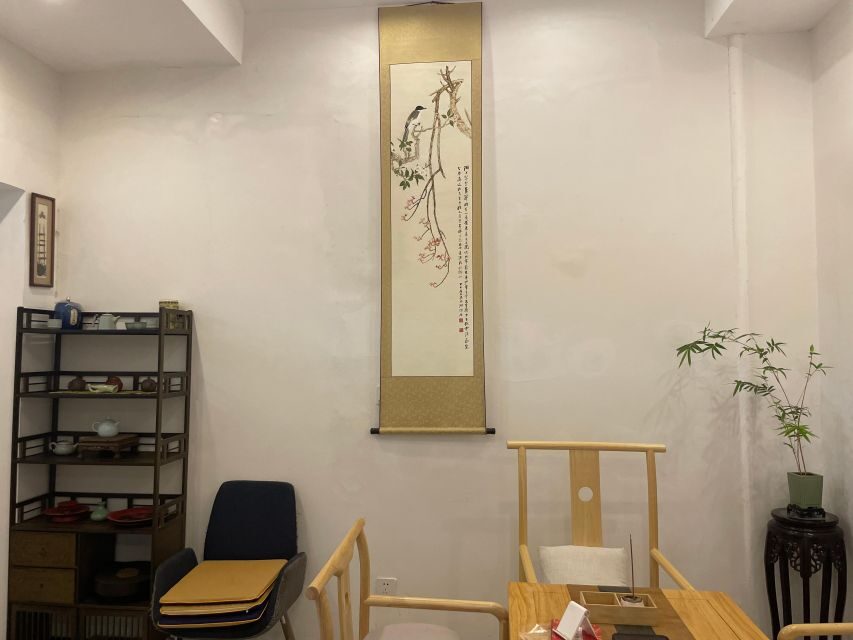
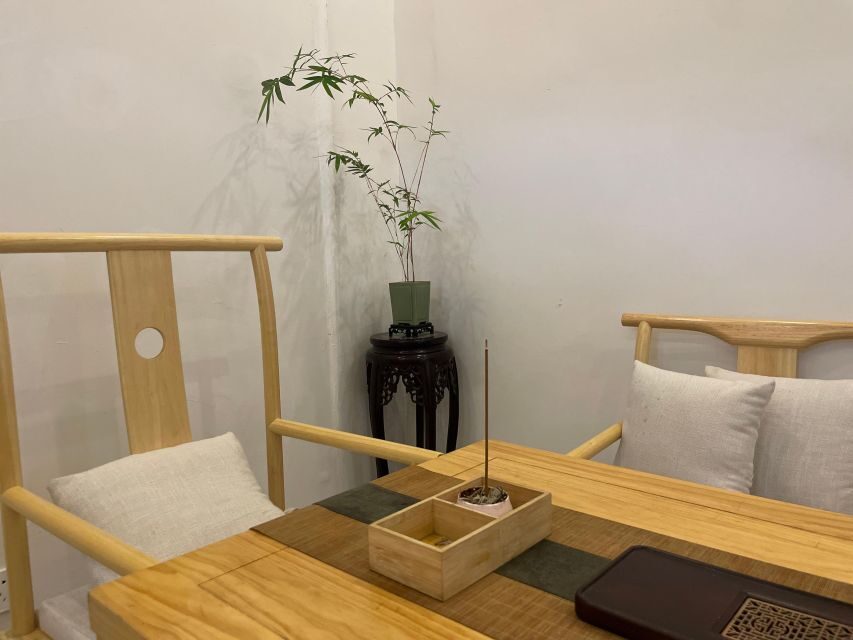
The setting matters too. You’re not in a modern mall-style tea spot. You’re in a courtyard in a Hutong area, the kind of lane-and-yard layout that still shapes day-to-day life for local residents. On top of that, the area sits among notable historic sites, including the Pudusi inheritance and the Imperial Ancestral Temple, so the neighborhood has layers you can feel as you walk around before and after.
Practical tip: keep your timing tight. The pickup is included, but you need to wait in your hotel lobby about 10 minutes before the scheduled time. That little detail can save you from standing around in the wrong place while your tea cools down.
You can also read our reviews of more tours and experiences in Beijing.

The 1-Hour Flow: What Happens During the Ceremony
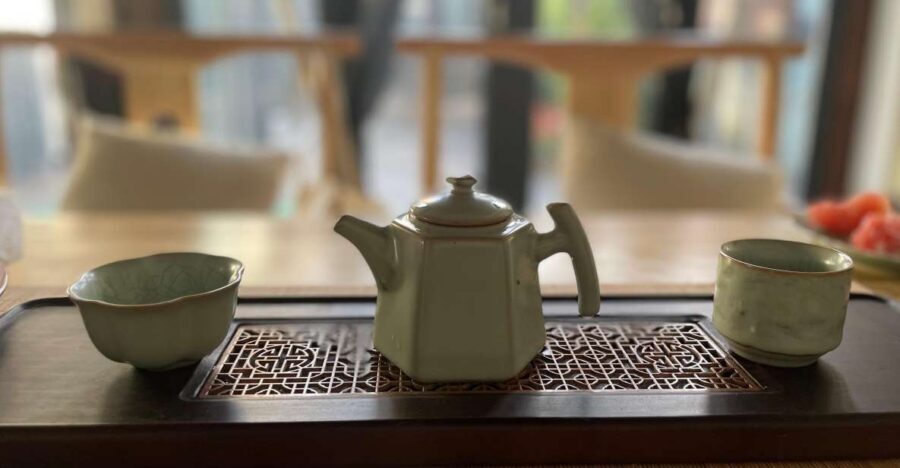
This is a short experience, built to fit real sightseeing schedules: 1 hour from start to finish. The small group size (limited to 4 participants) is more than a comfort perk. It changes the whole tone. Instead of a scripted performance, you get a pace that lets you taste, listen, and ask questions.
Here’s the typical rhythm you should expect:
- You’ll begin in the courtyard setting with an explanation of tea culture and what you’re about to taste.
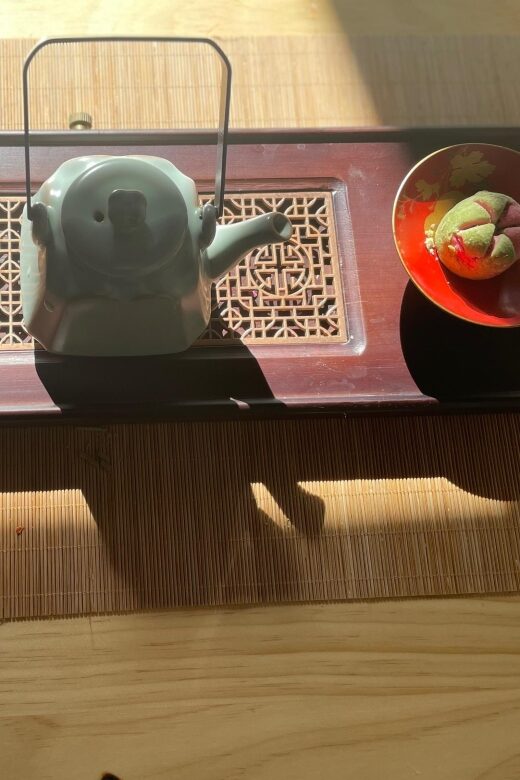
- You’ll have one pot of Chinese tea served as the core of the ceremony.
- Complimentary snacks come with the tea, so you’re not trying to learn flavor notes on an empty stomach.
- The host/instructor guides you through how to prepare and drink the tea in a way that matches Chinese tea traditions, not a quick Western pour-and-wait.
English instruction is part of the package. That matters because tea culture can be full of small rules, and those rules only make sense when someone explains them clearly. The time stays focused: you’re not getting a two-hour lecture. You’re learning while you’re actually tasting.
Also note the ceremony is wheelchair accessible. If you need step-free access, this is one of the more workable culture activities to choose in central Beijing.
Pick Your Tea: Black, Green, Oolong, and Pu’er
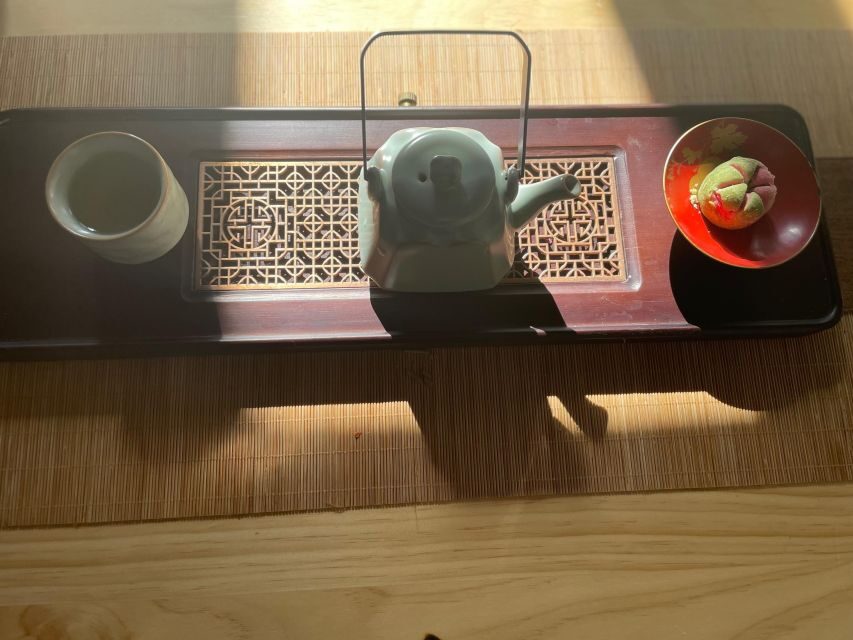
You don’t just get one “house tea.” You choose among different types, including black tea, green tea, wulong tea (oolong), and Pu’er tea. That choice is valuable because each tea style is treated differently in Chinese tea culture, and it changes what you pay attention to while drinking.
Expect the guide to connect tea type with how to brew and drink it. The experience explicitly includes an explanation of tea culture and knowledge, and that shows up in the way the host frames each tea. In other words, you’re not just tasting flavors. You’re learning what the tea is aiming for and why the ceremony’s steps matter.
One review detail that’s especially useful: correct brewing isn’t just boiling water and waiting a fixed amount. You’ll learn that the right approach affects taste, not just temperature. If you’re the kind of person who orders tea and wonders why yours tastes flat, this is the session where that mystery starts to make sense.
More Than Drinking: Tea Culture Lessons You Can Use Again
A good tea ceremony doesn’t treat tea like a prop. This one is built around teaching you the culture behind the cup. During the ceremony, you’ll get an explanation of tea culture and knowledge, which can include things like:
- how different teas behave (flavor, character, and how you notice them)
- how the ceremony is structured so the tea comes out well
- how seasons can influence tea choices and why people pay attention to that
From the experience style and the way hosts respond to questions, you’ll likely leave with practical habits, not just trivia. For example, you’ll get a sense of why presentation and handling matter, not because it’s fancy, but because it keeps the tea-drinking process intentional.
If you don’t know much about tea going in, that’s fine. The session is designed for English understanding and guided interaction. The pace is short enough that you won’t get overwhelmed, but structured enough that you’ll still pick up real technique.
The Hutong Host Experience: Living Beijing, Not a Script
This tea workshop isn’t staged far away from real neighborhoods. The highlights emphasize deep contact with local Beijing life in the Hutong courtyard, and the experience includes the chance to meet your host whose family has lived in the area for generations.
That’s the heart of why this feels different from a standard tea tasting. You’re not only learning about tea. You’re also hearing how a local family talks about where they live and how they’ve lived there. That “yard-to-table” context makes the courtyard feel like a home, not a set.
You can also expect conversation to be part of the value. Some hosts are especially talkative and generous with local advice, including food pointers that go beyond tourist staples. It’s common to get practical suggestions for what to eat next, such as where to find good Beijing duck away from the most obvious traps.
If you’re traveling with a friend and you like relaxed cultural chat, this is a strong match. If you want silence and zero interaction, you might find it a little more social than you expect, because the experience is built around talking with your host.



Price and Value: $31 Plus the 100 RMB Charge
Let’s talk numbers like adults. The listed price is $31 per person for 1 hour. But the experience also notes a 100 RMB per person charge. That means you should budget for the total, not just the headline rate.
Is it still good value? Often, yes, if you care about tea culture and you want a real courtyard setting near major sights. Here’s why the value can add up:
- You get one pot of tea with snacks
- You get English instruction
- The group is limited to 4, which typically makes the guidance more tailored
- The location is central, near the Forbidden City, so you save time compared with out-of-the-way cultural stops
That said, it can feel steep for people splitting costs in a family group, mainly because it’s still a paid, hosted experience even if the group is small. If you’re going with multiple people, do the quick math including the 100 RMB per person before you commit.
My practical advice: treat it less like a bargain tea tasting and more like a short cultural lesson with a lived-in Hutong setting. If that’s your style, you’ll probably feel satisfied. If you’re just looking for a quick cup and you don’t care about technique or conversation, you may get more value from a casual café tea stop.
Getting the Most From Your Tea Session
Because this is short, you’ll get more out of it with a little planning. Bring curiosity, not a checklist.
Here are smart ways to make the hour count:
- Choose the tea type you’re genuinely curious about, not just the one you’ve heard of. The ceremony is set up to teach you how the tea works.
- Ask at least one question about how to brew or drink that specific tea style. The experience is designed to explain tea culture, and your questions help your host tailor the guidance.
- If tea is new to you, focus on what you notice: aroma, taste, and how the tea changes as you drink it. That turns the explanation into something you can actually feel.
- Afterward, use the location advantage. Since you’re so close to major historic sites, you can connect the tea lesson to what you see nearby in the Hutong and historic lanes.
If you’re the kind of traveler who likes small-group cultural exchanges, this one fits your travel rhythm. It’s not rushed like a quick tour bus stop, and it’s not so long that it steals the whole day.
Who This Beijing Hutong Tea Ceremony Fits Best
This experience is a great match if you’re:
- a tea person or you want to become one
- interested in daily-life style culture in a Hutong courtyard
- traveling with another person or solo, where small-group interaction feels natural
- looking for something close to the Forbidden City that won’t eat your entire schedule
It’s also practical for visitors who prefer English explanations and want a manageable time commitment. And since it’s noted as wheelchair accessible, it’s one of the more considerate options for central Beijing.
If you’re traveling with kids, the tea culture may be more educational than playful, so consider your kids’ attention span. The experience is still only one hour, but it’s a guided tasting and explanation.
Should You Book This Hutong Tea Ceremony?
If you like the idea of learning tea technique and culture in a real courtyard near top Beijing landmarks, book it. The hour-long format is ideal when you want something meaningful without turning your day into a marathon. The small group size and English guidance also make it easier to feel included, not lost in a big group.
Just go in with one clear expectation: budget for the 100 RMB per person on top of the listed rate. If you’re fine with that and you want a calm, hands-on cultural moment, this tea ceremony is a solid pick.
FAQ
Where is the tea ceremony located?
It’s about 150 meters from the Forbidden City’s east gate, and it’s also described as roughly 800 meters west of the exit gate of the Forbidden City.
How long does the Chinese tea ceremony last?
The duration is 1 hour.
What tea options can I choose from?
You can choose among black tea, green tea, wulong tea, and Pu’er tea. You’ll receive one pot of Chinese tea.
Is English available during the ceremony?
Yes. The instructor is English-speaking, and the experience is conducted in English.
What’s included in the price, and is there an extra payment?
The experience includes the Hutong courtyard experience and the Chinese tea ceremony (including snacks). It also notes an additional 100 RMB per person.
How does pickup work?
Pickup is included. You should wait in your hotel lobby about 10 minutes before the scheduled pickup time.