REVIEW · SHENZHEN
Historia and Entertain Tour of the Youngest City of China
Book on GetYourGuide →Operated by Timo XU · Bookable on GetYourGuide
Shenzhen fits into two hours, if you do it right. This tour led by Timo XU turns the city’s fast growth into a clear story, starting at Luo Hu Port and ending with skyline views plus context you can actually explain. If you like history with human voices and street-level details, this one gives it to you without drowning you in facts.
I especially liked two things. First, Luo Hu Port is treated like a true starting line, including its unusual role as one of China’s only two land ports, and the legends Timo shares that usually stay out of guidebooks. Second, the tour’s mix of big-picture viewpoints and walking—like the not-so-high hill stop for an aerial sense of the city’s axis—helps you “see” development instead of only hearing about it.
One thing to keep in mind: the price is $40 per person, and based on the tour length (2 hours) you may feel it’s a bit high if you’re expecting lots of stops or heavy sightseeing. Also, food is not included, even though there are snack breaks depending on time and weather.
In This Review
- Key Things I’d Pencil In Before You Go
- Shenzhen’s Two-Hour Time Machine: Why This Tour Works
- Meeting Timo at Starbucks in Futian: How the Tour Sets You Up
- Luo Hu Port: The Start of Shenzhen and the “Scale Check” Skyline
- Hua Qiang District: Where Commerce Happens by the Square Meter
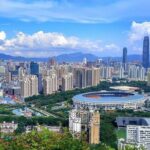
- The Not-So-High Hill Stop: Bird’s-Eye Clarity for City Planning
- Shenzhen’s Connections to Hong Kong and Beijing: The Political Context You Can Explain
- Food Breaks and the Built-In Restaurant List: How to Eat Like a Local
- Price and Value: Is $40 Fair for Two Hours?
- Who This Tour Suits Best (and Who Might Skip It)
- Should You Book This Shenzhen History and Entertain Tour?
- FAQ
- FAQ
- What is the duration of the tour?
- How much does the tour cost?
- Is the tour in English?
- What’s the group size limit?
- What’s included in the price?
- Is food included?
- Where do I meet the guide?
Key Things I’d Pencil In Before You Go
- Luo Hu Port as the Shenzhen origin story: you’ll hear why this area matters and how the city took off from there
- Hua Qiang District walking focus: street-level context tied to companies and famous entrepreneurs
- A hilltop city-axis viewpoint: a short climb for a strong “now I get it” moment
- English conversation-led guiding: Timo keeps the talk moving with maps and personal stories
- Local snack stops (time/weather dependent): you’ll get food ideas and practical cravings handled
Shenzhen’s Two-Hour Time Machine: Why This Tour Works
Shenzhen can feel like a city that appeared fully formed—new towers, fast traffic, nonstop commerce. But the best part of this experience is that it doesn’t treat the last 40 years like a blur. It gives you a timeline you can hold in your head, starting where Timo says the story of Shenzhen begins.
I like that the tour is built for real conversation. Timo has a mix that shows up in how he guides: professional precision from his day job, and a traveler’s curiosity from years living and working in Hong Kong and Shenzhen. He doesn’t just list landmarks. He links places to decisions people made—commercial, political, and personal.
You also get a sense of why “youngest city” isn’t a marketing line. In the space of two hours, you can stand in areas that look modern now and still picture them as fields and lakes not long ago. That contrast is the whole point.
You can also read our reviews of more city tours in Shenzhen

Meeting Timo at Starbucks in Futian: How the Tour Sets You Up
The meeting point is easy to find if you’re already comfortable with metros and street-level navigation: Starbucks Cafe (China Bank Garden), No. 1006, Fuzhong 1st Road, Futian District. In Chinese, it’s written as 深圳市福田区 福中一路1006号 星巴克(中银花园店).
This matters because Futian is where a lot of Shenzhen’s “today” energy sits. You start in a clean, familiar place, then head into the city’s layers. Since the group is capped at 7 participants, you’re not lost in a crowd. You can ask questions and keep up with the story rather than just following a parade.
The tour runs in English and lasts 2 hours, so the pace stays focused. You’re walking enough to feel the city, but not so much that you spend the whole time stuck in logistics. It’s the kind of format that works well when you want depth without eating up your entire day.
Luo Hu Port: The Start of Shenzhen and the “Scale Check” Skyline
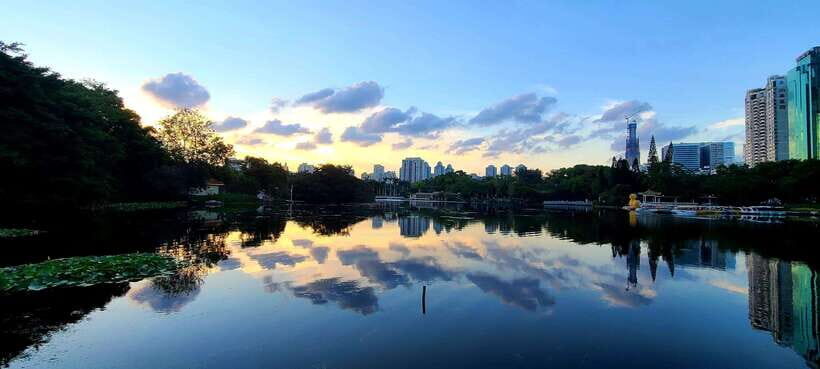
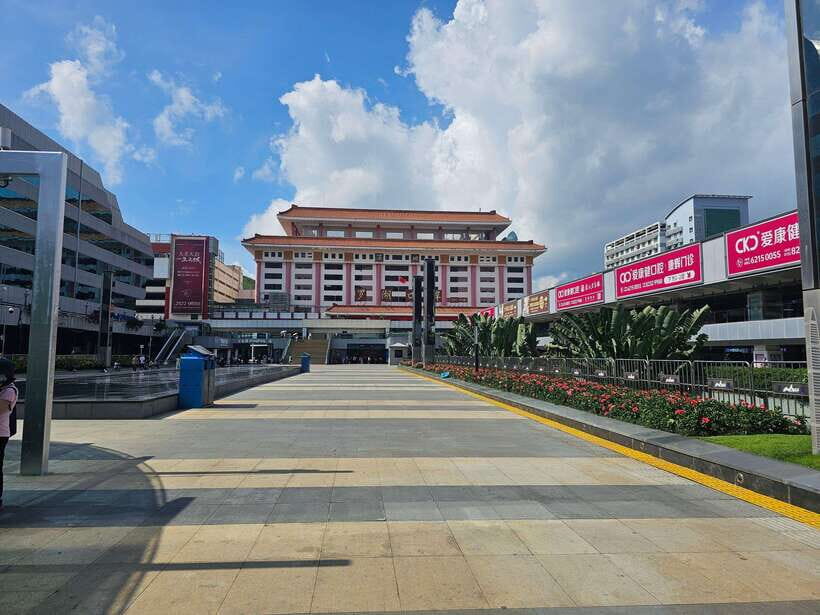
The first major stop is Luo Hu Port, and it’s the anchor of the entire narrative. Timo treats this area like the point where Shenzhen begins—he’ll guide you through the meaning of the port, why it became important, and how it shaped movement and development.
One detail I found especially memorable in the tour description is the claim that Luo Hu Port was one of China’s only two land ports. Even if you already know ports are key for trade, hearing it in this context helps you understand that infrastructure isn’t just gray machinery. It’s a trigger for the future shape of a city.
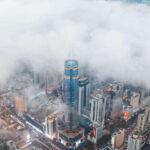
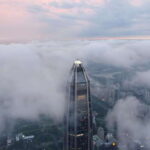
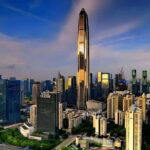
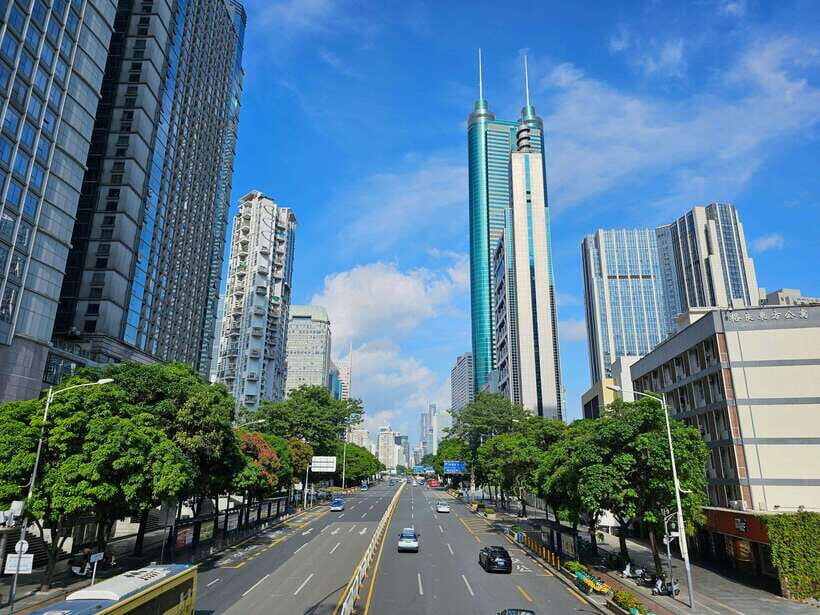
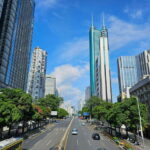
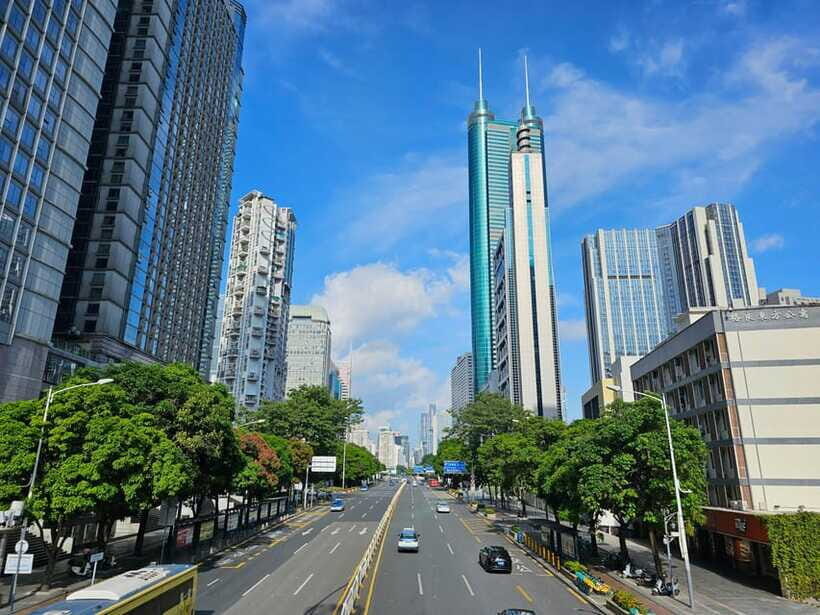
From there, you’ll see buildings that once shocked the whole nation, then transition into a skyline view while the story catches up to what you’re looking at right now. This is where the “time machine” feeling kicks in. Standing above or near a modern skyline, it’s hard to accept how quickly Shenzhen changed—but Timo’s explanation makes it feel logical instead of magical.
Practical note: views are strongest when you can pause and look. If you like photos, bring your phone camera ready, but don’t rush the stop. The real value is connecting what you see to the timeline you’re being told.
Hua Qiang District: Where Commerce Happens by the Square Meter
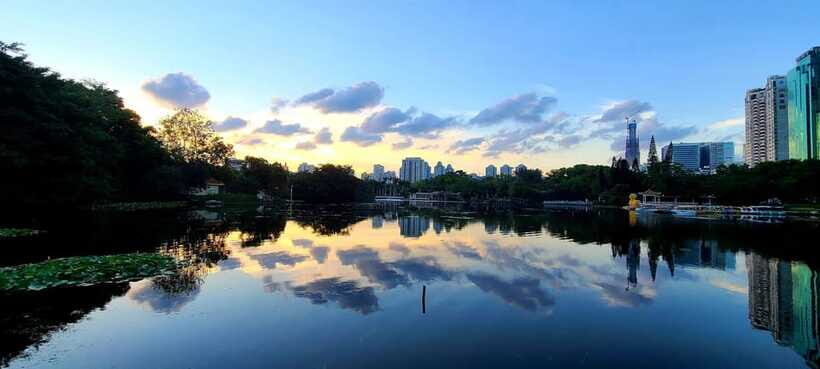
Next comes Hua Qiang District, and this is where the tour turns from origin story to how Shenzhen became a global-scale business machine.
Timo brings you into the streets where each square meter can translate into serious daily value, and he’s specific about what this neighborhood represents. If you’ve ever heard Shenzhen described as a hardware-and-everything hub, this is the part that gives the idea a human shape. You’ll wander through the zone and learn why it’s seen as a symbol of rapid economic growth.
You also get the “trace” approach here. Instead of pointing at random photos, Timo talks about connections between the area and companys, entrepreneurs, and famous people. The point isn’t celebrity-watching. It’s understanding how a city’s identity forms when business energy concentrates in one place.
Is it shopping-focused? Not really. The tour is designed around history and how the city evolved. If you prefer talking about world views and customs over hectic sightseeing, this fits that style. If you’re the type who only wants monuments, you might feel there’s less “tourist-landmark” impact here—but you’ll likely enjoy the commerce-and-ideas framing.
The Not-So-High Hill Stop: Bird’s-Eye Clarity for City Planning
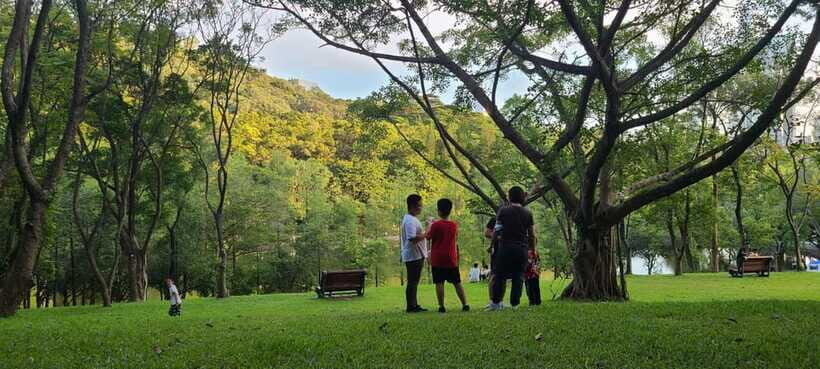
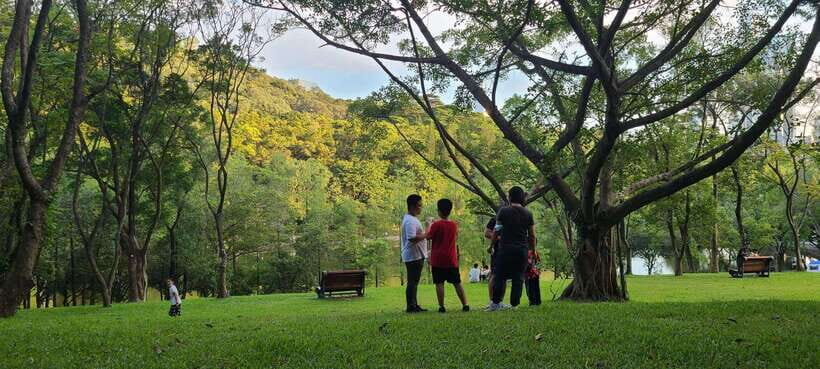
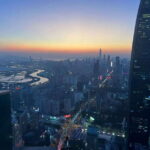
Midway through, the tour includes a short hike on a park and hill (not so high) to get a bird’s-eye view of the city’s axis.
This stop is smarter than it sounds. From street level, cities feel like a mess of roads and buildings. From above, you can start recognizing alignment and planning logic. Timo uses the viewpoint to help you understand development as structure, not just growth.
In the feedback I saw from guests, the hilltop moment is one of the “everything clicks” experiences. One person even described it as an astonishing view of Shenzhen. That matches what this kind of viewpoint does: it gives you a visual framework so the history you’ve just heard stops being abstract.
Comfort tip, without overpromising: wear shoes you can walk in. Even if the hill is described as not so high, you’ll still appreciate grip and comfort.

Shenzhen’s Connections to Hong Kong and Beijing: The Political Context You Can Explain
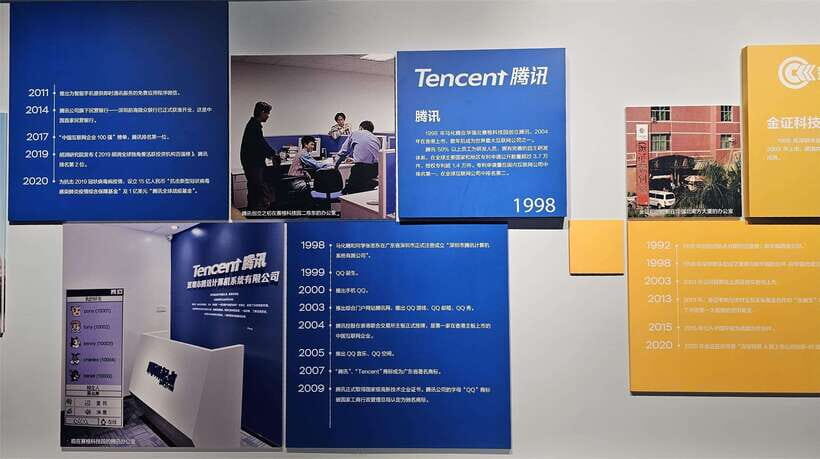
This tour doesn’t stay trapped in local street history. It also tackles the connections between Shenzhen and Hong Kong or Beijing, so by the end you can explain why the city looks and acts the way it does today.
That part can be sensitive territory, so what you want from a guide is clarity, not slogans. Timo’s approach is to link development choices back to relationships between these regions. You’ll learn how Shenzhen fits into a bigger picture—trade, movement, and policy—without turning the walk into a lecture you can’t use.
For you, this is a practical travel payoff. Once you understand the relationships, you can read the city’s present more easily: why certain areas concentrate particular kinds of activity, and why Shenzhen grew at the speed it did.
It’s also a good moment to ask questions, since the small-group size makes it possible to get straight answers instead of feeling like you’re interrupting a program.
Food Breaks and the Built-In Restaurant List: How to Eat Like a Local
Food is one of the quiet reasons this tour gets good feedback. The format includes a stop for a delicious snack in traditional and local restaurants, though the exact timing depends on weather and the day’s schedule.
Food itself is not included in the tour price. So think of this as: you’ll get help choosing where to eat, and you may get an organized break, but you’ll still pay for what you order.
You also receive a list of carefully-researched recommendations for restaurants and even options beyond meals: best restaurants, plus some of the best bars, cocktails, and live music venues. That’s a nice value add because it saves you from the usual research scramble later.
My advice: use that list to plan your next evening. When you only have a short stay in Shenzhen, one good meal and one good night out can matter more than squeezing in another landmark photo.
Price and Value: Is $40 Fair for Two Hours?
At $40 per person for a 2-hour small-group tour, the key question isn’t whether it’s cheap. It’s whether you’re buying what matters to you.
If you want lots of stops and big-ticket sights, you may agree with the one caution I saw in the feedback: some people felt the price was elevated for what they saw. That’s a valid reaction when you measure value purely by number of photos taken.
But if you care about story, context, and understanding the city’s development in a short time, $40 starts to make more sense. You’re paying for:
- a guide who stays focused on history told through places
- English conversation in a group limited to 7
- transportation fees covered in the tour
- a post-tour benefit via the restaurant and nightlife recommendations
For me, the best “value test” is this: can you leave with explanations you’ll still use tomorrow? This tour is built to do that. It aims to help you “fully understand how the city has developed only 40 years into the global phenomenon it is today,” and the structure of starting at Luo Hu Port, then moving through Hua Qiang District, then up to a viewpoint makes that kind of learning possible in one outing.
Who This Tour Suits Best (and Who Might Skip It)
This is a great fit if you:
- like history and culture more than shopping
- enjoy a guide who uses maps/visual aids and personal storytelling
- want an English tour that feels like a conversation, not a script
- only have a short window and still want meaningful context
You might not love it as much if you:
- want a very dense itinerary packed with major monuments
- dislike walking short distances and viewpoint stops
- expect meals to be included (snack breaks are time/weather dependent, and food isn’t included)
Should You Book This Shenzhen History and Entertain Tour?
If your goal is to understand Shenzhen instead of just passing through it, I’d book this. The strongest reasons are simple: Timo’s storytelling and the way the tour connects specific areas—Luo Hu Port, Hua Qiang District, and a hilltop axis view—into one coherent timeline you can remember.
I’d consider passing only if you’re strictly price-sensitive and you need a long list of major sights. For most people who want a small-group, English-led “how Shenzhen became Shenzhen” experience, this is the kind of outing that makes a city feel understandable fast.
FAQ
FAQ
What is the duration of the tour?
The tour lasts 2 hours.
How much does the tour cost?
It costs $40 per person.
Is the tour in English?
Yes, the tour is given in English.
What’s the group size limit?
The tour is a small group limited to 7 participants.
What’s included in the price?
You get the guide, transportation fees, and a list of recommendations for restaurants plus some bars/cocktails/live music venues.
Is food included?
Food is not included. The tour may include snack stops depending on weather and time.
Where do I meet the guide?
You meet at Starbucks Cafe (China Bank Garden), No. 1006, Fuzhong 1st Road, Futian District (深圳市福田区 福中一路1006号 星巴克(中银花园店)).