REVIEW · HOHHOT
Huhhot 4D3N Inner Mongolia Grassland and desert nature tours
Book on Viator →Operated by Private & Custom Tours in Inner Mongolia · Bookable on Viator
Grassland to desert, all in four days. With Mr. Chaolu’s help, I loved the less touristy steppe feel and the smooth private van with an English guide setup. The trade-off: flights, meals, and hotels are on your tab.
I also liked how the trip balances quiet and wild—Wudang Zhao Monastery is a calm reset, then Kubuqi Desert swings you into big activity energy at Xiangshawan. Do pack for wind and cold, especially after sunset.
In This Review
- Key points worth knowing before you go
- A Private Steppe-to-Desert Loop From Hohhot
- Mr. Chaolu’s Guide Approach (and Why It Matters)
- Day 1 at Xilamuren Prairie: animals, Nadam energy, and more space
- Day 2 Wudang Zhao Monastery in Baotou: a calmer pause with time to look
- Day 3 Kubuqi Desert: Xiangshawan’s action, then quieter dunes
- Day 4 Genghis Khan’s Mausoleum in Ordos: short visit, heavy meaning
- Price and what you’re really paying for (and what you aren’t)
- Best time to book, and how to pack for steppe-to-desert swings
- Who this tour fits best (and who might want a different style)
- Should you book this Hohhot Inner Mongolia 4-day tour?
- FAQ
- How long is the Hohhot Inner Mongolia grassland and desert tour?
- Where does the tour start and when?
- Is airport pickup included?
- Is this tour private or shared?
- What’s included in the price?
- What’s not included?
- What size groups can join?
- Are kids included, and is there a child price?
- What happens if weather is bad or I need to cancel?
Key points worth knowing before you go
- Mr. Chaolu-style flexibility: you can adjust when weather shifts, and you’re not stuck in a rigid script
- Steppe time that feels real: you go to more scenic grassland areas and see everyday animals like sheep, horses, and cows
- A religion stop that isn’t rushed: Wudang Zhao Monastery gives you enough time to slow down and look around
- Two desert vibes in one day: Xiangshawan’s major attractions plus a less crowded Kubuqi approach
- Yellow River along the drive: you get a key landmark moment without needing a separate excursion
- Big history in a short visit: Genghis Khan’s Mausoleum is powerful, even in a 2-hour window
A Private Steppe-to-Desert Loop From Hohhot
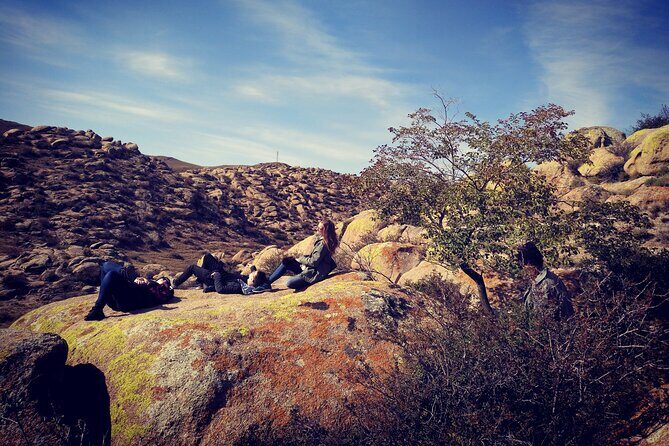
This is a 4-day, 3-night style Inner Mongolia run out of Hohhot, built for groups who want control instead of a bus-cattle route. You’ll cover grassland, Buddhist heritage, and desert terrain in one stretch, with a driver and air-conditioned minivan doing the heavy lifting.
The big value here is that you’re paying for the experience of getting there, not just getting in. Entrance tickets are included, and you’ll have a professional English guide to translate what you’re actually seeing—temples, mausoleum symbolism, and how desert activity zones work.
This trip also gives you space to steer. It’s described as private and fully customizable for groups in the 4–30 range, and booking notes indicate it can run for groups as small as 3 and up to 52 (availability matters). That matters because Inner Mongolia distances are real, and your best day depends on weather, light, and what kind of photos you want.
You can also read our reviews of more tours and experiences in Hohhot.

Mr. Chaolu’s Guide Approach (and Why It Matters)
One theme I’d keep an eye on is the human side of the tour. In real use, guides like Mr. Chaolu show up as flexible and proactive: helping people adjust plans if conditions change, recommending local food ideas, and even pointing you toward traditional music moments when you’re in the mood.
If you like to ask questions, this format works well. You’re not just following signs; you’re getting context. That helps on stops like monasteries, where small details (architecture, layout, the pacing of the site) can either feel confusing or feel meaningful depending on what you know before you start walking.
Practical note: this is private, so it’s also easier to manage your own comfort. If your group is slower, you can slow down. If you’re the type who wants more time outdoors at Xilamuren Prairie, you can try to extend that moment rather than rushing through it.
Day 1 at Xilamuren Prairie: animals, Nadam energy, and more space
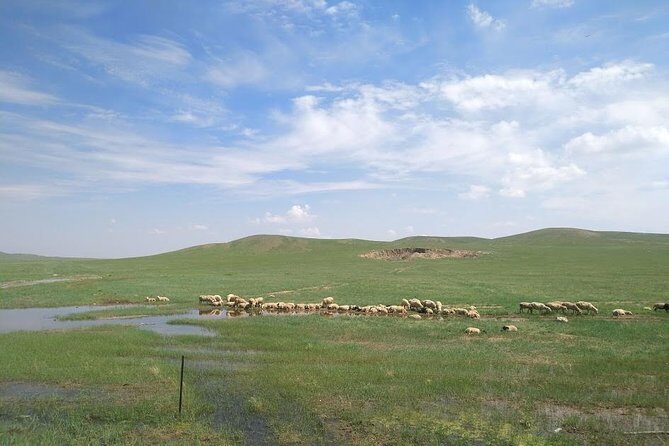
Your first full day is based at Xilamuren Prairie, and it’s set up to feel wide-open rather than staged. The guide helps arrange a grassland area that’s described as less touristy and more scenic, so you’re more likely to experience the steppe as a place people live in, not just a backdrop.
You should expect big grass horizons and simple animal encounters—sheep, horses, and cows are part of the scene. If you’re there in summer months and you’re into it, there’s also a chance to catch Nadam horse-race style programming, depending on timing and what’s running.
The main drawback for Day 1 is also the most common one with prairie travel: the day can run long, and the air can shift fast. If you arrive expecting “easy walking and done,” you might be surprised by the combination of travel time plus hours on open ground.
My practical advice: bring a hat you can trust in wind, sunglasses, and a warm layer even if the daytime feels mild. On the steppe, the weather has a personality.
Day 2 Wudang Zhao Monastery in Baotou: a calmer pause with time to look
Day 2 takes you to Wudang Zhao Monastery in Baotou City. This Buddhist site is known for its cultural and historical importance, and the schedule gives you about a half day (4 hours). That timing is smart. You’re not sprinting through courtyards; you’re able to look around at your own pace.
What I like about adding a temple stop here is the balance it creates. After hours of grass and open views, the monastery gives you shade, structure, and a different pace of sightseeing. It’s the kind of place where the details matter: building forms, the way spaces are arranged, and the overall atmosphere as you move through.
The only consideration: if your group expects this to be mostly “photo points,” you may need to slow your pace. Monasteries reward calmer attention, not quick clicks.
If you like culture-heavy days, you’ll probably enjoy this one. If your group is very outdoors-focused, pair it with simple goals like: pick one main hall/area to focus on, and then do a relaxed wander rather than trying to see everything.
Day 3 Kubuqi Desert: Xiangshawan’s action, then quieter dunes
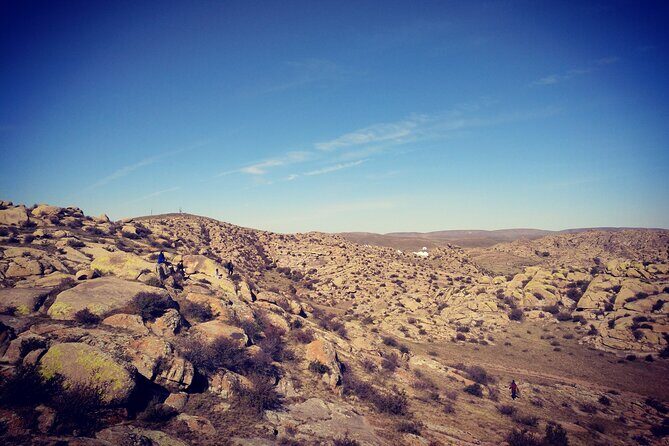
Day 3 is where Inner Mongolia swings from grassland calm into desert thrills. You start by driving to the Xiangshawan 5A tourist area, described like a desert amusement-park style setup with multiple activities. This is the part where you’ll find more structured entertainment, and it can be fun if your group likes to “do” things rather than just watch the scenery.
Then the plan shifts to Kubuqi Desert in a less touristy area. That contrast is a big deal. You get one day with both energies: first the activity zone, then a more open, less crowded feel where dunes can look more natural and photos can feel less “theme-park.”
Along the way, you also pass a landmark moment: the Yellow River, described as China’s second-largest river. It’s not a full sightseeing day by itself, but it gives you an instant geographical anchor so the desert doesn’t feel random.
A practical watch-out: desert days can be dusty and windy, and temperatures can swing between sunny and shaded conditions. Bring eye protection, water, and plan for sand management in your bag.
Also note what’s not included for extra fun: horse ride and desert camel ride are mentioned as optional add-ons (self-willing). If those matter to you, ask early how to organize them so you don’t lose time when you’re tired.
Day 4 Genghis Khan’s Mausoleum in Ordos: short visit, heavy meaning
Day 4 focuses on Genghis Khan’s Mausoleum in Ordos. You’ll have about 2 hours, and that’s enough time to grasp the site’s scale and symbolism without feeling trapped there all day.
This stop works best when you treat it as a “big picture” visit. The mausoleum represents a major figure in Mongolian history, and even if you’re not a history textbook person, the setting helps you feel the cultural importance. It’s one of those locations where a guide’s framing matters—what you pay attention to can change everything.
The main consideration is pacing. With only 2 hours, you’ll want to decide what matters most to your group: the main memorial areas first, then additional walking if energy allows.
If your group is also interested in photo timing, plan to arrive ready. Morning light can make stone and metal details look sharper, while late-day light can soften the overall scene—but you’ll still need to keep your timing efficient.
Price and what you’re really paying for (and what you aren’t)
At $250 per person, this tour can look like a bargain or a fair price depending on what you usually pay for transport and guides.
Here’s what’s included:
- Air-conditioned minivan with gas/road payment and bottled water
- Airport pickup and drop-off
- Professional English guide
- Entrance door ticket fees
- Inbound travel insurance
Here’s what’s not included:
- Flights
- Meals
- 3 days hotels
- Optional activities like horse ride, desert camel ride, and named show-type add-ons (you choose to pay for those)
That structure is important: the day-to-day costs most people assume (hotels and meals) are extra, but the expensive “getting around + tickets + guide” part is already covered. For remote Inner Mongolia routes, that’s where a guided private format tends to pay off.
If you’re traveling in a group, private van time is usually one of the biggest budget items. With this setup, you’re trading part of your budget for comfort and efficiency—and that can be worth it when the distances are long and weather can change.
Best time to book, and how to pack for steppe-to-desert swings
Your comfort will come down to temperature and wind more than anything else. Even within Inner Mongolia and across seasons, conditions can be colder than people expect at night. One solid move: pack layers you can actually use fast—thermal layer, a warm mid-layer, and a wind-resistant outer piece.
Because the experience requires good weather, you should also be ready for the possibility of a date change or full refund if it can’t run. That’s not something you want to ignore. In places like this, weather can be the difference between stunning views and gray, dusty disappointment.
What to bring:
- A windproof jacket or coat
- Sunglasses and something to protect your eyes from dust
- Comfortable shoes for walking sites and prairie ground
- A day bag for water and a warm layer
- A backup plan mindset: when conditions shift, use your guide’s flexibility
Who this tour fits best (and who might want a different style)
This works especially well if you:
- Want a private experience with an English guide
- Prefer fewer surprises and no shopping stops
- Enjoy mixing outdoors and culture without staying in one type of scenery
- Like customizing the day based on what your group actually wants
It may not be ideal if you:
- Hate long drives or unpredictable timing due to weather
- Want meals and hotels included in the one price
- Expect optional activities to be automatic (horse rides and desert camel rides are not included)
If you’re a couple or a small group, the private format can feel efficient. If you’re traveling with friends and want to share van time, this can be a good way to keep costs reasonable while still getting the “your group only” feeling.
Should you book this Hohhot Inner Mongolia 4-day tour?
I’d book it if your dream version of Inner Mongolia includes both grassland and desert, plus at least one cultural stop you can actually slow down for. The combination of Xilamuren Prairie, Wudang Zhao Monastery, Kubuqi Desert, and Genghis Khan’s Mausoleum is a strong mix for a first trip, and the private guide style (often associated with Mr. Chaolu) helps the day feel smoother when weather and timing don’t cooperate.
I’d think twice if you’re trying to keep the trip very budget-tight after the listed price, because meals and hotels are extra. Also, if you’re not a layer-and-wind person, you’ll want to prepare for temperature swings.
If you can handle planning for food and lodging on your own, this is one of the more practical ways to see a lot of Inner Mongolia without feeling rushed.
FAQ
How long is the Hohhot Inner Mongolia grassland and desert tour?
The tour runs about 4 days.
Where does the tour start and when?
It starts at Jiangjunyashu West Lane, Jiang Jun Ya Shu Xi Xiang, Xin Cheng Qu, Hohhot (010020) with a start time of 9:30 am, and it ends back at the meeting point.
Is airport pickup included?
Yes. Airport pickup and drop-off are included.
Is this tour private or shared?
It’s private. Only your group participates, with a private guide and driver.
What’s included in the price?
The included items are an air-conditioned minivan (with gas/road payment and water), an English guide, entrance door ticket fees, and inbound travel insurance.
What’s not included?
Flights, meals, and hotel stays for the days are not included. Optional activities like horse ride, desert camel ride, and certain shows are also not included.
What size groups can join?
The experience is set up for private groups. Booking notes indicate it can accept about 3–52 people, and the tour highlights mention groups of 4–30.
Are kids included, and is there a child price?
There is no child price listed. One child under 120 cm can be brought for free with three adults.
What happens if weather is bad or I need to cancel?
The experience requires good weather. If it’s canceled due to poor weather, you’ll be offered a different date or a full refund. You can cancel up to 3 days in advance for a full refund; after that, the amount paid is not refunded.