REVIEW · LUOYANG
Luoyang: Longmen Grottoes Entry Ticket Only Option
Book on GetYourGuide →Operated by China Tour Guide · Bookable on GetYourGuide
A cliff full of Buddhist art sounds like a lot. At Longmen Grottoes, it’s also surprisingly easy to manage with an electronic ticket you show at the gate. I like that this is an entry-focused option that helps you avoid ticket chaos, and I like that you still get a live guide to explain what you’re looking at. One thing to consider: the site is outdoors and not wheelchair-friendly, with uneven paths and stairs.
You’re visiting a UNESCO World Heritage site that covers about a 1 km stretch of limestone cliffs along the Yi River. You’ll spend around 3 hours moving through caves and niches packed with carvings from the late Northern Wei and Tang periods. If you hate walking, this may feel like a workout—but the payoff is real.
In This Review
- Key Things You’ll Notice Right Away
- Longmen Grottoes in Luoyang: Why This UNESCO Site Feels Different
- Ticket-Only Entry That Still Has a Live Guide
- Price and Value: What $32 Buys You
- Getting In Smoothly: Electronic Ticket Rules That Matter
- The Easy Start at Longmen Shiku (and Why “Meeting Point” Still Matters)
- Stop 1: Longmen Shiku Neighborhood Before You Enter the Caves
- Stop 2: Longmen Grottoes Walk Through Late Northern Wei to Tang
- What to Do With Photos, Flash, and the No-Food Rule
- Outdoor Walking, Steps, and Mobility Limits
- Who This Longmen Grottoes Entry Option Is Best For
- Quick History Context You’ll Appreciate While You Walk
- Should You Book This Longmen Grottoes Ticket-Only Experience?
Key Things You’ll Notice Right Away
- Electronic ticket entry: send your passport name and number, then show a picture of the ticket at the entrance
- A live Chinese-speaking guide: you’re not left guessing at dates, styles, and meanings
- Major art collection in one place: about 110,000 Buddhist stone statues plus stupas and inscriptions
- A UNESCO site with specific eras: late Northern Wei and Tang Dynasties, carved into steep cliffs
- Practical rules: photography allowed without flash; no food or drinks inside the grottoes
Longmen Grottoes in Luoyang: Why This UNESCO Site Feels Different
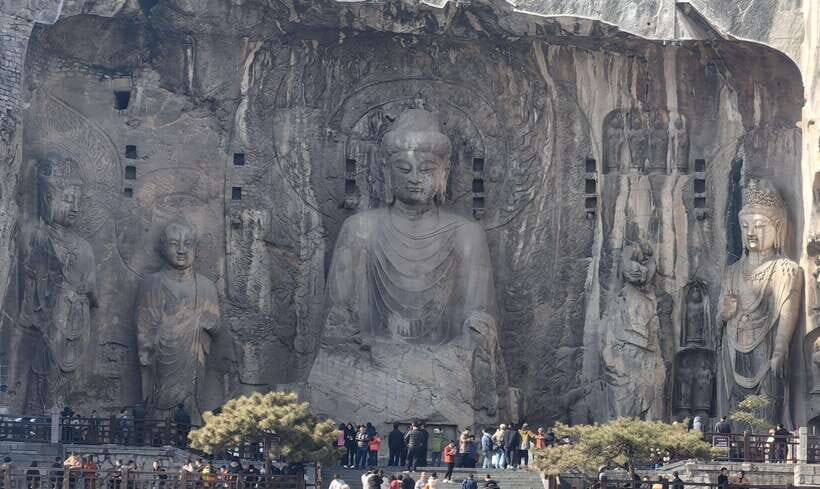
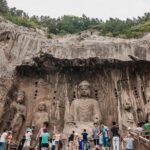
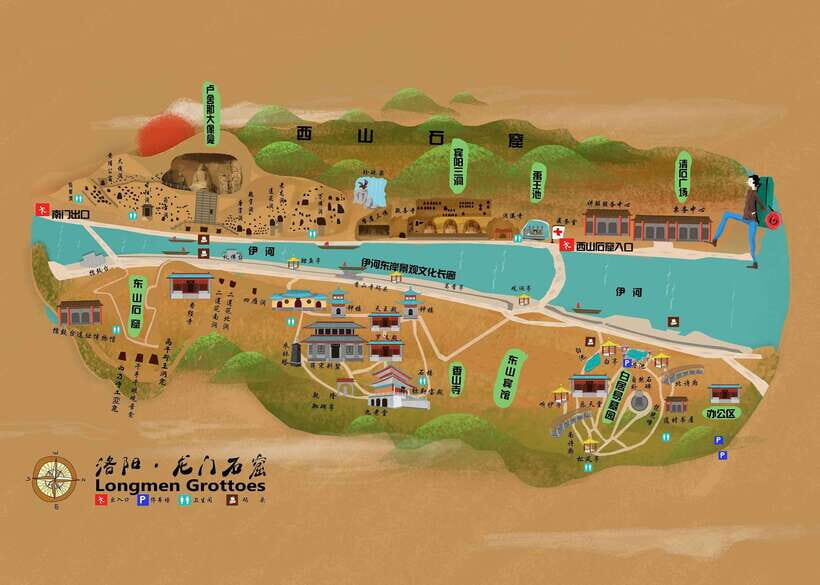
Longmen Grottoes sits just south of Luoyang’s ancient core, straddling both sides of the Yi River. What you see today is the result of carving thousands of Buddhist images into steep limestone walls over a long period of time. The grotto complex includes more than 2,300 caves and niches, spread along roughly a 1 km cliff stretch.
Here’s the key: it’s not one big monument. It’s a whole cliff-city of religious art, with sculptures, architectural elements, and written inscriptions working together. That’s why a guided approach helps. Even if you’re not a history nerd, someone can point out what to notice first so you don’t just stare at stone until your brain goes on vacation.
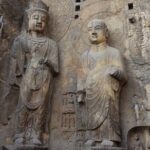
The big numbers also set expectations. The site holds about 110,000 Buddhist stone statues, plus more than 60 stupas and around 2,800 inscriptions on steles. When you understand those categories, the visit feels less random and more like a curated story.
A few more Luoyang tours and experiences worth a look
Ticket-Only Entry That Still Has a Live Guide
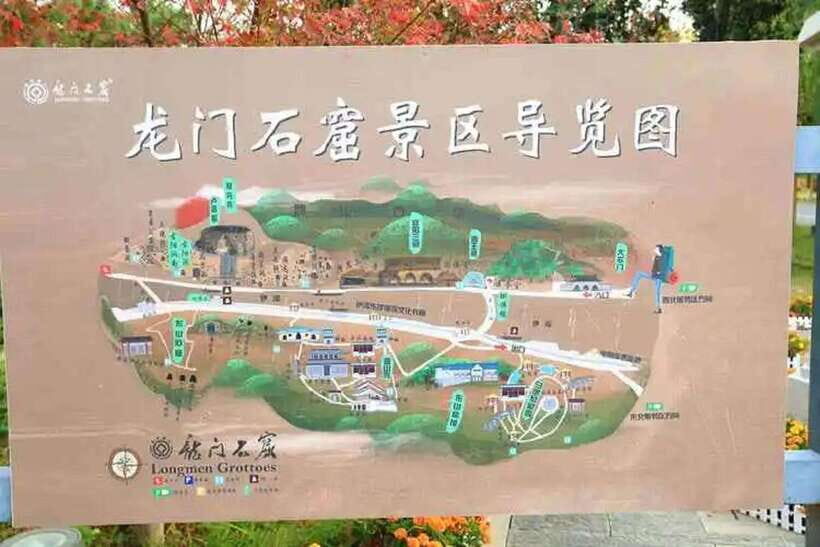
This experience is built around admission to Longmen Grottoes, delivered in a simple way: you provide your passport details, and the operator sends an electronic ticket. At the entrance, you show a picture of that ticket for entry.
The value here is not just the ticket itself. It’s the combination of:
- Skip the ticket line (so you lose less time to queues)
- A live tour guide in Chinese who helps interpret what you’re seeing
And yes, it’s specifically an option where GETYOURGUIDE tickets are not available. If you’re planning to mix platforms, don’t—stick to the ticket path included here.
If you’re traveling independently and you don’t want to gamble on availability or sorting out access on the spot, this format is helpful. You’re basically buying the certainty of entry plus a human explanation once you arrive.
Price and Value: What $32 Buys You
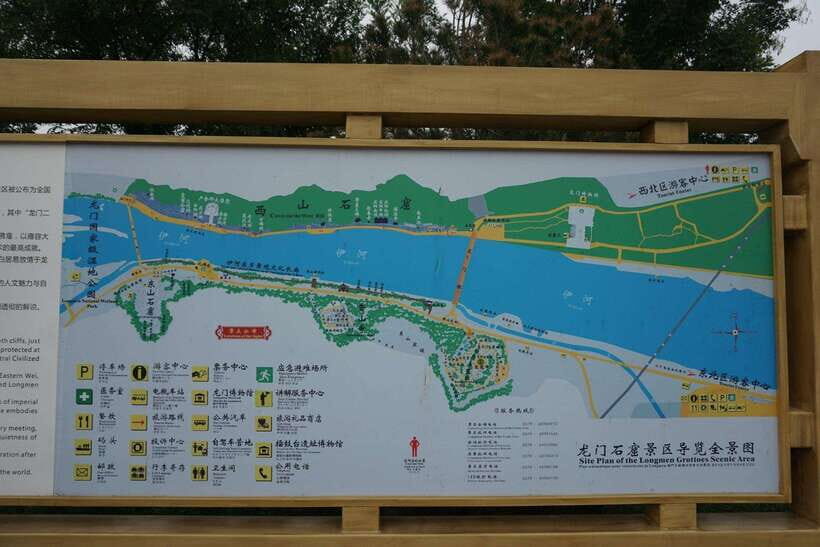
At $32 per person, you’re paying for admission, not a full-day bus tour with hotel pickup and meals. That’s a good thing if you only need one focused activity.
Here’s how I’d judge the value:
- You’re getting skip-the-line entry, which can be the difference between enjoying the site and feeling stuck.
- You’re still getting a live guide, even though the activity is ticket-focused.
- You save effort because you’re not handling the ticketing process day-of.
What you’re not getting is just as important:
- No hotel pickup/drop-off
- No meals
- No guarantee of an English-speaking guide (the provided guide language is Chinese)
So this works best if you’re comfortable arriving on your own and you want a structured visit of about 3 hours inside the grotto area.
Getting In Smoothly: Electronic Ticket Rules That Matter
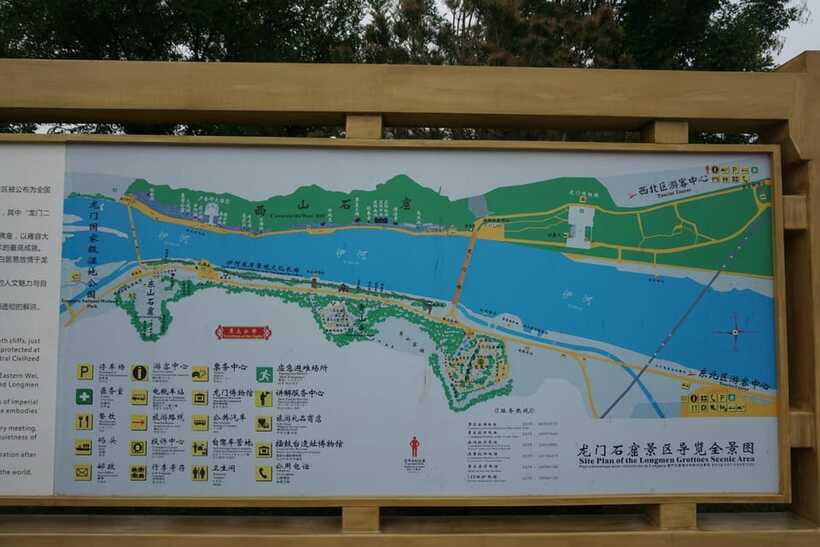
This is one of those trips where small details affect your day. You’ll need to send each person’s passport number and name before entry. When you arrive, the entry process is based on showing a picture of the electronic ticket at the entrance.
Two practical tips from the rules provided:
- Bring your passport (it’s listed as what to bring)
- Don’t count on any other ticket source being accepted here, especially GETYOURGUIDE
If you’re the kind of traveler who likes to keep phone settings ready, do that. The whole system relies on being able to show the ticket clearly at the gate. A quick check before you leave your hotel can save a lot of stress.
The Easy Start at Longmen Shiku (and Why “Meeting Point” Still Matters)
The tour’s flow begins around the Longmen Shiku neighborhood area, with the activity starting at the entrance and ending back at the meeting point.
Even though the experience is ticket-focused, meeting points still control how smoothly your day runs. If you’re arriving by taxi, rideshare, or local transit, your goal is to be at the right entrance when the guide is ready.
One more thing: the activity duration is listed as 1 day, but the sightseeing time inside the grottoes is about 3 hours. So you’re not signing up for a long wandering day across multiple sites. You’re signing up for a concentrated look at Longmen Grottoes.
Stop 1: Longmen Shiku Neighborhood Before You Enter the Caves
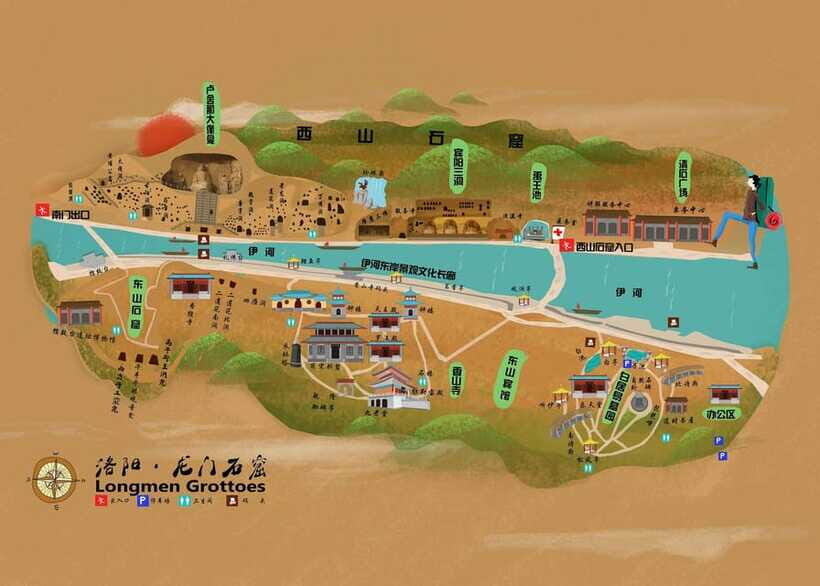
Stop 1 is essentially your launch point: the Longmen Shiku neighborhood area, tied to the site entrance. This isn’t where you see the statues yet. Think of it as the moment you get organized before the real climbing and walking begin.
Because the route is outdoors and uneven in places, arriving ready matters. Wear comfortable walking shoes. You’ll be moving at a moderate pace, and the grotto area is not presented like a flat museum floor.
This is also where you can mentally switch modes. Before you enter: stone looks like stone. After you enter: stone becomes portraits, religious symbols, and political storytelling. Having a guide right as you transition helps you start on the right foot.
Stop 2: Longmen Grottoes Walk Through Late Northern Wei to Tang
This is the main event: 3 hours of sightseeing at Longmen Grottoes.
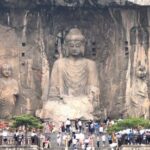
You’re walking along a cliff corridor where more than 2,300 caves and niches are carved into limestone. The scale is hard to grasp at first glance. One cave niche looks detailed. Fifty caves in a row start to feel like a timeline you can walk through.
What makes this stop special is the concentration of art from specific periods—late Northern Wei and Tang Dynasties—all devoted to Buddhism. The guide’s role is important here. Without context, it’s easy to only see pretty figures. With context, you start noticing why certain depictions, carvings, and layouts show up where they do.
Here are the major elements you can look for while you’re there:
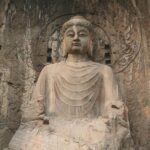
- Buddhist stone statues: about 110,000 across the grottoes
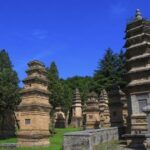
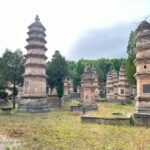
- Stupas: more than 60
- Inscriptions on steles: around 2,800
Also note the “how” of the site. It’s carved into steep limestone cliffs, and the complex sits on both sides of the Yi River. That setting changes the feel of the visit. You’re not just viewing art; you’re moving through a physical environment that was chosen for religious and ceremonial reasons.
And yes, photography is part of the day—but with constraints. You’ll want to save the phone battery and take pictures strategically, because you can’t flash inside the caves.
What to Do With Photos, Flash, and the No-Food Rule
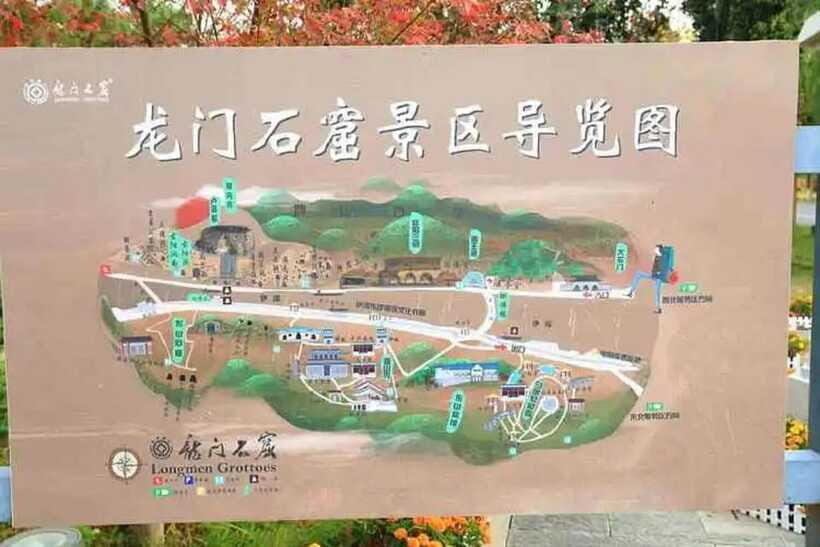
Longmen Grottoes is outdoors, but the cave interiors have rules. Here’s the practical checklist:
- Photography is allowed
- Flash photography is not permitted inside the caves
- Food and drinks are not allowed inside the grottoes
- There are dining options available outside the entrance
This affects timing. If you plan to take photos for the whole 3 hours, you’ll want water and snacks outside the grotto area rather than trying to bring them in. The “no food inside” rule is common at major cultural sites, but it’s still one that changes how you pace yourself.
If you’re the kind of traveler who likes long breaks, you may find your longest downtime happens right outside the main area. Plan for that and you’ll feel less rushed.
Outdoor Walking, Steps, and Mobility Limits
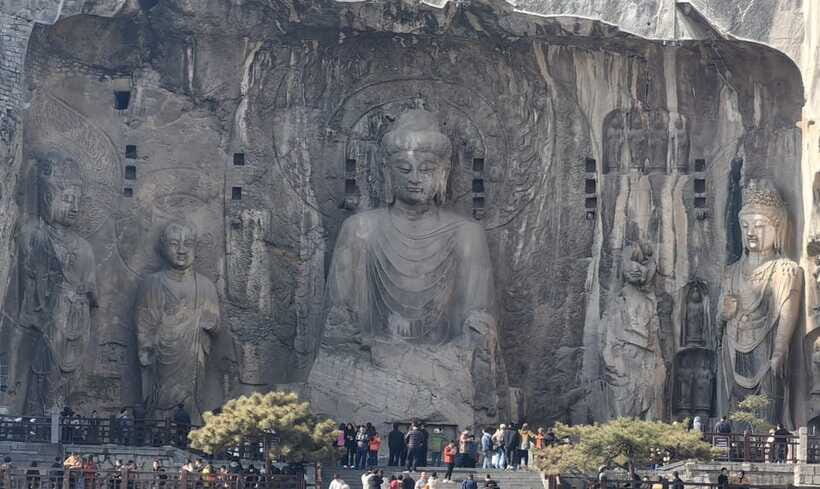
This site isn’t set up like a smooth, fully accessible museum. It’s listed as not fully accessible to wheelchair users or those with mobility impairments due to uneven surfaces and stairs.
So think about your body before you arrive:
- You’re walking outdoors and across uneven terrain
- You’ll likely deal with stairs or steps
- Comfortable shoes are non-negotiable
If you travel with someone who has limited mobility, it’s worth being realistic about how much of the grotto area they can handle. The experience can still be meaningful, but you may need to adjust expectations about full access.
Who This Longmen Grottoes Entry Option Is Best For
This works best if you want:
- A focused, single-site visit (about 3 hours of sightseeing)
- Admission handled for you via electronic ticket entry
- A live guide in Chinese to explain what you’re seeing
- Less time wasted on ticketing lines
It’s also a good fit for independent travelers who don’t want to spend half a day figuring out entry rules. If you’re traveling with friends and you want one clean activity with clear boundaries, this is the kind of setup that helps.
Two groups should be cautious:
- Anyone who needs full wheelchair access (the site is not fully accessible)
- Anyone who relies on an English-speaking guide (the guide language provided is Chinese)
Quick History Context You’ll Appreciate While You Walk
Longmen Grottoes was added to the UNESCO World Heritage List in 2000. That date matters because UNESCO status often correlates with how seriously a site is protected, documented, and managed.
But the deeper value is what you’re seeing: Buddhist art carved in stone over time, concentrated into a single corridor of cliffs. The result is a physical record of religious devotion and artistic techniques from late Northern Wei and Tang eras through the Tang period. Once you start linking the statues, stupas, and inscriptions together, the visit turns from sightseeing into interpretation.
And that’s where the guide helps. Even if you only catch parts of the explanation, the structure of the carvings gives you visual hooks to follow.
Should You Book This Longmen Grottoes Ticket-Only Experience?
Book it if you want simple entry, skip-the-line access, and a guide to help you read the site. The format is clean: admission is included, you get about 3 hours inside, and you’re not stuck doing a complicated ticket hunt day-of.
Skip it or look for another option if you:
- need hotel pickup (not included)
- need meals included (not included)
- require an English-speaking guide (the guide is Chinese)
- need full wheelchair accessibility (not fully accessible)
My take: at this price, you’re really buying time and organization. If you show up prepared—passport ready, comfortable shoes on, no flash photography—you’ll get a confident, meaningful visit to one of China’s most important Buddhist art sites.