REVIEW · BEIJING
Ming Tombs Private Tour: Sacred Road, Dingling and Changling
Book on GetYourGuide →Operated by Fun Beijing Travel · Bookable on GetYourGuide
Ming Tombs feel different with a private guide. You get a focused look at the Sacred Road, Dingling, and Changling plus the peace of not wrestling crowds or transit. I especially like how the day is built for your pace, not a factory schedule, and how the guide turns stone and layout into something you can actually picture.
Two parts I liked a lot: walking the Sacred Road’s long ceremonial approach with an explanation of what the 32 pairs of statues symbolize, and then going underground at Dingling to see the 27-meter-deep burial space up close. One consideration: the tour includes optional add-ons that lean toward shopping (like jade and tea stops), so if you want zero detours, be clear you only want the tombs.
In This Review
- Key points to know before you go
- Sacred Road: 7.3 km of statues and feng shui in practice
- Dingling’s underground palace: the 27-meter descent
- Changling Tomb: emperor Zhu Di, nanmu pillars, and over 600 years of quiet
- How the guide changes everything (and how to choose what you’ll tolerate)
- Private-car logistics in Beijing: less stress, more time at the tombs
- Price check: is $135 per person worth it?
- Optional jade and tea stops: a shopping add-on you can control
- A final photo stop: Bird’s Nest and Water Cube views
- Should you book this Ming Tombs private tour?
- FAQ
- How long is the Ming Tombs private tour from Beijing?
- Is hotel pickup and drop-off included?
- What stops are included during the tour?
- Is an English-speaking guide provided?
- Are entrance fees included, and do I need to buy tickets?
- What should I plan for food?
Key points to know before you go
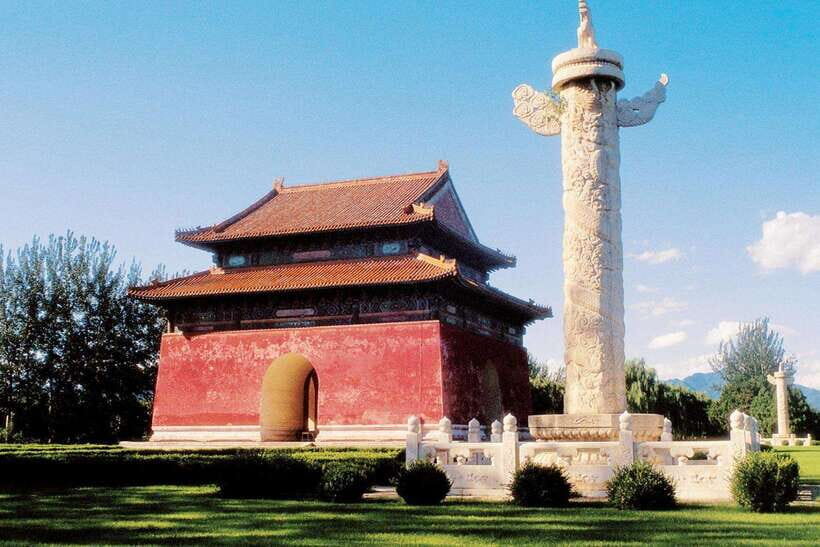
- Sacred Road (7.3 km): 32 pairs of stone statues, with meaning explained so you can read the whole avenue.
- Dingling’s underground palace: a 27-meter descent into three linked chambers carved from solid stone.
- Changling’s Ling’en Hall: nanmu pillars and Ming wooden architecture you can see and walk through.
- Front-door transfers: pickup and drop-off from Beijing hotels within the 4th ring road area.
- Skip-the-ticket-line: fewer waiting minutes, more time on-site.
- Guide quality matters: most guides are praised for clarity, but one review flagged a rushed day and messy ticket handling.
Sacred Road: 7.3 km of statues and feng shui in practice
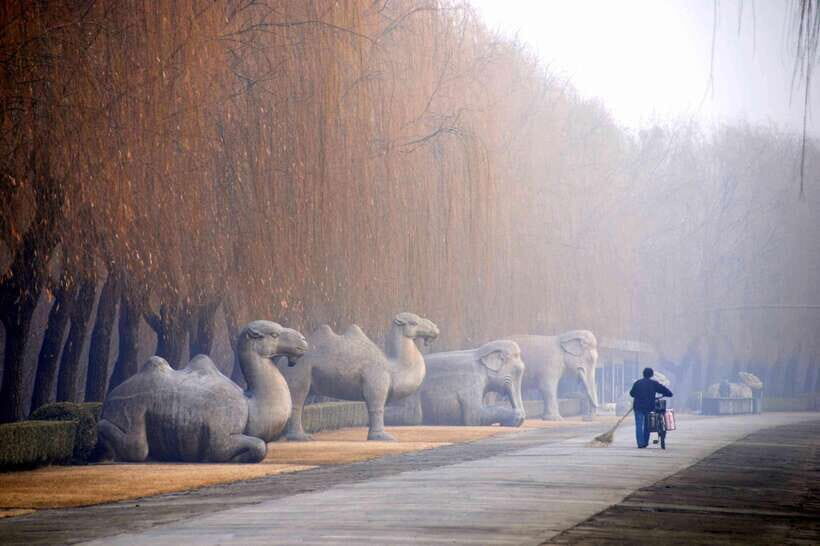
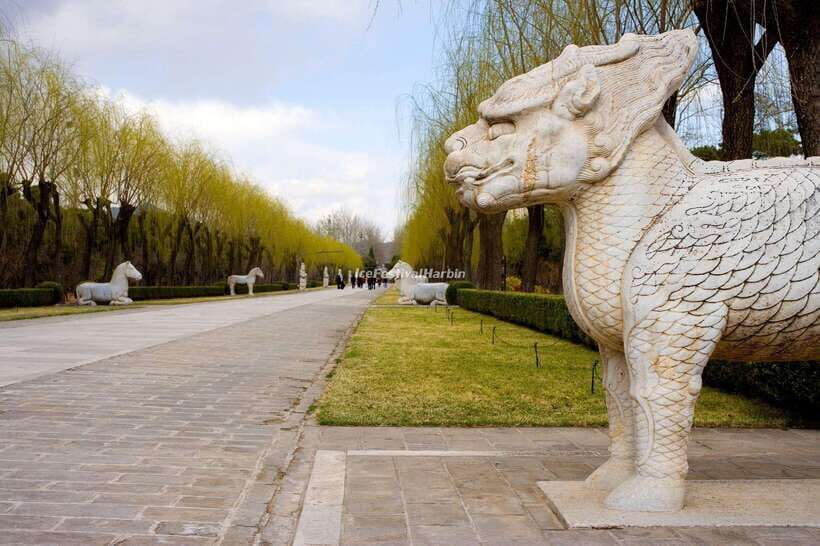
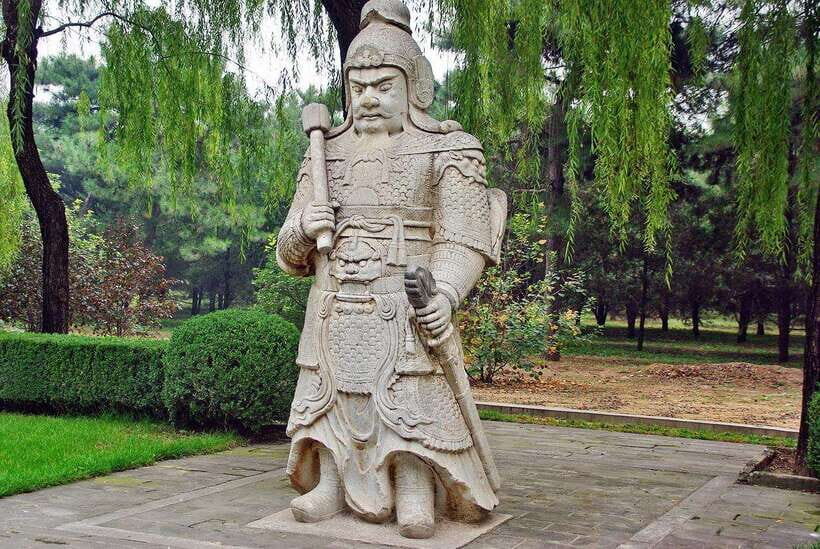
The Sacred Road is the ceremonial spine of the Ming Tombs complex. It stretches about 7.3 kilometers and is lined with 32 pairs of carved stone figures—lions, elephants, horses, and civil and military officials—set up like a visual hierarchy for the emperor’s journey.
What makes this stop worthwhile on a private tour is context. When a guide points out what each statue represents, you stop treating the avenue like a photo corridor and start seeing it like a designed system. The tone also tends to feel calmer here than at China’s headline sites, which makes it easier to take photos without constantly recalculating where your group is headed.
Practical take: plan to walk enough to feel the scale. Even if you don’t cover the entire length, you’ll want time to stop at key statue clusters, because that’s where the guide’s explanations land best. And yes, this is one of those places where a few good pauses beat sprinting for the next “must-see.”
You can also read our reviews of more private tours in Beijing
Dingling’s underground palace: the 27-meter descent
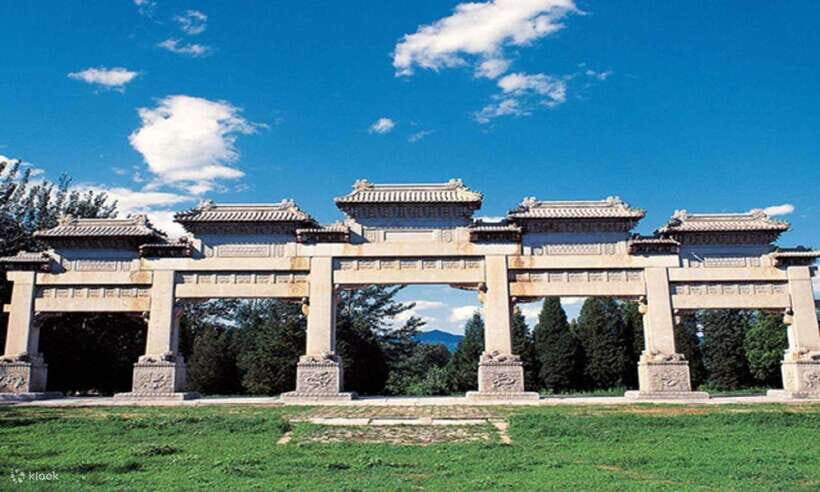
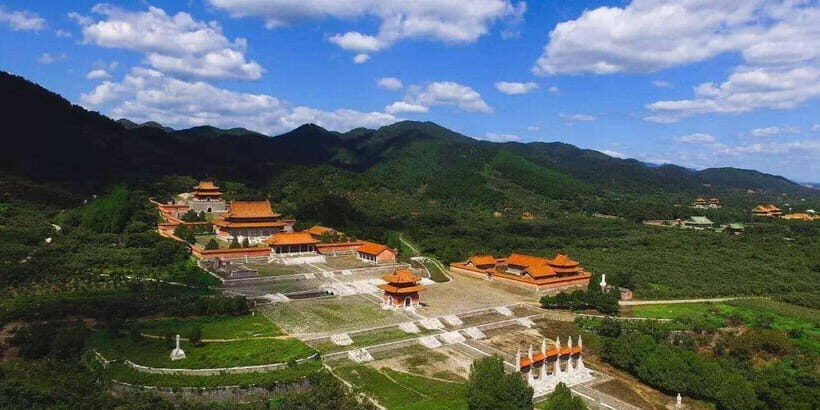
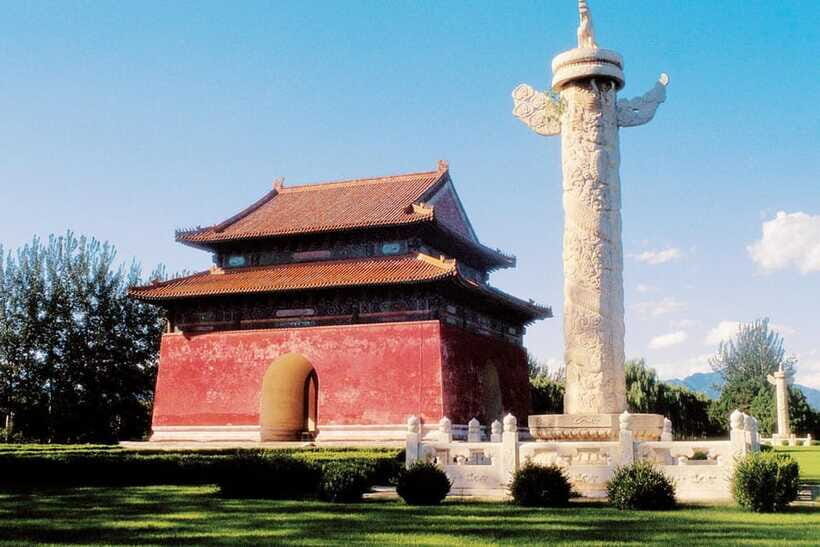
Dingling is the mausoleum of Emperor Zhu Yijun and his two empresses, and it’s special because the underground palace is fully excavated. Before you go down, you’ll see the above-ground courtyards and halls, which help you understand how royal burial space worked on the surface—then you get the real shock of scale underground.
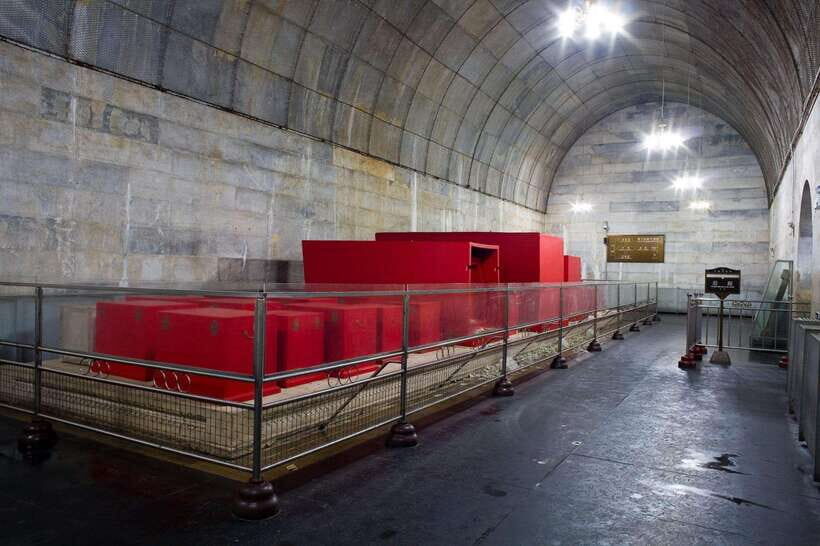
The descent is described as 27 meters deep, into three connected chambers carved from solid stone. Standing near the entrances, it’s easy to forget how much labor went into this, and that’s exactly where a good guide helps. A highly praised guide, Mr. Zhang, was noted for explaining how the tomb was excavated—details like this make the site feel less like a display and more like an historical process.
Down in the underground palace, the sarcophagi of the emperor and empresses are preserved, and you can view them as part of a larger layout rather than isolated artifacts. After that, the on-site museum adds the missing layer: you’ll see artifacts unearthed from the tomb, including gold and silver vessels, jade carvings, silk fabrics, and imperial robes. That mix matters, because it shows you burial wasn’t just stone—it was objects, materials, and status.
One caution based on real-world experience: underground sites can feel cooler or dimmer than you expect, so keep your camera settings simple. And because this is a real “go-and-see” moment, it’s worth not rushing it—your private pace helps here.
Changling Tomb: emperor Zhu Di, nanmu pillars, and over 600 years of quiet

Changling is the largest and best-preserved tomb in the Ming Tombs complex, dedicated to Emperor Zhu Di. He’s also described as a driving force behind the construction of the Forbidden City and the Ming Tombs, so if you like tracing architectural ideas across reigns, this stop connects big dots.
Start with the main hall, then look for Ling’en Hall and its massive nanmu pillars. The nanmu wood is a rare example of Ming-era wooden architecture you can actually walk around and take in. Inside, you’ll see the beam structures and spacious interior that once hosted imperial sacrificial ceremonies—again, this isn’t just decoration. The building’s form is tied to ritual.
After the halls, you move into calmer courtyards surrounded by ancient cypresses. That combination—grand structure up close, then quiet greenery—helps the site feel more human. It’s much easier to understand why a tomb complex like this functions as a long-term cultural landscape, not a one-time viewing point.
If you want one “wow” moment to anchor the day, Changling is it. You’ll leave with a clearer idea of how power, ritual, and architecture were fused into stone and wood—then kept alive by preservation.
How the guide changes everything (and how to choose what you’ll tolerate)
On a private tour, the guide isn’t a bonus. They’re the product.
In the best experiences from reviews, guides were singled out for clear organization and strong context. Lily was praised for giving well-prepared information and being easy to follow, and Carole specifically highlighted how clearly Lily explained both Chinese history and the Ming tombs, including excavation details. Another strong mention: Sherry offered a lot of interesting background, and a guide like Mr. Zhang was described as experienced and passionate, with explanations you won’t get from staring at labels.
You’ll also notice a difference in how symbolic details are handled. At the Sacred Road, a good guide can translate carved figures into meaning—why those roles are placed where they are, and what that means for the ceremonial idea of the approach.
Now, the balanced part: at least one review flagged a rushed, disorganized day with surface-level explanations and unclear ticket/payment handling. That doesn’t mean every day runs that way, but it does mean you should be proactive. Before you start, it helps to ask your guide to confirm what’s included and how any additional paid stops work, and to make sure you’re clear about receipts if anything is purchased outside the main package.
Private-car logistics in Beijing: less stress, more time at the tombs
This tour is built around not navigating. You get pickup from your Beijing hotel by a professional guide and driver, with front-door transfers for hotels within the 4th ring road. That matters because the Ming Tombs area sits farther outside the city, and a smoother ride reduces the usual “half-day scramble” feeling.
You also avoid ticket-line friction because entrance fees are included and the tour is set up to skip the ticket line. That time saving sounds minor, but at a long site complex, every waiting minute steals from the parts you actually want to see calmly.
In reviews, drivers were repeatedly described as friendly and the cars as clean and comfortable. Mr. King was mentioned by name in one review, and another experience credited driver Li. Even if you don’t get the exact same team, the pattern is clear: this tour’s value relies on being driven and guided, not mentally juggling maps.
One small logistics note: the overall duration is about 6 hours. That’s long enough to see multiple major elements without being so long that you’ll feel cooked by the end—especially if you time it as a morning outing.
Price check: is $135 per person worth it?
At $135 per person for a private, 6-hour tour, this sits in the “pay for convenience and expertise” category. You’re not just buying entry to a famous heritage site. You’re paying for:
- an English-speaking guide with explanation,
- private transportation (with hotel pickup and drop-off),
- entrance fees included, and
- skip-the-ticket-line efficiency.
If you compare this to cobbling together public transport plus your own guide at separate times, the math often starts to make sense—especially for places like Dingling, where excavation and layout details genuinely improve the experience.
The value question hinges on you. If you love history and you appreciate architecture and symbolism, a guide can turn the day into something coherent rather than a checklist. If you’re the type who just wants quick photos and minimal talking, you might feel the cost more.
Also factor in food. The tour doesn’t include meals, so you’ll either need to eat before and after or bring a plan for snacks. That’s not a deal-breaker, but it’s one more small cost you should expect.
Optional jade and tea stops: a shopping add-on you can control
One review mentioned stops after the tombs involving a jade-manufacture visit and a tea tasting. The key point there is consent: the traveler agreed, and the stops were presented as only happening with the customer’s approval.
That’s why I recommend you treat these as optional, not assumed. If you’re not interested in shopping-focused stops, say so early. If you are interested, just go in with the right mindset: these can be fun cultural experiences, but they may also lean toward sales, so you’ll want to decide based on your preferences.
A final photo stop: Bird’s Nest and Water Cube views
On the way back, if traffic allows, you’ll have a short photo stop near the Olympic Stadium area, including the Bird’s Nest and Water Cube. It’s listed as about 5 minutes, so don’t plan on treating it as a sightseeing detour. Think of it as a quick modern contrast to centuries-old mausoleums.
This kind of stop works well because it closes the day with something visual and memorable, without turning the outing into an all-day logistics marathon.
Should you book this Ming Tombs private tour?
Book it if you want the Ming Tombs to make sense, not just look impressive. This tour is especially strong if you care about what the buildings and statues mean—Sacred Road symbolism, Dingling’s excavation and underground layout, and Changling’s nanmu architecture.
I’d also book it if you dislike being herded. The private setup, hotel pickup, and skip-the-ticket-line structure are practical. They reduce the hassle that can drain energy from a site that already requires walking and attention.
Don’t book it if you’re only looking for a fast photo run or you hate any shopping detours. The optional jade and tea idea means you should communicate your preferences clearly.
If you do book, one move that can protect your day: confirm what’s covered (and what isn’t) before you start, especially if your guide suggests extra paid stops. Then you can focus on the parts that really earn their time: Sacred Road’s stone meaning, Dingling’s underground chambers, and Changling’s halls that have lasted for centuries.
FAQ
How long is the Ming Tombs private tour from Beijing?
The tour runs for about 6 hours, including pickup and drop-off and time at Dingling, the Ming Tombs highlights, and the return photo stop if traffic allows.
Is hotel pickup and drop-off included?
Yes. Hotel pickup and drop-off are included for hotels within the 4th ring road of Beijing. Your guide meets you in the hotel lobby holding a sign with your name.
What stops are included during the tour?
You’ll visit key Ming Tombs highlights: Dingling, the Sacred Road, and Changling. There’s also a short photo stop near the Olympic Stadium area (Bird’s Nest and Water Cube) if traffic permits.
Is an English-speaking guide provided?
Yes. The tour includes a live English guide.
Are entrance fees included, and do I need to buy tickets?
Entrance fees are included, and the tour is set up to skip the ticket line. You still need to have your passport details ready for booking.
What should I plan for food?
Food is not included. It’s smart to plan to eat before or after the tour, since you’ll likely want a meal outside the 6-hour window.