REVIEW · GUILIN
One Hour Chinese Calligraphy or Painting Lessons in Yangshuo
Book on GetYourGuide →Operated by Andy's private china tours · Bookable on GetYourGuide
Chinese brushwork starts at your doorstep. This one-hour private lesson in Yangshuo lets you pick either calligraphy or painting, then learn the basics right at your hotel with an English-speaking instructor. I like that it’s truly hands-on, not a demo from across the room, and I also like the convenience: you don’t have to plan transport just to start learning.
The only real catch is the paperwork and logistics: you’ll need to bring passport/ID details, and if you want to meet in the Xingping area there’s an extra 150RMB transfer fee.
In This Review
- Key highlights at a glance
- One Hour, One Teacher: What the Private Lesson Covers
- Choosing Between Calligraphy and Chinese Painting
- Hotel-Lobby Start: Why the Location Makes This Worth It
- Ink, Brush, and Paper: The Hands-On Part You’ll Remember
- Classical Styles and Brush Techniques: What “Intro” Means Here
- Price and Logistics: Is $19 Good Value?
- Who This Suits Best (and Who Should Skip It)
- What to Bring and How to Prepare
- Is It Worth Booking? A Practical Recommendation
- FAQ
- How long is the Chinese calligraphy or painting lesson?
- What can I choose during the lesson?
- Where does the lesson start?
- What’s included in the price?
- What does the instructor teach?
- Does it cost extra to meet in the Xingping area?
- What languages are used during the lesson?
- What should I bring?
- Are pets allowed?
- Is there anything I need to know before booking?
Key highlights at a glance
- Pick calligraphy or painting: choose the style you want before the lesson starts
- Hotel-lobby start: your instructor begins at your hotel instead of making you travel
- You do the practice: you’ll learn ink prep, brush holding, and basic character techniques
- Classical painting intro: you can also be guided through early brush methods used by Chinese masters
- Xingping option costs extra: you can go, but budget for the 150RMB transfer fees
One Hour, One Teacher: What the Private Lesson Covers
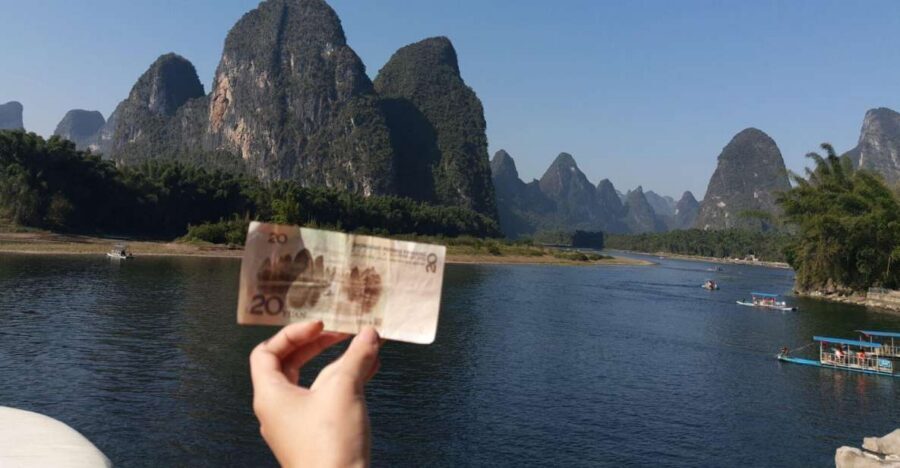
This is a compact experience by design. You get one hour with an English-speaking instructor (plus a Chinese-speaking presence), focused on the core building blocks of Chinese brush art. That’s important in a place like Yangshuo, where your days can fill up fast with boats, bikes, and long transfers. Here, you can squeeze in something cultural without losing half the day.
The lesson is structured around practical skills:
- How to use the paper properly
- How to grind/prep the ink
- How to hold and control the brush
- How to start forming basic Chinese character strokes and techniques
Even if you’ve never held a brush before, the format is meant to get you producing marks quickly. That’s the real value of a private setup: you’re not waiting for a group schedule, and the instructor can adjust pace if your hand feels unsteady or you’re not picking up the movement fast enough.
And yes, there’s a second track besides calligraphy. If you prefer art with more visual storytelling, you can choose a Chinese painting intro. Think of it as an entry-level guide to brush techniques used in classical styles, so you can compare what you’re seeing to how you paint back home.
One more detail that matters: the instruction happens at your hotel lobby (or right where the organizer meets you). That means fewer headaches with directions and less time wasted.
You can also read our reviews of more tours and experiences in Guilin.



Choosing Between Calligraphy and Chinese Painting

You choose what you want to learn: calligraphy or painting. That sounds simple, but it changes the whole feel of the session.
Calligraphy focuses on characters—stroke order, brush pressure, and how to shape lines so they look balanced on the page. You’ll also learn the basics of creating a clean, readable character style. If you’ve ever watched Chinese writing glide across paper, you already know it’s not just writing. It’s art built out of control.
The painting option leans more toward brush work—how masters use the brush to create form and texture. The course can also introduce classical painting styles, so you’re not only painting a random subject. You’re getting the “why” behind the movement, even at an introductory level.
If you’re the type who likes structure, calligraphy tends to satisfy fast because you can see progress in characters. If you want something more visual and expressive right away, painting may feel more rewarding sooner.
Hotel-Lobby Start: Why the Location Makes This Worth It
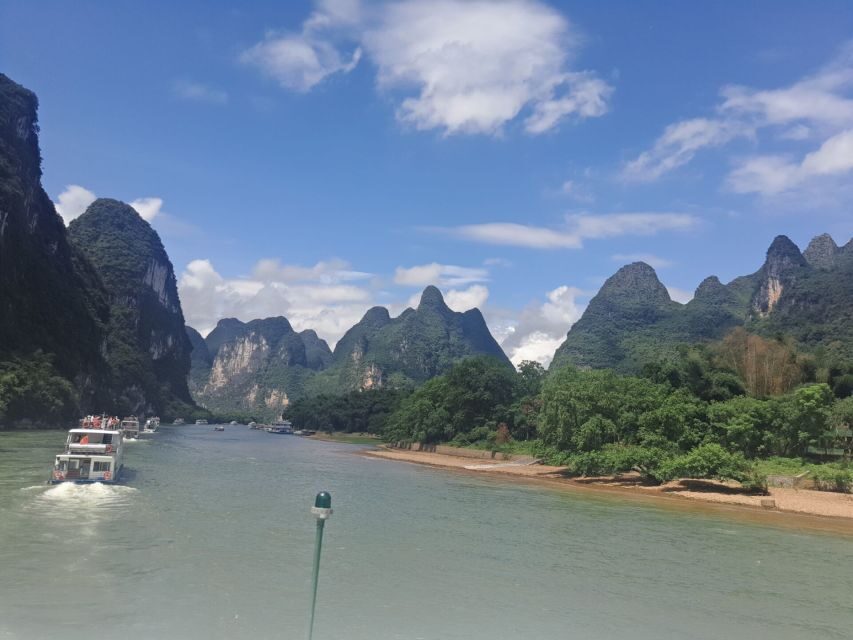
Starting the lesson at your hotel lobby sounds like a small convenience. In practice, it can decide whether you actually do the experience.
Here’s what makes it work:
- You save transport time and hassle
- You can fit it around your breakfast plans, sightseeing, or a late afternoon Li River day
- You show up ready, already dressed for the day
Bring your comfortable shoes. The provider also lists camera, sunglasses, and a sun hat—not because you’ll be outdoors for hours, but because Yangshuo sun can be intense, and you might step outside for a quick meet-up or photo moment.
This kind of lesson is also easier when you’re in familiar surroundings. You’re not trying to find a studio while learning brush control. Your instructor can focus on the technique because everything else is already handled.
One practical upside: because it’s private, you can ask quick questions as you go. If your wrist is tired, you can ask to slow down. If a stroke looks wrong, you can request another guided attempt. That’s how you actually improve within a single hour.
Ink, Brush, and Paper: The Hands-On Part You’ll Remember
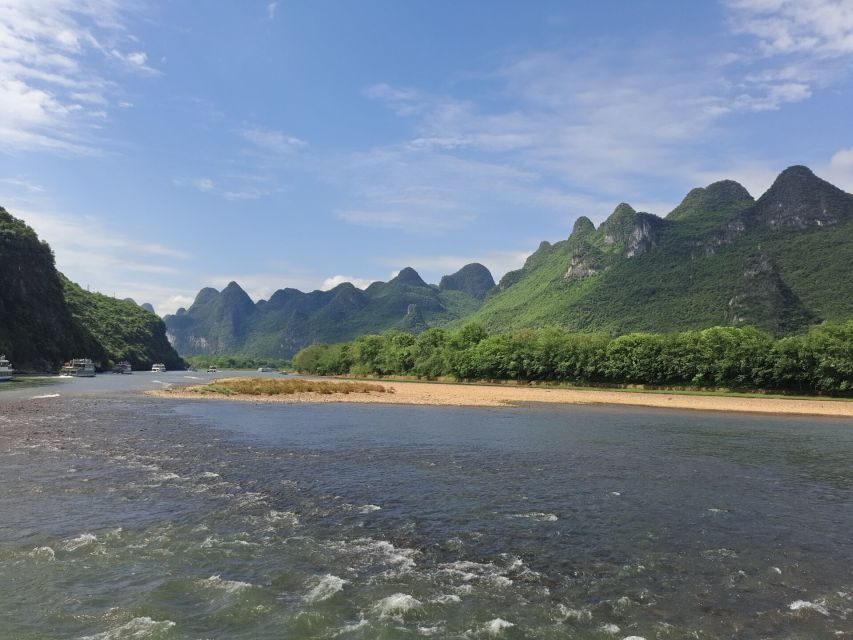
The most valuable part of this lesson is that it’s not passive. You’re taught how to set up the tools and then you practice.
You’ll get instruction on:
- How to grind/prep the ink
- How to use the paper correctly
- How to hold the brush (this is usually the biggest learning curve)
- Basic techniques for writing Chinese character strokes
If you’ve painted before, you might assume “brush control” is the hard part. In Chinese brush art, the hard part is often the relationship between your hand, the brush, and the ink’s behavior on paper. Your teacher helps you build that relationship quickly.
You can expect a demonstration first. Then you’ll be guided to copy the movement. Expect to try multiple strokes, not just one “perfect” character. That’s how brush work training really works: small actions repeated until they look intentional.
This is also where the instructor’s English matters. You’ll get explanations that connect body mechanics to the visual result, rather than just being told to mimic. Learning to control the brush fast is the difference between producing something that looks like random lines and producing something that looks like it belongs in the same style as the masters.
Classical Styles and Brush Techniques: What “Intro” Means Here
The painting side (and sometimes the calligraphy side as well) includes a classical Chinese painting intro. “Intro” is the right expectation. You’re not going to leave with a fully finished traditional scroll in 60 minutes.
But you can leave with something more useful than a single finished piece:
- a sense of how brush technique creates texture and line quality
- a basic introduction to methods used by Chinese masters
- an ability to recognize common brush behaviors when you see them again later
That makes the experience stick. Back home, you can compare what you learned here with your own style. Even if you don’t try painting again, you’ll understand what you’re seeing when you encounter Chinese brush art on signs, posters, or artworks.
If you’re a practicing artist, this is a good “translation lesson.” Brushwork is a language, and the teacher helps you map what you see to what you can do.
And if you’re not an artist, the experience is still worth it because it gives you a real appreciation for the skill behind the beauty. Chinese calligraphy isn’t just decorative. It trains your hand and mind toward calm precision. You’ll see that the moment you focus on strokes.





Price and Logistics: Is $19 Good Value?
At $19 per person for a one-hour private lesson with materials included, this can be strong value—especially if you’d otherwise pay more for private cultural instruction or pay extra to travel to a studio.
The materials are included. That matters because brush art supplies can be easy to misunderstand when you’re new. When the teacher brings everything, you can focus purely on learning rather than hunting down paper and ink.
The optional logistics are the part to plan carefully. You can meet in the Xingping area hotel, but it costs 150RMB extra for transfer fees. That’s not automatically a deal-breaker, but it changes the math. If your schedule already places you near Xingping, it may be worth it. If you’re staying in central Yangshuo, meeting at your hotel lobby is usually the smarter use of time and money.
Also, double-check the “boat ticket” note in the booking details. The operator may ask for your full name and passport number because the booking includes a boat ticket. That’s the kind of small admin item that can delay things if you’re not ready.
Finally, this is a one-hour session. Don’t try to cram it into the moment you arrive in town or the moment you’re rushing to your next transport. Give yourself some breathing room, because when learning brush control, you’ll appreciate time for explanation and redo attempts.
Who This Suits Best (and Who Should Skip It)

This experience fits best if you want a skill you can actually use and not just a quick photo stop.
You’ll likely enjoy it if:
- you want an art lesson that fits into a busy day in Yangshuo
- you like hands-on learning with a private English-speaking instructor
- you’re curious about the difference between calligraphy and painting techniques
- you prefer cultural experiences that happen near where you’re staying
You should consider skipping it if you have altitude sickness. The activity notes say it’s not suitable for people with altitude sickness. If that’s you, choose something else that doesn’t conflict with health needs.
Also, no pets are allowed, so plan accordingly if you’re traveling with animals.
What to Bring and How to Prepare

Preparation is simple, but it matters because you’re practicing fine motor control.
Bring:
- your passport or ID card
- comfortable shoes
- sunglasses and a sun hat
- a camera if you want photos of the process or your results
Don’t bring:
- pets
Before you go, be ready to provide:
- your full name and passport number if the booking requires it for a boat ticket
One more mental prep tip: don’t aim for perfection. Chinese brush art is all about controlled repetition. In one hour, your goal is to learn the basic movement and understanding, not to produce a masterpiece.
Is It Worth Booking? A Practical Recommendation
If you’re in Yangshuo and you want a cultural experience that’s close to your hotel, skill-based, and realistically doable within a tight schedule, I’d say book it.
This is especially attractive if:
- you value private instruction
- you want materials included
- you want to choose between calligraphy or painting
- you’d rather spend time learning than traveling
Skip or reconsider if:
- you’re sensitive to health factors noted for altitude sickness
- you don’t want to deal with ID/passport details tied to the booking process
- you’d rather do free-form shopping or sightseeing instead of an instruction session
FAQ
How long is the Chinese calligraphy or painting lesson?
The lesson lasts 1 hour.
What can I choose during the lesson?
You can choose either a Chinese calligraphy lesson or a Chinese painting lesson.
Where does the lesson start?
It starts at your hotel lobby.
What’s included in the price?
A private teacher and all calligraphy/painting materials are included.
What does the instructor teach?
You’ll be guided through technique basics like using the paper, grinding/prepping the ink, holding the brush, and learning fundamental techniques for Chinese characters. If you choose painting, you’ll also get an introductory brush-method lesson in classical styles.
Does it cost extra to meet in the Xingping area?
Yes. You can go to the Xingping area hotel, but you’ll pay 150RMB extra for transfer fees.
What languages are used during the lesson?
The instructor speaks English and Chinese.
What should I bring?
Bring your passport or ID card, comfortable shoes, sunglasses, a sun hat, and a camera.
Are pets allowed?
No, pets are not allowed.
Is there anything I need to know before booking?
You may need your full name and passport number for a boat ticket booking tied to the overall plan.