REVIEW · SHANGHAI
Shanghai Coffee & Breakfast Tour
Book on Viator →Operated by Lost Plate · Bookable on Viator
Shanghai mornings are for eating, not rushing. This Old Shanghai breakfast and coffee walking tour pairs local street foods with specialty coffee stops, then finishes with an included visit to Xiahai Temple.
I like that it’s built for real community life: you move through morning neighborhoods where people actually start their day, not just photogenic streets. I also love the structure of the tasting—10 breakfast dishes across multiple stops, with coffee drinks and tea so you leave comfortably full.
One consideration: this is a bread-and-staples type tour. If you’re avoiding gluten or eating strictly vegan, you’ll likely struggle, since the food mix is not designed around those diets.
In This Review
- Key things that make this tour work
- Old Shanghai breakfast is about everyday routines, not just food
- Wuding Road and the coffee-culture contrast
- The 10 breakfast dishes: expect variety, not one big meal
- What the stops are really doing for you
- Xiahai Temple: a quiet ending with included admission
- How the 3-hour timing and 2 km walking feel in real life
- Small-group format: why it changes the whole experience
- Price and value: $65 for breakfast, coffee, and a temple visit
- Who should book this tour
- Should you book this Shanghai Coffee & Breakfast Tour?
- FAQ
- How long is the Shanghai Coffee & Breakfast Tour?
- What’s the walking distance and what should I wear?
- Where does the tour start and where does it end?
- What’s included in the food and drinks?
- Do you have a vegetarian option?
- What’s the cancellation policy?
Key things that make this tour work
- Small group of 10 or fewer means you actually get answers and guidance while you eat
- Over 6 stops and 10 breakfast dishes in about 3 hours keeps things active but not chaotic
- Coffee + tea are included, not just a single token drink
- Xiahai Temple entrance included adds a quieter cultural beat to a food-heavy morning
- About 2 km of walking on comfortable-shoes territory for most people
Old Shanghai breakfast is about everyday routines, not just food
This tour is at its best when you treat breakfast like a window into daily life. Old Shanghai is full of courtyard and community spaces, and the morning rhythm there is different from what you see in polished tourist districts. You’re walking through the kinds of blocks where people pop in and out of small eateries, trade small talk, and grab something quick before work.
That matters because you’re not only sampling dishes—you’re learning how and where people fit food into their schedule. The guide’s goal is to explain daily routines and local neighborhood culture as you go, so each bite has context.
You’ll also notice the pacing. In a good food tour, you don’t want to wait around too long, and you don’t want nonstop standing. Here, the plan is to keep you moving through a series of short stops so you can taste, ask questions, and still feel like you saw real corners of the city.
A few more Shanghai tours and experiences worth a look


Wuding Road and the coffee-culture contrast

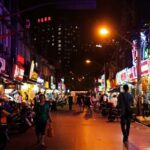
Your walk begins on Wuding Road, and that’s a smart choice. Shanghai has an impressively high density of coffee shops, and the city’s artisanal coffee scene has helped push modern café culture forward. At the same time, the area still holds onto longstanding street-food habits and older local restaurants.
That blend is the theme: modern coffee alongside classic breakfast. You’ll likely see how the neighborhood can support both. One stop might feel more like a café, while the next might feel like you stepped into a morning line of people ordering without overthinking it.
This is where you get the “why” behind the coffee trend. Instead of treating coffee like a trendy add-on, the tour frames it as part of how Shanghai is changing, block by block, while daily food traditions keep going.
Tip for your breakfast brain: pace yourself. Specialty drinks tend to arrive along with food tastings, and you can easily overdo it if you’re chasing every bite like it’s a contest. Take a breath, taste, then move.
The 10 breakfast dishes: expect variety, not one big meal
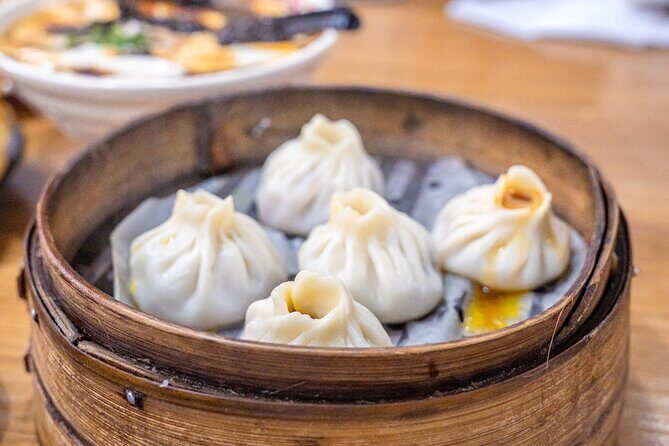
A highlight of the experience is the total tasting approach. You’ll stop at six-plus eateries and sample 10 popular breakfast dishes, with food enough for what feels like a hearty brunch spread. On top of that, there are two specialty coffee drinks and a pot of tea across 7 different stops.
The tour also calls out a few specific favorites you can plan around:
- Beef pancakes
- Savory crepes
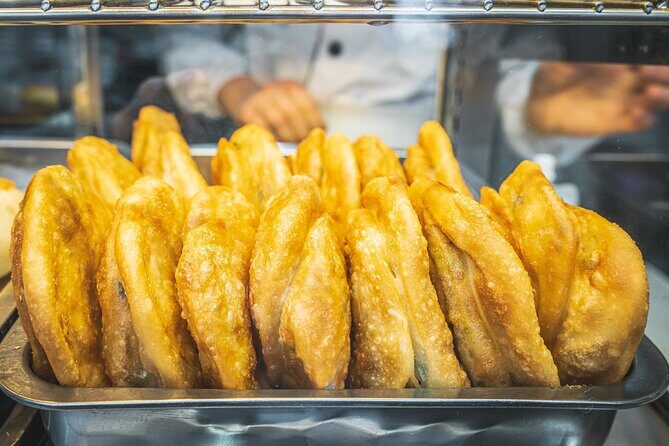
- Doughnut sticks
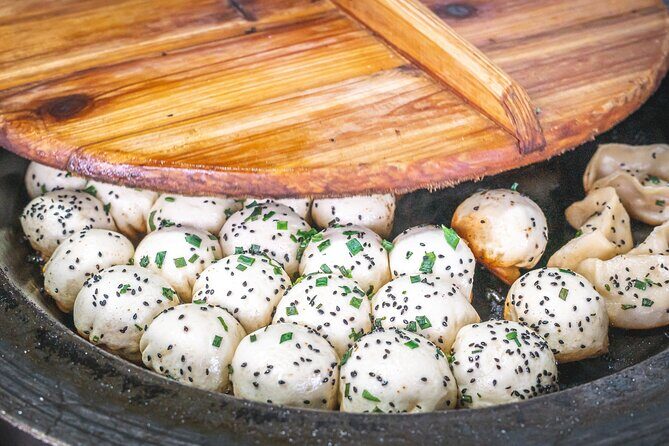
Those aren’t just random picks. They’re the kinds of portable, cook-to-order breakfast items that make sense in a city where mornings move fast. And they’re a great way to compare texture and fillings across different stalls—some items focus on savory dough and fillings, while others are more snack-like and meant to be picked up and eaten on the go.
You should also remember that this tour is not designed for strict diet rules. It’s explicitly noted as not recommended for gluten-free or vegan diets. If that’s your situation, you’ll want to think carefully before booking, because the bread-and-dough style breakfast lineup is likely to include ingredients you’ll need to avoid.
What I find helpful to keep expectations realistic: you’re tasting a lot of items, but you’re not expected to eat full restaurant portions of everything. The goal is variety across stalls, so your stomach ends up grateful instead of angry by the finish.
What the stops are really doing for you
Since the tour involves multiple stops spread across the neighborhood, the value isn’t only in what you eat—it’s in how each stop “teaches” you something about Shanghai breakfast culture.
Here’s what you can expect from the rhythm:
- You start with the feeling of the neighborhood and the breakfast vibe.
- You move through a chain of small tastings where each stop is a different style of breakfast.
- You end with a cultural anchor at Xiahai Temple, which helps balance the food focus with a calmer pace.
One advantage of a small group is that you can follow the guide’s explanation without losing your place in line or in space. With 10 people or fewer, questions don’t get swallowed, and you’re less likely to feel like you’re herding yourself through narrow storefronts.
Guides like Jia Chen and Anis are specifically praised for being friendly and for sharing history and local context as you go. That kind of commentary matters because breakfast food is usually learned through repetition—people grow up eating it. A good guide translates that “insider knowledge” into something you can understand in one morning.
Xiahai Temple: a quiet ending with included admission
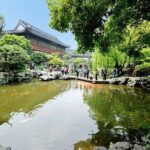
After the food stops, you’ll reach Xiahai Temple, and entrance fees are included. This is a nice change of tempo. After eating and walking, you get a cultural pause that helps you reset your senses.
Temples in Shanghai can feel surprisingly grounded compared with the city’s fast pace. Even if you’re not a deep architecture person, you’ll likely appreciate having a clear endpoint to the morning that doesn’t just keep expanding into more food.
Also, the included admission is a small but real convenience. You avoid the “did we factor in entry?” stress and can focus on enjoying the final stretch.




How the 3-hour timing and 2 km walking feel in real life
The tour runs about 3 hours and includes around 2 km of walking. That’s a manageable distance, especially since the stops break up the walk so you’re not dragging your way through a long stretch all at once.
Start time is 8:30 am, which is ideal for two reasons. First, you’re eating during a time when breakfast stalls are fully awake. Second, you’re back early enough to use the afternoon for museums, shopping, or wandering.
You’ll also want to plan around morning foot traffic and the practical note about rush hour. The tour says traffic during rush hour can add time, so if you’re taking transit to the meeting point, give yourself a little buffer.
Meeting and ending points are also transit-friendly. The start is near 曹家渡新洲区武滨南路39号 and the tour ends about a 10-minute walk from Changping Road Subway Station. That means you can usually line up your next plans without a complicated taxi ride.
Small-group format: why it changes the whole experience
The tour caps at max 10 travelers. That’s not just a comfort detail—it affects how the tour works.
In a smaller group, you:
- get more personalized guidance as you move between places
- have an easier time hearing explanations while food is being served
- feel less pressure to keep up at each stall
This matters most with street-food style tastings, where lines can form and storefront space can be tight. Small group size helps you stay relaxed, and you’re more likely to remember what you ate and why.
The tour also includes bottled water, which is one of those “small inclusion, big impact” items. When you’re eating dough, savory items, and coffee, water makes you feel human instead of sticky and sluggish.
Price and value: $65 for breakfast, coffee, and a temple visit
At $65 per person, the value comes from the combination: multiple food and coffee tastings plus a cultural stop, all in a tight morning window.
Here’s what you’re getting for your money:
- Over 6 stops of food and coffee
- enough food for a hearty breakfast/brunch experience
- two specialty coffee drinks plus tea
- entrance included to Xiahai Temple
- a local English-speaking guide
- bottled water
If you’ve paid separately for breakfast around Shanghai and then added coffee and an entry ticket, the math tends to climb fast. This tour bundles those pieces into one plan, and the small group keeps the quality of attention higher than what you’d get from a huge group rushing from place to place.
Worth noting: the tour is priced as a guided experience. That’s where the value is—learning the neighborhood context while you eat. If you want a simple do-it-yourself food crawl, you can find listings of popular breakfast spots. But if you want a guided flow with commentary and an end point, the $65 starts to look fair.
Who should book this tour
This is a great fit if you want:
- a guided Old Shanghai morning that mixes local stalls with modern café culture
- a big tasting menu in a short time
- a small-group format where you can ask questions
- a calm cultural finish at Xiahai Temple after you’re done eating
It also explicitly says most travelers can participate, and a vegetarian option is available if you request it when booking. That’s a helpful detail if you don’t eat meat but still want the breakfast experience.
If you’re gluten-free or vegan, you should skip this one unless you’re confident you can navigate the food lineup safely on your own. The tour is explicitly not recommended for those diets, and breakfast here leans heavily on dough-based classics.
Should you book this Shanghai Coffee & Breakfast Tour?
If you’re the type who loves eating your way through a neighborhood, I’d book it. The format is practical: 3 hours, small group, tastings that add up, and a temple visit that gives your morning structure.
Before you go, do two things:
- Plan on walking and wear comfortable shoes. You’ll cover about 2 km, and you’ll be on your feet between tastings.
- Decide your diet needs early. If you need vegetarian, request it. If you’re gluten-free or vegan, think twice and look for a more suitable tour.
If that sounds like your kind of Shanghai morning, this one offers a solid blend of food, coffee culture, and neighborhood context without turning into a long, exhausting day.
FAQ
How long is the Shanghai Coffee & Breakfast Tour?
It’s about 3 hours.
What’s the walking distance and what should I wear?
Plan for around 2 km of walking. Wear comfortable walking shoes.
Where does the tour start and where does it end?
It starts at 珀莱雅化妆品店 on 曹家渡新洲区武滨南路39号. It ends about a 10-minute walk from Changping Road Subway Station.
What’s included in the food and drinks?
You’ll have tastings across 6+ food and coffee stops, with enough food for a hearty breakfast. The tour also includes two specialty coffee drinks and a pot of tea, plus bottled water.
Do you have a vegetarian option?
Yes. A vegetarian option is available if you advise the provider at the time of booking.
What’s the cancellation policy?
You can cancel for a full refund up to 24 hours before the experience’s start time. If you cancel less than 24 hours before, the amount you paid isn’t refunded.