REVIEW · SHANGHAI
Shanghai Half Day Morning or Afternoon Sightseeing Tour
Book on Viator →Operated by Hantang International Travel Service · Bookable on Viator
Shanghai can feel like a million places at once. This half-day tour gives you a smart slice of it, with hotel pickup and classic stops matched to the time you choose.
I really like that you can pick a morning plan for temples and museums or an afternoon plan for gardens, craft shops, and the waterfront. I also appreciate how the schedule packs in the big-name Shanghai hits without turning the day into a full travel slog.
My only caution is that parts of the tour center on pearl and silk production, and those stops can feel like extra shopping time if that’s not your thing.
In This Review
- Quick take: what you’ll notice fast
- Morning vs Afternoon: which Shanghai highlights you get
- Hotel pickup and a tight 4-hour loop: the logistics that matter
- Shanghai Museum and People’s Square: a strong start in the morning
- Jade Buddha Temple: Burma jade, candlelit calm, and quiet awe
- Fresh Water Pearl Gallery: learning the process, then facing the shop reality
- The Bund and waterfront timing: old Shanghai meets skyline views
- Yu Garden and Yu Yuan Old Street: classic Ming-era scenery and souvenir chaos
- Silk Factory and the French Concession: traditional craft plus modern streets
- English guide quality, pace, and communication: how to get the most out of it
- Price and value at $53 for a half day: is it a good deal?
- Who should book this Shanghai half-day tour?
- Should you book it?
- FAQ
- Can I choose a morning or afternoon departure?
- How long is the tour?
- Is hotel pickup and drop-off included?
- Does the price include admission tickets?
- Are meals included?
- Is there an English-speaking guide?
- What does the morning itinerary include?
- What does the afternoon itinerary include?
- What happens if I’m touring on a Monday?
- What if Shanghai Museum is closed for decoration?
Quick take: what you’ll notice fast
- Pick your route: morning focuses on Jade Buddha Temple, Shanghai Museum, and People’s Square; afternoon leans to Yu Garden, Old Street, and the Bund.
- Hotel pickup helps: you start from your city-center hotel in an air-conditioned vehicle.
- Craft stops are real: Fresh Water Pearl Gallery and a Silk Factory are scheduled, so decide your comfort level with product-focused visits.
- Mondays change things: Shanghai Museum and Yu Garden have closures, and the itinerary swaps to other sites.
- Timing depends on crowds: lines (especially around Shanghai Museum) can shorten what you do on-site.
Morning vs Afternoon: which Shanghai highlights you get
This tour is built around a simple choice: morning departure or afternoon departure. Either way, you’re in a guided loop that hits major landmarks, but the emphasis shifts.
On the morning option, you’ll go for spiritual Shanghai and civic landmarks: Jade Buddha Temple, Shanghai Museum, People’s Square, and a Fresh Water Pearl Gallery stop. The vibe is quieter and more “day-start” friendly, with time to see temple interiors and museum collections before the city gets heavy with heat and crowds.
The afternoon option is more scenic and photo-friendly. You start with Yu Garden, then move into Yu Yuan Old Street, and finish with the Bund and entertainment areas like Xintiandi (plus a stop at a Silk Factory along the way). If you like classic architecture and skyline views, this is the route that usually feels most rewarding.
You can also read our reviews of more tours and experiences in Shanghai.


Hotel pickup and a tight 4-hour loop: the logistics that matter
The tour runs about 4 hours, which is both the magic and the challenge. You get an overview quickly, but you don’t have the luxury of wandering until you feel finished.
Transportation is by an air-conditioned vehicle, and pickup/dropoff is included from your hotel in the city center. In practice, that pickup can take time when multiple hotels are involved. One review-style experience described pickup delays that stretched well past the expected start, so I’d plan to be flexible if your hotel is one of the later stops.
Group sizes can also vary. Some experiences felt small and easy to manage, while others mentioned communication issues like not everyone hearing the guide clearly. If you’re sensitive to audio, sit where you can hear best, and don’t be afraid to ask the guide to repeat key points.
Shanghai Museum and People’s Square: a strong start in the morning
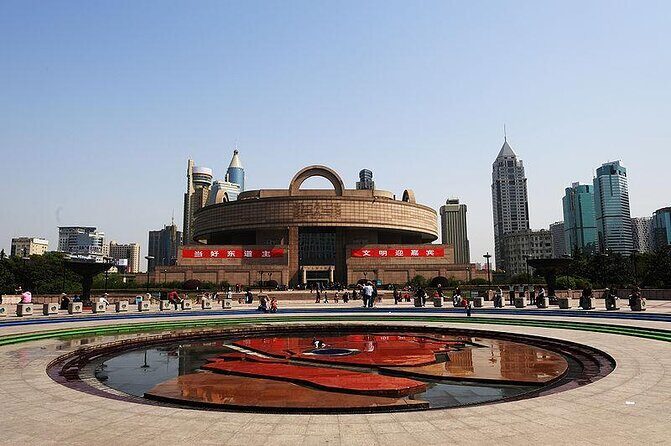
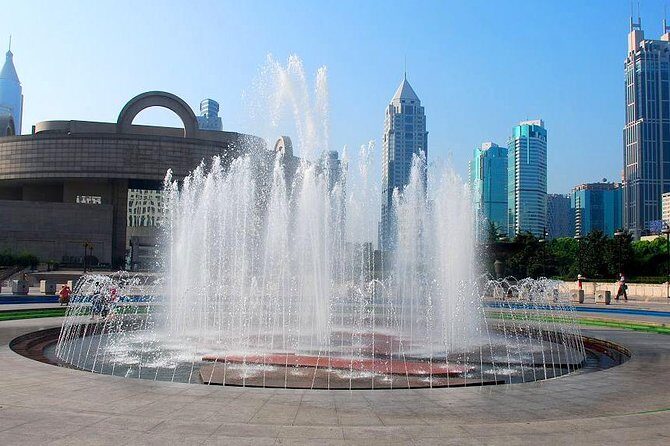
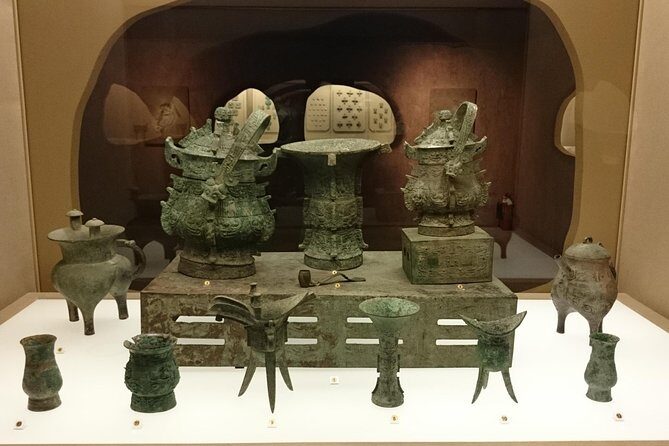
If you pick the morning itinerary, Shanghai Museum is a main event, and the building itself is part of the story. It’s designed in a way that follows Feng Shui principles, and the museum holds a major permanent collection along with rotating exhibitions.
The practical note: museum time can be affected by crowds and lines. More than one experience mentioned long waits that changed how much they actually saw. If you’re the type who wants to walk slowly through galleries, go in with the mindset that this tour is a highlight-and-structure visit, not a full museum day.
From there, you’ll head to People’s Square, a broad green area surrounded by big city landmarks. One of the more memorable details here is that you can feed the doves to pray for peace. It’s quick, but it’s one of those small cultural moments that helps “Shanghai” feel less like just buildings on a map.
A key schedule detail: Shanghai Museum is closed every Monday, and the tour swaps the visit to M50 Art Zone on those days. If your trip includes a Monday, this is worth factoring in, since modern art and contemporary zones can feel like a different mood than a classic museum day.
Jade Buddha Temple: Burma jade, candlelit calm, and quiet awe
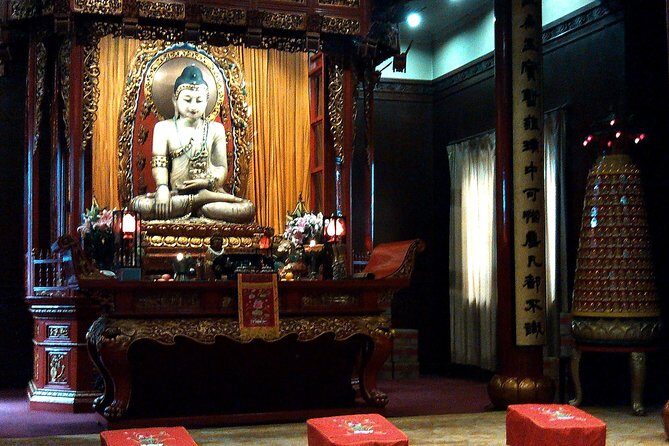
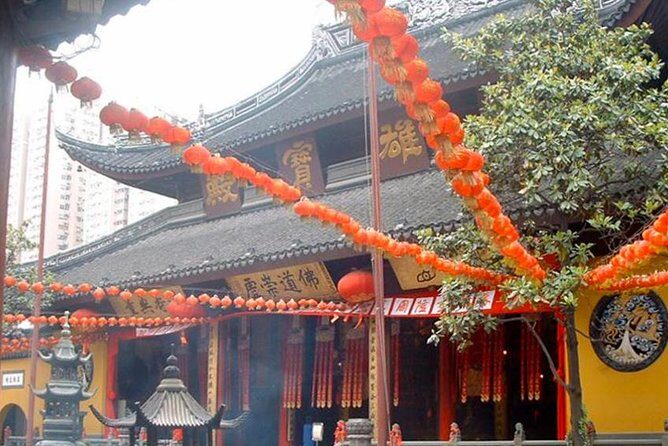
Next up in the morning: Jade Buddha Temple. It was built during the Guangxu period of the Qing Dynasty (dated 1875–1909), and it’s known for a collection of jade statues from Burma.
This stop is the one that tends to feel most grounding in a short itinerary. The interiors are where you slow down a bit, take a breath, and notice details you’d miss if the pace were only about photo stops. Even when a tour moves fast, temples often create their own pace because the spaces ask for it.
If you’re coming to Shanghai for a first taste of religion and craftsmanship—without committing a full day—this temple is a great anchor. Just remember: it’s still a guided loop, so you’ll want to ask your guide where the best photo angles are before people start moving on.
Fresh Water Pearl Gallery: learning the process, then facing the shop reality
In both the structure of the morning itinerary and the tone of multiple experiences, pearl education is a big scheduled moment via the Fresh Water Pearl Gallery. The tour frames it as learning the complex process of pearl cultivation, which can be genuinely interesting if you like production stories and hands-on craft explanations.
That said, this is also the part where expectations can clash. Several experiences pointed out that the time spent around pearl-related shopping could feel long. One person even described being essentially shepherded into shops for spending rather than staying with the main attractions.
My practical advice: treat the pearl stop as educational first. If you’re not interested in buying jewelry, you can still enjoy the process talk, but be mentally prepared that time may be allocated for gallery-related retail. Bring water, keep a neutral pace, and let the guide know you prefer a quick look if shopping isn’t your priority.


The Bund and waterfront timing: old Shanghai meets skyline views
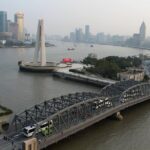
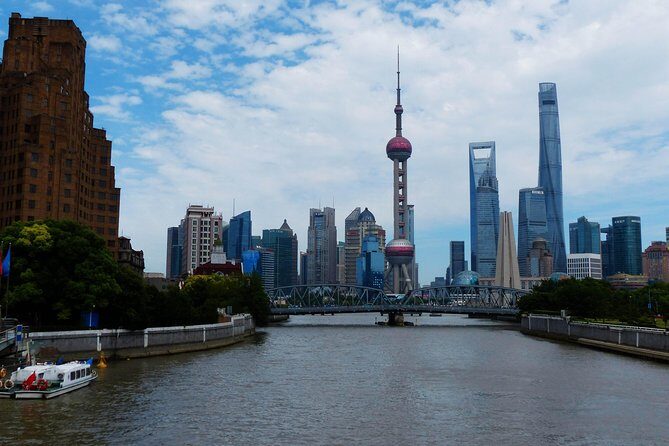
In the afternoon option, The Bund is one of the best “Shanghai in one glance” stops. It’s a 4-kilometer waterfront stretch that has long served as a symbol of old and new Shanghai, and it’s one of the city’s most famous photo areas.
Even with limited time on the schedule (it’s listed as about 30 minutes), it usually delivers. You get landmark views and a sense of the city’s scale without needing to plan an entire evening around it. If you want skyline photos, prioritize getting to a good viewpoint early in the stop, since the crowd rhythm can change quickly.
One more practical note: afternoon tours can overlap with busy periods, so walking pace matters. If your group is separated, the best move is to stay close to the guide. A couple experiences highlighted the importance of not getting lost when crowds or group spacing make it hard to see the guide.
Yu Garden and Yu Yuan Old Street: classic Ming-era scenery and souvenir chaos
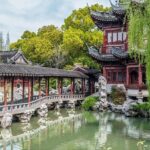
The afternoon starts with Yu Garden (Yuyuan), where you’ll see halls, springs, and buildings connected to the Ming Dynasty era (1368–1644). It’s a compact, atmospheric place where the architecture and water features create a calmer rhythm than the surrounding city.
A common experience pattern is that people wish they’d had a little more time here, mainly because garden time feels different from museum time. If your tour moment feels rushed, it’s not always your fault—this is simply how a half-day schedule behaves.
Next door is Yu Yuan Old Street, a bazaar surrounding the garden with Ming Dynasty architecture. The buildings are said to be about 500 years old, and the area functions like a shopping-and-snacking corridor built around old-style streets.
If you enjoy browsing, this stop can be fun. If you dislike crowds and shopping pressure, keep your goals simple: walk the key lanes, take photos, and move on. Think of it as a sensory corridor rather than a deep cultural experience.
Monday adjustment: Yu Garden is closed every Monday, and the tour swaps in City God Temple and Yuyuan Bazaar instead. That change can be useful, but it’s still not the same as walking Yu Garden itself—so check your day-of-week before you fall in love with a specific plan.
Silk Factory and the French Concession: traditional craft plus modern streets
The afternoon itinerary includes a stop at a Silk Factory, described as a well-established place where silk has been produced for hundreds of years. Some people love these craft-production explanations. Others feel the stop is less interesting than the temples and waterfront.
If you’re deciding whether to book the afternoon, your attitude toward silk and production demonstrations will affect how the tour feels overall. I’d view it as part cultural education, part showroom time—so go in expecting a guided talk and a structured visit.
From there, you’ll head toward Shanghai’s French Concession, known for tree-lined streets and an entertainment-focused area. The tour then continues to Xintiandi, where preserved brick buildings from old French court surroundings have been transformed into trendy areas with clubs and places to rest.
This is a good segment for people who want to feel how Shanghai layers eras together: classical streets and preserved architecture next to nightlife energy. Even with short time blocks, it helps you understand the city beyond just monuments.
English guide quality, pace, and communication: how to get the most out of it
The best experiences here heavily credit the guide. Names like John, Frank, Alina, Alena, and Evan came up repeatedly, and several experiences praised clear explanations and good storytelling tied to each location.
But the not-so-great side is also real. A couple experiences mentioned a guide who was hard to understand, and one described issues like spending a large chunk of time around pearl and silk shops. There was also mention of pace problems—like commentary moving too fast—or a lack of a microphone so some people couldn’t hear well.
Here’s what you can do. Stay near the front or where the guide’s voice projects best. If you want maximum value, ask one question at the start of each stop: what should I notice first here? That small move often turns a short visit into something memorable.
Price and value at $53 for a half day: is it a good deal?
At $53 per person for about 4 hours, this tour feels most valuable when you count what’s included. You’re getting an English-speaking guide, an air-conditioned vehicle, hotel pickup and dropoff, and admission tickets.
Meals are not included, so you’ll want snacks or a plan for lunch/dinner afterward. But the big cost you avoid is the hassle and expense of arranging multiple individual trips across the city—especially when sites are spread between older neighborhoods and the waterfront.
When it feels like great value is when you want a first-pass overview. You leave knowing where the key sights are and what vibe each area has. When it feels less worthwhile is when you personally dislike craft-shop stops or when museum lines cut into time. In a half-day schedule, those factors matter more than on a full-day tour.
Who should book this Shanghai half-day tour?
This works best for:
- First-time visitors who want major landmarks in one guided loop
- People who like both temples and city views, especially if you choose the afternoon for the Bund and Yu Garden
- Travelers who don’t mind production-focused visits like pearls and silk
It may not fit well if:
- You want a strict museum-only day and hate retail-adjacent stops
- You’re easily frustrated by line delays or short visit time
- You need precise timing and can’t handle potential pickup inefficiency
Also, note the tour structure can change on Mondays due to closures. If your schedule is tight, double-check your day-of-week so you’re mentally ready for the swaps (M50 Art Zone instead of Shanghai Museum; City God Temple and Yuyuan Bazaar instead of Yu Garden).
Should you book it?
If you want a simple, guided way to get your bearings fast in Shanghai, this is a solid option. I especially like the morning plan if you want Jade Buddha Temple and a museum anchor, and the afternoon plan if you’re aiming for Yu Garden, the Bund, and the classic-to-modern city mix.
Book it if you’re okay with pearl and silk production stops being part of the day. Skip it—or at least consider switching to a different tour—if you strongly prefer pure sightseeing and little-to-no retail time, because the schedule clearly allocates attention to Fresh Water Pearl Gallery and a Silk Factory.
If you go, bring water for warm days, stay close to the guide, and use your limited time to ask what to focus on first at each stop. That’s the difference between seeing Shanghai and feeling like you understand it.
FAQ
Can I choose a morning or afternoon departure?
Yes. You can pick either the morning or afternoon half-day tour, and the main sights differ by time of day.
How long is the tour?
The duration is about 4 hours.
Is hotel pickup and drop-off included?
Yes. The tour includes hotel pickup and drop-off in the city center.
Does the price include admission tickets?
Yes. Admission tickets are included.
Are meals included?
No. Meals are not included.
Is there an English-speaking guide?
Yes. The tour includes an English-speaking tour guide.
What does the morning itinerary include?
The morning option includes Shanghai Museum, People’s Square, Jade Buddha Temple, and a Fresh Water Pearl Gallery stop.
What does the afternoon itinerary include?
The afternoon option includes Yu Garden, Yu Yuan Old Street, a Silk Factory stop, and the Bund, plus stops in entertainment areas including Xintiandi.
What happens if I’m touring on a Monday?
Shanghai Museum is closed on Mondays, and the tour visits M50 Art Zone instead. Yu Garden is also closed on Mondays, and the tour visits City God Temple and Yuyuan Bazaar instead.
What if Shanghai Museum is closed for decoration?
If Shanghai Museum is closed for decoration (listed as October 8, 2023 to December 31, 2023), the tour visits Shanghai History Museum instead.