REVIEW · XI AN
Xi’an: Terra-Cotta Warriors Entry with Optional Guide
Book on GetYourGuide →Operated by Andy's private china tours · Bookable on GetYourGuide
Clay soldiers still feel unreal. That’s why this Xi’an visit works so well.
This Terracotta Warriors outing puts pre-booked entry and an option for a local guide front and center, so you can focus on the actual site instead of ticket stress. I like how the timing is flexible, too, because you can fit it into a busy Xi’an itinerary without turning your day into a logistics puzzle.
What I like most is the mix of private transport (when you choose it) and the option to go guided or self-guided. The second big win is the on-the-ground context you get at one of China’s most famous museums, where details like pit layout and the scale of the figures matter a lot.
One thing to consider: this experience is centered on one major stop. If you’re hoping for a broad Xi’an day with multiple attractions and wandering, you’ll want to pair this with other plans.
In This Review
- Key things to know before you go
- Terracotta Warriors: why a plan matters here
- Getting to the museum: your time in Xi’an stays yours
- What you’ll see at the Terracotta Warriors and Horses Museum
- The museum layout you should mentally prepare for
- Guided vs self-guided: choose the right kind of support
- If you choose the guided option
- If you choose self-guided
- Your half-day timing: 2 to 7 hours, and why that range exists
- Price and value: is $188 per person worth it?
- Practical tips that make the museum visit better
- Go in with a few questions
- Wear for walking and standing still
- Don’t over-plan your day around this
- If you’re bringing mobility needs, plan with confidence
- Who this Terracotta Warriors experience is best for
- Should you book this private entry tour?
- FAQ
- How long is the Terracotta Warriors experience?
- Do I have the option for a guided tour?
- How much time do I get at the museum for the self-guided option?
- Is transport included?
- Is an English-speaking guide included?
- Where is pickup?
- What languages are available?
- Is the experience wheelchair accessible?
- What’s the cancellation policy?
Key things to know before you go
- Pre-booked museum entry helps you avoid ticket-day headaches.
- Guided or self-guided lets you match your pace, from 2.5 hours on site to a longer half-day flow.
- Private group + optional pickup means less waiting around and more control.
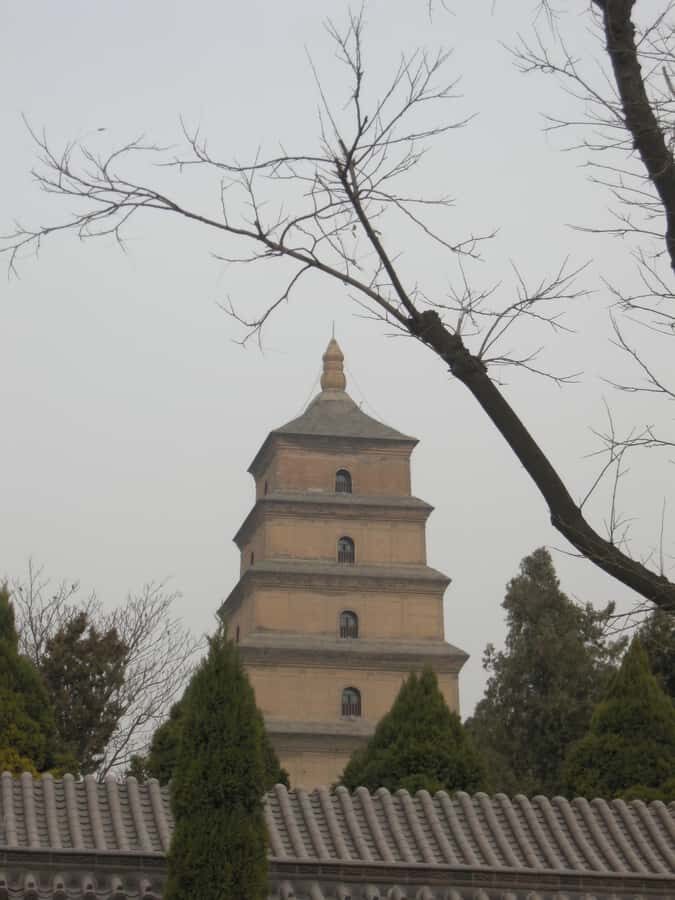
- You’re seeing Qin Dynasty scale up close, including the museum’s famous pit layout.
- English-speaking guide option is great if you want help noticing the facial variety and formation logic.
- Wheelchair accessible makes the visit easier to plan for more mobility needs.
Terracotta Warriors: why a plan matters here
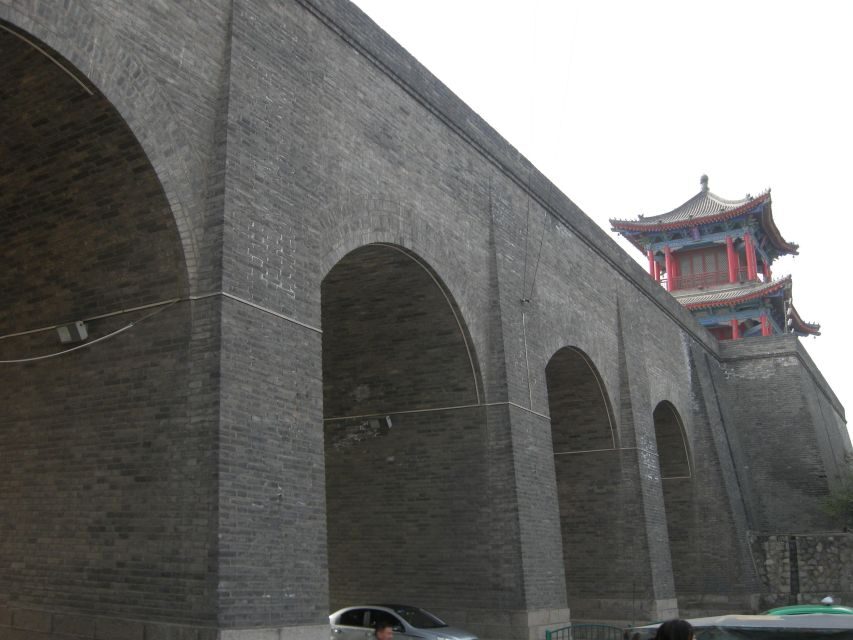
Xi’an used to be the power center of China, sitting as the imperial seat for more than 10 dynasties across about 1,000 years. When you visit the Terracotta Warriors and Horses Museum, you’re stepping into the legacy of Emperor Qin Shihuang, the ruler who unified China. And yes, it’s famous for a reason.
But here’s the practical truth: the site is big, the lines can be unpredictable, and the details can blur if you’re just trying to read everything on your own. A tour format that includes ticket booking support and a clear on-site plan helps you get your bearings fast and spend your time where it counts.
Another smart part of this experience is that you’re not just walking in hoping for the best. The structure is set up around a museum visit that can run roughly 4–5 hours for the full half-day tour depending on the option you choose. That’s long enough to see the main pits and still feel like you had time, not like you got rushed through.
You can also read our reviews of more guided tours in Xi An


Getting to the museum: your time in Xi’an stays yours

The experience starts with pickup that depends on what you select. If you choose the transfer option, you’ll ride in an air-conditioned car or minivan, which is a real comfort win in Northwest China when the weather swings.
That matters more than people think. Xi’an traffic and distances can turn a simple outing into a half-day you didn’t mean to spend. With transport handled, you can focus on the one goal: reaching the Terracotta Warriors with a calm plan.
If you don’t pick up a transfer, you can still make it work as an independent traveler, but you’ll want to build extra buffer for timing. The key is that this experience is designed to be flexible. You choose the pace and level of support.
What you’ll see at the Terracotta Warriors and Horses Museum
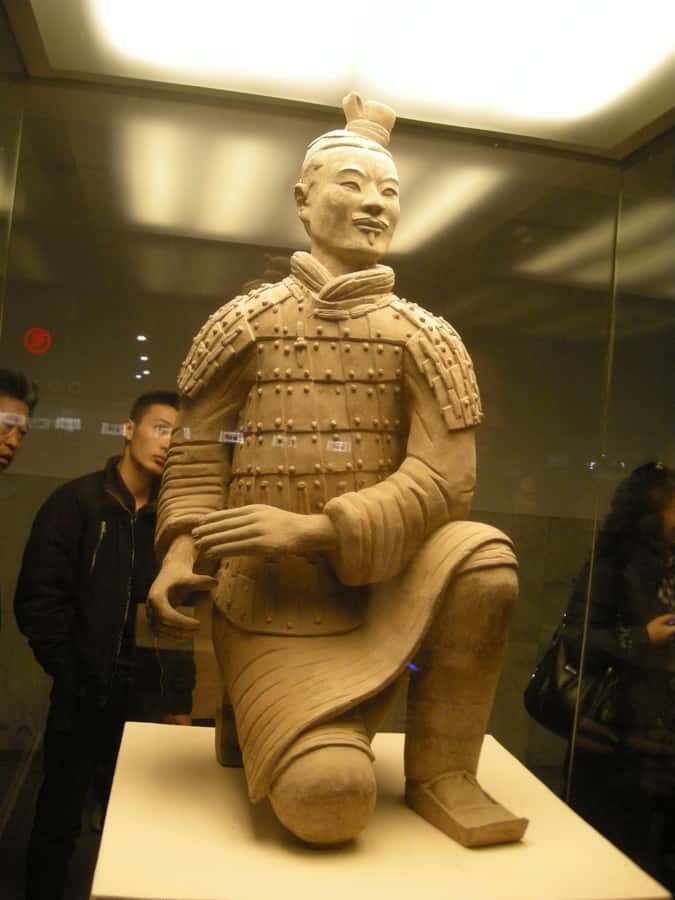
This museum is built around one of archaeology’s most mind-bending discoveries: life-sized Qin Dynasty-era soldiers and horses uncovered starting in 1974. The warriors are located to the east of Emperor Qin Shihuang’s tomb, where the man who first unified China is buried.
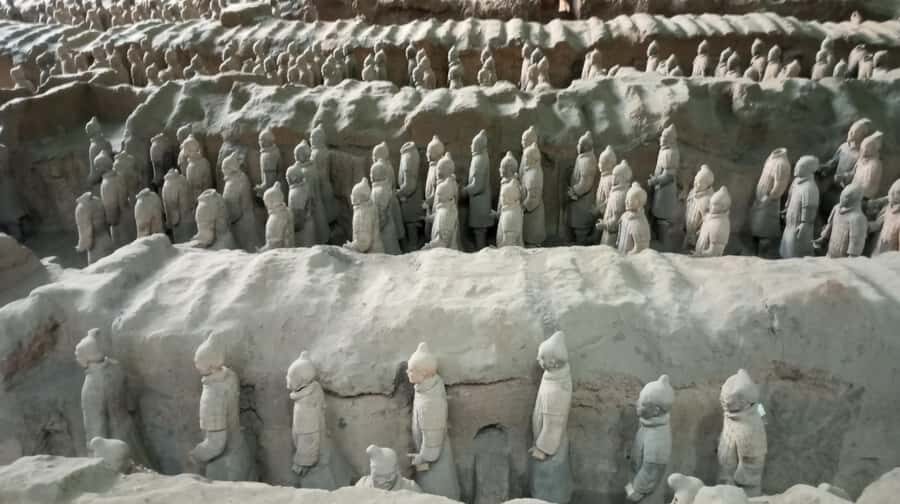
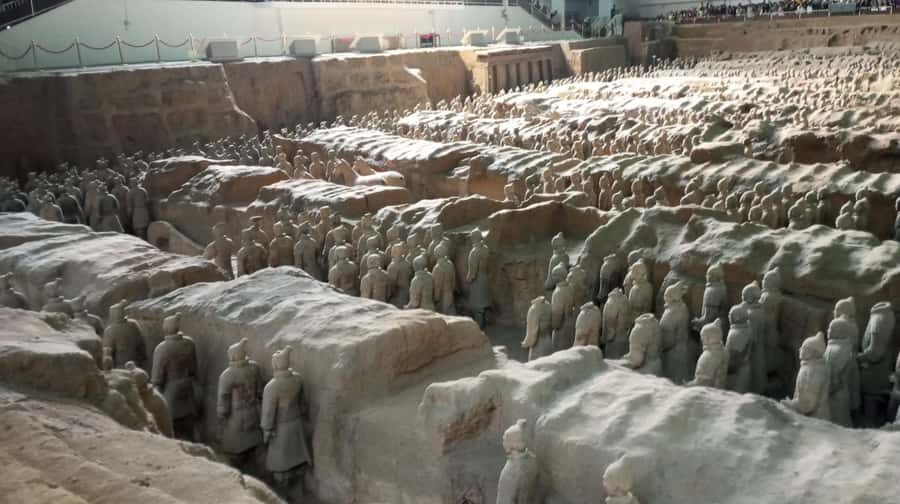
At the heart of the experience are the pits. The museum presents multiple excavation pits, with No. 1 pit being the largest. It contains more than 6,000 clay warriors and horses arranged in 11 corridors that sit about 3 meters deep. Seeing how they’re laid out is part of the magic, because it turns thousands of figures into one coordinated scene.
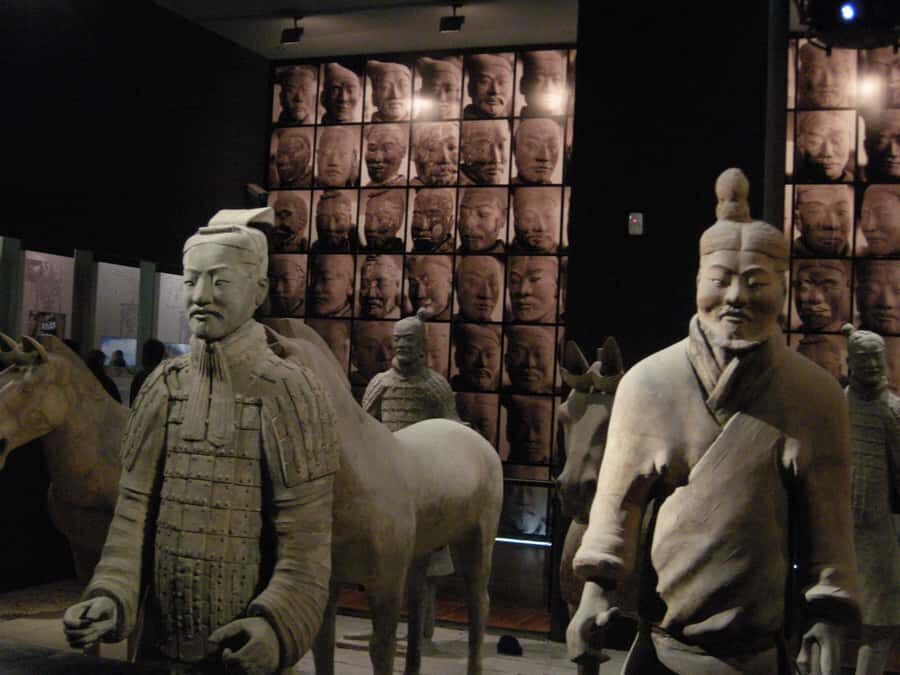
One of the most compelling details is the sheer variety of faces. The warriors face east in an oblong battle formation, and the individuals look determined—different expressions, different features, and the overall sense that this isn’t a random collection of statues. It’s closer to an organized army tableau meant to project power and resolve.
You’ll also hear the scale described in numbers that can feel exaggerated until you’re there. The collection is often talked about as including over 8,000 life-size model soldiers across the pits, so the takeaway is simple: plan to spend your attention, not just your time.
The museum layout you should mentally prepare for
When you arrive, you’ll likely work through the pit areas in a way that lets you compare the size and layout differences. The big thing to watch for is how the museum uses sightlines and structure to help you “read” the formation.
Even without a guide, you’ll get more out of it if you slow down for a few moments and look at three things:
- the overall formation shape,
- the spacing and repeated patterns,
- and the face-level variety.
That’s where the experience stops being just impressive and becomes meaningful.
Guided vs self-guided: choose the right kind of support

You can book this as a guided tour or as a self-guided option. Either way, you’re getting museum entry and planning support, which is the foundation you want for a site like this.



If you choose the guided option
A guide in an English-speaking format can help you understand what you’re looking at without forcing you to translate every sign. The difference is especially noticeable for big sites where the information is there but scattered.
In practical terms, a good guide helps you:
- make sense of the pit structure,
- understand why No. 1 pit is singled out as the largest,
- and spot what makes the faces and formation feel intentional rather than decorative.
The reviews for this type of setup consistently point to a welcoming, knowledgeable guide. That’s exactly the kind of quality that turns a museum visit from I saw it into I actually understood it.
If you choose self-guided
The self-guided format still gives you a solid block of time—about 2.5 hours at the museum in the self-guided option. That’s a realistic window for doing the main areas without rushing.
Self-guided is a good fit if you:
- like moving at your own pace,
- aren’t interested in a lot of interpretation,
- and can handle reading signs even if they don’t give you the full story.
A mild caution: self-guided works best if you go in with curiosity. If you only skim, you’ll miss what makes the site special—especially how the pits relate to the larger concept of Qin power.
Your half-day timing: 2 to 7 hours, and why that range exists
This experience is listed as 2–7 hours, depending on the selected starting times and options. That’s not just filler language; it reflects the fact that pickup, transfer, and guided pacing can change your day.
Here’s a useful way to think about it:
- Shorter versions tend to mean less buffer time and a tighter museum focus.
- Longer versions usually reflect added transfer time and a guided pace that doesn’t feel like a sprint.
The on-site museum experience is the core. Since the self-guided option sits at around 2.5 hours, I’d treat that as your baseline if you’re choosing self-guided. With a guide, you should expect you’ll spend some of your time asking questions and using the guide’s explanations to “unlock” details you might otherwise miss.
Price and value: is $188 per person worth it?
At $188 per person, this is not the cheapest way to visit the Terracotta Warriors. But it’s also not trying to be a bargain. The value comes from three concrete things you’re getting bundled:
- Entrance fees
You’re not hunting down ticket timing and entry rules on your own.
- A booking services charge
That sounds small, but it reduces the “what if I mess this up” stress that can happen with popular attractions.
- Optional transfer and private comfort
If you select the transfer option, an air-conditioned car or minivan is included. For a half-day outing, that’s meaningful.
- An English-speaking local guide on the guided option
This is the part you’ll feel most if you like context. The Terracotta Warriors can be visually overwhelming; interpretation helps you slow down and actually process what you’re seeing.
So, is it worth it? For many people, yes—if you value time savings, smoother logistics, and the chance to understand what you’re looking at. If you’re a very confident independent traveler who already has ticket logistics solved and you don’t want any guided support, you might find lower-cost DIY methods. But if you’re trying to protect your schedule and reduce friction, this price can feel fair.
One extra note: the format includes free cancellation up to 24 hours in advance and a reserve now, pay later option. That flexibility is useful when you’re juggling weather or lining up other Xi’an stops.
Practical tips that make the museum visit better
This is the part I’d actually tell a friend before they head out, because it’s these small choices that affect how you remember the experience.
Go in with a few questions
Even if you go self-guided, come with a couple of mental prompts:
- Why are the warriors arranged the way they are?
- What do the differences in faces add to the story?
- What does No. 1 pit’s size communicate?
Asking those questions helps you look instead of just see.
Wear for walking and standing still
You’ll spend time looking from viewing areas. That means you’ll do both movement and long pauses. Wear comfortable shoes and plan for standing. If you’re sensitive to crowds, aim to be calm and patient with the flow.
Don’t over-plan your day around this
Since this is basically one anchor stop, give it enough space. If you stack too much afterward, you’ll feel it by the time you’re done. A half-day block is ideal—long enough to absorb the scale, not so long that you feel drained.
If you’re bringing mobility needs, plan with confidence
This experience is listed as wheelchair accessible. That’s a big deal for trip planning, since accessibility details can be inconsistent at major sites. If you have specific needs, it’s still smart to confirm ahead of time, but the baseline is there.
Who this Terracotta Warriors experience is best for
This is a strong match for:
- independent travelers who still want ticket and timing support,
- people who prefer a private group style over joining a larger crowd,
- visitors who want the option to add context with an English-speaking local guide,
- and anyone building a focused Xi’an itinerary around a single must-see.
It’s also a good choice if you don’t want to spend your energy on transportation puzzles. The museum is the destination. The structure here is built to get you there smoothly and help you get the most from the visit.
If you’re the type who loves multi-stop city marathons, you might find this too narrow. But if your priority is the Terracotta Warriors and nothing distracts you from it, it’s an efficient, sensible way to do it.
Should you book this private entry tour?
Book it if you want a smoother, low-stress way to see one of the world’s most famous archaeological sites, especially if you like having entry pre-booked and you’d enjoy an English-speaking guide for context. The $188 price makes more sense when you factor in the bundled entrance support and the option for transport.
Don’t book it if you’re traveling with plenty of time, already have your museum entry situation handled, and you prefer total DIY freedom. In that case, you may be able to spend less.
My take: if you’re visiting Xi’an and the Terracotta Warriors are a top priority, this is one of those bookings that protects your day. You get fewer unknowns and more attention for the figures—thousands of them—where your time actually matters.
FAQ
How long is the Terracotta Warriors experience?
The duration is listed as 2 to 7 hours, depending on the option you choose and the starting time.
Do I have the option for a guided tour?
Yes. There’s a guided tour option and a self-guided tour option.
How much time do I get at the museum for the self-guided option?
The self-guided museum time is listed as 2.5 hours.
Is transport included?
Transport is included only if you select the option with transfer. It uses an air-conditioned car or minivan.
Is an English-speaking guide included?
An English-speaking local guide is included if you choose the tour option.
Where is pickup?
Pickup depends on the option booked. If you select pickup, hotel pick-up and drop-off service is provided.
What languages are available?
The guide and tour support are listed in Chinese and English.
Is the experience wheelchair accessible?
Yes, it is listed as wheelchair accessible.
What’s the cancellation policy?
Free cancellation is available up to 24 hours in advance for a full refund.