REVIEW · BEIJING
14-Day Small-Group Tour to Beijing, Xi’an, Chengdu, Yangtze, Chongqing, Shanghai
Book on Viator →Operated by Travel China Guide · Bookable on Viator
China in 14 days, with smart pacing. You’ll cover Beijing, Xi’an, Chengdu, the Yangtze and Shanghai on one guided loop, mixing UNESCO icons with local neighborhoods and a real cruise break.
I especially liked the way the trip builds in time for big sights without turning everything into a sprint. Two standouts for me were the Mutianyu Great Wall cable car experience and the Yangtze cruise with the Three Gorges Dam day—both feel like you get the full story, not just a photo stop.
One thing to consider is the overall pace. You’ll be moving between cities (flights and high-speed trains), so if you hate early starts and long travel days, you may find the schedule a bit packed.
In This Review
- Key highlights at a glance
- Beijing: Forbidden City, Temple of Heaven, and a Mutianyu Great Wall day
- Beijing side quests: Hutongs, Bird’s Nest, and local alley rickshaws
- Xi’an: Terracotta Warriors, Tang culture, and Islamic Quarter landmarks
- Xi’an City Wall and Tai Chi: why this half-day matters
- Chengdu: pandas first, then alleys, history, and tea in Renmin Park
- Chongqing and the Yangtze: the cruise portion that changes the pace
- Fengdu Ghost City and onboard downtime
- Shennv Stream: a key onshore highlight
- Three Gorges Dam and the ride into Shanghai
- Shanghai: Museum morning, Yu Garden stroll, and the Bund + Huangpu River cruise
- Final day in Shanghai
- Price and value: what $3,179 really buys
- Should you book this 14-day China small-group tour?
- FAQ
- What is the tour start time?
- Is pickup offered, and where do you meet the guide?
- What tickets are provided?
- How big is the group?
- How do you travel between the main cities?
- Are meals included?
- Do I get the Great Wall cable car?
- Is the Tang Dynasty Music and Dance Show included?
- Is the tour refundable if I need to change plans?
Key highlights at a glance
- Mutianyu Great Wall with round-trip cable car and a red wine toast
- UNESCO classics in Beijing: Forbidden City, Temple of Heaven, Summer Palace
- Xi’an depth without detours: Terracotta Warriors plus Islamic quarter landmarks
- Chengdu panda time at the Giant Panda Breeding Research Base
- Two-night Yangtze cruise with Shennv Stream and a Three Gorges Dam excursion
Beijing: Forbidden City, Temple of Heaven, and a Mutianyu Great Wall day
Beijing is the kind of city that can swallow a whole week. On this tour, you get the major imperial and religious landmarks early enough that the whole story of China starts to click.
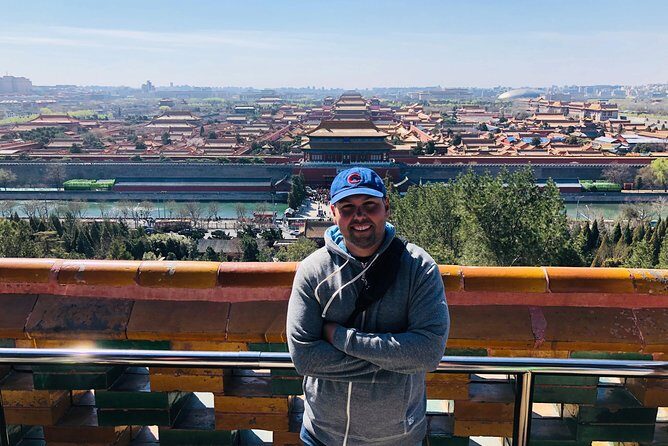
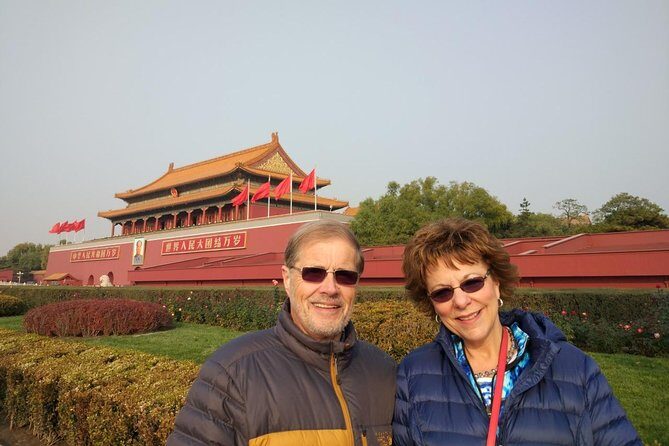
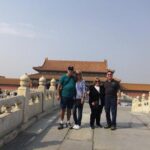
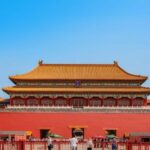
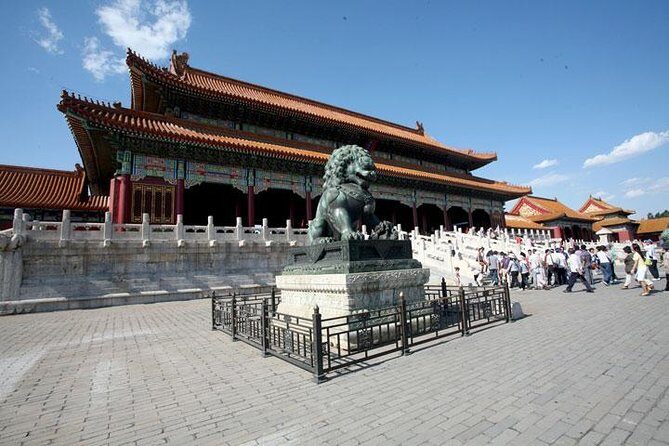
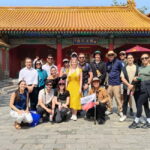
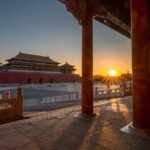
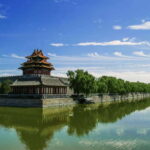
You begin with Tiananmen Square, then head into the Forbidden City (officially the Palace Museum). This is one of those places where you’ll notice how careful the design is—how power, layout, and daily life were all built into the palace complex. I like that your guide doesn’t just point at buildings; you get context for how emperors governed and lived, plus time to appreciate the art treasures in the museum areas.
Temple of Heaven is the second keystone. Instead of palace walls, you’re stepping into a world of ritual and celestial symbolism. The architecture here is unique, and it’s a nice contrast after the density of the Forbidden City. You’ll also enjoy a very Beijing-style evening with an acrobatic show at the Red Theater—short, colorful, and easy to fit into the day.
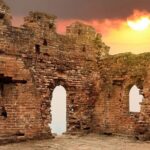
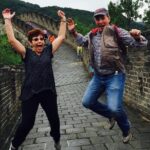
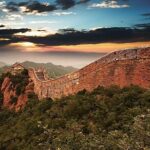
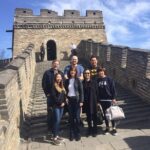
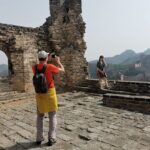
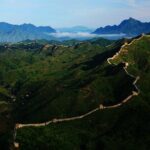
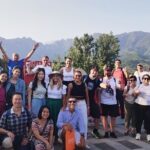
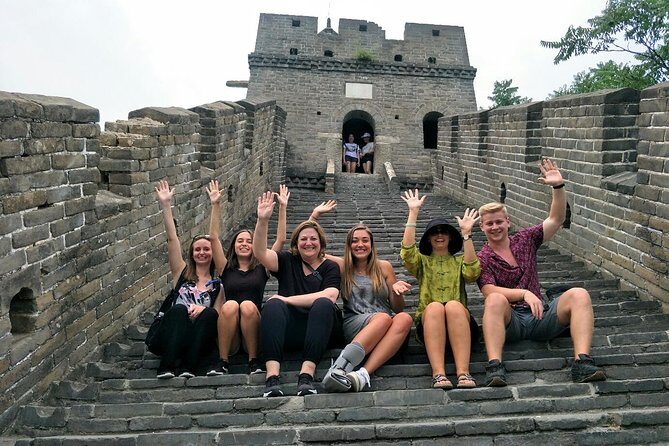
Then comes the Great Wall, and it’s handled in a practical way. You visit the Mutianyu section and use the round-trip cable car. That matters. The Wall is massive, but cable access helps you enjoy it without burning your whole day fighting steep terrain. Standing on the wall with views stretching along the ridge line is a real payoff. And yes, you’ll do a group toast with red wine on the Wall—an unexpectedly fun touch that makes the moment feel like a memory, not just an activity.
Small tip that helps: wear shoes you can walk in for hours. Even when the route is well planned, Great Wall time is still walking time.
You can also read our reviews of more tours and experiences in Beijing.
Beijing side quests: Hutongs, Bird’s Nest, and local alley rickshaws
Beijing isn’t only emperor stuff. You also get a peek at everyday Beijing life through Hutongs—those older alley neighborhoods where the lanes feel like they still belong to another pace.
You’ll do a rickshaw tour through the Hutong alleys. It’s a good way to get your bearings fast, and it gives you a chance to experience the texture of the city in motion. If you’re the type who likes local detail—doorways, street-level life, small surprises—that hour can be more memorable than a second big-ticket site.
There’s also a quick photo stop at the Olympic National Stadium, known as the Bird’s Nest. It’s brief, so don’t plan to linger, but it’s a nice marker of modern Beijing without crowding your schedule.
Finally, you’ll visit the Summer Palace (Yiheyuan). Your day here follows the morning panda segment (the tour notes giant pandas before heading to the palace). Even without getting too technical about park logistics, Summer Palace is a key reason this itinerary works: it’s big, it’s scenic, and it feels different from the Forbidden City. You get the imperial garden scale—largest existing imperial garden—with graceful landscaping and major buildings.
Xi’an: Terracotta Warriors, Tang culture, and Islamic Quarter landmarks
Xi’an is the best sort of city for history lovers. You get layered time: ancient imperial power, early Buddhist influence, and a strong Islamic presence that makes the city feel more than a one-idea destination.
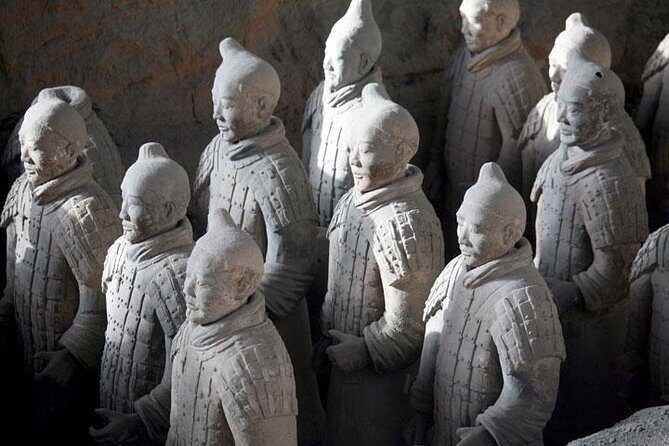
The Terracotta Warriors day is a centerpiece. You’ll tour the museum displaying multiple excavated pits and those famous warrior figures and ancient weapons. I like that you don’t just stare at the display—you also get time for a family visit related to the Terracotta discovery, and you’ll even make a mini clay warrior with a local artisan. That hands-on workshop turns the day from observation to participation, and it’s a great way to keep kids (and adults) engaged.
In the afternoon, you’ll go to the Big Wild Goose Pagoda. It was built in the Tang Dynasty to store Buddhist scriptures brought from ancient India, so it ties directly into the spread of ideas across Eurasia. It’s not just a tower moment—it’s a cultural clue.
That evening can include the Tang Dynasty Music and Dance Show paired with a dumpling dinner. Here’s the catch: the theater availability changes. The show is available from Apr to Nov. If your trip starts in Jan, Feb, Mar, or Dec, the tour price does not include the show and dumpling dinner because the theater isn’t open then. If you care about that performance, check your month before you assume it’s guaranteed.
Xi’an also gives you the city’s everyday and religious texture. You’ll visit the City Wall and City Wall Park, plus you’ll practice Tai Chi with the master. Then you get Great Mosque of Xi’an and time at the Small Wild Goose Pagoda (plus the Xian Museum it houses). Your route through these sites gives you a real sense of Xi’an as a crossroads—not just an archaeological stop.
Food-wise, there’s a special lunch in the Muslim Quarter mentioned in the plan, but it’s not marked as included. Use that as a guide: budget extra if you want to fully snack through the area rather than treat it as a quick stop.
Xi’an City Wall and Tai Chi: why this half-day matters
The City Wall section might be less famous than the Terracotta Warriors, but it’s one of the best “breaks” in the itinerary. You get a slower pace with local life in the City Wall Park before moving into the fortification itself.
Tai Chi with the master is the kind of activity that makes you pay attention to movement and breathing. It also works as a warm reset if you’ve been walking hard in the museum areas earlier in the day. Cycling on the wall is optional; bike rental isn’t included, but it’s a common add-on if you’re feeling energetic.
The key value here is rhythm. The tour alternates high-focus history (Terracotta, pagodas) with calmer cultural practice (Tai Chi), so you stay fresh instead of museum-brained.
Chengdu: pandas first, then alleys, history, and tea in Renmin Park
Chengdu is where the trip softens. You still get major sights, but the vibe shifts toward charm and daily life.
Your panda morning is at the Chengdu Research Base of Giant Panda Breeding. Seeing giant pandas in a dedicated research-and-care setting is very different from zoos you might know. The plan includes time to watch them feed and play, which is what you want—real behavior, not staged motion.
After that, Kuanzhai Alley gives you a taste of restored older courtyards and local street flavor. Admission is listed as free, and you’ll have guide suggestions for lunch if you want to eat there (your included meals aren’t tied to that specific stop).
Next up is Jinsha Site Museum, protecting and displaying finds dating to about 3,000 years ago. If your timing lands on a Monday (when Jinsha is closed), the itinerary swaps in Thatched Cottage of Du Fu. That flexibility is smart because it prevents a dead day.
Finally, you’ll hit Chengdu Renmin Park for a tea break and a casual look at how people spend time. This isn’t a “look at the view” stop—it’s a reset. It helps you understand Chengdu as a place, not just a checklist.
Who will love Chengdu: people who like animals, street-level city life, and Tang-era literary history (Du Fu is a Tang poet, so the swap keeps the historical thread alive).
Chongqing and the Yangtze: the cruise portion that changes the pace
The Yangtze portion is the itinerary’s breathing room. After several cities on land, you get a two-night cruise and time on deck, plus excursions that feel like you’re moving through a living region rather than checking boxes.
Before you cruise, you travel by high-speed train from Chengdu to Chongqing, then explore Jiefangbei CBD and the old village of Ciqikou (Porcelain Port). Ciqikou adds atmosphere—stone lanes, older storefront energy, and a sense of Chongqing’s past layered onto modern traffic.
Then you board a five-star Yangtze cruise ship. Your first night includes a buffet dinner on board and a welcome party hosted by the Captain. That kind of onboard welcome isn’t just for fun—it helps everyone get comfortable with the ship so you can enjoy the days that follow.
Fengdu Ghost City and onboard downtime
After breakfast, you disembark for an excursion to Fengdu Ghost City. It’s the kind of place that sparks curiosity even if you’re not a folklore expert. Back on board, your afternoon is free for scenic deck time and cultural programs if you feel like joining. This part is valuable because it gives you a chance to slow down after active sightseeing days.
Shennv Stream: a key onshore highlight
On the next cruise day, you’ll sail through the Three Gorges area—Qutan, Wu, and Xiling gorges—and you’ll do the onshore excursion to Shennv Stream. This is the essential “see it, then feel it” portion of the cruise. You get land-based contrast to the river travel, so you’re not just sitting and watching.
Three Gorges Dam and the ride into Shanghai
Your cruise ends with the Three Gorges Dam excursion. The plan specifically has you pack and check out before disembarking. After the excursion, the cruise company drives you to the Three Gorges Tourist Center in Yichang city, where a local guide meets you. Then you’re sent off at Yichang East Railway Station for a high-speed train to Shanghai.
That handoff matters. If you’ve traveled through China before, you know travel days can get messy. This itinerary keeps the moving parts organized with guides and set transport.
In Shanghai, you’ll get a local guide upon arrival and transfer to the hotel. The day after the long dam/train transition is still full, but it’s managed with a clear sequence of activities so you don’t feel lost.
Shanghai: Museum morning, Yu Garden stroll, and the Bund + Huangpu River cruise
Shanghai on this tour focuses on classic highlights plus one evening-style activity.
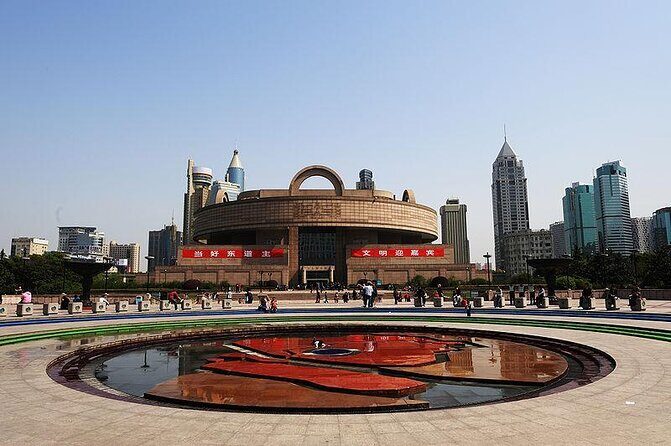
You start at Shanghai Museum, one of the four largest in China, specializing in art from ancient times. It’s a strong choice because it anchors Shanghai’s modern skyline with older cultural material. You’ll then visit Yu Garden and the nearby bazaar area, including the Nine Zigzag Bridge made of granite and grass-white jade and a mid-lake pavilion.
Lunch is a included a la carte farewell meal, valued at CNY150 per person. It’s one of those nice points where you can relax with the group and talk about what surprised you most.
Then you stroll the Bund area, and you take a one-hour cruise on the Huangpu River. This gives you a different angle on the city—less museum, more skyline. Your guide also walks you to the lobby at the end of the day, which is helpful for regrouping before the final morning.
Final day in Shanghai
You’ll have breakfast at the hotel, and then you go to the airport on your own for your flight home. Hotel-airport transfer is not included on Day 14, but the tour says they can assist if needed. Plan extra buffer time so you don’t rush with luggage.
Price and value: what $3,179 really buys

At $3,179 per person, this isn’t a budget tour. But you’re buying a lot of logistical work: guides, air-conditioned vehicles, entrance fees, hotels for 13 nights, and a two-night Yangtze cruise with onboard programming. You also get internal travel support with flights and high-speed trains included between major cities.
Here’s the value angle I’d focus on:
- Admissions and core sights are covered. Forbidden City, Temple of Heaven, Great Wall (Mutianyu), terracotta-related museums, pagodas, mosque, panda base, Yangtze excursions, Shanghai Museum—these are not small-ticket items.
- Your cruise portion is built in, not optional. A true 2-night cruise changes the pace, and it’s where many self-planned itineraries get complicated.
- Meals are partially included. You’ll have 13 breakfasts, 6 lunches, and 3 dinners. Plus specific meals like the welcome Peking roast duck lunch in Beijing and the farewell lunch in Shanghai. That helps you avoid guessing daily meal costs.
What you should mentally price in: any optional extras like cycling on the Xi’an City Wall (bike rental not included), meals in the Muslim Quarter that are labeled as not included, and the Tang show timing depending on your travel month.
If you want a trip with a guide driving the rhythm and you’re okay paying for that, the value is strong.
Should you book this 14-day China small-group tour?
Book it if you want a structured, high-coverage China loop that still includes real cultural texture—pandas in Chengdu, imperial sights in Beijing, the Terracotta Warriors in Xi’an, and the Yangtze cruise with the Three Gorges Dam day. The group size cap of 18 travelers helps keep it from feeling like a cattle line.
Don’t book it if your travel style is slow and flexible, or if you hate early starts and transfers between cities. Also double-check the Tang Dynasty Music and Dance Show timing for your travel month (Apr–Nov only).
One more practical note: this tour is built to avoid shopping detours and factory stores. If you’ve had experiences where half the day disappears into retail stops, you’ll appreciate that the plan is designed to protect sightseeing time.
FAQ
What is the tour start time?
The start time is 9:00 am.
Is pickup offered, and where do you meet the guide?
Pickup is offered. In Beijing, your local tour guide meets you at the airport and the driver transfers you to the hotel. In Shanghai on Day 14, hotel-airport transfer service is not included.
What tickets are provided?
The tour includes entrance fees for listed sites and uses a mobile ticket.
How big is the group?
The maximum group size is 18 travelers.
How do you travel between the main cities?
You’ll use a mix of transportation: one way economy airfare from Beijing to Xi’an, high-speed trains from Xi’an to Chengdu, Chengdu to Chongqing, and Yichang to Shanghai, plus air-conditioned vehicles for city transfers.
Are meals included?
Yes. The plan includes 13 breakfasts, 6 lunches, and 3 dinners, along with specific meals called out in Beijing and Shanghai. The Yangtze cruise day on board also includes a buffet dinner.
Do I get the Great Wall cable car?
Yes. The Mutianyu Great Wall visit includes round-trip cable car arrangements and entrance is included.
Is the Tang Dynasty Music and Dance Show included?
It’s available from Apr to Nov. For tours starting in Jan, Feb, Mar, or Dec, the tour price does not include the show and dumpling dinner because the theater is not open those months.
Is the tour refundable if I need to change plans?
No. This experience is non-refundable and cannot be changed for any reason.