REVIEW · CHINA
4-Day 3-Night Discover Chengdu’s Flavors, Culture and Pandas
Book on Viator →Operated by Lost Plate · Bookable on Viator
Chengdu tastes better when someone else handles details. This Lost Plate trip is built around Sichuan flavors, with panda time, hands-on tea, and the 71-meter Leshan Giant Buddha, all wrapped in a 4-day, 3-night plan in 5-star hotels and with meals taken care of. If you like food that feels local (not staged), this kind of schedule can save you real time and decision fatigue.
I love that this trip is thoughtfully organized by Lost Plate’s founder, then run with an English-speaking guide for clarity all the way through. The small group size (max 10) also helps you move fast without getting lost in a crowd, and several guides—like Daisy, Olivia, and Susan—show up consistently in past experiences with the same friendly, practical approach.
One thing to consider: the days are full, so expect early starts (pandas) and a lot of activity in a short window. If you’re the type who needs long, slow unplanned hours, you might find the pace a bit demanding.
In This Review
- Key Points Worth Your Time
- Sichuan On Your Schedule: What This 4-Day Trip Really Delivers
- Wenshu Yuan Monastery and the Jinli Area: A Calm Start Before You Eat
- Yushuang Road at 6PM: Chengdu Street Food by Tuktuk
- Panda Morning: Giant Panda Breeding Research Base Without the Guesswork
- Kuanzhai Alley and a Teahouse That Feels Unchanged
- Tea Farm Day: Pick, Roast, and Make Your Own Tea Leaves
- Fabric-Dye Studio Workshop: A Create-Your-Own Moment (Without a Shopping Trap)
- Leshan Giant Buddha: Rivers, Scale, and a 5-Stop Lunch
- Price and Value: Why $1,100 Can Feel Reasonable Here
- Who This Tour Fits Best (And Who Might Find It Too Much)
- Should You Book This Chengdu and Leshan Tour?
- FAQ
- What’s included in the cost for this 4-day tour?
- Do you visit pandas, and is admission included?
- Are meals and drinks provided every day?
- Is transportation included between stops and hotels?
- Is the group small?
- Is there any shopping during free time?
- Where do you stay during the trip?
Key Points Worth Your Time

- Pandas in the morning at the Giant Panda Breeding Research Base, timed for a smooth start
- A hands-on tea day where you pick tea, roast it, and make it yourself
- Evening tuktuk street-food run in Chengdu with classic dishes like dandan noodles and wontons
- Kuanzhai Alley plus a classic teahouse for courtyard culture and real local tea time
- Luxury 5-star comfort with daily water and beer included during meals
- All-inclusive plan with no shopping stops so your day stays focused
Sichuan On Your Schedule: What This 4-Day Trip Really Delivers
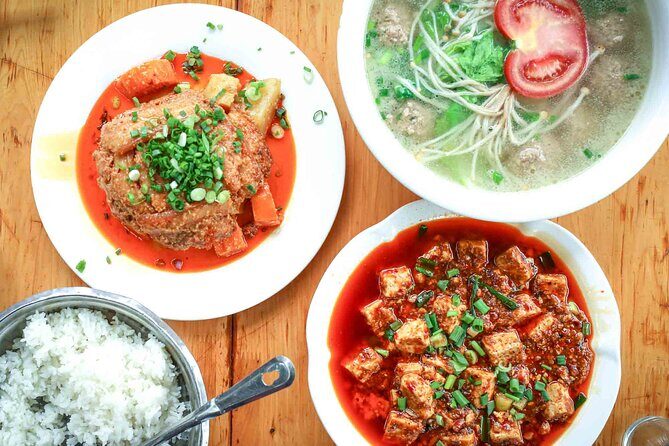
Chengdu is the Sichuan food capital, and this itinerary leans hard into what that means in real life: street snacks, hot food that comes with bold flavors, and everyday culture that centers on tea and conversation. It’s also tied to a bigger theme—Chengdu being recognized as an UNESCO City of Gastronomy for over a decade—so the focus isn’t just sightseeing. It’s food culture as the main event.
The format is simple. You get breakfast plus three lunches and three dinners, along with daily water and beer during meals. Tickets and entrance fees at the planned sights are included, and you’ll use private ground transportation each day with an English-speaking guide. That combination is why this works well for people who want authentic experiences but don’t want to spend the trip planning logistics between stops.
You’ll also sleep comfortably: two nights in Chengdu and one night in Leshan, all in 5-star accommodations. That matters more than people think—when you’re out eating and walking all day, a decent bed turns the “full schedule” into something you can actually enjoy.
You can also read our reviews of more evening experiences in China
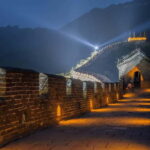
Wenshu Yuan Monastery and the Jinli Area: A Calm Start Before You Eat
Your first day is intentionally flexible. You can arrive anytime, and the plan encourages an earlier start so you can get your bearings. That’s smart here, because Chengdu can feel like a lot when you first land—noise, crowds, menus, and neighborhoods that don’t translate easily.
Wenshu Yuan Monastery is a great first stop because it gives you atmosphere right away: a quiet spiritual space that helps you slow down before the food energy kicks in later. Since the itinerary places this early on, you can also use the surrounding area to your advantage—nearby Jinli is mentioned as a good place to “get a feel of the city” before dinner plans begin.
If you’re someone who hates rushing, this portion helps. You get a low-pressure entry to Chengdu, plus that feeling of having your day framed for you. It’s an easy win for jet-lagged travelers.
Yushuang Road at 6PM: Chengdu Street Food by Tuktuk
When the sun drops, the tour flips into food mode. Around 6PM, tuktuks pick you up from your hotel for a curated food introduction to Chengdu’s culinary highlights. The menu isn’t random. You’re set up to try staples like dandan noodles and Chengdu-style wontons, plus a selection of other local dishes that make the flavors make sense as a system rather than as a pile of one-off bites.
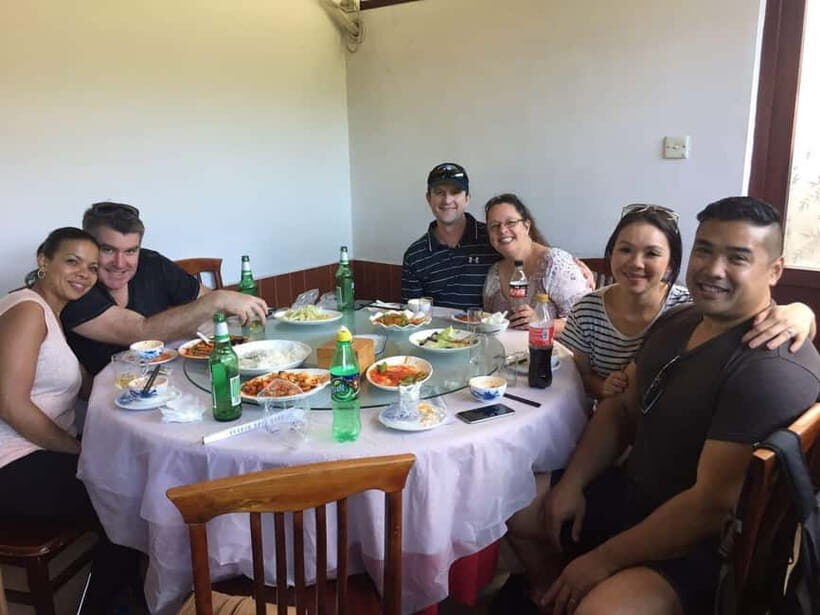
This is where the “zero stress” reputation comes from. Instead of trying to hunt down what’s good (and whether it’s touristy), you’re guided to spots with the right combination of authenticity and ease. You also get to share the experience with a small group, which keeps the vibe friendly and lets you ask questions without waiting your turn forever.
One practical tip: treat this dinner-time food tour like a planned meal, not a snack run. Come hungry, because it’s built to be an introductory world-class course to Sichuan cuisine—plus toasting with fellow travelers.
Panda Morning: Giant Panda Breeding Research Base Without the Guesswork
Day two starts with one of the biggest reasons people choose Chengdu. You’ll head to the Giant Panda Breeding Research Base with an 8am departure, and you’ll spend about three hours there. Morning matters, not for a mysterious reason, but because it usually makes the experience smoother and more comfortable.
What I like about this setup is the time it gives you. You’re not herded through. You have room to slow down, watch how the place works, and take in the scale of the effort behind panda care. It’s also the one stop that anchors the trip beyond food—so the whole itinerary doesn’t become “eat, eat, eat” for four days straight.
Then you transition back into city culture with an afternoon plan, so the day feels connected instead of chopped into unrelated attractions.
Kuanzhai Alley and a Teahouse That Feels Unchanged
After lunch, you’ll explore Kuanzhai Alley—the Wide and Narrow Alley area described as a Qing Dynasty themed maze of alleys. This part is fun because it’s not just “look at buildings.” It’s where courtyards, cafes and bars, and local snacks live side-by-side. You get an easy sense of how Chengdu social life moves.
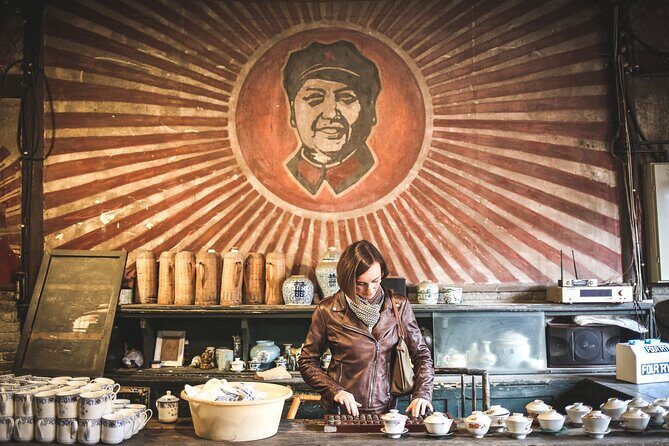
The next step takes things further into everyday culture. You travel about 30km to a teahouse described as having not changed for decades. This is the kind of stop that turns your trip from sightseeing into understanding. Tea houses in Sichuan aren’t just for a drink. They’re for conversation, resting, and spending time at a human pace.
You’ll have about two hours here, and that’s enough time to stop thinking like a tourist and start acting like a local—slow down, sip tea, and notice the rhythm of the room.
If you only do one “culture” thing beyond the obvious landmarks, make it this. It’s the kind of place that quietly sticks with you.




Tea Farm Day: Pick, Roast, and Make Your Own Tea Leaves
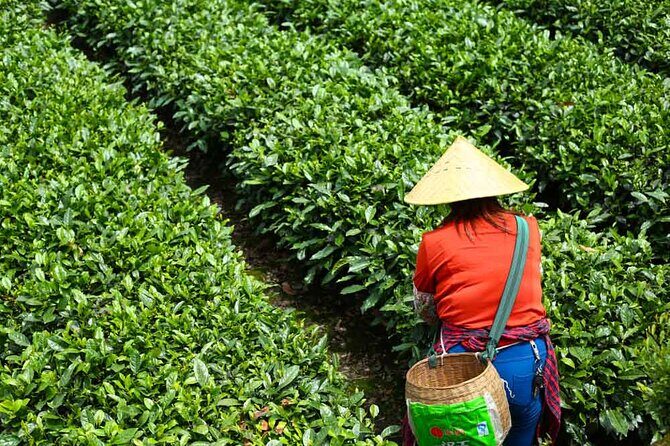
Day three is hands-on, and it’s the standout for many people who love food experiences. You’ll drive out to the countryside to visit a historical tea farm with terraced tea fields. Then you get to pick your own tea—not just watch someone else do it.
The experience continues into the practical skills side. You learn how to roast and make tea yourself. That’s a powerful combination because you don’t just taste the final product. You learn what changes along the way, so the tea you drink later makes more sense.
This is also one of those days where your guide matters. An English-speaking guide helps you connect the dots—why certain steps happen, what to watch for, and what the tea farm process is actually like for workers and families.
Wear something comfortable. Tea work can mean sitting, standing, and moving around fields. You’ll feel better if you plan for that physically, not just mentally.
Fabric-Dye Studio Workshop: A Create-Your-Own Moment (Without a Shopping Trap)
After the tea farm, the itinerary shifts to craft with a fabric-dye studio where you make your own handkerchief. This is another reason this trip avoids the usual “shopping pressure” feeling: the “souvenir” is the work you do, not a store you’re guided to browse.
The time here is about two hours, which is long enough to actually make something that feels personal. It also breaks up the food-heavy rhythm of the trip. If your schedule is all tasting and walking, a craft workshop gives your brain a reset.
Practical note: since this is a dye process, you’ll want to plan for your hands and clothes. The tour data doesn’t specify materials or dress code, so I’d bring something you don’t mind getting a little used.
Leshan Giant Buddha: Rivers, Scale, and a 5-Stop Lunch
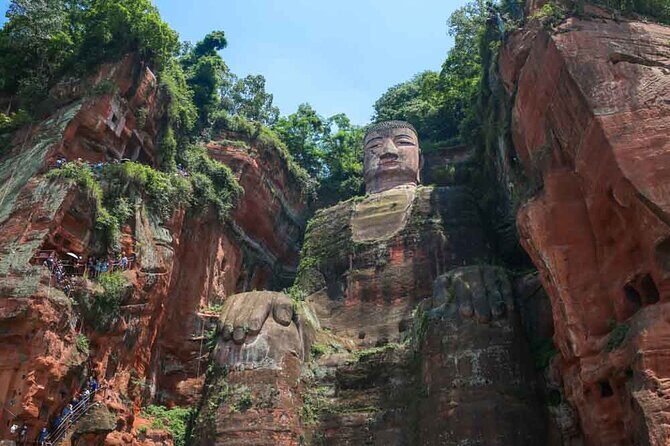
On the final day, you’ll head to Leshan for one of the most famous stone carvings in China: the Leshan Giant Buddha. This Buddha is carved into a 71-meter riverside cliff where the Minjiang, Qingyi, and Dadu rivers meet.
What makes this stop more than a photo opportunity is the explanation you get about the story behind it—how the Buddha helped calm the turbulent rivers and supported the town’s ability to trade culinary specialties with the world. Even if you’re not a deep-architecture person, this framing turns the landmark into something tied to food culture and movement, not just stone.
After that, your guide leads you into a food tour of Leshan cuisine with a five-stop lunch. That’s the perfect finale: you end with actual flavor, not just a big sight.
One consideration: this day includes an early start (it mentions early breakfast), so plan your energy accordingly. Bring water during the outing if you’re prone to getting thirsty, even though you’ll have drinks included during meals.
Price and Value: Why $1,100 Can Feel Reasonable Here
At $1,100 per person, this isn’t a budget tour. But the math changes when you look at what’s packaged in.
You’re not just paying for a guide. You’re also paying for:
- 5-star accommodations for three nights (two in Chengdu, one in Leshan)
- Private ground transportation each day
- Entrance fees and tickets at the planned attractions
- Breakfast plus three lunches and three dinners, including daily water and beer during meals
- Travel insurance
- Airport pickup and airport drop-off on the planned days (with an option to swap the last drop-off for hotel drop-off in downtown Chengdu)
When a tour includes this many categories, your biggest savings is time and stress. You don’t have to coordinate transfers, buy tickets, or figure out meal logistics in a language you might not speak. That’s especially valuable in food-first itineraries, where one wrong turn can cost you both time and disappointment.
The “no shopping” promise also protects your budget in a subtle way. If you’ve ever had a tour pad time with shopping stops, you know it changes the trip’s character. Here, you stay focused on meals, culture, and the scheduled experiences.
Who This Tour Fits Best (And Who Might Find It Too Much)
This tour is a strong match if you:
- Love food as culture, especially Sichuan classics like dandan noodles and wontons
- Want to see pandas and Leshan without building the plan yourself
- Prefer guided logistics over navigating alone
- Like small group dynamics (max 10) and an English-speaking guide
You might want to rethink if you:
- Need lots of free time to wander without a schedule
- Dislike early mornings and fast transitions between areas
- Prefer to choose your own restaurants and pacing rather than having a plan built around meals
Based on the structure, the day-to-day rhythm is designed to keep you eating and learning continuously, not to offer a slow, open-ended travel style.
Should You Book This Chengdu and Leshan Tour?
If your goal is to experience Chengdu the way people actually understand it—through tea, street food, pandas, and real regional eating, then yes, I’d seriously consider booking.
A few final decision tools:
- If you’re coming in without a food plan, this tour is built to solve that problem.
- If you want comfort, the 5-star hotel setup and daily included drinks help keep the trip pleasant, not tiring.
- If you’re price-sensitive, compare it to the cost of hotels plus private transport plus entrance tickets plus guided meals. Here, those pieces are bundled.
One practical catch: it’s non-refundable and can’t be changed once booked. That means you should feel confident about your dates before you commit.
If you like your travel with clear structure and you want the best of Chengdu and Leshan without the stress of piecing it together, this is the kind of itinerary that can genuinely pay off.
FAQ
What’s included in the cost for this 4-day tour?
The package includes breakfast, three lunches, three dinners, and all food and drinks during the meals mentioned. Daily water and beer are also provided, plus tickets and entrance fees, private ground transportation each day, an English-speaking guide, and travel insurance.
Do you visit pandas, and is admission included?
Yes. You visit the Giant Panda Breeding Research Base, and admission is included.
Are meals and drinks provided every day?
Meals are included for the breakfast/lunch/dinner portions mentioned in the schedule. Daily water and beer are provided as part of the included meal drinks.
Is transportation included between stops and hotels?
Yes. The tour includes private ground transportation provided each day, along with airport pickup on the first day and airport drop-off on the last day (with an option to switch to hotel drop-off in downtown Chengdu).
Is the group small?
Yes. The tour has a maximum of 10 travelers.
Is there any shopping during free time?
No. The itinerary is described as all inclusive with no shopping.
Where do you stay during the trip?
You stay in luxury 5-star accommodations for 3 nights: 2 nights in Chengdu and 1 night in Leshan.