REVIEW · HONG KONG SAR
The 10 Tastings of Hong Kong With Locals: Private Street Food Tour
Book on Viator →Operated by Withlocals · Bookable on Viator
Hong Kong food clicks faster with a guide. This private street food tour lines up 10 food & drinks tastings across local markets and eateries, from shrimp wonton to pineapple bun. I like that you’re not just eating, you’re learning what ingredients are (sea cucumbers and bird’s-nest-style dried seafood show up on the market stop) and how locals actually choose dishes. The one real watch-out is that it’s an active, walking-heavy route, and you’ll want a moderate fitness level and solid shoes.
What makes it work is the human part: the language barrier in Hong Kong is real, and a local guide handles ordering, etiquette, and picky details for you. I also like that it’s truly private (just you and your guide), so stops feel paced to your questions instead of rushed for a big group. Depending on who’s guiding, you may get an especially fun, story-driven style; names that show up in past experiences include Cosmo, Angel, Ronnie, Ling, and Caleb.
You’ll also get a “Hong Kong Island at street level” day, not a restaurant hop. The food highlights are clear: shrimp wonton for lunch, sugarcane juice at a traditional tea house, fruit from Graham Street Market, Dai Pai Dong-style beef noodles in Wan Chai, and the classic pineapple bun and milk tea to finish.
In This Review
- Key things to know before you go
- Why this Hong Kong food tour feels practical, not touristy
- From Sai Ying Pun meeting to getting your bearings fast
- Sheung Wan wet market: where the ingredient story starts
- Dry-market dried seafood and the shrimp wonton lunch near The Center
- Sugarcane juice at Hollywood Mural: tea house atmosphere with family roots
- Graham Street Market fruit tastings: what’s seasonal in the real world
- Wan Chai Dai Pai Dong: street dining and beef noodle comfort
- Pineapple bun and milk tea to finish like a local
- Central–Mid-Levels escalator and Stone Slab Street: sightseeing that supports the food route
- Price and value: what $195.71 buys you in real terms
- Who should book this private street food tour
- Should you book this tour
- FAQ
- How long is the 10 Tastings of Hong Kong With Locals tour?
- Where does the tour start?
- Is this tour private?
- How many tastings are included?
- What kinds of food will I try?
- Are vegetarian options available?
- Is hotel pickup or drop-off included?
- Is the tour a lot of walking?
- What’s the price per person?
- Is there free cancellation?
Key things to know before you go
- 10 tastings across markets and classic local snack stops, not just one meal
- Dry and wet market time, so you see both fresh produce and dried seafood culture
- Private guide helps with ordering, context, and local etiquette
- Central–Mid-Levels escalator and Stone Slab Street add real city texture between bites
- Vegetarian alternatives are offered, so you’re not stuck eating “maybe later”
- You’ll cover multiple neighborhoods, so comfortable walking is part of the deal
Why this Hong Kong food tour feels practical, not touristy
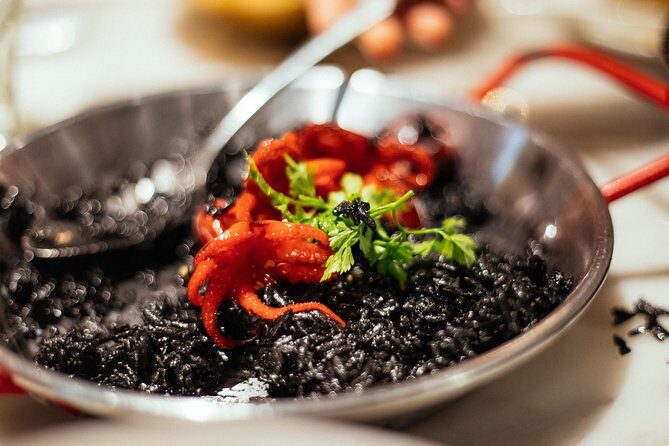
This tour is built around a simple idea: if you want real Hong Kong street food, you need someone who can translate the menu and the culture at the same time. Eating without that context can lead to two problems. You may miss what’s best, and you might not know what’s considered normal to order or how to place your food at the table.
The route also matters. You start around Sai Ying Pun, then move through areas like Sheung Wan and Central, and end up back near the Spring Garden Street area with that iconic bakery finish. That “route logic” is why this doesn’t feel like you’re chasing random snacks; you’re walking a pattern that locals recognize.
And since it’s private, you get something you rarely get on cheaper tours: you can ask why a dish is served a certain way, or what an ingredient is actually doing there. Past guides like Cosmo and Angel are specifically praised for turning ingredients (including dried seafood) into stories you can use for the rest of your trip.
You can also read our reviews of more food & drink experiences in Hong Kong SAR
From Sai Ying Pun meeting to getting your bearings fast
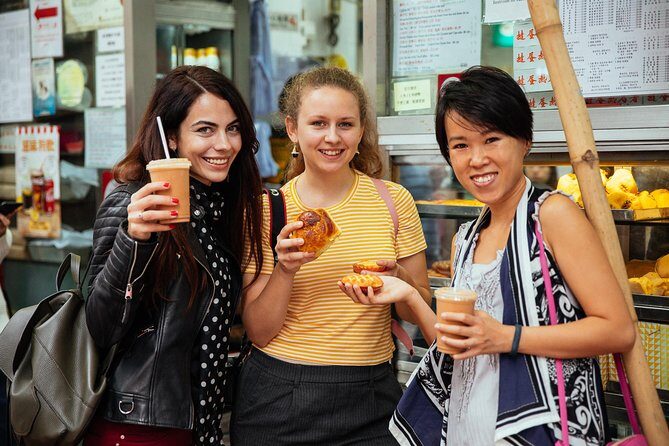
You meet your host at Sai Ying Pun (near MTR Exit B1), with the tour connected to the Eco Tree Hotel area on Des Voeux Road West in Sai Ying Pun. For first-timers, I like this setup because you’re starting in a neighborhood that’s busy, but not as overwhelming as the center core.
From the first walking stretch, your guide’s job is basically twofold. First, they keep you moving efficiently between stops without you getting lost in the maze of side streets. Second, they help you understand what you’re seeing before you start eating, so the food stops make sense instead of feeling random.
One practical consideration: because you’ll be on foot for much of the day, you’ll want shoes that handle uneven sidewalks and the occasional step up/down. The itinerary also includes the Central–Mid-Levels escalator system later, which is great scenery, but it does add stairs-and-walk time around it.
If you’re the type who hates waiting, you’ll likely appreciate that some guides have been praised for being clear and on-time. Still, do take the meeting point seriously. One negative experience in the past involved a guide not showing up where expected, which is exactly the kind of hassle you want to avoid. If there’s any doubt, confirm details the day before.
Sheung Wan wet market: where the ingredient story starts
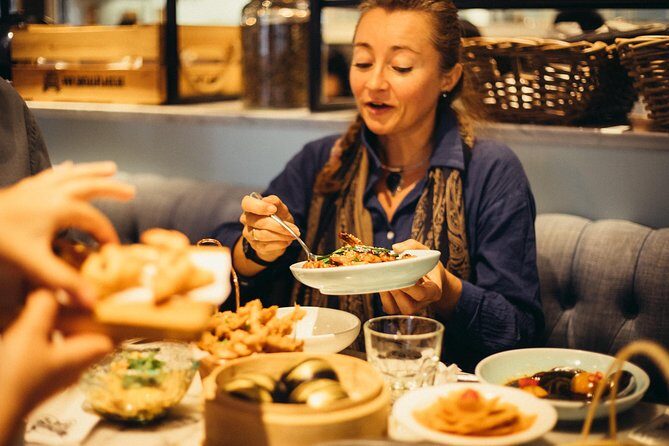
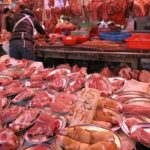
The Sheung Wan stop is your wet market lesson. You’ll walk through a place where vegetables, meat, and the layout of stalls show you what “normal” looks like for local cooking and daily shopping. This is where many people’s assumptions about street food get corrected, because the flavors start earlier than the restaurant.
Your guide can point out vegetables you might see again at dinner later, and also explain what different cuts or ingredients are used for. If you’ve ever eaten something and thought, I don’t know what that is, this is the stop that helps you recognize it later.
What I like most about a market stop is the timing. You do it before the heavier lunch foods, so the smells and visuals don’t overwhelm you before you’ve even had your first tastings. It also gives you a sense of the neighborhoods you’re walking through, which makes Central feel less like a postcard and more like an actual part of the city.
There is also a cultural component here. Markets in Hong Kong are not just for shopping; they’re where routine meets tradition. Even if you don’t read the signage, you’ll feel the rhythm once you’re inside—especially with a guide who can translate what you’re seeing.
Dry-market dried seafood and the shrimp wonton lunch near The Center
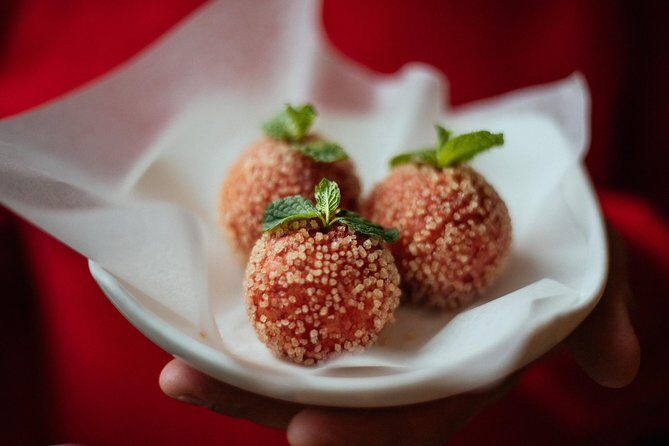
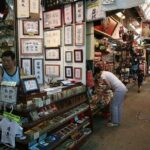
Your tour includes the kind of dried seafood you see in Hong Kong’s dry markets, including sea cucumbers and bird’s-nest-style items. Even if you don’t plan to eat them yourself, seeing the goods up close changes how you think about flavor. Dried seafood isn’t “strange for fun”; it’s tied to stock-making, textures, and long-standing cooking habits.
Right after that context, you shift to a classic local lunch: shrimp wonton in a nearby local eatery close to The Center. This is one of those dishes that’s simple on paper but easy to mess up. The guide’s value here is huge: they can steer you toward the version locals rate, and they’ll explain what to look for—like whether the wontons are plump and how the broth tastes.
Another real benefit is table culture. You’re eating side by side with locals rather than tucked away in a tourist corner. That changes your whole experience of the dish, because you see how people order, how they pace the meal, and how they treat this lunch like routine.
If you’re diet-sensitive, this is also the moment to speak up early. Vegetarian alternatives are offered on the tour, but you’ll still want your guide to know exactly what you avoid so tastings match your needs.
Sugarcane juice at Hollywood Mural: tea house atmosphere with family roots
One of the more memorable stops is the Hollywood Mural area, where you sip sugarcane juice at a traditional tea house run by a 4th generation family. This is the kind of stop that seems “just a drink” until you actually taste it in the place it belongs.
Sugarcane juice is one of those Hong Kong icons people recognize on sight, but it can taste very different depending on how it’s prepared. Here, the point is not only the flavor; it’s the setting. A tea house is where you see daily habits: people chatting, taking breaks, and treating a hot or cold drink as part of the day.
I also like that this stop creates a visual reset. After markets and dense street food areas, the tea house gives you a moment to slow your pace without losing momentum on the tour.
From what’s been shared in past experiences, there’s even a lesson built into the drink. Guides tend to connect it to Hong Kong tea culture and everyday snacking. If you’re even slightly curious about why Hong Kong’s sweets and drinks hit the way they do, this stop helps.
A few more Hong Kong SAR tours and experiences worth a look
Graham Street Market fruit tastings: what’s seasonal in the real world
Next comes Graham Street Market, with an emphasis on fresh, often more unusual fruit. Your local host handpicks options especially for you, which matters more than it sounds. Fruit in Hong Kong isn’t just “nice to try.” It can connect to markets, regional preferences, and the way locals build snacks into the day.
This is also a practical stop if you’re trying to eat light in between heavier foods. Fruit tastings can reset your palate, which helps you enjoy the later savory items without feeling overstuffed too soon.
The trade-off is that fruit preferences vary. If you already know you don’t like certain textures, tell your guide early. Because this is private, the guide can tailor selections, rather than you being stuck with one predetermined option.
Think of this stop as both food and orientation. The market walk shows you how stalls are arranged and how people shop quickly, often with the mindset of taking something to go or sharing in small bites.
Wan Chai Dai Pai Dong: street dining and beef noodle comfort
In Wan Chai, you get the Dai Pai Dong experience: eating in the street with locals and trying beef-noodle style comfort food. This is one of the most “Hong Kong” formats out there. It’s not fancy, but it has personality. And once you’re in it, you understand why locals don’t treat it like a novelty.
The guide’s role here is again practical. Street stalls can be hard to navigate, especially if you’re not sure how to order, what’s served fastest, or what’s considered the right way to eat. With a guide, you can focus on the food instead of the logistics.
Beef noodles are a great choice for a tour because they’re flavorful and usually forgiving if you’ve got a smaller appetite than you think. They also give you a hearty anchor after the market walking.
Another detail I like: this stop adds energy to the day without making everything feel chaotic. You’ll soak up the local atmosphere, but you’re still getting tastings and context instead of just wandering.
If you’re the type who hates standing in crowds, you can still enjoy this format with your guide’s pacing. Just remember it’s a street-style environment, so some closeness is part of the experience.
Pineapple bun and milk tea to finish like a local
Ending with pineapple bun and milk tea near the Spring Garden Street area gives the day its classic Hong Kong rhythm. Pineapple bun is one of those bakery items that looks simple but has real character—crispy top, soft inside, and a sweetness profile that fits perfectly with tea.
Milk tea is the other half of the combo, and it’s the right choice as a finale because it rounds out the whole route. You’ve had savory lunch, market snacks, and street-style noodles. This stop makes the tour feel complete.
I also appreciate that the itinerary sets this as the “locals’ favorite snack” moment, rather than squeezing it in at random. Finishing sweet is a smarter close for a food tour than finishing with something heavy.
If you’re concerned about how full you’ll be, don’t overthink it. You’ll be eating smaller tastings across 3 hours, and ending with bakery-style snacks is usually easy to control by pace. You can also ask your guide what to save room for, especially if you’re prioritizing one specific taste.
Central–Mid-Levels escalator and Stone Slab Street: sightseeing that supports the food route
Between tastings, the tour includes city highlights that actually help you understand Hong Kong’s shape. The Central–Mid-Levels escalator and walkway system is a standout: it’s the longest outdoor covered escalator system in the world. Even if you’re not a “big views” person, it’s a memorable piece of everyday infrastructure.
Then comes Stone Slab Street, a pedestrianized, sloped street paved with uneven granite slabs lined by market stalls. This isn’t only for photos. It gives you that walking feel of Hong Kong streets, where the ground is different and the shops are part of the slope.
I like these segments because they break up the food stops and help you walk off a little salt and sugar while still keeping the tour moving. They also help you mentally map the city, so later on your own you’ll know where you are in relation to areas you visited with your guide.
Depending on your guide, you might also get extra transit flavor like older tram rides. Some guides have been noted for adding local transit moments, and those can make the day feel extra Hong Kong in a good way. Just treat it as a bonus, not a guarantee.
Price and value: what $195.71 buys you in real terms
At $195.71 per person for about 3 hours, this isn’t a budget food crawl. But when you look at what’s included—10 food and drinks tastings, a private local guide, and both market walking plus teahouse and bakery stops—the value starts to make sense.
Here’s how I judge value for a tour like this:
- Private guiding usually costs more than group tours, but it’s what turns menus into stories you can use.
- Tastings matter only if they’re varied. This route covers savory lunch, street food, fruit, tea house drinks, and a sweet bakery finish.
- You’re also paying for efficiency. You cover multiple neighborhoods you might not connect on your own in a first visit.
You might find other tours that list food names, but not all of them include market context or a true local walking route. What you’re buying here is a guided way to understand Hong Kong food culture, not just a list of bites.
If you’re traveling as a couple or small group, a private route can still be a strong deal compared to paying separately for guides plus tickets plus multiple “only-one-meal” reservations.
Who should book this private street food tour
This is a strong match if you:
- want local street food without language stress
- like learning while you eat, especially about market ingredients and dried seafood
- prefer private pacing over a loud group
- want a first Hong Kong Island overview using markets and Central-area walking
It may be less ideal if you:
- dislike walking for about 3 hours with moderate fitness needs
- need very strict dietary control and want fully customized meals at every stop (the tour does offer vegetarian alternatives, but the specifics of every tasting aren’t listed)
- get uncomfortable in street-food settings like Dai Pai Dong, where it’s common to eat in close quarters
Also, if you’re a planner, know that it’s booked fairly far ahead on average (around 39 days). If your trip has limited date flexibility, it’s smart to lock in early.
Should you book this tour
Yes, if you want a guided Hong Kong Island food day that includes both market culture and classic tastings, this one makes sense. The private format is the key value driver, because it handles the hard parts: ordering, etiquette, and knowing what’s worth trying.
Book it especially if you care about eating like locals, not just checking boxes. If you do book, go in ready to walk, and treat it like a conversation with your guide as much as a meal plan. That’s where tours like this shine.
FAQ
How long is the 10 Tastings of Hong Kong With Locals tour?
It’s approximately 3 hours.
Where does the tour start?
The tour meets at Sai Ying Pun MTR station exit B1, near Eco Tree Hotel Sheung Wan (156-160, Des Voeux Rd W, Sai Ying Pun, Hong Kong).
Is this tour private?
Yes. It’s private with only you and your local guide.
How many tastings are included?
You get 10 food and drinks tastings.
What kinds of food will I try?
The tour includes shrimp wonton, sugarcane juice, fruit from a market, Dai Pai Dong-style beef noodles, and pineapple bun plus milk tea. It also references a dry market with items like sea cucumbers and bird’s nests.
Are vegetarian options available?
Vegetarian alternatives are included.
Is hotel pickup or drop-off included?
No. Hotel pickup and drop-off aren’t included, and the tour ends back at the meeting point.
Is the tour a lot of walking?
It has a moderate physical fitness level requirement, so comfortable walking shoes are important.
What’s the price per person?
The price is $195.71 per person.
Is there free cancellation?
Yes, free cancellation is available up to 24 hours in advance for a full refund.