REVIEW · HONG KONG SAR
Private Food Tour: Hong Kong Island
Book on Viator →Operated by Hello Hong Kong · Bookable on Viator
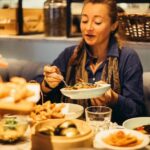
Food can teach the city. I love the trolley-served dim sum atmosphere in Sheung Wan and the way the guide ties stories to each dish, so you eat with context, not just calories. One consideration: this is a walking-heavy day, so if your feet hate you, bring good shoes and arrive hungry.
Because it’s private, the pace can match your group. I’ve heard guides like Andy and Mel run the tour at a comfortable tempo with clear English and plenty of humor, which matters when you’re sampling several stops over about four hours.
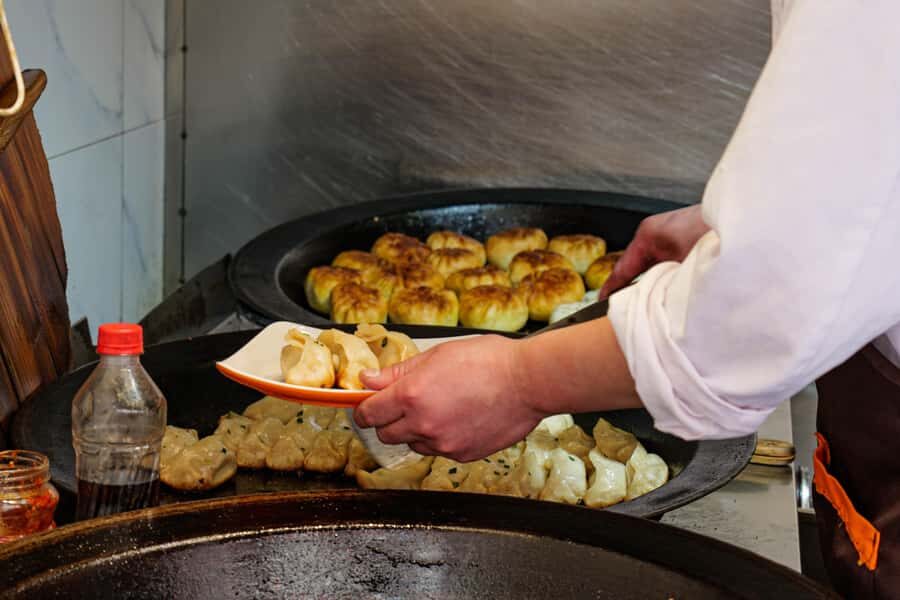
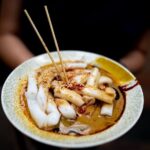
You’ll taste the classics: milk tea, wonton noodle specialties, roast meats like char siu, and then a proper egg-tart finale. The Ding Ding tram ride is listed as your own expense, so plan for a small extra cost.
In This Review
- Key Highlights You’ll Feel Immediately
- Why This Hong Kong Island Food Tour Works (and Who It Suits)
- Start in Sheung Wan: Yum Cha on a Trolley That Sets the Tone
- Seafood Street and Kai Fat Tea: Learning the Sweet and Tonics Side of Cantonese Life
- Markets and Colonial-Era Corners: Graham Street, Gough Street, and Central District
- Mid-Levels Escalator and Ding Ding: Moving Up and Back Through Public Transit
- Wan Chai Roast Meats and the Dan Tat Finale You’ll Remember
- Price and Value: What $236.69 Gets You in Real Terms
- Tips for a Smoother Day (So You Can Enjoy It)
- Should You Book This Hong Kong Island Food Tour?
- FAQ
- Where does the tour start and end?
- How long is the private food tour?
- What food is included on the tour?
- Is pickup available?
- What transportation do we use during the tour?
- Is the tour vegetarian-friendly or gluten-free?
- What should I do before the tour?
- Is this tour actually private?
- How far in advance should I book?
Key Highlights You’ll Feel Immediately
- Trolley dim sum breakfast in a tea house that’s nearly 100 years old
- Wonton noodles from a 1960s family shop, recommended in the Michelin Guide
- Milk tea with British-era roots, served as a Hong Kong daily ritual
- Mid-Levels Escalator and Ding Ding tram, using public transport instead of a bus
- Dan tat finish at a bakery with about 60 years of history, tied to a former governor’s favorite
Why This Hong Kong Island Food Tour Works (and Who It Suits)
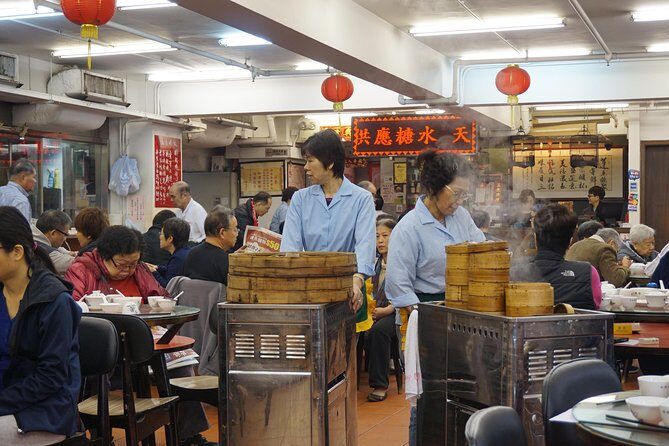
This is a private, four-hour Hong Kong Island food tour designed to pull you off the standard photo loop and into the places locals actually line up for. You’ll sample multiple Cantonese favorites in a logical flow, while your guide adds the why behind the what.
I think it’s especially good if you want food plus practical city context. You’ll cover Sheung Wan, Central, Mid-Levels, and Wan Chai, so you’ll also learn how neighborhoods connect by streets, markets, and that famous vertical “transport problem” solved by escalators and trams.
If you’re expecting a car tour, adjust your expectations. Even with hotel pickup, it’s still a walking route, using Hong Kong’s public transport system rather than hopping in a van.
You can also read our reviews of more food & drink experiences in Hong Kong SAR
Start in Sheung Wan: Yum Cha on a Trolley That Sets the Tone
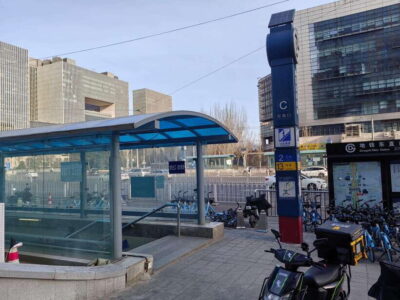
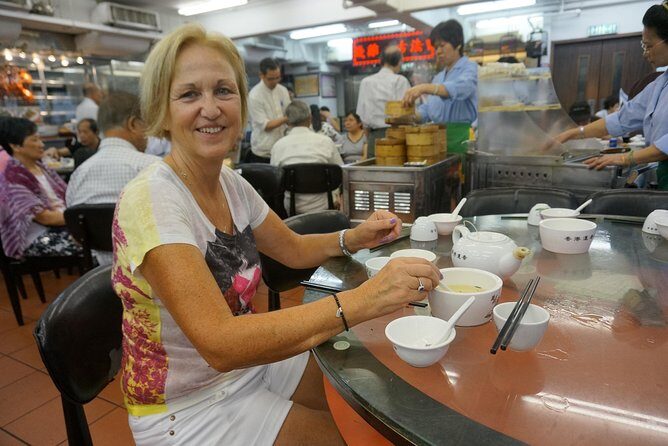
Your tour begins in the Sheung Wan area around the meeting point at 28號 Des Voeux Rd W, near public transportation. From there, you head straight to a tea house for a traditional yum cha-style dim sum breakfast.
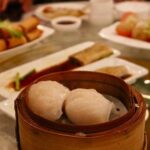
The dim sum is served by trolley, which turns breakfast into a small performance. The shop’s atmosphere is lively and popular, with history dating back nearly 100 years, so it doesn’t feel like a staged “demo meal.”
Sheung Wan itself is part of the point. It’s described as an eclectic mix of shopping and older local traditions, so your first stop lands you in the neighborhood vibe before you start chasing specific dishes.
Practical note: the tour asks you not to eat breakfast beforehand. Do that, or you’ll miss the fun of tasting multiple specialties without forcing it.
Seafood Street and Kai Fat Tea: Learning the Sweet and Tonics Side of Cantonese Life
After the first hearty bite, you move to a food-focused stretch tied to dried seafood ingredients. On Hong Kong Island, dried seafood is common in Chinese cooking and traditional tonics, and the trade clusters around a section of Des Voeux Road West in Sheung Wan (often called Dried Seafood Street).
This stop is useful because it explains ingredients you might see in grocery shops but never understand. Dried items aren’t just “old-school”; they’re part of how locals build flavor and traditional remedies into everyday cooking.
Next comes Kai Fat Tea, a shop tucked away on a narrow road in Sheung Wan that sells tea, candies, and sweets made from fruits and other natural ingredients. Even if you’re not a big tea drinker, this is a strong reset stop before the next savory round.
You’ll also be tasting assorted candies and local snacks as part of the tour inclusions, so you get a wider flavor map than just one sweet and done.
Markets and Colonial-Era Corners: Graham Street, Gough Street, and Central District
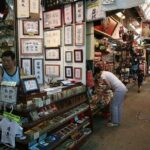
One of the smartest moves in this tour is that it mixes eating with walking through everyday city life. You’ll spend time at Graham Street Market, a sloped street market with more than a century’s history and stalls on both sides selling everything from vegetables to live seafood.
This is where you can connect food culture to the supply chain. Watching the market setup makes the later stops feel more grounded, because you start to see where ingredients come from and how locals shop without turning it into a museum visit.
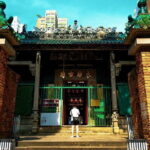
Then you swing into the Central area, including the Central District portion described as one of the oldest yet most dynamic parts of Hong Kong. Expect sloped streets and narrow alleys, plus century-old temples, giving you a slow, observational walk alongside your food discoveries.
You’ll also pass through the “in-between” neighborhood feeling at Gough Street, described as a cusp area where European and Chinese communities once overlapped. It’s a nice change of pace from pure food streets because it helps you understand how Hong Kong layers cultures into the same block.
A cultural add-on appears here too: Tai Kwun. It’s part of the restored and revitalized Central Police Station compound, with heritage and arts spaces inside. Even if you don’t go deep on exhibits, the walk gives you a sense of how Hong Kong repurposes old structures rather than erasing them.
Mid-Levels Escalator and Ding Ding: Moving Up and Back Through Public Transit
From Central, you head to the Mid-Levels Escalator, described as the world’s longest outdoor escalator. You’ll ride it for about 15 minutes, covering roughly 800 meters and getting a hill-level view of daily Hong Kong movement.
This isn’t only a photo stop. Escalator rides here explain how people manage steep terrain as part of normal life, which is exactly what makes the tour feel local rather than touristy.
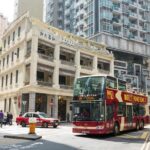
Then you board the Hong Kong Tramways (Ding Ding) for a ride that’s about 20 minutes. The tram system dates to British rule and began operating in 1904, and it’s known for being double-decker. Plan to pay for it yourself, since the tram ride is marked as your own expense.
If you’ve never ridden Ding Ding, it’s a very Hong Kong way to travel between neighborhoods, and it fits well after a market-and-temple walk. You’ll also get a breather from continuous street climbing while still being outdoors and in motion.
A few more Hong Kong SAR tours and experiences worth a look
Wan Chai Roast Meats and the Dan Tat Finale You’ll Remember
As the route transitions toward Wan Chai, you’ll explore the area known for mixing old tenement buildings with newer energy—bars, restaurants, and hidden temple corners all around. This part feels like the city in “after breakfast” mode, which keeps the food tour from feeling like one long snack sprint.
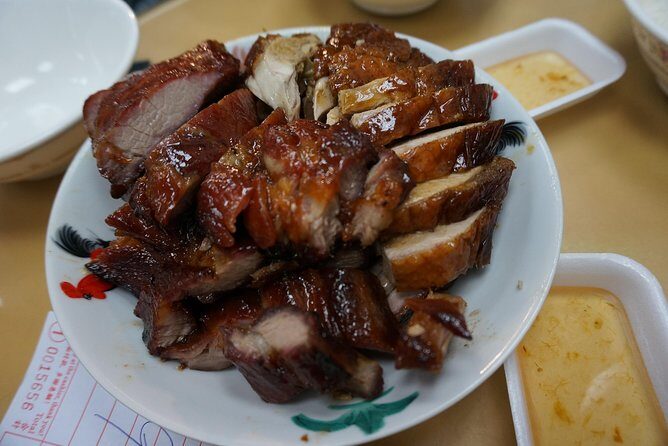
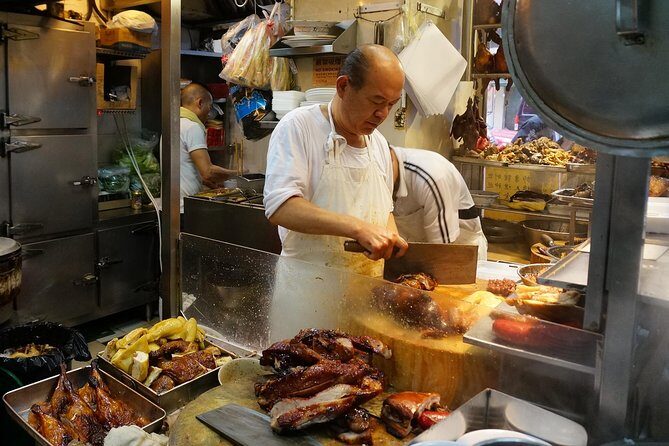
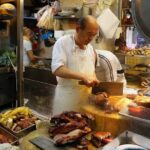
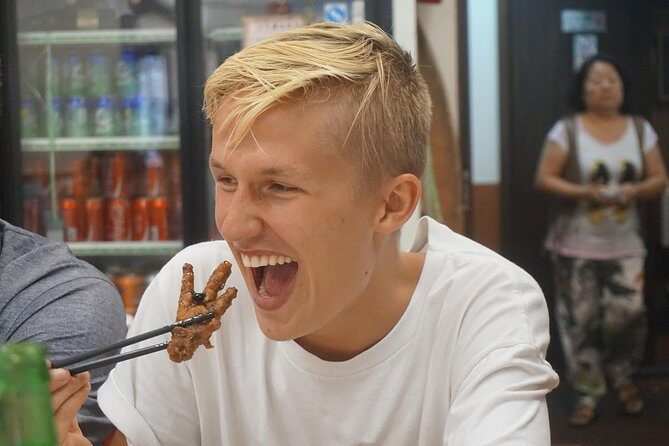
A major highlight comes with the roast-meat stop. You’ll visit a family-run restaurant dating back to the Qing dynasty, famous for English roast meat—char siu—served with homemade sauces and rice. This is one of those Hong Kong dishes where British-era influence meets Cantonese technique, and the result is comfort food that still feels special when you eat it hot and fresh.
Finally, the tour ends with egg tart, or dan tat in Cantonese, at a local bakery with around 60 years of history. The bakery is described as a personal favorite of a former Hong Kong governor, which adds a fun layer of credibility to the ending—this isn’t just “take a bite for the photo.”
The walk also includes Southorn Playground, a place where crowds show up for a quick break from the office and grab something to eat while watching the scene. It’s a good last stop because it grounds your dessert moment in real street rhythm instead of ending in a quiet lobby.
Price and Value: What $236.69 Gets You in Real Terms
At $236.69 per person, this tour sits in the “you’re paying for access and attention” category. It’s not just food; you’re also paying for a professional guide, private group time, and guided stops that connect ingredients, neighborhoods, and historical influence.
You also get multiple courses, not just one meal. The included food list covers variety of dim sum, milk tea, wonton noodle, BBQ meat, and egg tart, plus tasting assorted candies and local snacks. That matters because Hong Kong can be expensive when you try to build the same variety on your own while also figuring out where to go.
Pickup is offered, but here’s the practical part: even with hotel pickup, it remains a walking tour rather than a vehicle-only route. That’s usually a good trade-off in Hong Kong because it keeps you close to what you’re eating and prevents long transit detours—but it does mean you should plan for steps.
One more value note: it’s listed as booked about 60 days in advance on average. If your schedule is tight—cruise days, holidays, or weekend plans—book early so you can get your preferred time.
Tips for a Smoother Day (So You Can Enjoy It)
First rule: don’t eat breakfast before you go. The tour is built around dim sum first, then multiple savory and sweet stops, and it works best when your appetite is ready.
Wear shoes you can walk in for real. The route covers multiple neighborhoods and includes time riding and walking through areas like Mid-Levels and markets.
Bring a camera. You’ll move through crowded food streets, markets, and public transit zones where the best moments are quick and in-between.
If you have dietary limits, read the info carefully: the tour is not suitable for vegetarians, gluten-free needs, or people with seafood allergies. Also, let the provider know if you’re traveling with children, since a private tour still has to fit kids into a route with eating stops.
Finally, bring questions. This kind of tour works best when you ask why Hong Kong does something a certain way—like how milk tea became so ordinary or why wonton noodle craft matters. A guide like Andy or Mel (both cited as fun, clear, and expert in English) can turn your curiosity into real answers.
Should You Book This Hong Kong Island Food Tour?
Book it if you want a private food-focused day that mixes eating with neighborhood understanding. I’d choose it when you only have a short stay, want a structured plan that avoids guessing, and enjoy walking through markets and transit corridors instead of riding in a car.
Skip it if you want vegetarian meals, need gluten-free options, or you’re not up for several hours of walking. Also budget for the Ding Ding tram ride since it’s marked as your own expense.
One more decision helper: if you’re good at following a set tasting route and you like learning with your food, this tour gives you that “eat, walk, understand” rhythm without feeling like a lecture. And if plans change, you can cancel for a full refund up to 24 hours in advance, which takes some pressure off booking.
If that sounds like your kind of day, this is a solid choice for Hong Kong Island.
FAQ
Where does the tour start and end?
It starts at 28號 Des Voeux Rd W, Sheung Wan, Hong Kong, and it finishes in Wan Chai, Hong Kong.
How long is the private food tour?
The duration is about 4 hours.
What food is included on the tour?
Included food covers a variety of dim sum, milk tea, wonton noodle, BBQ meat, and egg tart. There are also tastings of assorted candies and local snacks.
Is pickup available?
Pickup is offered. The tour notes that even with hotel pickup, it is still a walking tour using the public transport system.
What transportation do we use during the tour?
You’ll walk through neighborhoods and use public transport, including the Hong Kong Tramways (Ding Ding). The tram ride is listed as your own expense.
Is the tour vegetarian-friendly or gluten-free?
No. The tour is not suitable for vegetarians, gluten-free needs, or people with seafood allergies.
What should I do before the tour?
Don’t eat breakfast before the tour. You’ll want a strong appetite since multiple tastings are part of the experience.
Is this tour actually private?
Yes. It’s a private tour/activity, and only your group participates.
How far in advance should I book?
On average, it’s booked about 60 days in advance.