Tin Hau is the kind of Hong Kong you can taste. This Hidden Eats tour mixes local food stops with temples, markets, and neighborhood history—all in a walkable, small-group format.
I love the 7+ tastings that go way past one snack, and I like how the guide connects what’s on your plate to what’s going on around you. I also love that you’re not just eating—you’re learning the food logic of the area.
One thing to plan for: there’s fair walking, and you’ll also pass through a wet market, which might be a bit intense if you prefer your food life more sanitized.
In This Review
- Key highlights before you step off the MTR
- Why Tin Hau makes such a smart food neighborhood
- Price and value: what $107 buys in 3 hours
- Small-group attention: the real win is how the guide works
- The walk-and-eat route: temples, Queen Victoria Park, Queen’s College, and the library area
- Tin Hau temple connection (and the MTR name)
- Queen Victoria Park for a quick neighborhood reset
- A temple at Lin Fa Kung Street in Tai Hang
- Queen’s College: a British-colonial education anchor
- Hong Kong’s largest public library nearby
- The local wet market: where ingredients stop being abstract
- The tastings you’ll actually plan meals around
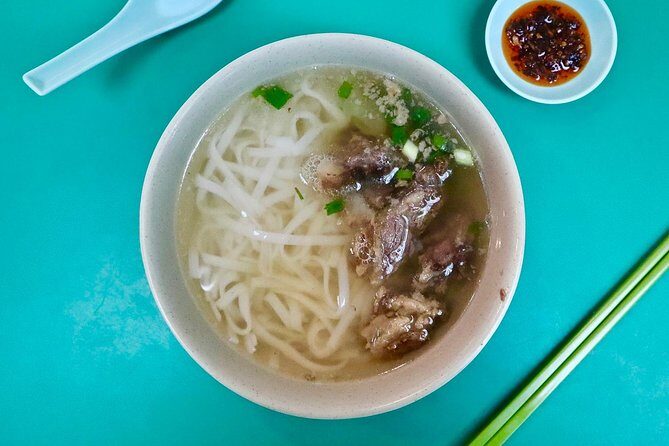
- Beef brisket soup with rice noodles
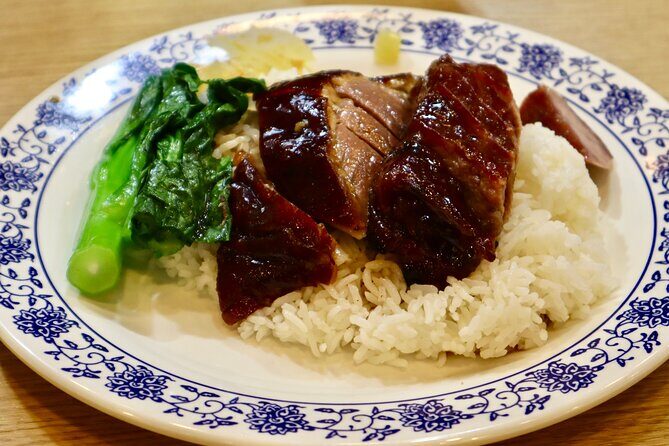
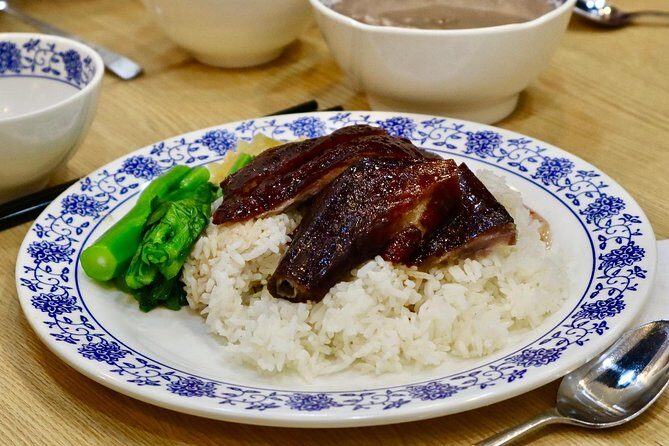
- Roasted goose with rice and plum sauce
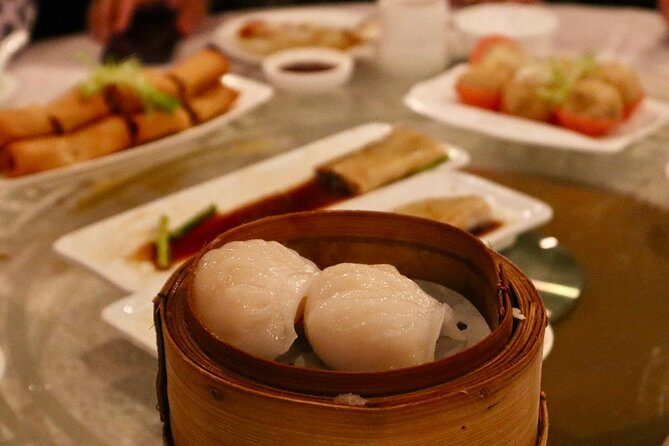
- Fresh baked dim sum
- Fruits and local sweets
- Chinese tea plus water
- The Secret Dish
- Food favorites you might recognize from earlier stops
- Culture facts that make your next meal easier
- Practical tips: shoes, breakfast strategy, and handling the wet market
- Wear comfortable shoes
- Eat light beforehand (especially mornings)
- Expect a wet market moment
- Bring dietary questions early
- Know that plans can shift
- Should you book Tin Hau Hidden Eats?
- FAQ
- How long is the Tin Hau Hidden Eats Food Tour?
- How many people are in the group?
- What’s included in the food tastings?
- Where do I meet the guide?
- Is the tour mostly walking?
- Can the tour handle dietary requirements?
- Is there an age limit?
- What happens if weather is bad or I need to cancel?
Key highlights before you step off the MTR
- Small group cap (max 12) for real conversation and less waiting around
- 7+ included tastings: brisket soup, roast goose with plum sauce, dim sum, fruits, sweets, and a secret dish
- Chinese tea and water included to keep you moving and tasting
- Tin Hau sights are built into the route: temples, Queen Victoria Park, Queen’s College, and the Central Library area
- A local wet market stop that helps you understand how Hong Kong shops and cooks
- Guides with strong English (examples: Sandy, Sonya, Katie, Roger, Bessy, Michael) who keep the pace friendly and clear
Why Tin Hau makes such a smart food neighborhood
Tin Hau is more than a random stop on Hong Kong Island. The area’s identity is tied to the Tin Hau temple—fittingly, that temple gave its name to the MTR station serving it on the Island Line, and to the neighboring Tin Hau area you’ll be exploring. That means your food walk isn’t floating in theory. It’s grounded in a place that locals still use.
You’ll also pass through landmark-ish spots that help you understand the neighborhood layout. For example, Queen Victoria Park sits in Causeway Bay on the north side of Hong Kong Island, between the Causeway Bay and Tin Hau MTR stations. It’s the kind of public space Hong Kongers use daily, not just a photo background.
And if you notice the route shifting a bit toward Tai Hang, that’s not accidental. You’ll reach a temple located at the end of Lin Fa Kung Street in Tai Hang, named after the temple itself. That street-name connection is a classic Hong Kong detail: the city grows around cultural anchors, not just shopping districts.
You can also read our reviews of more food & drink experiences in Hong Kong SAR
Price and value: what $107 buys in 3 hours
At $107 per person for about 3 hours, this is aimed at people who want convenience plus context. The math is helped by what’s actually included. You’re not paying extra for basic “starter” items—you get multiple tastings that include:
- Beef brisket soup with rice noodles
- Roasted goose with rice and plum sauce
- Fresh seasonal fruits
- Local sweets
- Fresh baked dim sum
- A Secret Dish
- Chinese tea and water
That’s a lot more than the usual one-meal, one-dessert style tour. Even if you bought each item on your own, you’d still be paying for time, transit confusion, and the gamble of picking the wrong stall.
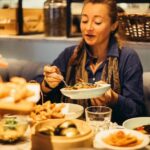
Also, the group size matters. With a max of 12 people and a guide who helps you handle the language gap, you lose less time asking for directions or translating menus. You also tend to get better “what to order” decisions because the guide can steer you based on what the stop is known for.
Small-group attention: the real win is how the guide works
This isn’t a headset-and-robot situation. The tour is built for small-group flow, with personalized attention so you can ask questions without feeling like you’re slowing anyone down.
One of the strongest themes from the experience is the guide’s ability to mix food with place-based explanations. Names you may encounter include Sandy, Sonya, Katie, Roger, Bessy, and Michael, and the pattern is consistent: the guide keeps things lively, explains what you’re eating, and adds practical context about the neighborhood and Hong Kong food culture.
If you’re a first-timer, this kind of tour does two things fast. It helps you learn how Cantonese food is described (so ordering later feels easier), and it gives you a starting map of where flavors like brisket, roast goose, and dim sum fit into everyday Hong Kong eating.
The walk-and-eat route: temples, Queen Victoria Park, Queen’s College, and the library area
You start in the Tin Hau area (meeting near Tin Hau in Causeway Bay), and the tour ends back at that same meeting point. Expect a solid chunk of walking. Comfortable shoes are not a suggestion here—they’re the difference between enjoying the pace and counting the minutes.
Here’s how the sightseeing supports the food theme:
Tin Hau temple connection (and the MTR name)
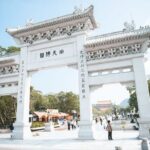
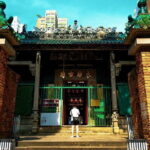
You’ll visit a temple that’s closely tied to Tin Hau’s identity, including the fact that the temple’s name carries over to the MTR station and surrounding area. It’s a reminder that eating in Hong Kong often happens alongside routines—religious, seasonal, and community-based—not just as a tourist activity.
A few more Hong Kong SAR tours and experiences worth a look
Queen Victoria Park for a quick neighborhood reset
You’ll also pass through Queen Victoria Park. It’s a named landmark in Causeway Bay, positioned between Causeway Bay and Tin Hau MTR stations. This is a helpful “breather” moment: public green space gives your feet a rest, and it also lets you see the neighborhood scale before the food legs start stacking up again.
A temple at Lin Fa Kung Street in Tai Hang
In the Tai Hang area, you’ll reach a temple at the end of Lin Fa Kung Street, and the street itself is named after the temple. This stop helps you connect the city’s structure to daily life. Food stalls and bakeries may be the headline later, but the religious and community corners give the area its rhythm.
Queen’s College: a British-colonial education anchor
You’ll see Queen’s College, described as the first public secondary school founded in Hong Kong by the British colonial government. It obtained its present name in 1894 and is now located in Causeway Bay. It’s not “food content,” but it helps you understand how Causeway Bay and Tin Hau developed over time—so the neighborhood doesn’t feel like it appeared from nowhere.
Hong Kong’s largest public library nearby
Another stop is the Central Library area, noted as the largest library in Hong Kong. Its collections are described as one fifth of the Hong Kong Public Libraries System, with 2.3 million items out of 12.1 million total. That’s a big fact, and it’s a useful one: it signals how Hong Kong invests in public knowledge as part of city life, not just private shopping.
The local wet market: where ingredients stop being abstract
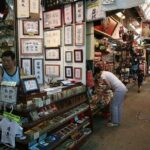
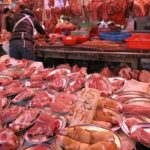
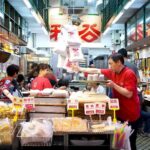
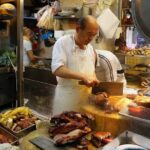
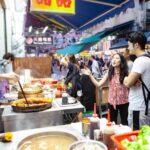
Then you hit the heart of the day for food lovers: a local wet market. You’ll be able to pick up fresh produce and meat—exactly the kind of place where the ingredients behind brisket, goose, and dim sum stop feeling mysterious. This is the stop that tends to divide people: it’s real and a bit intense, but it also explains why food here tastes the way it does.
The tastings you’ll actually plan meals around
This is the main event, and the tour is designed so you won’t leave hungry—or stuck with one “meh” stop that ruins your appetite.
Beef brisket soup with rice noodles
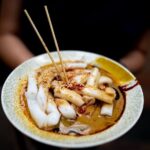
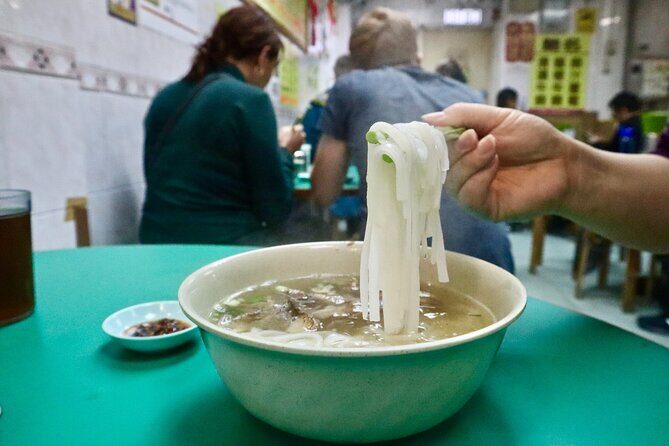
You’ll start with beef brisket soup & rice noodles. Brisket in Hong Kong-style bowls is all about slow tenderness and deep flavor. Having it early also sets your baseline for the rest of the tour, since it’s one of those dishes that shows up in different forms across the city.
A tip from the area vibe: if you tend to order soup first when you’re tired, you’ll learn why. It’s warm, filling, and easy to eat while walking between stops.
Roasted goose with rice and plum sauce
Next is roasted goose with rice and plum sauce. Plum sauce is a big part of the balancing act here—sweet, tangy, and designed to cut through richness. This tasting helps you understand how Hong Kong handles contrast: salty roast meat, then a sauce that refreshes your palate.
Fresh baked dim sum
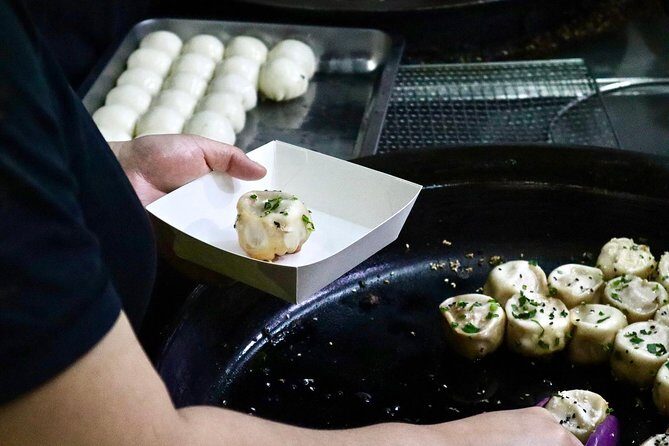
Then comes fresh baked dim sum. Dim sum is one of those categories where quality depends on the timing and the kitchen rhythm. Fresh baked matters—this is the difference between something that feels like a snack and something that feels like a proper meal.
Fruits and local sweets
You’ll get fresh seasonal fruits and local sweets. This is smart pacing. It prevents your taste buds from feeling overloaded by savory flavors alone. It also gives you a look at what Hong Kong treats itself with between meals.
Chinese tea plus water
You’re tasting with Chinese tea and water included. The tea is not just a side detail—it’s part of how Hong Kongers keep eating. Tea helps with the rhythm of multiple stops without turning the whole day into a greasy blur.
The Secret Dish
There’s also a Secret Dish on the list. Since it’s not specified, you should treat it like the surprise course that keeps the tour fun. If you’re someone who likes variety, this is the ingredient that makes the day feel less scripted.
Food favorites you might recognize from earlier stops
In past runs, guides have brought people to specific iconic bites in the Tin Hau/near-Causeway Bay orbit, including brisket soup style places and roast goose. Reviews also highlight favorites like pineapple bun and milk tea and even an afternoon-tea moment featuring Hong Kong-style french toast. You can’t count on the exact lineup every time, but the flavor direction is consistent: comfort classics plus a few sweet stops.
Culture facts that make your next meal easier
The point of mixing temples, streets, and markets with food is that you stop treating Hong Kong like a menu list. You start understanding why certain foods show up where they do—and how people order and eat.
Your guide’s job is part “translator,” part “food interpreter.” The tour is designed to help you burst through the language barrier so you can order with confidence later. In practical terms, that means you learn what to look for on a menu, how to describe what you want, and why a place’s specialty matters.
This also helps you avoid the most common mistake: eating one famous item and calling it a day. After a tour like this, you’ll know there are multiple levels to HK comfort food—soups, roast meats, dim sum, buns, and sweets all belong to the same everyday story.
Practical tips: shoes, breakfast strategy, and handling the wet market
A tour this packed with included food will move fast enough that small decisions matter.
Wear comfortable shoes
There’s a fair amount of walking. Comfortable shoes aren’t glamorous, but they’re the easiest way to keep your energy for the tastings.
Eat light beforehand (especially mornings)
A common piece of advice from people who’ve done this is simple: don’t go in stuffed. If your slot happens to be in the morning, eat lightly beforehand so you actually taste everything instead of just surviving it.
Expect a wet market moment
The wet market stop is a must for ingredient context, but it’s also not a spa setting. If the sight of raw ingredients makes you lose your appetite, this is the single part you’ll want to mentally prepare for.
Bring dietary questions early
If you have dietary needs, contact the organizer in advance. They specifically ask you to reach out ahead of time so they can cater for you best.
Know that plans can shift
The itinerary and menu are subject to change based on availability, weather, and other circumstances. Hong Kong weather can be a mood swing, so keep that flexibility in your schedule.
Should you book Tin Hau Hidden Eats?
Book it if you want a guided way to eat your way through Tin Hau with multiple tastings, not a “one-and-done” snack tour. It’s also a great fit if you like your food with context—temples, schools, and public spaces that explain why the neighborhood feels like itself.
Skip it (or at least think twice) if you hate walking or you’d rather avoid the realism of a wet market. And if you’re extremely picky, make sure you’ve communicated dietary requirements ahead of time so the Secret Dish and sweets don’t become a disappointment.
For first-time Hong Kong planning, this tour works especially well as an early anchor: it gives you food confidence fast, so the rest of your eating becomes easier.
FAQ
How long is the Tin Hau Hidden Eats Food Tour?
It runs for about 3 hours.
How many people are in the group?
The tour has a maximum of 12 travelers.
What’s included in the food tastings?
Included items are beef brisket soup with rice noodles, roasted goose with rice and plum sauce, fresh seasonal fruits, local sweets, fresh baked dim sum, a Secret Dish, Chinese tea, and water.
Where do I meet the guide?
You meet at Tin Hau, Causeway Bay, Hong Kong, and the tour ends back at the same meeting point.
Is the tour mostly walking?
Yes, there is a fair amount of walking, so comfortable shoes are recommended.
Can the tour handle dietary requirements?
Yes, but you should contact the organizer in advance so they can cater for your dietary needs as best they can.
Is there an age limit?
The minimum drinking age is 18.
What happens if weather is bad or I need to cancel?
The tour requires good weather. If it’s canceled due to poor weather, you’ll be offered a different date or a full refund. You can cancel for a full refund up to 24 hours in advance.