REVIEW · HONG KONG SAR
Hong Kong Food Tour: Central and Sheung Wan Districts
Book on Viator →Operated by Hong Kong Foodie Tour · Bookable on Viator
Six tastes, one neighborhood story. This Central and Sheung Wan food tour packs Hong Kong flavor into a small-group walk led by a local guide who explains what you’re eating and why it matters.
I like the way the route stays practical and local, starting in the financial center and shifting into real market lanes at Graham Street Market. I also love the mix of food and street stories, including the area around Hollywood Road, a stop at one of the oldest temples in Hong Kong, and the longest outdoor covered escalator in the world.
One drawback to plan for: you’ll do plenty of walking on uneven streets, with hills and steps. It may be tough if you need a fully step-free, wheelchair-friendly path.
In This Review
- Key things I’d bet on
- Why Central and Sheung Wan is perfect for eating like a local
- The small-group setup: 3½ hours, mobile ticket, and guided pacing
- Meet at Queen’s Road, end at Sheung Wan MTR
- First street sights: markets, Hollywood Road, and the famous escalator
- Graham Street Market: the oldest outdoor wet market feel
- Temples and older streets: seeing the city beyond signage
- Six tastings that add up to a full Hong Kong meal
- A note on variety (and what one reviewer missed)
- How the guide turns food into city knowledge
- Practical tips so the walk feels easy
- Wear shoes you can trust
- Bring an appetite
- Use dietary needs strategically
- Weather matters
- Is this tour for you? The right match (and the wrong one)
- Should you book the Hong Kong Food Tour: Central and Sheung Wan?
- FAQ
- FAQ
- How long is the Hong Kong Food Tour: Central and Sheung Wan Districts?
- What does the tour cost per person?
- Where do I meet the tour, and where does it end?
- How many people are on the tour?
- What’s included in the price?
- Is hotel pickup included?
- Can I request dietary changes?
- Is the tour suitable for people with mobility issues?
- What happens if I cancel or if the weather is bad?
Key things I’d bet on
- Capped at 12 people for a calmer pace and more time for questions
- Six tastings that work like a proper Cantonese meal arc (no quick nibbling)
- Graham Street Market as a real wet-market stop, not a photo stop
- Hollywood Road + temple storytelling that makes the neighborhoods click
- Finish near Sheung Wan MTR so you can roll into the rest of your day easily
Why Central and Sheung Wan is perfect for eating like a local
Central and Sheung Wan sit right next to each other, but they feel different on foot. Central gives you the high-rise contrast; Sheung Wan gives you older street textures and market life. That mix is what makes this tour work well for first-timers: you get both the city’s pulse and the lived-in food streets.
You also avoid the trap of only seeing big sights. Instead, the focus stays on where people actually shop and eat, with food stops woven into a guided walking route. You end up learning the neighborhood as you go, instead of collecting landmarks like souvenirs.
You can also read our reviews of more food & drink experiences in Hong Kong SAR
The small-group setup: 3½ hours, mobile ticket, and guided pacing

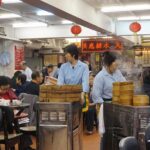
The tour runs about 3 hours 30 minutes and is designed for a compact group size (maximum 12 travelers). That matters in Hong Kong, where sidewalks can be narrow and restaurants can feel tight. A smaller group also makes it easier for your guide to keep things moving without rushing your food.
You’ll use a mobile ticket, and the tour is set up with an English-speaking guide. There’s also bottled water included, so you’re not hunting for drinks between stops. Expect planned breaks between tastings, which helps when you’re eating a real meal’s worth of food while walking.
Meet at Queen’s Road, end at Sheung Wan MTR
The tour starts at 139 Queen’s Road Central. This is a good spot because you’re already in the heart of transit and sights, so you can show up easily without complicated logistics. You’ll begin in the financial center area and then shift into the older street web of the neighborhoods.
You finish near 69 Wing Lok St, Sheung Wan, close to Sheung Wan MTR. That end point is handy: you can catch a train right away, or stay on foot to explore longer. It’s the kind of wrap-up that keeps your day from feeling like a forced detour.
First street sights: markets, Hollywood Road, and the famous escalator
Early on, you’ll get oriented with a couple of city moments that explain how Central and Sheung Wan are built for movement. One stop includes the longest outdoor covered escalator in the world, which is a very Hong Kong way to understand how people travel through steep terrain without thinking too hard about it.
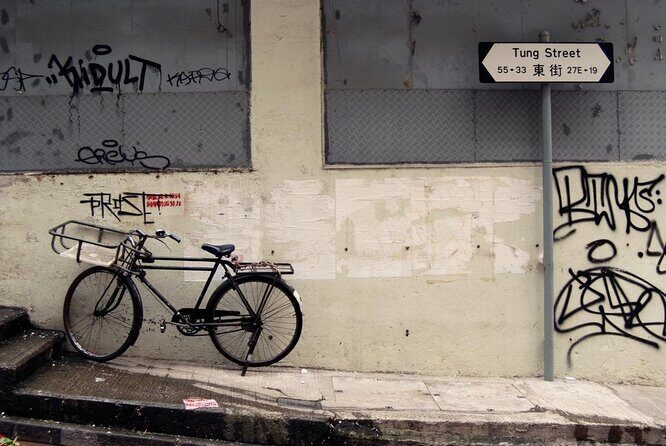
From there, you’ll head toward the story-heavy streets around Hollywood Road. This isn’t treated like a trivia stop. The guide shares what makes the area historically meaningful and how it ties to the daily rhythm of the city. You end up seeing the same street twice—once with your eyes, and once with context.
Graham Street Market: the oldest outdoor wet market feel
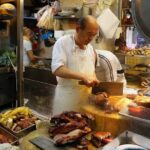
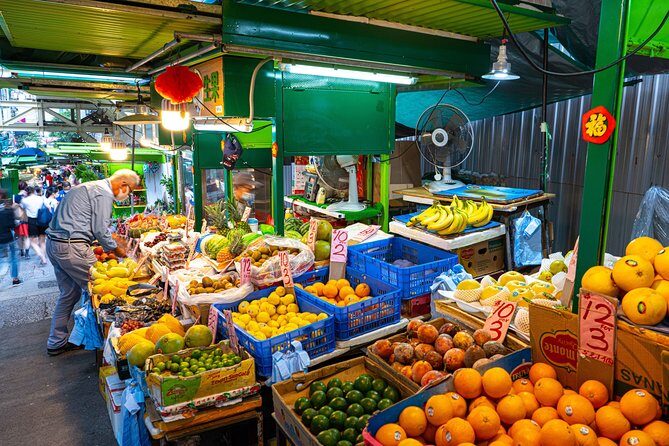
One of the most useful stops is Graham Street Market, where you’ll get about 15 minutes to stroll with your guide. This is described as the oldest outdoor wet market in Hong Kong, and the point isn’t just age—it’s atmosphere. You see how locals buy groceries, how produce and everyday goods are handled, and how the market sits into regular street life.
This is also where the tour earns trust. You’re not just walking from restaurant to restaurant. You’re learning the food ecosystem—where ingredients come from and how everyday Hong Kong eating starts long before the first bite.
If you’re someone who normally skips markets because you think it’s just sightseeing, keep an open mind here. Markets can feel chaotic. With a guide, you’re given a simple lens: look at what people choose, then connect that to what you’ll taste later.
A few more Hong Kong SAR tours and experiences worth a look
Temples and older streets: seeing the city beyond signage
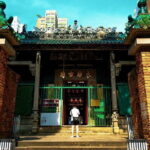
Another key stop is at one of the oldest temples in Hong Kong. The tour uses this to slow you down a bit and show how belief, community, and daily life have overlapped for generations.
You don’t need to be religious to get value out of this stop. What helps is that the guide ties what you see to neighborhood habits and local history—why a temple remains where it is, how nearby streets evolved, and how visitors usually miss the everyday meaning of these places.
The overall effect is that you start walking with better instincts. Instead of thinking, Where is this street going?, you start asking, What role does this area play in the city’s food and culture?
Six tastings that add up to a full Hong Kong meal
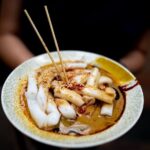
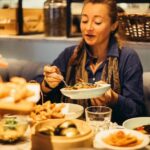
Food is the main event here, and the tour is structured so you don’t get stuck with only one style of eating. You’ll sample six different dishes, with examples that can include noodles and dim sum. You’ll also get a bottled water so you don’t feel dry-mouthed halfway through.
In practice, the tastings work like a guided order at a Cantonese-style table: one savory start, something hearty, a sweet or pastry finish. That’s why many people find they don’t need a separate dinner afterward.
Here are tastings that have been part of the tour experience:
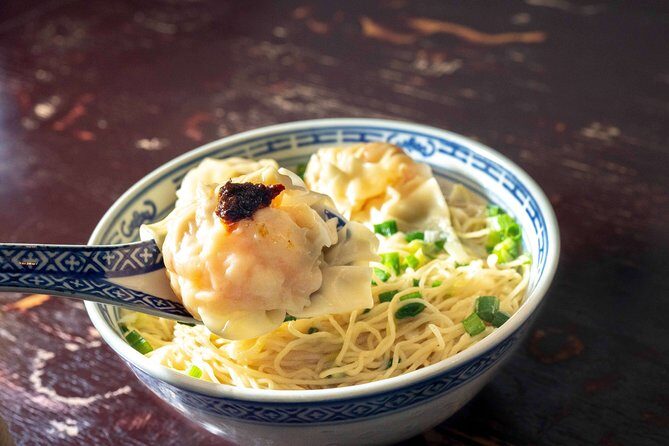
- Wonton noodle soup (a classic Hong Kong comfort bowl)
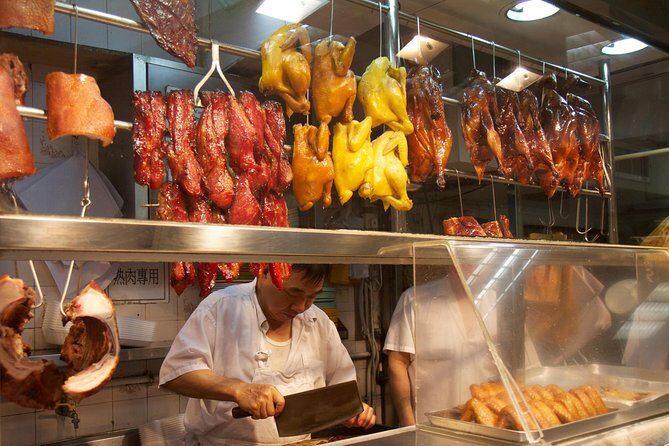
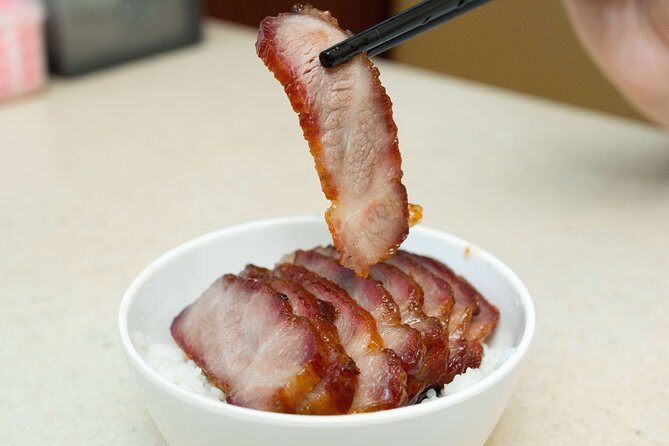
- Roast meat, served in a way that shows off the city’s Cantonese roast culture
- Sugar cane juice with Chinese herbal tea (sweet-meets-herbal and refreshingly different)
- Preserved fruits (tangy, salty-sweet, and a real curiosity item)
- A dim sum spread with multiple dumpling styles and shapes, like shrimp-based dumplings and siu mai
- Egg tart (daan taat), a common Hong Kong finish that’s worth understanding on its own
If you have a sweet tooth, the dessert end is a great payoff. If you want savory depth, the roast and dim sum steps do the heavy lifting. Either way, you’ll leave with clearer taste memories than you’d get from a single restaurant dinner.
A note on variety (and what one reviewer missed)
Most of the experience is packed into the food-and-walk flow, so you won’t get a giant range of completely unrelated cuisines. If you were hoping for a long sampler platter across many different regions of China or Western-style variety, this is more focused: think Cantonese comfort and street-food logic.
Still, that focus is a strength. It gives the guide room to explain details and keeps the tour cohesive.
How the guide turns food into city knowledge
This is where the tour gets consistently strong. The guides named in the experience include Ed, Yammy, Cecelia, and Lilian—and the standout theme is clarity. Your guide connects each stop to local habits: how people buy, why certain ingredients show up often, and what to look for when you’re ordering on your own later.
English communication is a big part of the value here. When your guide can explain what’s in front of you, you stop guessing. You learn how Cantonese dishes are built (texture, fillings, roasting method, and what a pastry like an egg tart should taste like).
And because this is a walking tour with a small group, you get the best kind of learning: questions in real time. You’ll learn what to order next, where to try it later, and which details are worth paying attention to even after the tour ends.
Practical tips so the walk feels easy
A few small things can make a big difference.
Wear shoes you can trust
You should dress for walking. Expect hills, steps, and uneven sidewalks. One review even described the walking as feeling like San Francisco-style hills. That doesn’t mean it’s extreme, but it does mean you should plan for effort.
Bring an appetite
Since it’s multiple tastings, you’ll want room in your stomach. The tour is also paced with stops that help you digest between bigger bites, so you don’t feel like you’re eating continuously for three and a half hours.
Use dietary needs strategically
If you have allergies or specific dietary requirements, you should advise the guide at booking. The tour is clear that you should flag this in advance. That’s the best way to avoid unpleasant surprises at the table.
Weather matters
This experience requires good weather. If it gets canceled due to poor weather, you’ll be offered another date or a full refund. Hong Kong weather can change fast, so check forecasts the morning you go.
Is this tour for you? The right match (and the wrong one)
This tour is a great match if you want:
- A guided introduction to Central and Sheung Wan without navigating on your own
- Cantonese food with explanations you can actually use later
- A small-group vibe where the guide can talk through what you’re tasting
It might not be the best match if:
- You need a highly step-free route or fully accessible sidewalks
- You dislike walking and hills
- You’re looking for broad international variety instead of a focused Cantonese route
Should you book the Hong Kong Food Tour: Central and Sheung Wan?
I’d book it if you want a high-value Hong Kong experience that’s more than eating food in a line. The small group size, the guided street context, and the way the tastings add up to real meal satisfaction make it easy to recommend to couples, friends, and even solo travelers.
You should think twice if mobility is a big concern. The tour assumes moderate physical fitness and includes walking on streets that can be narrow and uneven. If you can handle that, though, this is one of those rare “do this early in your trip” tours that makes the rest of your eating smarter.
FAQ
FAQ
How long is the Hong Kong Food Tour: Central and Sheung Wan Districts?
It lasts about 3 hours 30 minutes.
What does the tour cost per person?
The price is $107.82 per person.
Where do I meet the tour, and where does it end?
You meet at 139 Queen’s Road Central, Central. The tour ends near 69 Wing Lok St, Sheung Wan, close to Sheung Wan MTR station.
How many people are on the tour?
The tour has a maximum of 12 travelers.
What’s included in the price?
The price includes an English-speaking guide, all food tastings, and bottled water.
Is hotel pickup included?
No. Hotel pickup and drop-off are not included.
Can I request dietary changes?
Yes. You should advise any specific dietary requirements at the time of booking.
Is the tour suitable for people with mobility issues?
The tour calls for moderate physical fitness. It involves walking, and the route includes hills/steps, so it may be difficult if you need a fully wheelchair-friendly path.
What happens if I cancel or if the weather is bad?
The experience is non-refundable and cannot be changed for any reason. If it’s canceled due to poor weather, you’ll be offered a different date or a full refund.