REVIEW · HONG KONG SAR
Hong Kong: Kowloon Street Market & Food Culture Walking Tour
Book on Viator →Operated by Hong Kong Free Tours · Bookable on Viator
Kowloon food becomes easy when someone local maps your steps. This 2-hour walking tour focuses on the places you’d skip on your own: wet markets, local bakeries, and everyday shops—with snacks included so you’re not stuck hunting for one more place to pay. It’s also paced for a max group of 6, so you get answers, not just a crowd shuffle, and guides like Stephen, Alice, Michael, and Isaac are highlighted for their storytelling and patience.
One drawback to plan for: it’s still a walking tour. You’ll spend time on your feet in crowded streets and narrow shop fronts, and if you want a rest, it helps to speak up so the guide can adjust the pace for your comfort.
In This Review
- Key Points at a Glance
- Kowloon Street Food Without the Map: What This Tour Does Well
- Price and Value: Is $32.80 Actually Fair Here?
- From Prince Edward to Ladies’ Market: The Route Logic That Matters
- Goldfish Street and the Upstairs Shop Economy (Tung Choi Street)
- Kiu Ming Mansion and Fruit Logistics You Can Taste
- Ki Tsui Cake Shop: How Cookies Hold Memory
- Pat Chun on Fa Yuen Street: Post-War Heritage in a Bottle
- The Hong Kong Jockey Club Off-Course Branches: Tradition Meets Law
- Marinated Store on Canton Road: Preservation as Survival
- Lok Yuen House and the Seafood Shortcut: Freshness Philosophy
- Paper Offering Store on Canton Road: Ancestors, Replicas, and Family Ritual
- Walking Pace, Comfort, and How to Get the Most Out of It
- Who This Kowloon Food Tour Fits Best
- Should You Book This Kowloon Street Market & Food Culture Walk?
- FAQ
- Where does the tour start and end?
- What time does the tour begin?
- How long is the walking tour?
- How much does it cost?
- How big is the group?
- Are food tastings included?
- Do I need a map or help finding places?
- What happens if the weather is bad?
Key Points at a Glance
- Max group size of 6 keeps the tour personal and question-friendly
- Snacks are included, so you can try more food without extra thinking
- No map needed—the guide handles navigating Kowloon’s maze of streets
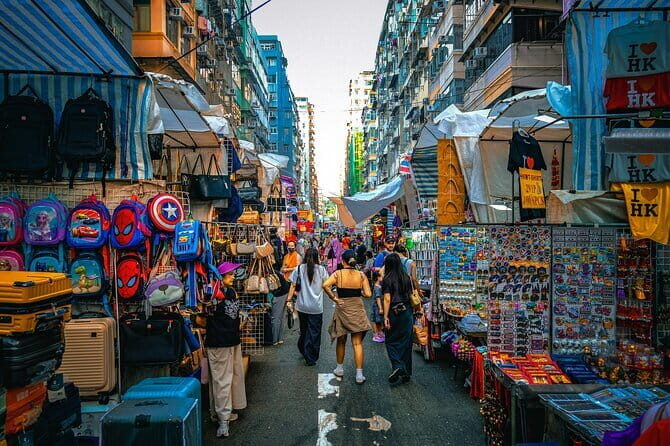
- Stop choices go beyond tourist streets, like Tung Choi Street and marker shops along Canton Road
- Food is treated like culture, with stories tied to Hong Kong’s economy, trade, and family rituals
- Mobile ticket makes it straightforward to join and move on quickly
Kowloon Street Food Without the Map: What This Tour Does Well
This tour is built for a simple goal: help you experience Hong Kong food culture without the usual guesswork. Kowloon can feel overwhelming fast—signs, hawker streets, apartment towers, and markets packed into a small area. Here, the guide acts like your moving compass, so you spend your energy eating and learning instead of constantly checking where to go next.
I also like the way the tour keeps the focus on food haunts rather than generic sightseeing. You’re not just getting photos and pass-by views. You’re being walked to shopfronts where locals actually do life: markets, preservation stores, bakeries, seafood counters, and places tied to social tradition. That matters because Hong Kong cuisine isn’t one style. It’s a set of solutions to shipping, weather, family habits, and neighborhood economies.
The pacing is another selling point. It’s listed at about 2 hours, which is long enough to feel like you did something meaningful, but short enough that you won’t burn your whole afternoon. Still, it’s not a sit-and-watch tour. Plan to stand, walk, and step into shops for a few minutes at a time.
You can also read our reviews of more walking tours in Hong Kong SAR

Price and Value: Is $32.80 Actually Fair Here?
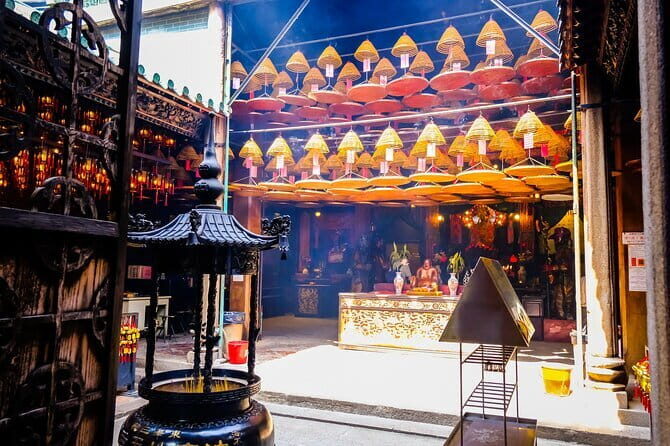
At $32.80 per person for roughly two hours, this tour is priced like a practical local-food experience, not a fancy show. The key value driver is that snacks are included. That sounds small, but it changes how you travel. Instead of budgeting for multiple tastings and then realizing you still haven’t found the “right” place, you get structured stops with food built into the schedule.
Another value factor is the group size cap at 6 travelers. When a tour is crowded, you spend your time waiting to squeeze in. With a smaller group, you’re more likely to get close enough to understand what you’re seeing—labels on preserved goods, how street stalls work, and why certain shops matter beyond the food itself.
The tour is also designed to reduce language friction. It’s described as ideal for removing language barriers, and the format supports that: the guide explains what you’re looking at, and you’re not left to interpret menu pictures or signboard slang by yourself.
From Prince Edward to Ladies’ Market: The Route Logic That Matters
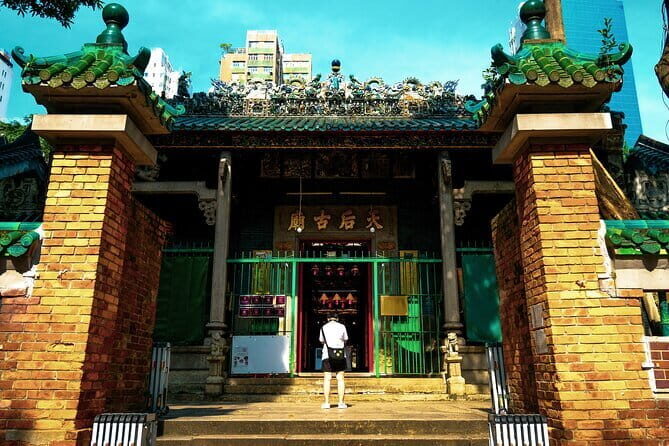
The start is at Prince Edward Station (Prince Edward Road West) at 3:00 pm, and the tour ends at Ladies’ Market on Tung Choi Street. That is a smart flow. You’re dropped near a major transit hub to begin, then you finish in a market area that’s already set up for lingering after the tour.
I like routes like this because they keep the momentum. You’re not spending the last part figuring out where to snack next or how to get back. You leave with a sense of direction in Mong Kok—where to go when you’re hungry, when you want a souvenir, or when you want to come back for a second round.
You’ll also notice the timing choice. A late-afternoon start can work well in Hong Kong because you get a mix of day-market activity and evening energy. Crowds can still happen, but you’re usually not stuck in the harshest hours.
Goldfish Street and the Upstairs Shop Economy (Tung Choi Street)
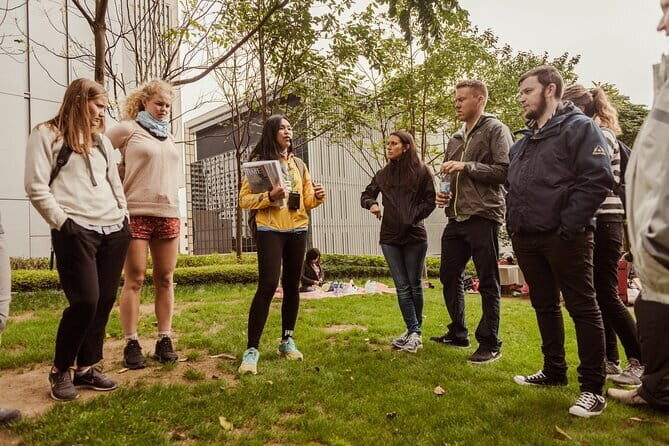
Stop 1 takes you to Goldfish Street (Tung Choi Street), where you learn how even something playful—goldfish sold in plastic bags—connects to Hong Kong’s deeper economic story. The guide points to the contrast between skyrocketing rents and sales that still happen in massive volume. You end up seeing a hidden side of the city: those upstairs businesses where commerce continues even when the street level looks small.
What makes this stop more than a quirky photo stop is the lesson it sets up for the rest of the walk. Hong Kong food culture doesn’t exist in a vacuum. It’s powered by trade patterns, retail survival, and adaptation. Goldfish shops are just one example of how street-level commerce reflects the larger pressures of the city.
A consideration: this area can be tight and visual. If you’re sensitive to crowded shopfronts, keep your patience ready and move with the group. The upside is you’re learning something you can’t easily pick up from a guidebook list.
Kiu Ming Mansion and Fruit Logistics You Can Taste

Next is Kiu Ming Mansion, tied to a striking idea: Hong Kong grows almost nothing agriculturally. That leads to a daily global airlift mentality—food arrives fast, and you treat freshness like a priority.
The tour frames this through fruit, including tasting fruit that flew in overnight and learning how strawberries can reach you from far away. Even if you never think about food supply chains at home, Hong Kong forces the topic into daily life. Food tastes like the city’s practical geography: imported, timed, and sold in neighborhoods that depend on speed.
What I like here: the stop turns a behind-the-scenes system into something you can actually understand with your senses. You’re learning why certain foods show up when they do, and why “fresh” can mean hours, not days.
You can also read our reviews of more food & drink experiences in Hong Kong SAR
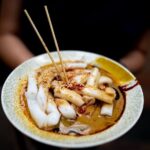
Ki Tsui Cake Shop: How Cookies Hold Memory
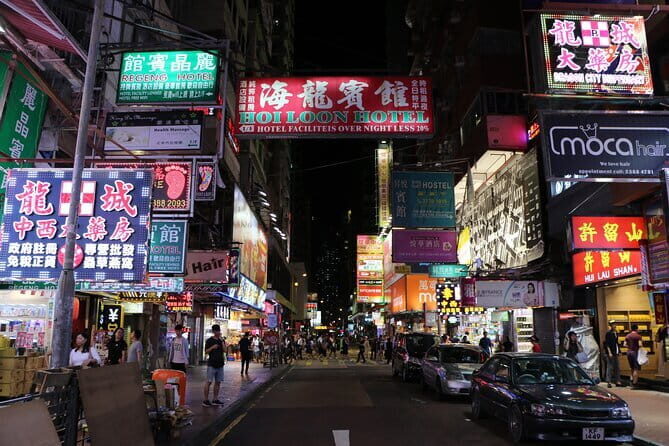
At Ki Tsui Cake Shop, the focus turns to sweets, but with an angle that’s more meaningful than dessert. The stop explains how bakeries can preserve cultural memory—food as identity. You’re tasting walnut cookies as part of that story.
This is the kind of stop that works for both foodies and people who don’t want every tasting to be savory. Cookies may sound simple, but in a city where tastes evolve, bakeries act like slow-moving archives. They keep old flavors available even as neighborhoods change.
Possible drawback: if you’re trying to go heavy on savory bites the whole tour, the sweetness may feel like a pause. It’s a short stop, though, and it usually helps reset your palate for the next round.
Pat Chun on Fa Yuen Street: Post-War Heritage in a Bottle
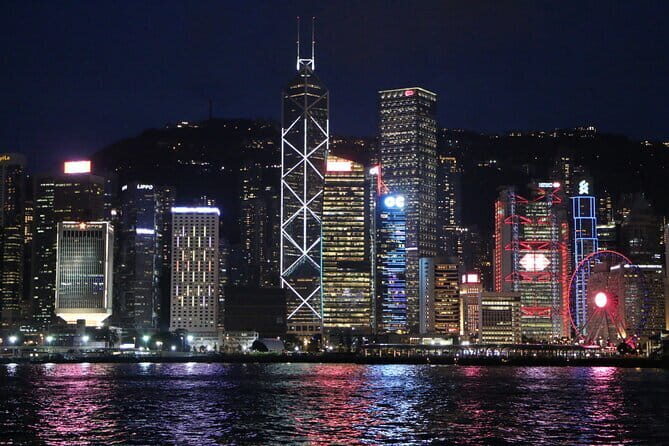
Then you head to 136A Fa Yuen St, associated with Pat Chun, presented as Hong Kong’s post-war baby boom food heritage. The stop highlights how one brand resisted made-in-China pressures and built its reputation by staying tied to local tradition.
Here, the food theme is less about one dish and more about how brands become part of daily Hong Kong life. The tour connects that identity to the bottles and tastes you see at shops. If you’ve ever wondered why Hong Kong has particular sauce-and-preserve favorites, this stop explains how those preferences persist.
A practical tip: if you find yourself tempted to buy something at the end of a tasting stop, ask the guide what’s best for your tastes. You’ll get recommendations that fit the story you just heard.
The Hong Kong Jockey Club Off-Course Branches: Tradition Meets Law
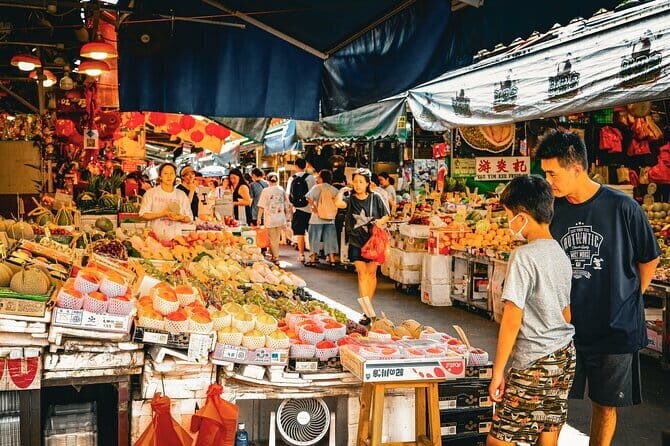
At The Hong Kong Jockey Club Off-course Betting Branches on Arygle Street (Mong Kok), the tour zooms out to social tradition. The story connects colonial-era law to local tradition and describes a social contract where gambling funds public services.
Why this fits a food tour: Hong Kong is full of institutions that shape everyday life, including what people do in public spaces and what gets funded. Food culture is tied to money, community, and routines. This stop helps you understand the city’s logic—why certain places feel central even if you don’t gamble yourself.
Consideration: if you’re not interested in betting or colonial history, you might find this the most “lecture-like” stop. The redeeming factor is that the guide’s storytelling is meant to be short, clear, and practical, not academic.
Marinated Store on Canton Road: Preservation as Survival
Stop 6 is at 1031A Canton Rd, a marinated store where you learn how Hong Kongers turned climate challenges into culinary invention. You get tastings that focus on preserved items, including things like preserved eggs and sausages.
This is a stop that often becomes a favorite for people who like deeper food mechanics. Preservation isn’t just taste. It’s timing and survival—how you keep ingredients usable when weather and supply are inconsistent. Hong Kong’s preserved flavors are the result of generations solving real problems.
A drawback: preserved foods can be polarizing. If strong flavors worry you, let your guide know you want milder options. In a small group, you’re more likely to get a tailored tasting approach.
Lok Yuen House and the Seafood Shortcut: Freshness Philosophy
At Lok Yuen House (seafood store), you learn Hong Kong’s role as a “conductor” for ocean bounty. The story centers on the logistics of freshness—like geoduck from Canada reaching stalls within hours, paired with the idea that “ultimate freshness” is a priority.
What makes this stop useful: it explains why seafood in Hong Kong tastes like a negotiation between oceans and schedules. The city doesn’t just buy seafood. It moves it fast, then sells it into neighborhoods where people expect it to taste alive.
Possible consideration: seafood shops can be intense visually and olfactorily. If you’re sensitive, keep your breathing steady and follow the guide’s pacing. You’re there long enough for the story and a tasting, not for an all-day sensory marathon.
Paper Offering Store on Canton Road: Ancestors, Replicas, and Family Ritual
Stop 8 is at 1028–1036 Canton Rd, a paper offering store. This is where the tour treats food culture as part of family practice. The guide explains how Chinese families care for ancestors by burning paper replicas, and how the tradition has persisted even when luxury branding attempted to stop these shops.
This stop can hit people differently. It’s not a tasting stop in the typical sense. Instead, you get a cultural explanation tied to ritual and respect, with a clear link to how everyday shops serve roles beyond commerce.
A balanced note: if you prefer purely food-focused stops, you might find this one more cultural than culinary. But it’s also a reminder that in Hong Kong, food, ritual, and shop life blur together.
Walking Pace, Comfort, and How to Get the Most Out of It
This is a street walking tour in Mong Kok and around Kowloon’s market zones. That means you’ll want to show up ready for movement. Wear shoes you can trust. Keep your phone charged, and don’t plan on eating a huge meal right before departure if you want the snacks to feel like snacks and not like homework.
If you’re older or you just know you’ll want a breather, you’ll probably be okay. One review noted the need for a sit-down half way, and the pacing can matter more than people expect on this kind of route. A good move: ask early in the tour if there’s a natural pause point for you.
Also, this tour is said to require good weather. If rain or poor conditions hit, you may be offered a different date or a refund. That’s not a small detail in Hong Kong—wet sidewalks plus crowded stalls can change the comfort level fast.
Who This Kowloon Food Tour Fits Best
This tour is a great match if you want Hong Kong food culture with less friction:
- You want to eat your way through real neighborhood stops instead of chasing famous sights
- You’d rather follow a guide than figure out which markets and shops are worth your time
- You’re open to trying foods beyond what you already know, especially preserved and snack-style items
- You like stories that connect food to the city’s economy and everyday routines
If you’re extremely picky or you only want one specific food type, you might need to manage expectations. The tour is structured around variety, including sweets, preserved goods, and food tied to trade logistics and ritual.
Should You Book This Kowloon Street Market & Food Culture Walk?
I’d book it if you want the most efficient way to understand Kowloon through food and the shops that shape what people actually eat. The small group size, included snacks, and the way the guide explains what you’re seeing make it feel like more than a tasting list.
Skip it only if you dislike walking in dense market streets, or if you want a mostly standard checklist of tourist attractions. This tour is for people who prefer local streets over landmarks—and who enjoy learning why certain foods and shops exist in the first place.
FAQ
Where does the tour start and end?
It starts at Prince Edward Station, Prince Edward Road West, Hong Kong, and ends at Ladies’ Market on Tung Choi Street in Mong Kok.
What time does the tour begin?
The listed start time is 3:00 pm.
How long is the walking tour?
It runs for about 2 hours (approx.).
How much does it cost?
The price is $32.80 per person.
How big is the group?
The tour has a maximum of 6 travelers.
Are food tastings included?
Yes. Snacks and food tastings are included as part of the tour.
Do I need a map or help finding places?
You don’t need a map. A guide takes care of navigating the route.
What happens if the weather is bad?
This tour requires good weather. If it’s canceled due to poor weather, you’ll be offered a different date or a full refund.
You Might Also Enjoy
 Xian: Terracotta Army Ticket & Guided Bus Tour with Options
 Xi’an Full Day Sightseeing Tour – Shaanxi History Museum, Big Wild Goose Pagoda, Ancient City Wall
 Guangzhou Cultural Gems: Bruce Lee’s Home & Heritage Sites
 Private 3-Day Tour Combo Package:Zhangjiajie Avatar and Tianmen Mountain and Grand Canyon Glass Bridge