REVIEW · HONG KONG SAR
Small Group Kowloon Michelin Rated Street Food and Culture Tour
Book on Viator →Operated by Hello Hong Kong · Bookable on Viator
Kowloon at night tastes different. This small-group street food and culture tour strings together three neighborhoods—Sham Shui Po, Mong Kok, and Yau Ma Tei—so you get both food and real-life Hong Kong context, including Michelin-rated highlights. I love the tight pacing (no wandering in circles) and the variety of eats, from cheong fun to Hong Kong egg tarts. The main drawback: you’ll walk about 5 miles in humid late-day weather, so comfortable shoes and a decent pace matter.
The food portion is the kind that actually changes how you think about a city. You get 7–9 food tastings plus one included drink, and the tour’s built around street stalls and well-regarded local places, not just photos. One thing to consider up front: this tour is not suitable for vegetarians, pescatarians, or vegans.
Guides rotate by day (some names you might see include Andy, Kiyo, Sinclair, and Mel), but the goal stays the same: local stories tied to what you’re eating. You meet at Sham Shui Po MTR, start at 3:30 pm, and finish back near Yau Ma Tei MTR—perfect for those evenings when Hong Kong feels most alive.
In This Review
- Quick highlights to look for
- Late-Afternoon Kowloon Walk: Why the 3:30 pm start feels right
- Meet at Sham Shui Po MTR Exit A and get oriented fast
- Sham Shui Po street food: cheong fun, wife cake, pork, and tong shui
- Mong Kok markets: Fa Yuen Street + the Goldfish Market story
- Wontons and egg tarts: the Michelin-rated bites you remember
- Yau Ma Tei ending: 1913 Wholesale Fruit Market and Tin Hau Temple
- What the guide really adds (Andy, Kiyo, Sinclair, Mel, and others)
- Price and value: what $115.46 is really paying for
- Practical tips so you enjoy every stop
- Should you book this Kowloon street food and culture tour?
- FAQ
- What time does the tour start?
- How long is the tour?
- Where is the meeting point?
- What is included in the price?
- Is the tour suitable for vegetarians or vegans?
- How big is the group?
- How much walking is involved?
- Where does the tour end?
- What is the minimum age?
Quick highlights to look for
- Three Kowloon districts in one evening without losing time to long transfers
- 7–9 tastings + 1 drink, including two Michelin-recommended or Bib Gourmand stops (daily availability varies)
- Market stops that explain the why, like the Goldfish Market and what fish symbolize
- Iconic food classics such as wonton noodles and egg tarts, not just random snacks
- Wholesale Fruit Market (since 1913) and a Tin Hau Temple visit for history and everyday culture
Late-Afternoon Kowloon Walk: Why the 3:30 pm start feels right
Starting at 3:30 pm is smart in Hong Kong. The light is fading but the streets haven’t slowed down yet, so you get a mix of after-work crowds and market energy without the full day heat you’d get earlier.
This timing also helps your stomach. You’ll eat a series of small portions across the evening, and by the time you reach the last stops in Yau Ma Tei, you’re in the right rhythm: not hungry enough to rush, not too full to enjoy.
Because the tour is planned as a 4-hour walk, you’ll feel the city as you move through it. You’re not hopping between far-flung attractions; you’re walking neighborhoods that people actually live in, shop in, and argue about at food stalls and markets.
You can also read our reviews of more food & drink experiences in Hong Kong SAR
Meet at Sham Shui Po MTR Exit A and get oriented fast
Your tour meets at Exit A inside the Sham Shui Po MTR station at the predetermined time. This matters more than it sounds. In Hong Kong, the difference between a smooth start and a stressful start is usually one block—and meeting inside the station helps you avoid that.
Once you’re together, the guide sets the tone by giving practical context for what you’re about to see and taste. Sham Shui Po is one of Kowloon’s working districts, and it’s a place where daily life shows up on the street: signs, shop fronts, and the flow of locals heading to meals and errands.
A small group (maximum 8) also changes the feel. You can ask questions without shouting over a crowd, and the guide can keep the group moving at a pace that works for most people. If you like food tours that teach you what to notice—not just where to eat—this format is a win.
Sham Shui Po street food: cheong fun, wife cake, pork, and tong shui
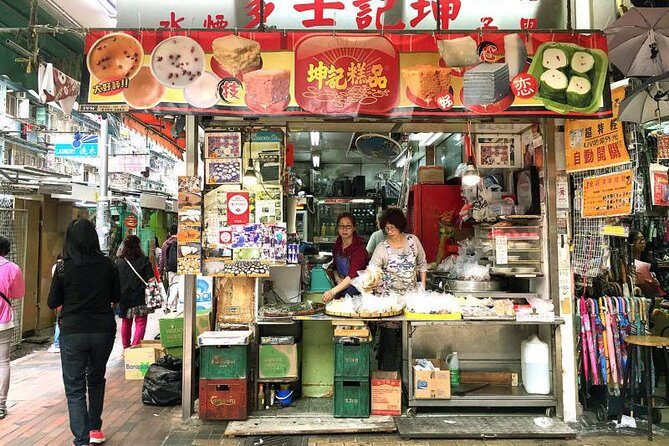
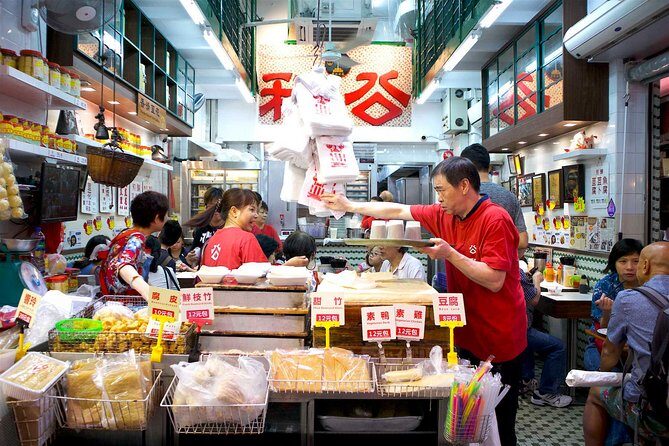
Sham Shui Po is where the tour earns its keep. This is the part designed to show you how people actually eat here, not how tourists wish Hong Kong worked.
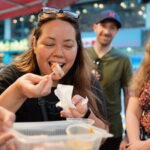
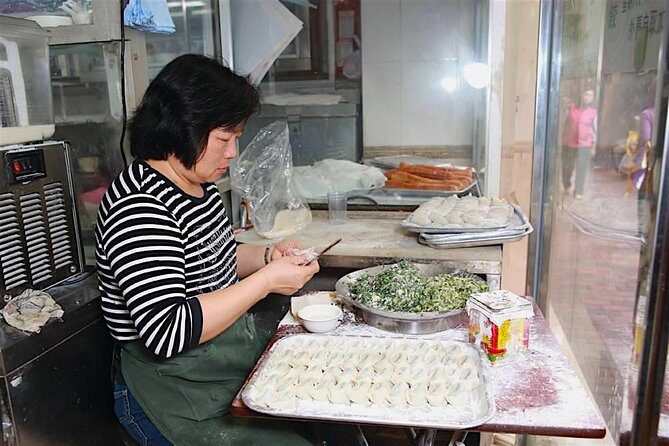
You’ll sample street-food style dishes, including pork and cheong fun (those silky rice noodle sheets), plus a beef and egg sandwich. Then comes wife cake, a small Cantonese pastry with a name that always gets a reaction. The point isn’t the wordplay; it’s that it’s a recognizable local snack you can’t easily categorize until you taste it.
You’ll also try tong shui, a Chinese dessert soup. This is one of those Hong Kong specialties that feels different from Western dessert rituals. It’s cooling, often comforting, and it balances the savory stops so you don’t just keep loading up on carbs and meat.
One practical caution: this segment is not for vegetarians or pescatarians, and the tour isn’t designed around vegan substitutions. If you’re even slightly flexible, consider it a way to taste classic Cantonese staples in the neighborhoods where they belong.
Mong Kok markets: Fa Yuen Street + the Goldfish Market story
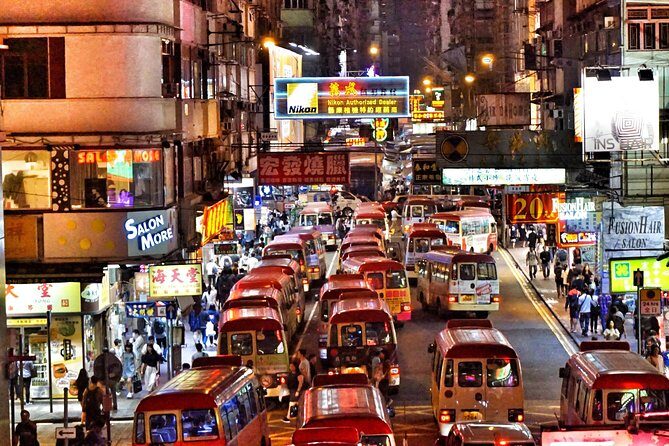
Next you head to Mong Kok, the district known for markets, dense streets, and neon energy. Even if you’ve seen photos of Mong Kok, walking it is different. The smells and the crowd rhythms make it feel like a living system, not a theme park.
Fa Yuen Street Market is one of the planned stops, and it’s the kind of place where you’ll notice how people browse: quickly, confidently, and with a purpose. You’re not just passing through; you’re seeing how commerce works on the street level.
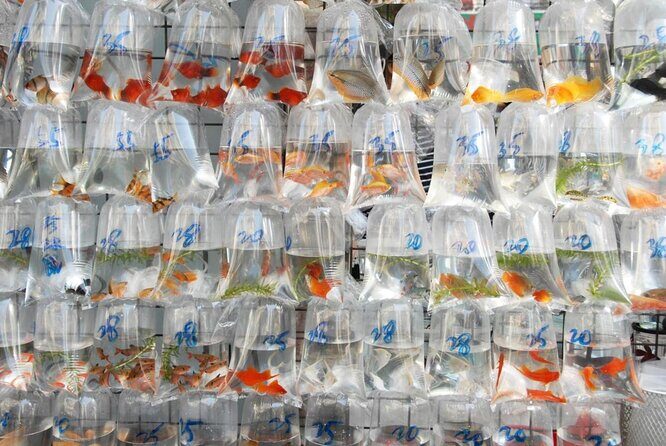
Then there’s the Goldfish Market, which is as much about culture as it is about fish. You’ll hear why fish are treated as symbols of good fortune, and the guide will also connect what you’re seeing to broader topics—like how media and politics show up in everyday conversations. That blend of shopping, superstition, and civic life is a big reason this tour works as more than a food run.
This is also where the small-group size pays off again. In busier areas, it’s easy to get separated in big tours. Here, the group stays together enough that you can follow the guide’s explanations while still having time to look around.
Wontons and egg tarts: the Michelin-rated bites you remember
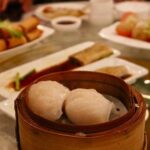
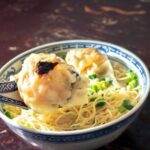
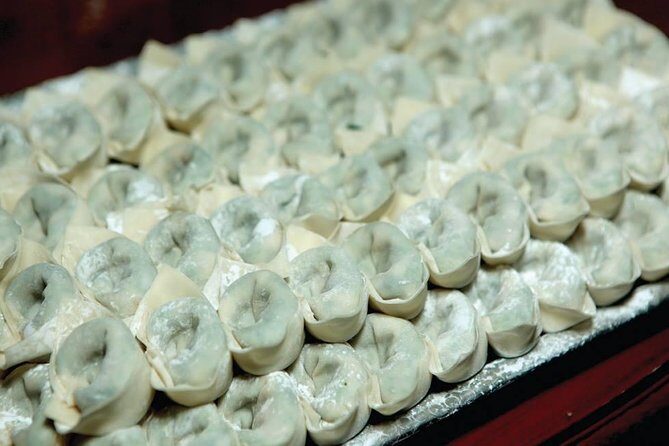
After market time, you’ll eat again at a Michelin-recommended venue for wonton noodles. That’s a key detail, because wonton noodles are one of those dishes where you can taste the difference between a quick snack and something that’s done with care.
Then you’ll add Hong Kong’s famous egg tarts to the mix. These are the kind of sweets that have a distinct texture: a crisp, caramel-leaning top with a custard center that feels silky rather than heavy.
I like how these stops break up the evening. You’re not stuck on one type of food. You move from noodle textures to pastry crispness, from savory street stalls to a more sit-down style bite that’s still very local in spirit.
Also, keep an eye on your water. With 7–9 tastings plus one drink, you’re effectively making a full dinner out of small portions. If you tend to snack all day, you might want to scale back earlier so you don’t hit the egg tart stage in full collapse mode.
A few more Hong Kong SAR tours and experiences worth a look
Yau Ma Tei ending: 1913 Wholesale Fruit Market and Tin Hau Temple
The tour wraps up in Yau Ma Tei with a more historical, grounded feel. You’ll visit the historic Wholesale Fruit Market, established in 1913. It’s a favorite for photographers because the buildings have that older, utilitarian character—rustic structures and vintage signage you’d miss if you only stuck to the biggest postcard areas.
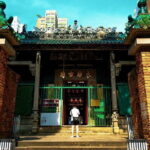
From there, you move to the Taoist Tin Hau Temple. Tin Hau is the goddess associated with seafarers and maritime protection, and temples like this are where religion, community life, and local routine overlap. You’ll also hear about the favorite gathering spots of the city’s senior residents, which helps you understand the temple as a living part of the neighborhood rather than just a stop on a list.
This ending segment is also a good contrast to the market energy earlier. By the time you reach the temple, the walking pace and eating pace feel naturally tapered, and you get a quieter kind of Hong Kong insight.
What the guide really adds (Andy, Kiyo, Sinclair, Mel, and others)
Food tours can be “eat here, then eat there.” This one tries to do more: it links food to place and people.
In practice, that means your guide is explaining what you’re tasting and why it matters in Kowloon. You’re not just collecting dishes; you’re learning how locals fit those dishes into their day. The best guides also make room for questions, and with a maximum of 8 people, you’re more likely to get answers that feel tailored instead of generic.
The names you might encounter—Andy, Kiyo, Sinclair, or Mel—show up in guest feedback for a reason: guides are sharing stories that connect markets, temples, and neighborhood identity to what’s on the table. Even if you don’t care about the full sociology lecture version, you’ll still appreciate the extra context once you taste the food.
If you want a tour where the guide is half the meal, this setup fits.
Price and value: what $115.46 is really paying for
At $115.46 per person, the price is not just the cost of street snacks. Street food is inexpensive on its own. The tour price is primarily for the guide’s time and expertise, plus the coordination of getting you from place to place efficiently with included tastings and a drink.
You’re also paying for two Michelin-recommended or Bib Gourmand stops, though the exact places can vary day to day. That’s meaningful because Michelin recognition in street-food categories signals quality and consistency, not luxury pricing.
So when you judge value, don’t do it like a grocery bill. Do it like an evening experience:
- You’re buying help finding the best versions of local dishes
- You’re buying a route that keeps you moving logically
- You’re buying context so you understand what you’re eating
If your only goal is to eat street food by yourself, you could spend less. But you’d likely miss the narrative that turns a meal into a real understanding of Kowloon.
Practical tips so you enjoy every stop
This tour is built for walking: about 5 miles at a reasonable pace, including in hot and humid conditions. Dress for late afternoon heat you might still feel after 3:30 pm, and bring a light layer in case indoor stops feel chilly.
Wear comfortable shoes. You’ll also want to keep room in your plan for frequent tiny tastes. This isn’t one big restaurant meal; it’s multiple tastings, so pacing is the whole game.
Bring a mobile ticket and be ready for metro proximity at the start and end. If you plan to use the MTR around your tour, have an Octopus-style payment method or credit card handy, since the MTR system uses electronic payment.
And please do one small self-check before you go: this isn’t suitable for vegetarians, pescatarians, or vegans, and it’s not designed for walking difficulties. Minimum age is 8, so it’s also worth thinking about whether kids in your group can handle the walking time without melting down.
Should you book this Kowloon street food and culture tour?
Book it if you want an evening that feels like local Kowloon, not just another sightseeing loop. You’ll likely enjoy it most if you like market streets, you’re hungry, and you want a guide who can explain what you’re eating while you’re eating it.
Skip it if you hate walking, can’t handle humid outdoor conditions, or need a vegetarian or vegan plan. Also skip if your definition of Michelin is white-tablecloth fine dining. This tour’s Michelin angle is street-food quality, which can be modest in price and simple in presentation—but still carefully chosen.
If you’re a first-timer to Hong Kong, or you’ve seen the big attractions and want a sharper feel for everyday life, this is one of the easier ways to get there. You’ll leave with full stomachs, better city instincts, and a set of Kowloon memories that aren’t just photos.
FAQ
What time does the tour start?
The tour starts at 3:30 pm.
How long is the tour?
The tour is about 4 hours.
Where is the meeting point?
Meet inside Sham Shui Po MTR station at Exit A.
What is included in the price?
You get a professional English-speaking guide, 1 drink per person, and 7–9 food tastings across Kowloon neighborhoods, plus two Michelin-recommended or Bib Gourmand stops depending on daily availability.
Is the tour suitable for vegetarians or vegans?
No. This tour is not suitable for vegetarians, pescatarians, or vegans.
How big is the group?
The tour has a maximum of 8 people.
How much walking is involved?
You should be able to walk about 5 miles at a reasonable pace. The tour is not suitable for those with walking difficulties, and it can be hot and humid.
Where does the tour end?
The tour ends at the original departure area in Yau Ma Tei, near the Yau Ma Tei MTR station.
What is the minimum age?
The minimum age is 8 years old.