REVIEW · HONG KONG SAR
Introduction to Hong Kong: Central Tip Based Walking Tour
Book on Viator →Operated by Hong Kong Free Tours · Bookable on Viator
Central has a secret curriculum. This tip-based walking tour turns Hong Kong’s skyline into a clear story, where One Country, Two Systems shows up in courthouses, banks, and street life. You also get a hands-on feel for the city’s traditions through incense, bells, and bell-and-drum temple rituals.
I especially love how the route mixes big-power symbols with everyday Hong Kong details, from Court of Final Appeal to subdivided housing pressures on Queen’s Road Central. Another highlight is the pace and planning: each stop is short, focused, and designed to keep you moving while your guide layers in personal context.
One thing to consider: it’s an outdoors walking experience that depends on good weather, and there’s not much time for long indoor sightseeing. If you’re hoping for food tastings or museum-style entry tickets, this tour is more about guidance and atmosphere than add-ons.
In This Review
- Key Things to Know Before You Go
- Central and Sheung Wan in 2 Hours: What You’ll Actually See
- Court of Final Appeal: Where Hong Kong’s Legal System Shows Up in Stone
- Statue Square: HSBC vs Bank of China and the Feng Shui Power Play
- HSBC Main Building: Lions, Money Stability, and the Coastline That Changed
- St. John’s Cathedral: From 1842 British Possession to 1997 Handover
- Queen’s Road Central: The Rental Economy That Reshapes Daily Life
- Central-Mid-Levels Escalators: The World’s Longest Outdoor Link to Everyday Life
- Wellington Street Food Stories: Wontons, Egg Tarts, and Local Identity
- Man Mo Temple: The Incense, Bell, and Drum Ritual You Participate In
- Who This Tour Suits Best (and Who Might Want Something Else)
- Price and Value: Why This Costs So Little (and How It Pays Off)
- Should You Book This Central Tip Based Walking Tour?
- FAQ
- How long is the Hong Kong Central tip-based walking tour?
- Where does the tour start and end?
- What time does it start?
- Is the tour admission ticket free?
- What’s included in the tour price?
- Is food included?
- Is this tour tip-based?
- How big is the group?
- Do I need good weather for the tour?
- Is there free cancellation?
Key Things to Know Before You Go
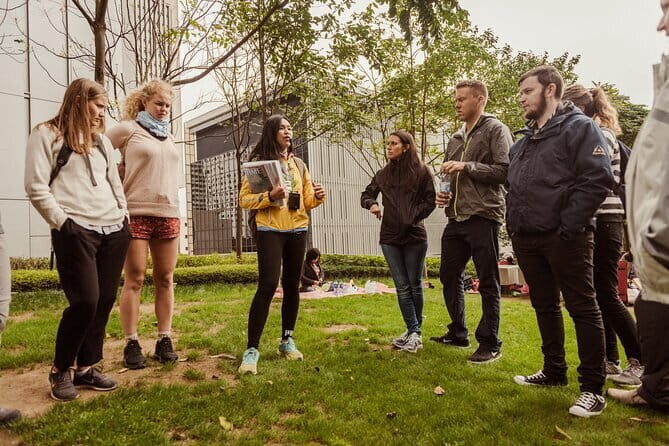
- Tip-based format with a small listed price: you’re paying for a local guide and a guided route that connects politics, architecture, and daily life.
- Banks, law, and signage you’ll actually understand: the tour explains what you’re looking at at Court of Final Appeal, Statue Square, and the HSBC area.
- A real ritual at Man Mo Temple: you’ll join a guided offering practice with incense, ringing the bell, and striking the drum.
- Central-Mid-Levels Escalators included: you’ll learn why this steep-city engineering matters for daily movement.
- Smart “short-stop” structure: most stops run about 10 minutes, with one 15-minute temple moment so it doesn’t feel rushed.
Central and Sheung Wan in 2 Hours: What You’ll Actually See
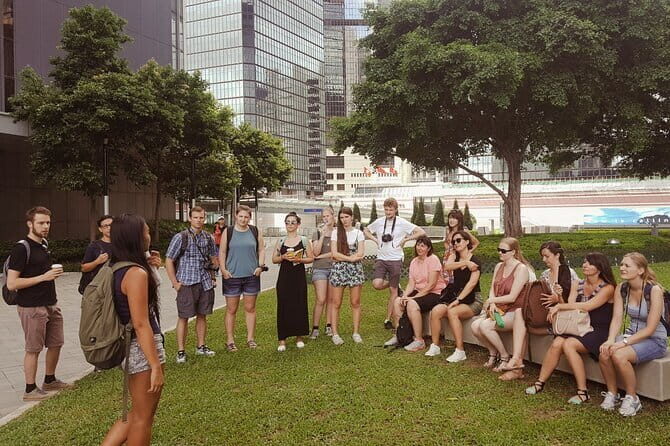
This is a 2-hour walking tour in Hong Kong SAR, starting at Central MTR Station (Exit K area) and ending at Man Mo Temple on Hollywood Road in Sheung Wan. The time is tight on purpose: each location is chosen so you leave with a connected understanding of how Hong Kong’s governance, money, and culture overlap in one compact radius.
The group size is capped at up to 30 people, which keeps the experience from feeling like a mass event. You’ll also use a mobile ticket, so you’re not hunting for paper. Service animals are allowed, and the whole route is near public transportation, which matters in a city built for short hops and quick repositioning.
Price-wise, the listing shows $2.63 per person, but the tour is clearly designed as tip-based. In plain terms: you’re buying a local-guided explanation of landmarks that can otherwise feel like just pretty buildings. If you like getting your bearings fast, that’s where the value lands.
You can also read our reviews of more walking tours in Hong Kong SAR

Court of Final Appeal: Where Hong Kong’s Legal System Shows Up in Stone
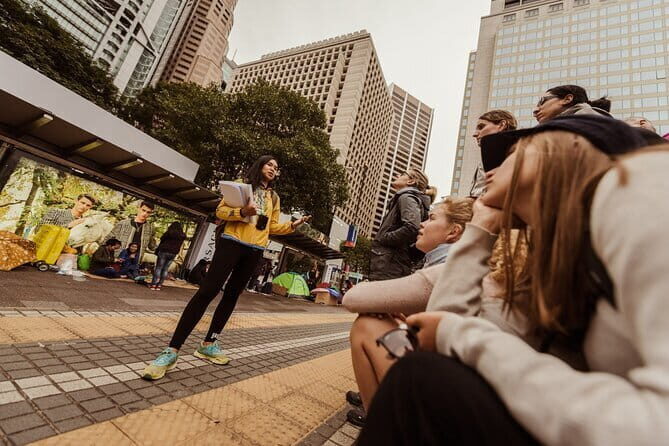
Your first stop is the Court of Final Appeal, and the point isn’t just to say it’s important. Your guide frames it as the working example of how Hong Kong’s “One Country, Two Systems” principle plays out through the legal system—especially the mix of British Common Law and Chinese Continental law.
Even if you’re not a law person, this stop helps you understand why Hong Kong has long treated courts, contracts, and order as part of the city’s identity. It’s also a nice way to start because it sets the tour’s theme early: architecture and institutions aren’t separate from daily life here—they shape it.
Admission is listed as free for this stop, so you’re not squeezed by entry procedures or timed tickets. You’ll likely spend about 10 minutes here, which is enough time to grasp the idea and still stay on schedule.
Statue Square: HSBC vs Bank of China and the Feng Shui Power Play
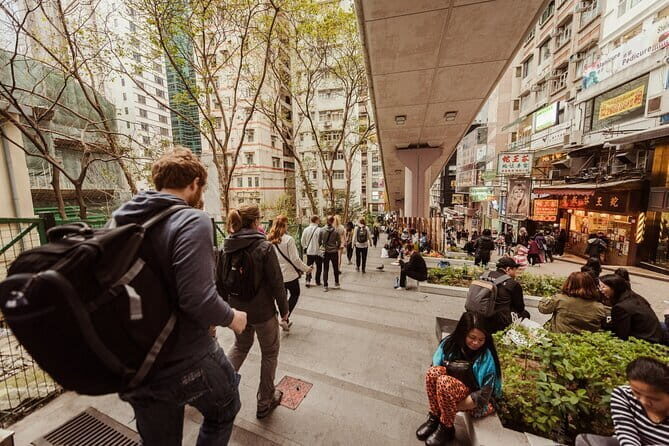
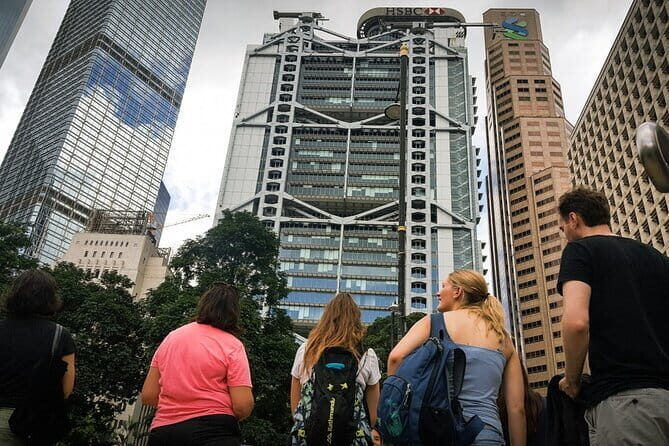
Next is Statue Square, famous for its iconic banks and the story your guide puts behind them. The tour explains the architectural showdown between HSBC (tied to the British colonial power era) and the Bank of China (tied to Chinese sovereignty), with special attention to the idea of a Feng Shui battle for financial dominance.
This stop is more than symbolism. It’s a practical lesson in how people read space in Hong Kong—direction, balance, and visibility—because money doesn’t just live in vaults. It lives in corners of streets, the way buildings face each other, and the message they send without saying a word.
Plan for about 10 minutes here. You’ll want to look both outward (the bank façades) and inward (the story your guide is connecting to broader political change). Admission is free for this stop as well, so you’re paying for interpretation, not access.
HSBC Main Building: Lions, Money Stability, and the Coastline That Changed
At the HSBC Main Building, the tour shifts from “who rules” to “how the city stays stable.” You’ll hear the story of Hong Kong’s monetary stability, seen through the building’s iconic guardian lions and HSBC’s role in the currency peg. That’s a key concept for understanding why Hong Kong’s finance world works the way it does.
Your guide also connects this to the city’s physical transformation—specifically coastline reclamation since 1842. That detail matters because it shows how Hong Kong’s financial growth wasn’t just policy and paperwork; it reshaped the ground under the city.
Expect about 10 minutes again. This is a great stop for anyone who likes learning the hidden angle: how an institution’s image (lions, façade, location) connects to economic decisions that ripple far beyond Central.
St. John’s Cathedral: From 1842 British Possession to 1997 Handover

St. John’s Cathedral is where the tour grounds its political story in a lived timeline. Your guide explains Hong Kong’s birth under British rule—starting from British possession in 1842—and then the handover back to China in 1997. The atmosphere here feels reflective, even though the talk stays practical and direct.
What makes this stop memorable is the personal storytelling angle. One review specifically praised Andy as intelligent and helpful, and another highlighted Stephen for providing a Hongkonger’s perspective. That local viewpoint is the point: the guide isn’t just reciting dates; they’re connecting those dates to what life felt like around them.
Admission is listed as free for this stop, so it’s a no-tension moment. You’ll still only have about 10 minutes, so if you’re someone who likes to sit and read every plaque, you may want to circle back afterward on your own.

Queen’s Road Central: The Rental Economy That Reshapes Daily Life
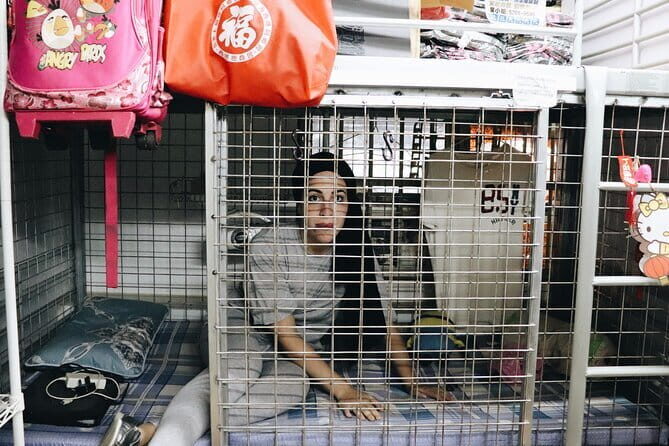
Queen’s Road Central gets you out of the formal-institution zone and into the city’s economic reality. Your guide explains how Hong Kong’s extreme rental economy shaped the urban landscape, including the reality of subdivided living units.
This is a sensitive subject, so the best tours here handle it with care. You’ll want to listen for tone and framing, not just facts. The value of this stop is that it connects policy and property to the street you’re standing on—what looks like a normal commercial corridor can also be a pressure cooker behind the scenes.
Plan for about 10 minutes, and keep your expectations realistic: this isn’t a long neighborhood study. It’s a focused explanation that helps you understand why the city feels dense, layered, and sometimes tight for space.
Central-Mid-Levels Escalators: The World’s Longest Outdoor Link to Everyday Life

Then you get one of Hong Kong’s most practical “wow” systems: the Central-Mid-Levels Escalators. The tour explains why it’s considered the world’s longest outdoor escalator system and how it connects steep hillside neighborhoods through a government urban solution.
Here’s the useful angle: Hong Kong’s hills aren’t a scenic feature. They’re a planning challenge. Your guide talks through engineering challenges and why this kind of system matters for daily movement—commutes, errands, and time-saving on steep slopes.
You’ll spend about 10 minutes on this stop. It’s the kind of moment where photos are easy, but the explanation is what makes it stick. The escalator system isn’t only about convenience; it reflects the city’s ongoing effort to adapt infrastructure to geography.
Wellington Street Food Stories: Wontons, Egg Tarts, and Local Identity
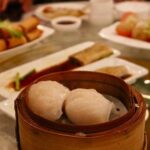
Wellington Street brings the tour back to Hong Kong’s identity through food. Your guide highlights classic dishes like wonton noodles and egg tart—and explains how these foods carry cultural stories, not just flavors.
Even if you’re on a tight schedule, this is a smart stop because food is one of the fastest ways to understand daily life. Food tells you about history, migration, and what people choose when they want comfort that fits real schedules and real budgets.
This part is about 10 minutes. Admission is listed as free, too. Your guide will also provide a short list of area dishes to follow up later, which is useful if you don’t want to spend your whole afternoon searching.
Tip: take a moment to note the food names and then look up nearby options afterward, rather than trying to decide on the spot.
Man Mo Temple: The Incense, Bell, and Drum Ritual You Participate In
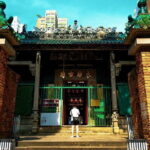
The final stop is Man Mo Temple, where the tour becomes hands-on. You’ll join a guided offering practice that includes incense offerings, ringing the bell, and striking the drum. It’s listed as about 15 minutes, which gives the ritual enough time to feel respectful rather than rushed.
This temple experience is socially engaging because it’s shared. You’re not just watching; you’re participating in a local tradition that many people visit when they want luck, clarity, or a quiet reset.
Admission is listed as free for the stop, so again, you’re paying for guidance and context. The key here is etiquette: follow your guide’s pace, be mindful of incense smoke and space, and keep your attention on the ritual rather than turning it into a fast photo spree.
Who This Tour Suits Best (and Who Might Want Something Else)
This tour fits best if you want a short, high-impact orientation to Hong Kong. It’s ideal for first-time visitors who don’t want to spend days piecing together legal history, financial power, and street-level culture on their own.
It also works well if you like structure. With a planned route, free admissions at the listed stops, and short 10-minute segments (plus the longer temple moment), you’ll cover a lot without getting lost.
Consider another option if you mainly want food tastings or long museum-style entry time, because this tour is not built around that. Also, since the experience requires good weather, plan to bring a backup day mindset if rain or harsh conditions roll in.
Price and Value: Why This Costs So Little (and How It Pays Off)
That $2.63 per person price can look almost too good to be true, so here’s the honest interpretation: the real product is the guided explanation and the route logic. You’re not paying for paid attractions. You’re paying for a local guide who can connect what you see—courts, banks, escalators, temple practice—to why the city looks and behaves the way it does.
The value is strongest if you’re the type who likes learning the story behind landmarks, not just collecting photos. A well-timed route can save hours of guessing, and the guide’s personal stories add depth to otherwise abstract concepts.
With reviews showing 5-star scores and a consistent theme of guides being helpful, caring, and patient, the pricing makes sense. Even better: the tour’s maximum group size (30) helps keep the experience feeling human instead of mechanical.
Should You Book This Central Tip Based Walking Tour?
Yes, if you want a clear, walkable introduction to Hong Kong’s “big ideas” made visible in real buildings and real streets. The combination of law at Court of Final Appeal, financial power at HSBC and Statue Square, daily movement via the Mid-Levels escalators, and a participatory ending at Man Mo Temple creates a strong sense of place in just about two hours.
Skip it only if you need food tastings, long indoor time, or a purely casual wander with no explanations. Otherwise, this is a smart budget pick that helps you understand Central and Sheung Wan without needing a private driver or a guidebook binge.
FAQ
How long is the Hong Kong Central tip-based walking tour?
It runs for about 2 hours.
Where does the tour start and end?
It starts at Central MTR Station (Exit K area) and ends at Man Mo Temple, 124-130 Hollywood Rd, Sheung Wan.
What time does it start?
Start time is listed as 11:00 am.
Is the tour admission ticket free?
Each listed stop notes free admission tickets, and the tour doesn’t list any paid entries as part of the experience.
What’s included in the tour price?
You get a professional local guide and insights with personal stories about the city.
Is food included?
No. Food or beverage tasting is not included.
Is this tour tip-based?
Yes, it’s described as a tip-based walking tour.
How big is the group?
There’s a maximum of 30 travelers.
Do I need good weather for the tour?
Yes, it requires good weather. If it’s canceled due to poor weather, you’ll be offered a different date or a full refund.
Is there free cancellation?
Yes, you can cancel up to 24 hours in advance for a full refund.
If you want, tell me your travel dates and what you already plan to see in Central. I can suggest the best order to pair this with nearby stops before or after the 2-hour walk.