REVIEW · LIJIANG
4 Days Haba Snow Mountain Climbing Tour (Lijiang-Shangri-La)
Book on Viator →Operated by Yunnan Exploration · Bookable on Viator
Haba Snow Mountain sounds heroic until the altitude talks. This 4-day Lijiang–Haba trek focuses on the real climbing routine: acclimate in Haba Village, then move up step by step toward 5,396m. I like the small-group feel, with a maximum of 10 people, and I especially appreciate the way guides keep things organized and human—Jasmine’s calm, detailed attention makes a huge difference.
The one big thing to consider is that this trip is not hard in the technical sense, but altitude sickness is the main challenge. You’ll also start early (including a 2:00 am wake-up for the summit day), so this is best for people who can handle big mornings and high thin air.
In This Review
- Key highlights worth your attention
- Why Haba Snow Mountain feels like the real deal
- Day 1: Upper Tiger Leaping Gorge, then Haba Village prep
- Day 2: The 15 km push to 4,200m Base Camp (yak power included)
- Day 3: The 2:00 am wake-up and 4:00 am summit attempt
- Day 4: Back to Lijiang from Haba Village
- Price and value: is $999 per person fair?
- The best part: Jasmine-style guide support in thin air
- Who this tour suits best (and who should think twice)
- Practical tips that help you get more out of the climb
- Should you book the 4 Days Haba Snow Mountain Climbing Tour?
- FAQ
- Where does the tour start and end?
- How long is the Haba Snow Mountain climbing tour?
- What is the main highlight of the itinerary?
- Is this a hard technical climb?
- What are the major stops on each day?
- How many people are in the group?
- Is pickup offered?
- Does the tour include admission tickets?
- When do the summit plans start on Day 3?
- What happens if weather is poor?
- What is the cancellation policy?
Key highlights worth your attention
- Haba Snow Mountain stays snow-covered year-round and sits just above the snowline at 5,396m
- Guides help you manage altitude pacing, with a base-camp approach instead of a straight grind
- Tiger Leaping Gorge is built in before the climb, so you get scenery and river drama early
- Yak support moves your luggage on the long day to Base Camp (around 4,200m)
- Small group size (max 10) keeps the logistics manageable in cold, low-oxygen conditions
- Jasmine gets repeated praise for being organized, friendly, and on-the-ball with group needs
Why Haba Snow Mountain feels like the real deal
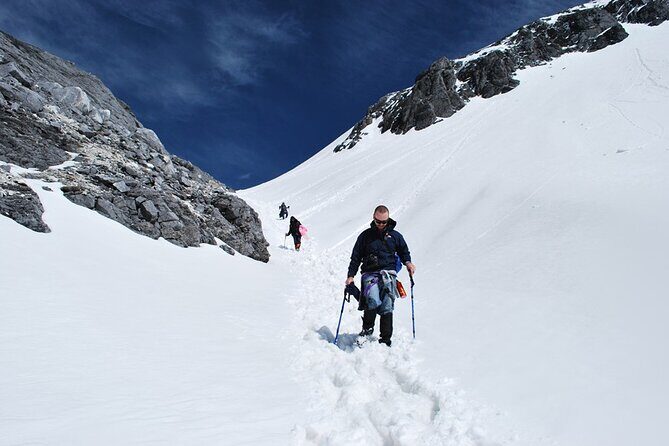
Haba Snow Mountain is 5,396m, right above the snowline, and it stays snow-covered all year. That matters because you’re not doing a pretend winter hike—you’re stepping into a winter-looking environment even when other parts of Yunnan are green and busy. The tour is designed to teach you the typical process of climbing a snow mountain, not just taking photos at a viewpoint.
Here’s what I think you should latch onto: the route is described as not a hard climbing route. In other words, you’re not signing up for technical rock-and-ice scrambling. The problem isn’t your hands—it’s your lungs. At high elevations, your body decides the schedule, and that’s why the itinerary uses staged camps and acclimation time.
A few more Lijiang tours and experiences worth a look

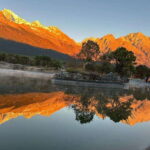
Day 1: Upper Tiger Leaping Gorge, then Haba Village prep
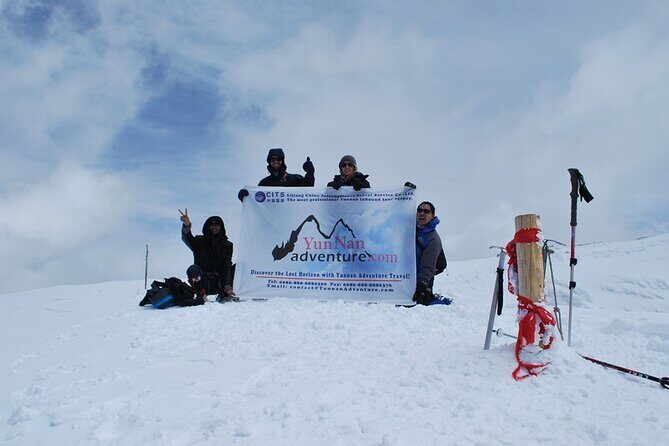
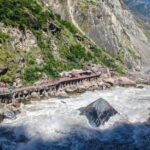
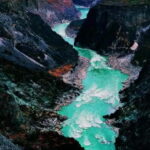
You start from Lijiang Ancient Town area at the South Gate meeting point, and the first major stop is Upper Tiger Leaping Gorge (Hutiao Xia). This isn’t the shortest scenic layover in the world. You drive about 40 km more to reach the upper section, then take in a dramatic stretch of the Yangtze River known locally as the Jinsha. The gorge is described as the deepest in the world, with 34 rapids in the area—so you get that sense of force fast.
If you’re wondering why this matters on a climbing trip, it’s simple: it helps you ease into the day’s rhythm without jumping straight onto steep altitude effort. You’re also absorbing the region’s geography before Haba becomes your focus.
After the gorge, you head to Haba Village, a small Naxi village at the foot of the mountain. You arrive at the Haba Snow Mountain Guesthouse in the village, where you’ll prepare your equipment and get your body ready for acclimation. One practical thing here: you’re at the starting zone, so you can slow down, check gear, and focus on staying comfortable rather than trying to impress anyone with speed.
Admission tickets are included at both Day 1 stops, which is one less line item you have to manage while you’re trying to plan warm layers, snacks, and energy.
Day 2: The 15 km push to 4,200m Base Camp (yak power included)
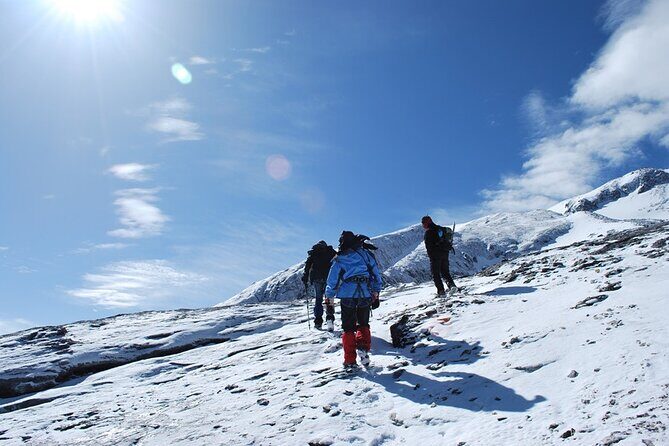
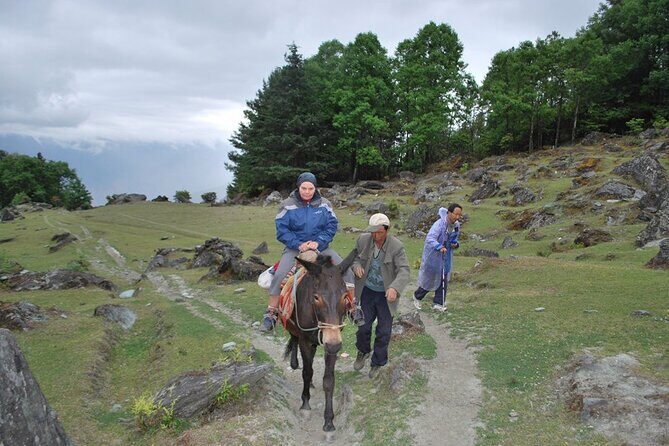
Day 2 is the workload day. You trek up to the Base Camp at about 4,200m, and the plan is roughly 15 km with about 7 hours of walking. That’s a long uphill day even if the trail feels straightforward.
What I like about this schedule is the logistics: yaks take your luggage. This isn’t about luxury; it’s about cutting the weight you carry when you’re already fighting thinner air. When you’re short on oxygen, heavy legs feel twice as heavy. Having your bag handled by pack animals helps you focus on steady steps and breathing.
You’ll have a picnic lunch at Haba Snow Mountain during the trek. Picnic-style meals at elevation are common for a reason: you’re likely to be moving through stretches where stopping for a formal sit-down meal would be a time-sink and a cold-weather problem.
A key detail that you should take seriously: this is a long walking day. You should plan your effort like you’re training for tomorrow’s summit attempt—steady and controlled, not heroic.
Day 3: The 2:00 am wake-up and 4:00 am summit attempt
This is the day that separates a mountain tour from a regular hike. You’ll get up at 2:00 am, prepare your equipment, and have a simple breakfast. Before leaving for the top at 4:00 AM, you’ll check your health condition. That health check is not just a formality. On high-altitude days, how you feel can change fast, and the tour structure is built to respond to that reality.
The plan is to leave most luggage at Camp 1. You bring what you need for the push, which again ties back to altitude comfort. Carrying less helps you keep your pace consistent and reduces the urge to rush uphill just to get it over with.
Expect this to be long. The day is described as about 9 hours total, and that matches what most summit-style days feel like: pre-dawn effort, sustained cold, and a slow climb where breath and rhythm matter more than speed.
A realistic expectation: because the route is not technical, the summit attempt still feels intense. Cold air dries you out. The effort can make your steps feel slow even when you’re moving continuously. This is exactly why the climb is staged—today is hard because altitude is hard, not because the trail is a ladder.
Day 4: Back to Lijiang from Haba Village
Once you finish the mountain portion, the final day is simpler in structure. You drive back to Lijiang from Haba Village. There’s also a stop that references Tiger Leaping Gorge (Hutiao Xia), giving you one last chance to connect the climb to the broader region.
For many people, Day 4 is where the climb finally lands in your body. The earlier days are about motion and survival rhythm. The return gives you space to think about what your lungs learned and what your legs carried.
Even if you feel tired, use the ride time to drink water and recover. High-altitude days can leave you dehydrated even when you don’t feel dramatic.
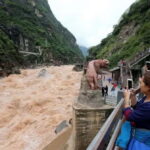
Price and value: is $999 per person fair?
At $999 per person, this tour isn’t cheap. But you’re paying for more than a trail. You’re paying for a structured high-altitude plan, small-group management (max 10), and included admission tickets at the key stops. You’re also getting real climbing-day logistics—like having yaks handle luggage on the Base Camp trek, which is exactly the kind of cost that adds up.
You should also consider the timing. The tour is booked on average about 26 days in advance, which suggests many people plan this as a deliberate trip rather than a last-minute gamble. Weather matters for mountain climbing, so earlier planning can help reduce stress.
There’s also a group-discount element noted for this experience. If you’re traveling with friends or can join a compatible group, you may get better overall value than booking solo travel arrangements on your own.
In short: $999 makes sense if you want a guided altitude-focused climb that handles the hard parts of logistics so you can focus on pacing and safety.
The best part: Jasmine-style guide support in thin air
The reviews you provided put the spotlight on Jasmine’s role. That’s not a small detail. On summit days, good guiding isn’t about charisma—it’s about decision-making and keeping people moving safely.
Jasmine is praised for being engaging, knowledgeable in how she handles the day, understanding and friendly, and meticulous about details so the trip feels seamless. There’s also a story about flexibility when plans had to change due to mountain closure risk in the early season. That matters for you because mountain authorities can shift access. A guide who can respond fast keeps your time from turning into chaos.
If you’re the kind of traveler who worries about being behind, confused, or the slow one in a cold line, this kind of organized, attentive guiding is one of the biggest value points in the whole experience.
Who this tour suits best (and who should think twice)
This trip is a good match if you:
- Have strong physical fitness and can handle a long walking day around 4,200m
- Want a typical snow-mountain climb process rather than a casual sightseeing outing
- Are curious about reaching a 5,396m summit and you accept that altitude is the main challenge
- Prefer small-group organization rather than big buses and crowds
You should think twice if:
- You’re nervous about early starts. Day 3 begins with a 2:00 am wake-up and a 4:00 AM departure.
- You know you struggle with altitude sickness or have medical constraints that could be risky at high elevation.
- You want a guaranteed, relaxed schedule regardless of weather. The experience requires good weather, and it can be canceled due to poor conditions.
Also, remember: even if the climbing route is described as not hard, your body has to do the heavy lifting.
Practical tips that help you get more out of the climb
These are common-sense tactics that match what the itinerary asks of you:
- Pace like you’re training for tomorrow. Day 2 is long, and going too fast can hurt your summit-day odds.
- Keep your energy steady on the 4:00 AM push. Cold mornings make people rush. Don’t.
- Treat the health check seriously. If you feel off, speak up early. Altitude doesn’t reward silence.
- Bring gear that handles cold and wind. You’ll be above the snowline and spending early hours outside.
- Plan for the basics: hydration and warm layers matter more than you think when you’re at altitude.
Should you book the 4 Days Haba Snow Mountain Climbing Tour?
Book it if you want a structured, guided snow mountain experience that treats altitude as the real challenge. The small group size, yak-supported luggage on the Base Camp trek, built-in staging, and the standout support from Jasmine make this a practical choice for people who want the Haba climb to feel guided and manageable.
Skip it if your main goal is relaxed sightseeing, or if early mornings and altitude risk feel like a bad match for your comfort level. In that case, you’ll probably enjoy Yunnan more with a lower-elevation plan.
If you do book, go in with the right mindset: you’re not conquering a mountain with speed. You’re earning the summit step by step, and the itinerary is built to help you do that safely—while also fitting in Tiger Leaping Gorge so you get more than just cold snow days.
FAQ
Where does the tour start and end?
The experience starts at Lijiang Ancient Town (South Gate), located in Yun Nan Sheng, Li Jiang Shi, Gu Cheng Qu, 步行街东大街1号 (postal code 674100). It ends back at the same meeting point.
How long is the Haba Snow Mountain climbing tour?
The tour is listed as 4 days (approximately).
What is the main highlight of the itinerary?
The key highlight is climbing Haba Snow Mountain, which is 5,396m and covered with snow all year. The tour also includes a stop at Tiger Leaping Gorge.
Is this a hard technical climb?
The route is described as not a hard climbing route. The biggest difficulty is dealing with high altitude sickness.
What are the major stops on each day?
Day 1 includes Upper Tiger Leaping Gorge and Haba Village. Day 2 is the trek to Base Camp at about 4,200m (around 15 km). Day 3 is the early start to go up toward the top. Day 4 returns to Lijiang from Haba Village.
How many people are in the group?
The tour has a maximum of 10 travelers.
Is pickup offered?
Yes, pickup is offered.
Does the tour include admission tickets?
Admission tickets are included for the listed stops on the itinerary.
When do the summit plans start on Day 3?
You wake up at 2:00 am, prepare and have a simple breakfast, and then leave for the top at 4:00 am.
What happens if weather is poor?
The experience requires good weather. If it’s canceled due to poor weather, you’ll be offered a different date or a full refund.
What is the cancellation policy?
You can cancel for a full refund up to 24 hours in advance of the experience start time. If you cancel less than 24 hours before, the amount paid is not refunded.