REVIEW · LIJIANG
6-Day Go Beyond Shangrila for Wine & Tibetan Culture of Yunnan
Book on Viator →Operated by Lost Plate · Bookable on Viator
Wine, Tibet, and real villages in one route. I love how this trip ties winery stops to big, shared minority meals in places that don’t feel built for tourists. I also love the small, hands-on moments—like learning how a family has made tofu for generations—so the food feels earned, not staged.
The biggest thing to consider is the pace and altitude. You’ll do long drives between regions and take a bumpy jeep ride up toward 4000m for Yubeng, with limited space for what you can bring for those nights.
In This Review
- Key Things That Make This Trip Worth Your Time
- Shuhe Ancient Town: an easy start before the bumpy stuff
- Lijiang to Weixi and Hada Village: white wine, tofu lessons, and canyon roads
- The Lisu village of old houses and Cizhong’s rare grape story
- Meili Mountain country: the jeep ride to Yubeng Village (and the altitude reality)
- Yubeng’s Sacred Waterfall: a tough hike or a calm village day
- Shangri-La County: wine tastings, the prayer wheel, and old-town evenings
- Shangri-La grasslands and stone BBQ: a meal you eat with your hands
- Songzanlin Monastery: largest in Yunnan and high-altitude viewpoints
- Last day in Shangri-La old town: shopping time and a smooth exit
- Price and value: what $2,200 buys you here
- Who this tour suits best (and who might not love it)
- Should you book this trip?
- FAQ
- How long is the tour?
- What’s the price per person?
- Do I get airport pickup and drop-off?
- How many people are in the group?
- Is there any luggage limit for Yubeng Village?
- What hiking is included, and how hard is it?
- What if I need to cancel?
Key Things That Make This Trip Worth Your Time
- Winery tastings with mountain-valley views, plus a chance to learn from the winemakers’ story
- Hands-on food culture, including family-hosted cooking traditions like tofu
- Off-the-tourist-track villages, including an older, well-preserved Lisu community and a tiny hillside wine grape story
- Yubeng Village access by jeep, with altitude changes and a luggage limit that keeps you light
- Meili Mountain region highlights, including the Sacred Waterfall for Tibetan pilgrims
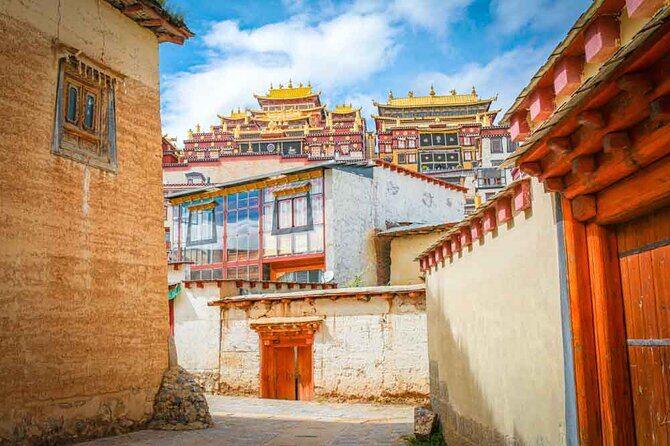
- Songzanlin Monastery visit, with big architecture and sweeping views from a high viewpoint
Shuhe Ancient Town: an easy start before the bumpy stuff
Your trip kicks off with time to settle into your hotel in Shuhe Old Town and get your bearings fast. It’s a walkable area with cobblestone streets and lots of small tea and coffee spots. If you arrive early, you have room to wander without feeling rushed.
On the first evening, you’ll sit down at a local Naxi restaurant within walking distance. This is a smart way to start: you get your first taste of Naxi flavors right away, then meet your English-speaking guide and the group.
Practical tip: wear comfortable shoes. Shuhe is best on foot, and the cobbles add up if you’re wandering in both directions all night.
You can also read our reviews of more tours and experiences in Lijiang.

Lijiang to Weixi and Hada Village: white wine, tofu lessons, and canyon roads
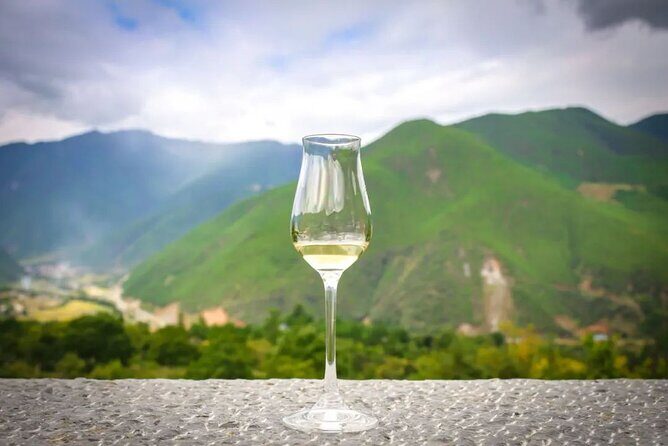
Day two heads out of Lijiang and into mountain canyons. You’ll reach Weixi County and stop in Hada, a small village in a green river valley. The best part here is the “in-between” feeling—valleys, quiet roads, and views that make the travel time feel worth it.
After a local lunch, you’ll visit a nearby winery set up for scenic lounging. Here you’ll sample the trip’s white wines, plus you’ll get a sense of how local winemakers think about their land and product.
Then comes one of the most memorable cultural beats: at a local home, you’ll learn how the family has made tofu since ancient times. That kind of lesson changes how you see tofu everywhere else. Instead of a menu item, you understand the craft and patience behind it.
Possible drawback: this day is all about “moving through places,” so if you hate long car time, you’ll want to pace yourself and hydrate well.
The Lisu village of old houses and Cizhong’s rare grape story
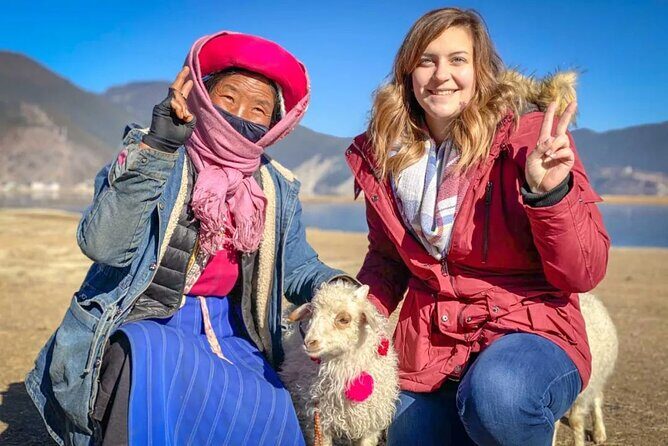
Day three turns more rugged and more interesting in a way you can feel. You’ll head to a rustic hillside village completely off the typical tourist track: Cizhong area, home to an older, well-preserved Lisu minority community.
You’ll explore 300-year-old houses and get a picture of daily life that’s still local-first. And then the food steals the show. The highlight is a cured ham leg porridge that stews for four hours before it reaches the table. That long cooking time matters—it means the dish is less about show and more about getting it right.
Next up is Cizhong Church, tied to Catholic roots starting in 1867 with a French missionary. Locals still practice Catholicism, and from that era came a type of wine grape that has since died out elsewhere—so Cizhong is described as the only place in the world with this grape. Even if you’re not a grape nerd (no judgment), that fact gives the area a strange, specific kind of historical hook.
Value tip: this is the kind of stop where it helps to slow down. If you rush pictures and forget to eat, you’ll miss the point.
Meili Mountain country: the jeep ride to Yubeng Village (and the altitude reality)
On day four, you head toward Meili Mountain and Yubeng Village, known locally as Heaven on Earth. This is the “go beyond” part in a practical sense: Yubeng is made up of 23 families and has been largely inaccessible for most of history. That means fewer crowds and more day-to-day village atmosphere.
To reach Yubeng, you take jeeps on a bumpy climb that goes up to around 4000m before descending into the village. The ride is part of the experience, but it also means you need to travel light. Because jeep space is limited, you can only bring a small overnight bag/backpack for these two nights. The rest of your luggage is stored securely in the van.
What you’ll like: Yubeng’s views come from every direction—lush valleys below and glaciated ridges nearby, all pointed toward Meili Mountain. The village is also built for walking at your own pace. You’ll get time to relax and explore on foot.
Altitude consideration: this trip says most travelers can participate, but 4000m is still a big deal. Go slow. Eat what you can. Drink water. If you’re prone to headaches, pack what you normally use and don’t ignore early symptoms.
Yubeng’s Sacred Waterfall: a tough hike or a calm village day
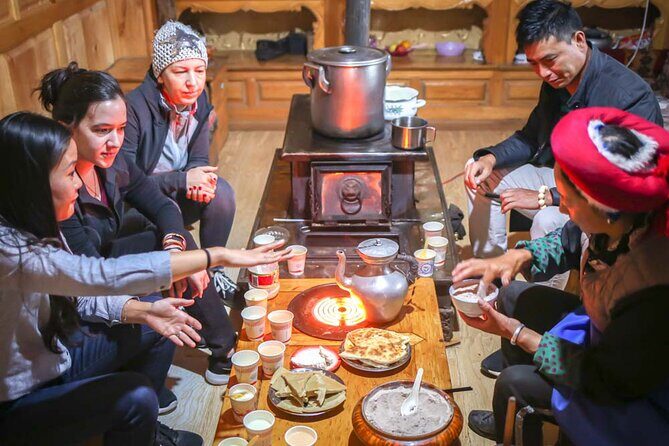
Day five focuses on either the Sacred Waterfall hike or a quieter day in Yubeng. If you go for the hike, plan for effort. It climbs about 300m at high altitude and is described as a 15km round trip. Even with a paved trail and stairs, it’s still strenuous.
You’ll walk to a Sacred Waterfall that Tibetan pilgrims travel to for prayers and blessings. The waters are said to cleanse your soul, wash away sins, and bring blessings for the year ahead. If you respect local customs, this stop feels meaningful because it’s tied to living belief—not just a photo spot.
If hiking isn’t your thing, you can stay back and explore Yubeng village instead. Options include relaxing by a fire or taking in views from rooftops depending on the weather. That flexibility is important on this kind of route; not every day has to be a test of willpower.
Packing note (based on the hike description): bring good walking or hiking shoes and plan for layered clothing. Alpine weather changes fast.
Shangri-La County: wine tastings, the prayer wheel, and old-town evenings
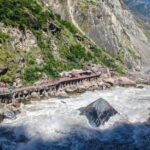
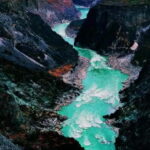
Day six shifts into Shangri-La County, with a mix of altitude views and cultural sights. You’ll ride back from Yubeng by jeep and van, stop for a local lunch, and stretch your legs at an overlook where you can see the Jinsha River’s 360-degree bend.
Then it’s back to wine—your third winery stop, still with big mountain views. You’ll taste more red and white wines across the trip, and the point isn’t just sipping. You get the local story behind winemakers and how the region supports viticulture.
Later, you’ll have free time in Shangri-La. Shopping for local handicrafts and checking out tea and coffee is part of the fun, and it’s flexible. Before dinner, you’ll visit what’s described as the biggest Tibetan prayer wheel in the world, within walking distance of your hotel. After dinner, you’ll explore Shangri-La old town for two nights.
This is a good day for slower evenings. The long drives add up, so having a local night scene helps you reset.
Shangri-La grasslands and stone BBQ: a meal you eat with your hands
Day seven starts with a view-focused outing into the vast Shangri-La grasslands. You may see horses and yak grazing, plus Tibetan villages along the hills.
For lunch, you’ll do a BBQ on large slabs of white stone. The method matters: the stone is heated and brought to your table, then you grill selections of local meats and veggies right there. You’ll also have melt-in-your-mouth tofu cooked in the same way.
I love meals like this because they’re social and tactile. You’re not just ordering; you’re cooking together, and it feels like you’re part of the process.
Songzanlin Monastery: largest in Yunnan and high-altitude viewpoints
Later on day seven, you visit Songzanlin Scenic Area. The monastery sits above a pedestrian-only village with Tibetan temples, which keeps the area feeling calmer and more traditional.
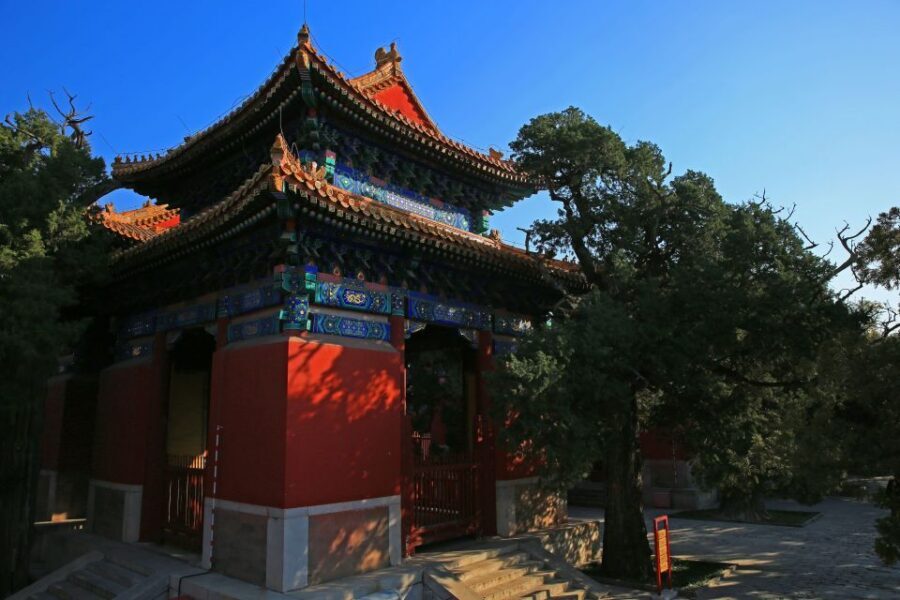
From there, you’ll climb to see the largest Tibetan Monastery in Yunnan, dating back to 1679. The architecture is described as grand, with frescoes, sculptures, and impressive structures. At a viewpoint around 3300 meters, you also get sweeping views of the nearby highland area.
This is the kind of stop where you’ll want to take breaks. The climb and the altitude can make you speed-walk without noticing details. Pause. Look at the art. Read the space with your eyes, not your legs.
Last day in Shangri-La old town: shopping time and a smooth exit
On day eight, you have time for last moments in Yunnan. You can explore Shangri-La old town for last-minute shopping or cafe hopping. If you have a flight later, you’ll get recommendations for the day. Airport drop-off is included anytime today.
If you’re coming from another Chinese city, this is the practical way to end: no rushed “one last attraction,” just a calm send-off and help with transport timing back to the airport or onward routes if you’re returning to Lijiang.
Price and value: what $2,200 buys you here
At $2,200 per person for the full run, you’re paying for more than sightseeing. The value comes from four big areas:
- Multiple included meals: breakfast is included every morning (7), plus lunches on most days (6) and dinners on all key nights (7). That reduces decision fatigue and keeps you fed during long drive days.
- Alcoholic beverages included: winery days are more than a quick sample. You’ll have time to taste and talk rather than rushing to “just get the check.”
- A small group (maximum 10 travelers): that matters when roads get slow and when jeep seating limits what you can bring for Yubeng.
- Real-access logistics: airport pickup and drop-off, air-conditioned vehicle during travel days, and the on-route plan to reach places like Cizhong and Yubeng.
If your idea of value is lots of free time with no structure, this might feel scheduled. If you like your days to have purpose—food, wine, and cultural stops with built-in transport—this price starts to make sense.
Who this tour suits best (and who might not love it)
This fits you if you:
- care about food and wine as cultural storytelling, not just activities
- want off-the-track villages and authentic home-cooked meals
- don’t mind long drives between regions
- are ready for altitude and some hiking effort
It may not fit you if you:
- dislike any bumpy rides and prefer smooth, city-style transport only
- want a very relaxed itinerary with minimal physical demands
- have trouble with altitude and don’t plan for slower pacing
One more thought: this is a food-forward trip. Even when the scenery is the headline, the schedule keeps pointing you back toward what people eat and how they make it.
Should you book this trip?
I think this is a strong book if you want Yunnan’s Tibetan region in a way that feels specific. You’re not just visiting famous viewpoints—you’re tasting wines in mountain valleys, eating minority cuisine that takes hours to cook, and spending real time in places like Yubeng where the route matters as much as the destination.
Book it if you’re excited by the mix of wine + Tibetan culture + villages, and you’re comfortable with a bit of travel friction. Skip it only if you can’t handle altitude days or long stretches in the car.
If you want a trip where the meals are genuinely memorable and the cultural stops are more than checkboxes, this one has the right ingredients.
FAQ
How long is the tour?
The experience is listed as 8 days (approx.) with 7 nights in guesthouses.
What’s the price per person?
The price is $2,200.00 per person.
Do I get airport pickup and drop-off?
Yes. There’s airport pick-up on the first day and airport drop-off on the last day.
How many people are in the group?
The tour has a maximum of 10 travelers.
Is there any luggage limit for Yubeng Village?
Yes. For the jeep part to Yubeng and the two nights there, you can bring only a small overnight bag/backpack. The rest of your luggage is stored securely in the van.
What hiking is included, and how hard is it?
You can hike to the Sacred Waterfall above Yubeng. It’s described as a 15km round trip and climbs about 300m at high altitude, and it’s labeled strenuous.
What if I need to cancel?
This experience is non-refundable and cannot be changed for any reason. It also requires a minimum number of travelers; if the minimum isn’t met, you’ll be offered a different date/experience or a full refund.