REVIEW · BEIJING
A Beijing Tour of Essentials Along the Central Axis
Book on GetYourGuide →Operated by Wander with Jacob · Bookable on GetYourGuide
Beijing’s Central Axis is a living timeline. Starting at Tiananmen Square and threading your way toward the Forbidden City, this tour turns big landmarks into an easy, logical route you can actually follow (even if you’re a bit jet-lagged). I especially like how the day mixes monumental sites with street-level Beijing—history you can see, plus real neighborhoods you can feel.
What I like even more is the pacing and the guide. The Forbidden City portion isn’t just walking—it’s about knowing where to look and why. Then you swing toward Qianmen Street for a preserved slice of hutong culture before heading to Wangfujing and the view from Jingshan Park. One drawback to consider: the day can run long (up to 8 hours) and crowds can be heavy, so you’ll want comfortable shoes and a patient mindset, especially around major public areas.
In This Review
- Key things that make this tour worth your time
- Why Beijing’s Central Axis Works for a First-Time Day
- Tiananmen Square: what to notice on the world’s biggest urban plaza
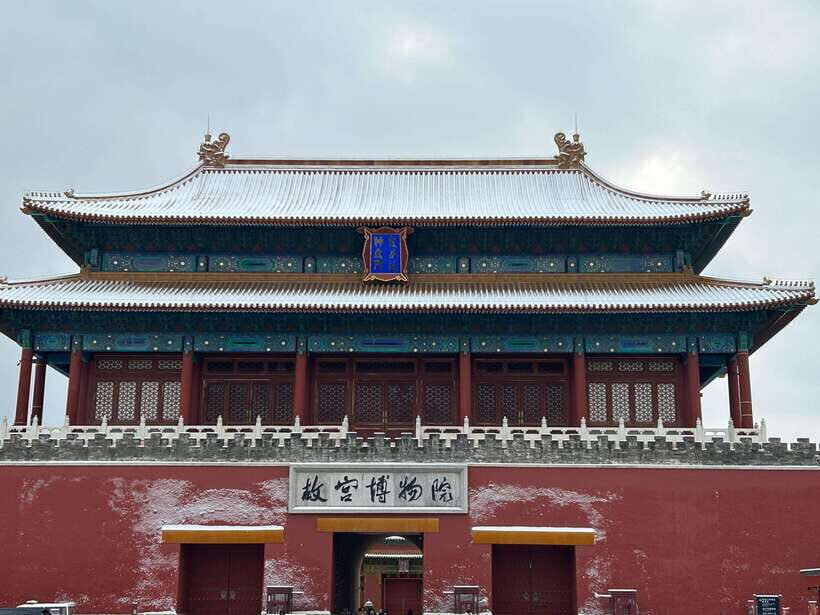
- Crossing to the Forbidden City through Tian’an Men Gate
- Qianmen Street and preserved hutong culture at Beijing’s south gate
- Wangfujing: stepping from imperial scale into street-level modern Beijing
- Jingshan Park: the quick way to understand the city’s layout
- The guide factor: what makes the difference in a day like this
- Price and value: what $42 buys you (and what it doesn’t)
- Logistics that matter: booking early, packing smart, and handling check-in
- Should you book this Beijing Central Axis essentials tour?
- FAQ
- How long is the tour?
- Where does the tour start, and is pickup available?
- What’s included in the price?
- What attractions are covered?
- What should I bring?
- What’s the cancellation policy?
Key things that make this tour worth your time
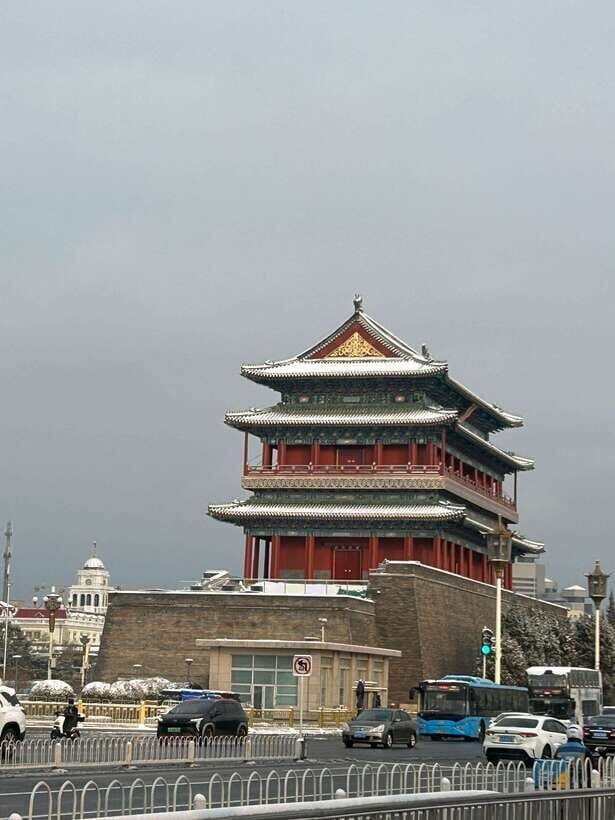
- Central Axis route that makes the city click: major points in the right order, without guesswork
- Reserved entry included for the headline sites, which saves you time when lines are long
- Qianmen Street hutong atmosphere: a more preserved, older-beijing-feel stop on the route
- Future Beijing at Wangfujing: street energy after all that imperial scale
- Jingshan Park viewpoint: a simple way to understand how Beijing is laid out
Why Beijing’s Central Axis Works for a First-Time Day
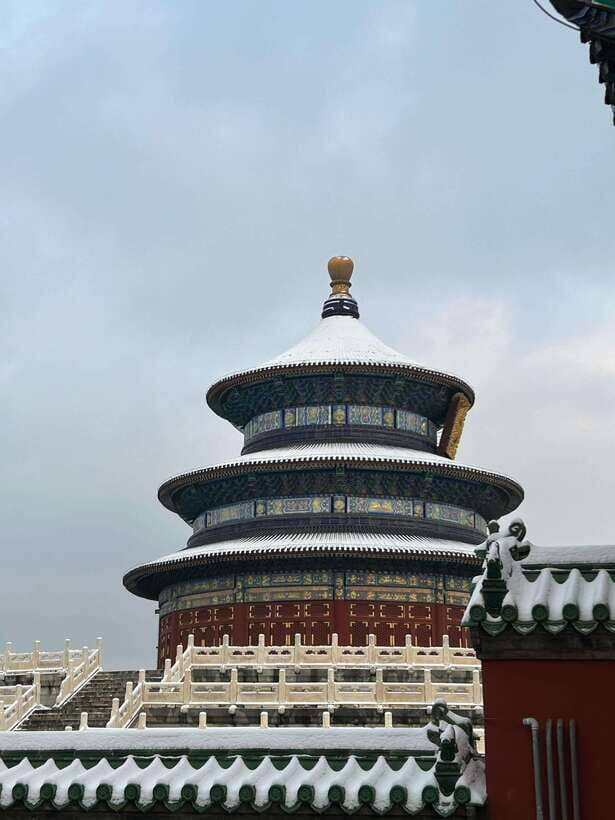
If you’ve only got one or a few hours in Beijing, the Central Axis is your cheat code. It’s the spine of the city—palace, gates, public squares, then markets—so your brain starts mapping the capital quickly. I like that this route doesn’t scatter you across town. Instead, you follow a corridor of meaning: each stop explains the next one.
This tour also handles one of the biggest first-time problems in Beijing: decision fatigue. You don’t have to figure out how long each site will take, which entrance to use, or how to connect the landmarks. You get a guided flow from Tiananmen Square, to Tian’an Men Gate, to the Palace Museum, then south to Qianmen and on to Wangfujing, finishing with the big-picture view from Jingshan Park.
The value of that structure is practical. You’ll spend less energy sorting logistics and more energy absorbing what you’re seeing. That matters, because with big-ticket places, the difference between an exhausting day and a satisfying one is often how well you’re guided.
You can also read our reviews of more tours and experiences in Beijing.

Tiananmen Square: what to notice on the world’s biggest urban plaza
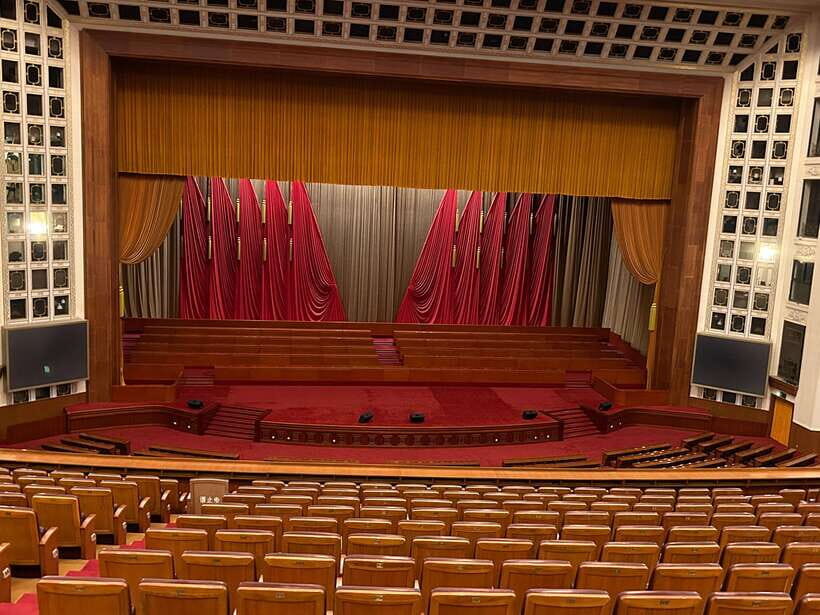
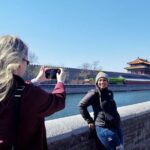
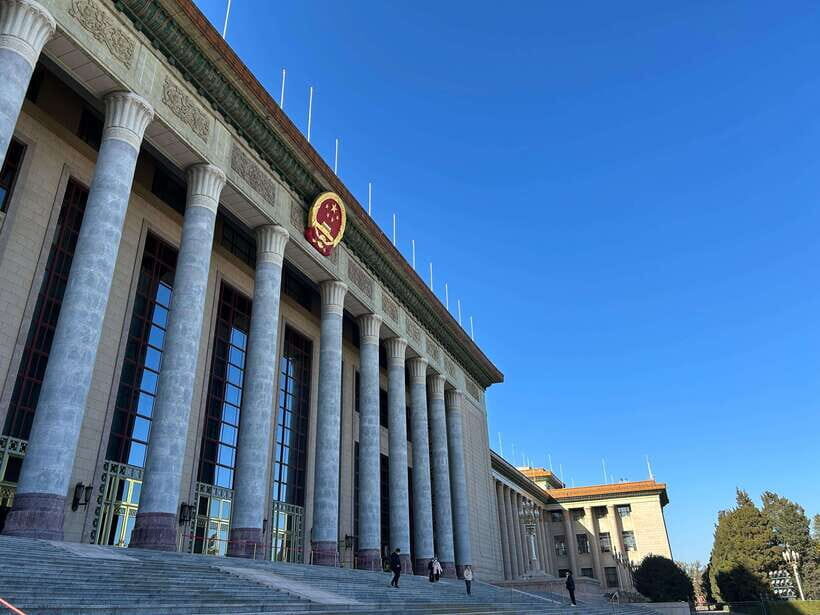
You start at Tiananmen Square, described as the largest urban plaza in the world—so yes, it’s huge. The tour helps you understand what you’re looking at right away, instead of just letting you stare at scale. You’ll see the National Museum of China, Chairman Mao Memorial Hall, the Great Hall of People, and Zhengyangmen Gate in the square.
Timing matters here. Even with a guided start, the square can feel like it has its own weather system: crowds, flags, and constant motion. The good news is that the tour builds in an organized flow, including a local café break with free time for about 30 minutes before you step deeper into the day.
My favorite part of this beginning isn’t just the sight—it’s the grounding. Tiananmen Square sets the political and public tone of modern Beijing, then you move under an underpass toward Tian’an Men Gate. That little transition helps you switch gears: from public plaza to imperial gateway, from 20th-century power to centuries before it.
Practical note: have your ID or passport ready. For this kind of security-heavy area, getting checked smoothly is half the battle.
Crossing to the Forbidden City through Tian’an Men Gate
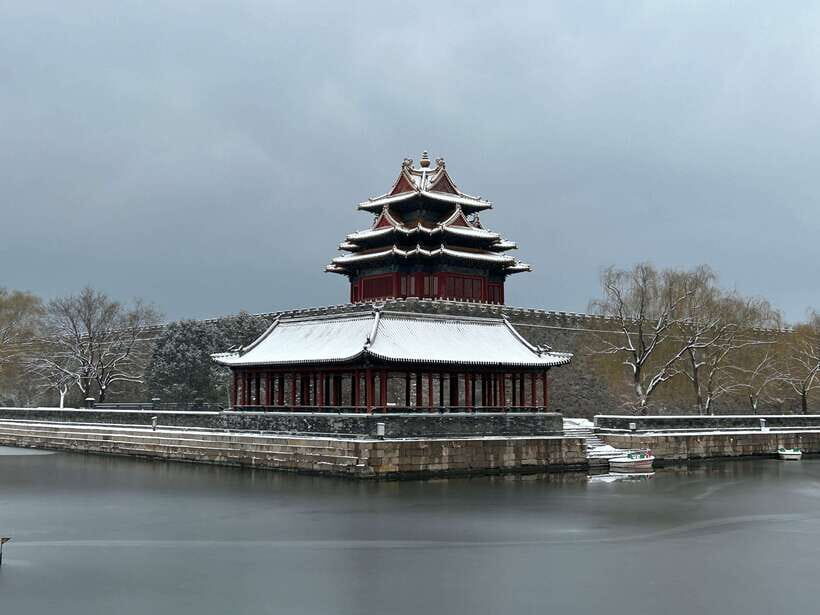
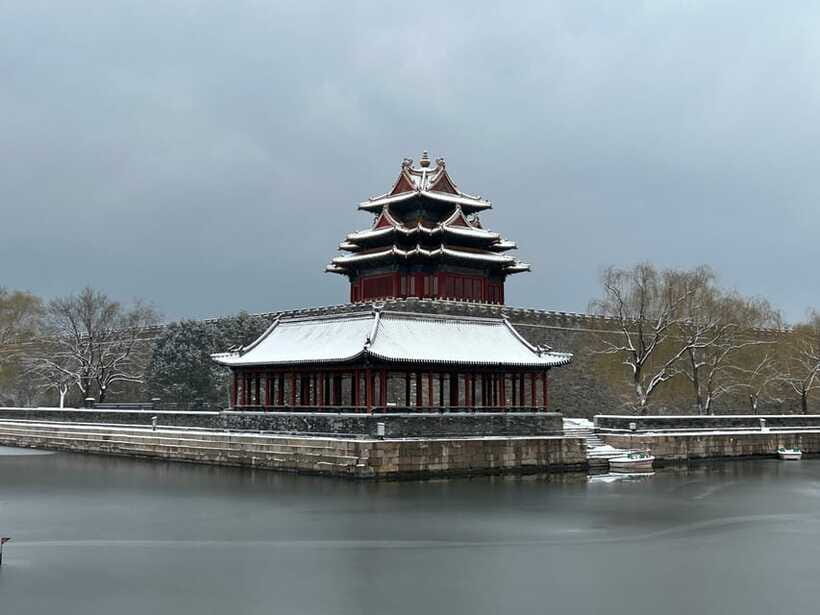
From Tian’an Men Gate, the route aims you straight toward the Palace Museum—often called the Forbidden City. This is where the tour becomes less about “seeing a famous place” and more about making sense of it.
The Forbidden City is a complex site. Without guidance, it’s easy to wander and lose your thread. The tour includes reserved entering, plus in-person guidance, so you’re not just paying to walk through buildings. You’re learning what to focus on and how the spaces relate to each other. That’s especially valuable when you have a limited window and the temptation is to see everything at once.
You’ll be looking at the Forbidden City as a witnessed witness of the rise and fall of modern China—an angle that gives the architecture context. It’s not only decorative. It’s political. It’s historical. And when you connect the dots between what you saw in Tiananmen Square and what you’re seeing here, the whole day feels like one story instead of separate stops.
One thing to watch: the museum visit is long on purpose (about 3 hours). That’s good for depth, but you’ll want comfortable pacing. Bring water if allowed and keep your feet happy. This isn’t a “quick peek” stop.
Qianmen Street and preserved hutong culture at Beijing’s south gate
After the Palace Museum, you head toward Qianmen Street, with time for both sightseeing and shopping (about an hour of free time is built in). This stop is the bridge between the palace scale and everyday Beijing.
What I like here is the hutong angle. The tour specifically targets the preserved side of Qianmen, where a good chunk of the older neighborhood character remains. Hutongs can be hit-or-miss depending on where you go, but this route keeps you in the “more preserved” zone instead of random back alleys.
Qianmen also helps your day feel more human. After the high-drama geometry of palaces and gates, you get street life, shops, and that older-beijing texture. If you want souvenirs, this is also usually the easiest time to buy without rushing. Just remember that “shopping time” is still time—if you want snacks, tea, or small gifts, plan to move slowly.
A practical drawback: if you’re sensitive to crowds, Qianmen can still be busy because it sits close to major routes. The upside is that you’re not just in a quiet museum world anymore—you’re in a real commercial neighborhood.
Wangfujing: stepping from imperial scale into street-level modern Beijing
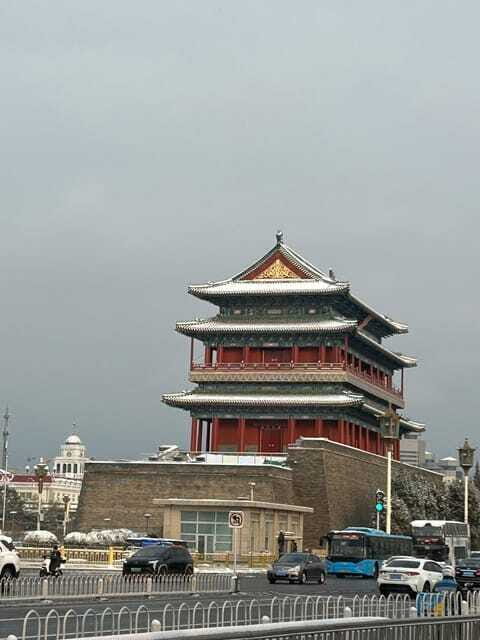
Then you shift to Wangfujing Street, framed here as the future-of-Beijing stop. Expect a different vibe than Qianmen. It’s more modern, more commercial, and it tends to pull you into the rhythm of the city as it is now.
I think Wangfujing works best for travelers who want contrast. The first half of the day teaches you the official Beijing story. The second half shows you the consumer Beijing story. When you stand there after the Forbidden City, it’s easier to see change rather than just collect sights.
Your stop here is about one hour. That’s enough time to walk, people-watch, and grab something small to eat if you want. It’s not long enough to treat it like a dedicated shopping day, but it’s perfect as a reset between major sites.
If you’re the type who wants one or two “signature Beijing” streets, Wangfujing is a solid match. If you prefer quieter neighborhoods, you might find this portion a bit more commercial than you’d like—but as a contrast, it’s doing useful work.




Jingshan Park: the quick way to understand the city’s layout
You finish at Jingshan Park, climbing for a viewpoint over the city. This is a smart ending. After hours of walking through complexes and streets, a panoramic view helps you place what you saw. You’re not only tired—you’re suddenly able to connect.
Jingshan is about perspective. From up high, the scale of Beijing’s key zones becomes clearer. It’s a fast lesson in the city’s arrangement, and it also gives you a satisfying “wrap-up” moment before heading back.
This stop is about one hour, so it’s not a huge commitment. It also works as a decompression window. By then, you’ve absorbed Tiananmen, the Palace Museum, the Qianmen street feel, and the modern pulse of Wangfujing. Jingshan lets your day end with clarity instead of exhaustion.
The guide factor: what makes the difference in a day like this
A day like this lives or dies by the guide. Based on how Jacob has been described in past bookings, the standout strengths are professionalism and patience. People also highlight his knowledge about the city and its history, plus a knack for being available for questions.
That matters because these sites are complex in different ways. Tiananmen Square has symbolism and layout. The Forbidden City has structure and hierarchy. Qianmen and Wangfujing are about atmosphere, rhythm, and what to look for in street life. When your guide can switch styles—historical context to practical pointers—it keeps the day from feeling like a checklist.
Small-group or private options can also change your experience. In a smaller group, you can ask follow-ups without losing the pace of the schedule. If you prefer a more personal experience, that’s where private or small groups shine.
The occasional negative note worth keeping in mind: one booking reported a misunderstanding that left them continuing a portion on their own. The lesson here is simple: confirm the plan before each major handoff—especially after breaks—so you stay with the group and your day matches what you paid for.
Price and value: what $42 buys you (and what it doesn’t)
At $42 per person, the big value driver is that tickets and reserved entering are included for the major stops. You’re also getting in-person guidance, plus a guidance component before entering China. The tour is designed to reduce friction: less time negotiating entry, fewer decisions, and more time understanding what you’re seeing.
Transportation is partly covered, but not fully. The information states transportation is included (with airport express not included). Also, transporting fee from your meeting point to the attractions is not included. So the true value depends on where you start and how you reach the meeting point.
Pickup is optional, and it’s free in many central Beijing districts, but suburban areas cost extra. The listed districts that are typically free for pickup include Dongcheng, Xicheng, Haidian, Chaoyang, Fengtai, Daxing, Shijingshan, and Shunyi. If you’re staying farther out, you’ll want to factor that add-on into the overall cost.
Who this fits best:
- First-timers who want a coherent day across the Central Axis
- People who prefer guided context over self-navigation
- Travelers who want ticket help and reserved entry handled
Who might hesitate:
- Anyone who hates crowds or needs flexible pacing all day
- Travelers who only want one or two stops and don’t care about the full route
Logistics that matter: booking early, packing smart, and handling check-in
This is the kind of tour where early planning pays off. There’s a book-early policy, and it’s recommended to book about 7 days before arrival. Then you’re asked to email details like passport number(s), phone number(s) if you have them, and where you want pickup from (arrival station/hotel/airport). For you, the benefit is smoother entry and fewer last-minute scrambles.
What to bring is straightforward: an ID/passport, and for children, their passport or ID card.
Also, follow the security guidance closely. The tour notes that due to highly secured policy, don’t bring dangerous items. If a diplomatic or security issue happens, the tour could be canceled or parts might not be visited. That’s not something you can control, but it’s good to plan with a bit of flexibility—especially if your trip schedule is tight.
One more practical angle: the tour duration is listed as 2.5 to 8 hours. That range is normal for major public areas where time can shift with entry flow and crowd conditions. If you’ve got a later reservation that must happen at a specific time, keep some buffer.
Should you book this Beijing Central Axis essentials tour?
Book it if you want an organized, high-impact Beijing day that connects modern political landmarks to imperial architecture, then finishes with street life and a city view. For the price, the reserved entering and the in-person guidance make this feel efficient, not just inexpensive.
Don’t book it if your ideal Beijing day is quiet, slow, and off-the-beaten path. This tour is built for scale and structure, and you’ll be spending time in major public areas.
My final advice: if you book, do the prep. Send the requested passport and pickup details in time, show up with comfortable shoes, and be clear about the meeting points after each break. If you do that, this Central Axis route is one of the easiest ways to get your head around Beijing fast.
FAQ
How long is the tour?
It runs from 2.5 to 8 hours, depending on the selected starting time and how the day flows.
Where does the tour start, and is pickup available?
The meeting point can vary by option. Pickup is optional, and most central districts inside Beijing are free, while suburban pickup costs extra.
What’s included in the price?
The tour includes tickets and reserved entry for the attractions listed, in-person guidance, and guidance before entering China. Transportation is included, but airport express is not included.
What attractions are covered?
The tour covers Tiananmen Square, the Forbidden City (Palace Museum), Qianmen Street, Wangfujing Street, and Jingshan Park.
What should I bring?
You should bring your passport or ID card (and a child’s ID/passport if applicable).
What’s the cancellation policy?
You can cancel up to 24 hours in advance for a full refund.