REVIEW · BEIJING
Beijing: Guyaju Cave Dwellings with Optional Visits
Book on GetYourGuide →Operated by Fun Beijing Travel · Bookable on GetYourGuide
Caves carved into a mountain quietly steal the day. From Beijing, this private outing pairs Guyaju Cave Dwellings with a flexible add-on, with a guide handling ticket stress so you can focus on what you’re seeing. I especially like the private guide and driver setup for a calm, guided pace, and I like that Guyaju is relatively little-known compared with Beijing’s biggest hits. One catch to plan for: lunch and entrance fees are extra, and some add-ons (especially the gorge or Wall) can get busy in peak season.
What makes the day work is the choice of combos. You can pair Guyaju with Longqing Gorge for a boat ride through karst scenery, or add Ming Tombs for the Sacred Way statues and Dingling’s underground palace. The other two options are Great Wall sections, letting you tailor the day to your interests instead of being forced into one route.
Expect a full 8 hours end to end, with hotel pickup (from Qianmen or central Beijing) and a return drop-off back in town. The drive to Guyaju takes about 2 hours, and your guide fills that time with facts you can use on-site. Bring comfortable shoes, and budget for your chosen attractions plus lunch.
In This Review
- Key takeaways for a smooth Guyaju day
- Leaving Beijing in a private car: that 2-hour ride actually helps
- Guyaju Cave Dwellings: 117 ancient caves and that human-ant-farm layout
- What you’ll notice while walking
- A realistic consideration
- The Guyaju experience works best when you’re okay with “seeing,” not studying
- Longqing Gorge option: Little Three Gorges by boat, plus a hill-top view
- A tip that changes the experience
- The one drawback to watch
- Ming Tombs and Dingling: Sacred Way statues to underground chambers
- Why this option is valuable
- A trade-off
- Great Wall choice day: Badaling cable car saves time, Juyongguan feels quieter
- Badaling: iconic, well-preserved, and easy to plan
- Juyongguan: less crowded, more about function
- Practical note for either Wall option
- What you’re really paying for: value versus extra costs
- Why this still can be good value
- Timing, crowds, and comfort: make the day feel easier
- Who should book this Guyaju day trip, and who might skip it
- Should you book this Guyaju day with an optional combo?
- FAQ
- How long is the experience?
- Where does pickup happen?
- Do I get a private guide?
- Is the transfer included?
- Are entrance fees included?
- Is lunch included?
- What can I add to the Guyaju caves?
- Which Great Wall section is less crowded?
- Can I take a cable car on the Great Wall?
- What should I bring?
Key takeaways for a smooth Guyaju day
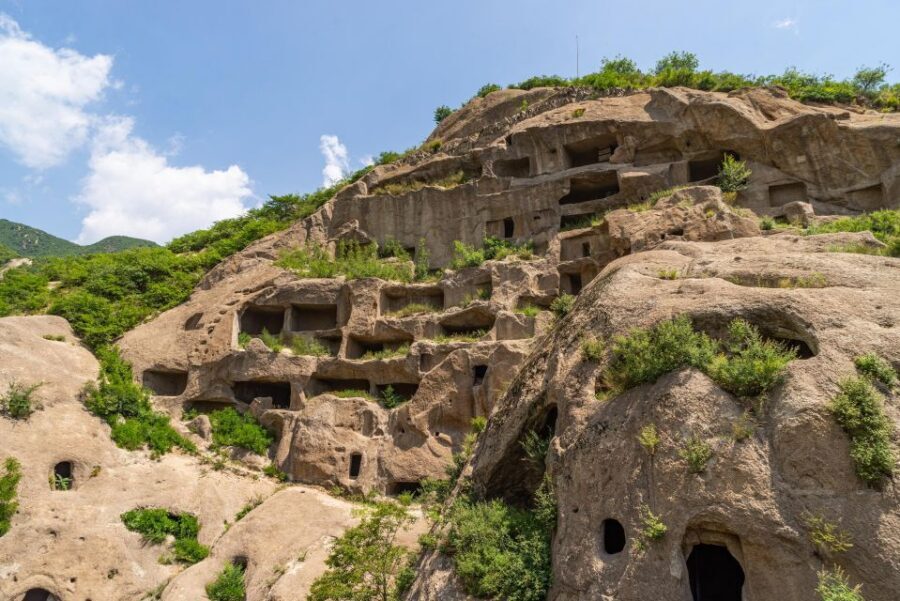
- Guyaju’s 117 carved caves: Tang-era cave dwellings connected to the Xiyi ethnic minority
- Private, English-speaking guide + driver: less waiting, more Q&A time
- Tickets handled with you: entrance fees are bought on the day with guide help
- Four add-on combos: Longqing Gorge, Ming Tombs, Badaling, or Juyongguan
- Two different Great Wall vibes: classic Badaling climbs vs a calmer Juyongguan visit
Leaving Beijing in a private car: that 2-hour ride actually helps
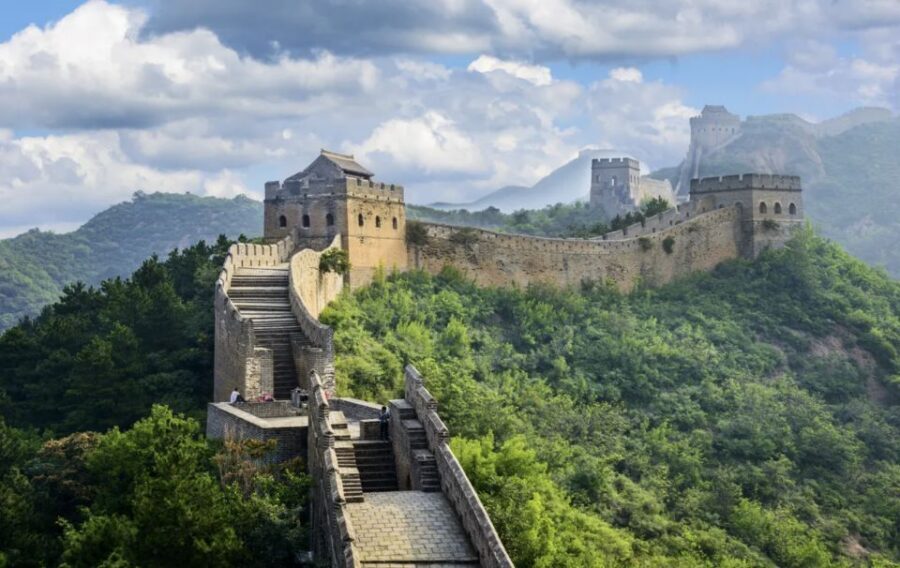
The day starts with pickup in central Beijing, with a guide meeting you in the lobby holding a sign with your name. Once you’re settled in the private vehicle, you’ve got about a 2-hour drive to Guyaju, and that time is not wasted. Your guide uses the ride to share background you’ll recognize once you walk into the park and start looking at cave clusters.
This is one of the practical strengths of the tour format. A private car means you’re not stuck timing your route with strangers, and you’re not waiting for multiple group departures. One past pairing included a driver named Mr Tian, described as very professional and with a calm, safe driving style.
If you can, aim for an earlier departure. In one example, an early pickup meant near-empty conditions at the first stop on the day, which changes the whole feel of the experience.
You can also read our reviews of more tours and experiences in Beijing.

Guyaju Cave Dwellings: 117 ancient caves and that human-ant-farm layout
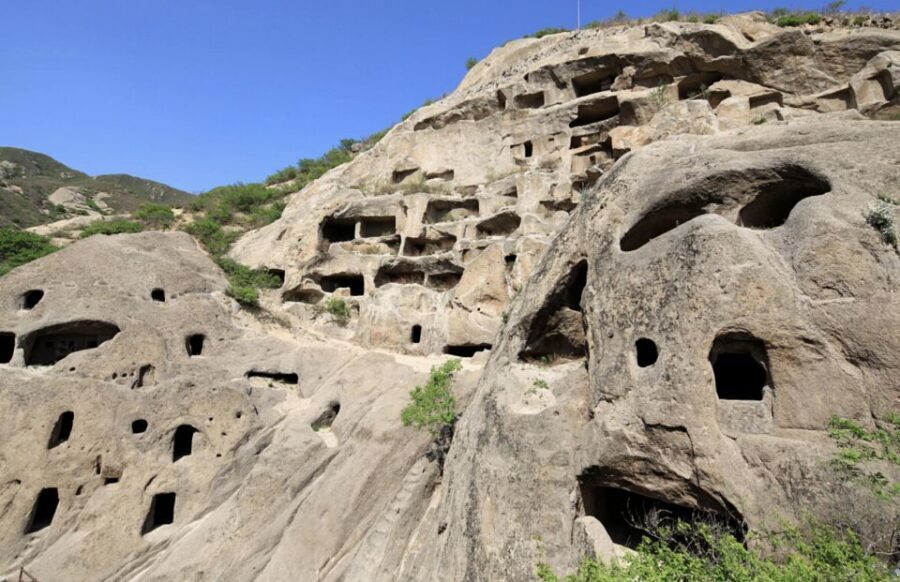
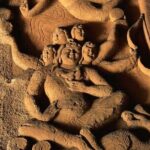
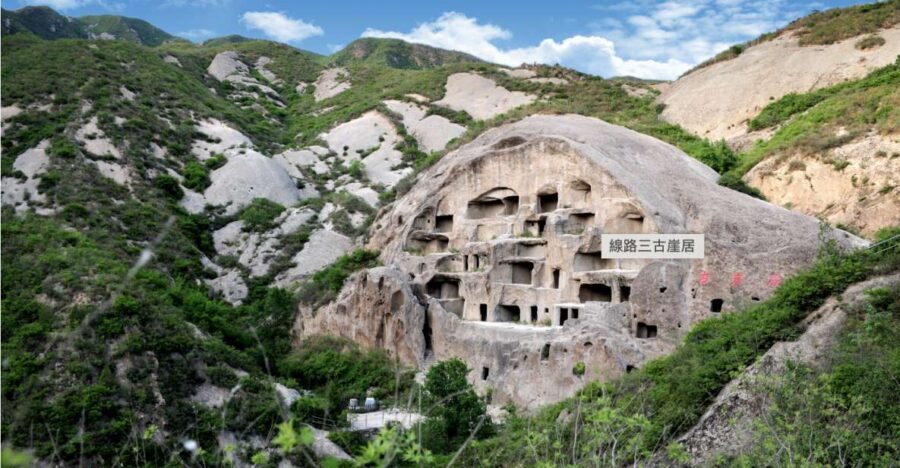
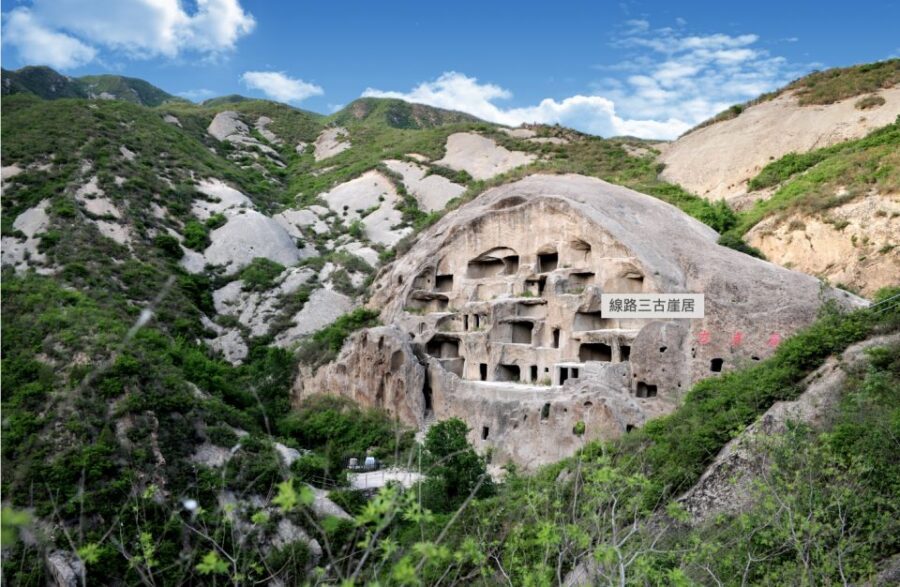
When you arrive at Guyaju Geological Park, the big visual hit is immediate: 117 ancient caves carved into rock faces, reportedly created by the Xiyi ethnic minority during the Tang Dynasty (618–907 AD). The caves cluster in two rock-face villages, and the overall layout has that striking “human ant farm” feel—rows of openings and carefully adapted spaces built into the cliff.
This is the part I like most for people who want something different from the usual Beijing circuit. The walk is straightforward, the scenery is unusual, and the site feels more like discovery than checklist sightseeing. In one guide-led experience, the caves were described as calm and relaxing, a welcome break from city noise.
What you’ll notice while walking
You’ll naturally start comparing cave-to-cave: where openings sit, how villages cluster, and how the architecture seems shaped by the rock itself. Your guide’s commentary adds context, including origin stories and the idea of a mountain community carved into the hillside.
A realistic consideration
If you’re the type who wants very specific, academic answers about exactly how and when every cave was formed, temper expectations. There’s information on the Tang-era tradition and the Xiyi connection, but the details of exact cave origins and dating are not presented as a deep, fully pinned-down story.
The Guyaju experience works best when you’re okay with “seeing,” not studying
Guyaju is at its best when you let it be visual. You’re not walking through a museum designed to explain every puzzle. Instead, you’re observing an environment that looks engineered by people living with the mountain as your building material.
That makes the site a strong match for:
- People who enjoy architecture shaped by geology
- Couples and small groups who want fewer crowd vibes
- Anyone who wants an easy, impressive stop without rushing
It’s also a good “recovery” moment in a big travel day. A guide can keep the pace relaxed, and the whole outing feels built for calm sightseeing rather than speed.
Longqing Gorge option: Little Three Gorges by boat, plus a hill-top view
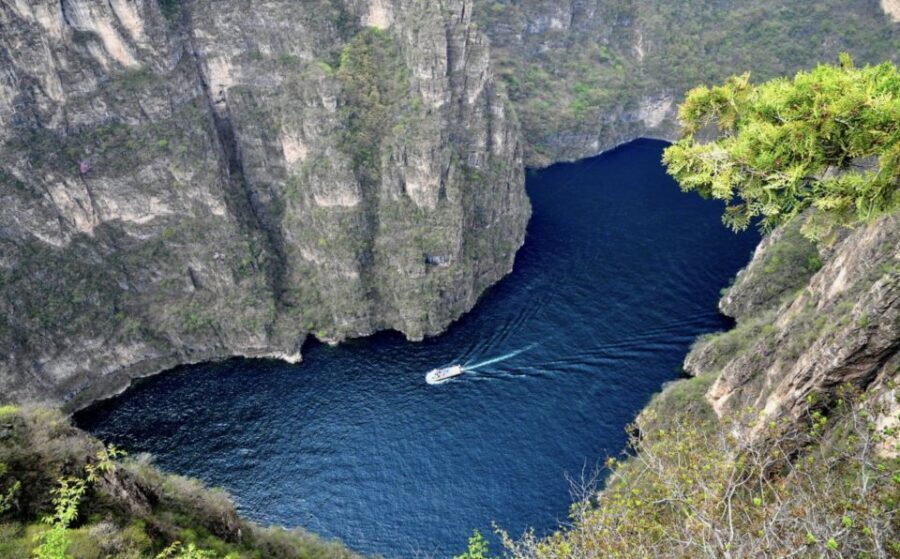
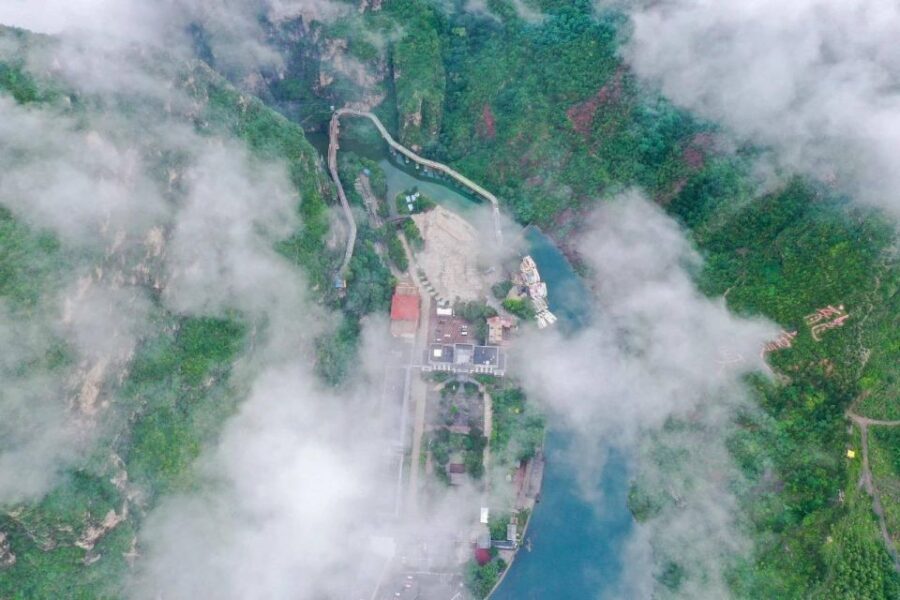
If you choose the Longqing Gorge add-on, you’re going to a natural spectacle famous as Little Three Gorges. The core experience is a scenic boat ride, and the focus is water-and-rock drama: clear waters, wooded mountain slopes, exotic rock formations, and karst caves.
Your guide will point out key highlights along the route such as Bell Mountain, Phoenix-Coronet Island, Dongdazhai, and Moon Bay. This is where the day shifts from the “human-made caves” of Guyaju to a “nature-made shapes” kind of wonder.
A tip that changes the experience
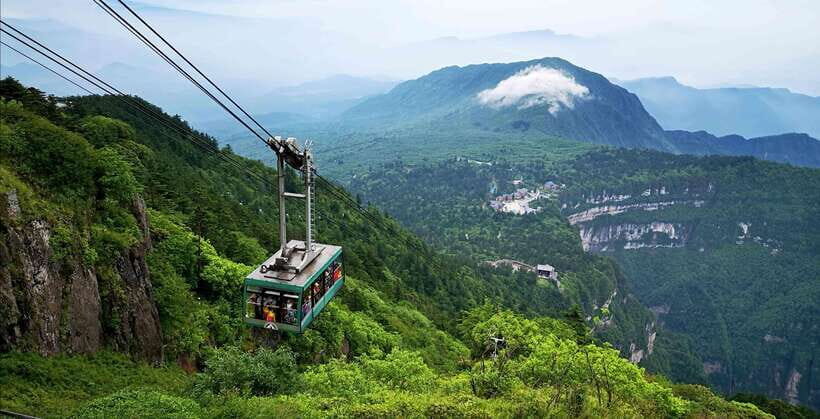
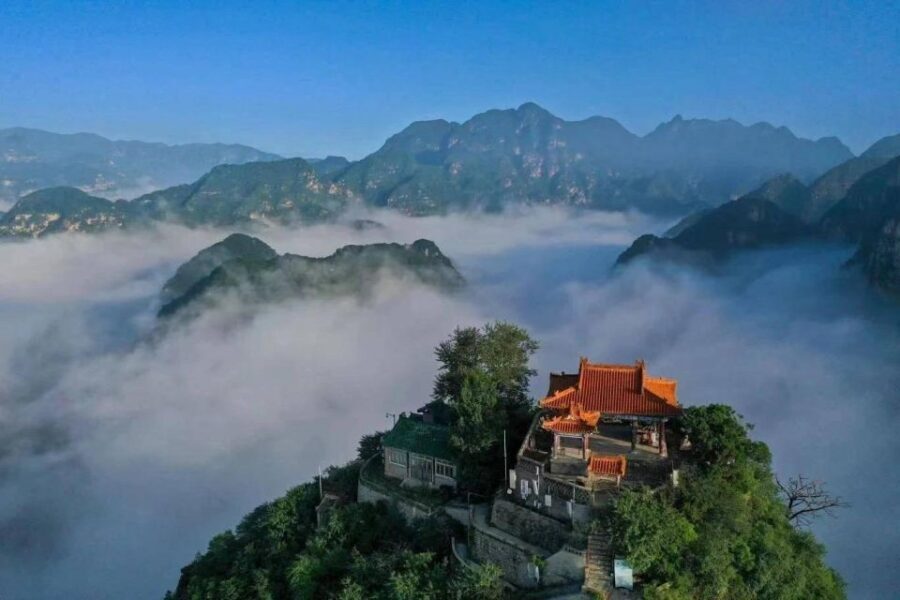
One practical suggestion from a past group: after the boat segment, take the chairlift and climb to the top for an amazing view. If you’re feeling decent on your feet, this is a great way to turn a scenic ride into a fuller vantage-point day.
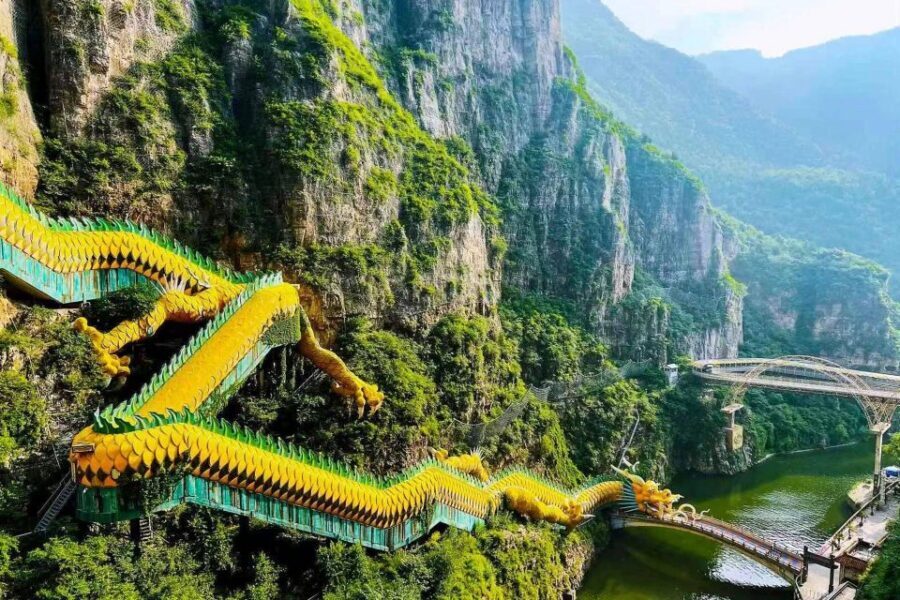
Longqing Gorge can also include fun infrastructure that makes for photos, including a dragon-shaped escalator mentioned by one visitor. It’s not why you’re there, but it can be a quick, playful moment.
The one drawback to watch
Longqing Gorge is not equally quiet year-round. On a cloudy September day, conditions were described as low-crowd, but in high season it can get much more touristy. If you hate crowds, prioritize earlier timing and plan your boat ride and viewpoint slots carefully.
Ming Tombs and Dingling: Sacred Way statues to underground chambers
If your group prefers human history with structure, the Ming Tombs option is the one to pick. You’ll start on the Sacred Way, lined with 18 pairs of 500-year-old marble statues. This is the kind of place where you’ll want your guide’s explanations, because the statues are also part of a wider belief system, tied to Fengshui theory.
After the Sacred Way, you continue to Dingling Tomb, the resting place of Emperor Wanli and his two empresses. The highlight here is the underground palace, described as having five grand chambers, plus a museum where you can see unearthed treasures.
Why this option is valuable
Ming Tombs offers a strong “meaning-per-minute” experience. You’re seeing an entire designed process: approach path, symbolic objects, and then the underground spaces. With an English-speaking guide, the logic behind the layout is easier to grasp, and the site stops feeling like random stone sculptures.
A trade-off
Compared with the gorge or a freer walk, this option is more “site-structured.” If you’re in a mood for nature calm, it might feel denser. If you want organized historical storytelling, it’s a great fit.
Great Wall choice day: Badaling cable car saves time, Juyongguan feels quieter
You get two different flavors of the Great Wall, and that choice matters.
Badaling: iconic, well-preserved, and easy to plan
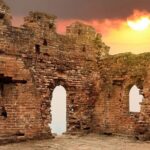
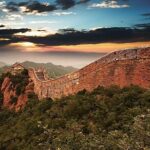
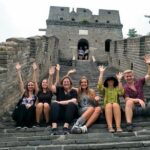
Badaling is widely known as the most iconic and best-preserved Great Wall section, often described as outstanding and among the Seven Construction Wonders. You’ll spend about 1–2 hours hiking the wall and exploring watchtowers with your guide.
If legs are an issue, you can take the cable car up to save energy and time. This is a smart option when your day already includes a cave park plus another stop. The guide helps you decide where to spend your limited wall time so you’re not wandering.
Juyongguan: less crowded, more about function
Juyongguan is the quieter alternative. It’s described as less crowded, with diverse functional structures for logistics, management, and defense. It also has an extra historical angle: it once served as a major traffic artery between Beijing and Inner Mongolia during the Yuan Dynasty.
If you want that more serene, immersive feel, Juyongguan tends to deliver. You’ll still get the wall experience, but with less of the big-photo-line energy that can show up on the famous sections.
Practical note for either Wall option
Wall visits usually demand good shoes and realistic expectations. Even a 1–2 hour stretch can be tiring if your day starts with steps at the cave park. Pace yourself, and lean on your guide to pick watchtowers that match your time and energy.
What you’re really paying for: value versus extra costs
The price of the tour is around $151 per person for an 8-hour private format. What’s included is the private English-speaking guide and the private transfer service.
What’s not included is where travelers often get surprised: lunch and entrance fees. The good news is that you’re not expected to handle ticket hassles alone. Entrance tickets can be purchased on the day with your guide’s assistance, and your guide can help you arrange what to buy and when. Lunch is handled similarly: your guide recommends local restaurants, and you pay for your meal directly.
Why this still can be good value
With this structure, you get:
- Private transportation for the whole day
- A guide who stays with you and helps with interpretation and ticket moments
- A flexible add-on choice, so you don’t waste time on a stop you’d rather skip
The trade-off is simple: you’ll pay extra for tickets and food. If you’re the type who wants one all-in price, this may feel less predictable than packaged group tours. If you’re okay with a bit of on-the-day spending, the private format is where the value comes from.
Timing, crowds, and comfort: make the day feel easier
A private tour can still feel hectic if you arrive unprepared. Here’s how to keep it smooth based on what tends to affect the day most.
- Wear comfortable shoes. You’ll move through cave pathways and then switch settings for gorge, tombs, or the wall.
- If there’s an option to go earlier, take it. Early timing can mean much less crowd pressure at the first stop.
- Expect different crowd patterns. Guyaju can be calmer than Beijing’s biggest sites, while add-ons like the gorge or famous wall sections can get busier.
One past pairing also mentioned water and Coca-Cola drinks provided during the ride. Even if that’s not guaranteed every day, it’s a reminder that comfort can be handled well by the driver, especially when the route includes longer stretches.
Who should book this Guyaju day trip, and who might skip it
This tour format makes the most sense if you want a guided day that’s both practical and flexible.
You should consider booking if you:
- Like nature plus human-built sites in the same day
- Want a private vehicle and an English-speaking guide who helps with tickets
- Are okay paying separate entrance fees and choosing lunch locally
- Prefer a calmer feel at Guyaju, then add one “bigger ticket” stop based on your mood
You might think twice if you:
- Want every cost included upfront
- Expect the most detailed possible cave-formation science (Guyaju explanations can be broader rather than ultra-specific)
- Hate crowds in general, since peak season can affect gorge and popular wall sections
Should you book this Guyaju day with an optional combo?
I’d book it if your goal is a well-run private day that mixes something unusual (cave dwellings) with one of Beijing’s major nature or history pillars. The biggest strengths are the private guide + driver setup and the fact that you can buy tickets on the day with help, which keeps the day feeling light and not stressful.
If you’re deciding between add-ons, pick based on what you want most that day: boat scenery and viewpoints for Longqing Gorge, statues and underground chambers for Ming Tombs, or a classic wall climb versus a quieter wall walk for Badaling or Juyongguan.
FAQ
How long is the experience?
It runs for 8 hours.
Where does pickup happen?
You can be picked up from Qianmen or from central Beijing, with the guide meeting you in your hotel lobby holding a sign with your name.
Do I get a private guide?
Yes. It’s a private group with a private English-speaking guide.
Is the transfer included?
Yes. Private transfer service is included.
Are entrance fees included?
No. Entrance fees are not included, but you can purchase tickets on the day with your guide’s assistance (advance purchase is also possible with help).
Is lunch included?
No. Lunch is not included. Your guide will recommend local restaurants, and you pay for your meal.
What can I add to the Guyaju caves?
You choose one combo package: Longqing Gorge, Ming Tombs, Badaling Great Wall, or Juyongguan Great Wall.
Which Great Wall section is less crowded?
Juyongguan is described as less crowded.
Can I take a cable car on the Great Wall?
For Badaling, you can take the cable car up for convenience and to save energy and time.
What should I bring?
Comfortable shoes.