REVIEW · BEIJING
Beijing: National Art Museum of China Entry Reservation
Book on GetYourGuide →Operated by PANDA HAPPY JOURNEY IN CHINA · Bookable on GetYourGuide
Beijing and art in one simple booking. A pre-booked entry reservation helps you walk into the National Art Museum of China (NAMOC) and explore modern and contemporary Chinese art at your own pace. I especially like the fact that you get an English version of the textual and visual guide, plus the entry reservation is priced low for a major museum. One thing to consider: it’s timed and 2 hours goes fast if you stop for every room.
You’ll be able to focus on the art rather than the hassle, thanks to the skip-the-ticket-line setup. Inside, NAMOC’s collection is huge (over 100,000 pieces), with traditional ink paintings, sculptures, and calligraphy alongside works from prominent Chinese and international artists. If you’re traveling with kids, note that this entry reservation isn’t listed as suitable for children under 2 years.
In This Review
- Key highlights at a glance
- Why NAMOC is worth your time in Beijing
- Price and logistics: what $6 buys you
- Before you go: what to bring (and what to skip)
- Redeeming your reservation at the ticket office fast
- How the English guide changes your whole visit
- What you’ll see: modern and contemporary Chinese art
- Traditional ink paintings, calligraphy, and sculpture
- Making a 2-hour museum plan that feels relaxed
- Accessibility and on-site comfort basics
- Who this experience fits best
- Should you book this NAMOC entry reservation?
- FAQ
- How much is the National Art Museum of China entry reservation?
- How long do I have for the visit?
- Does this include an English guide?
- What do I need to bring to enter?
- Is there free cancellation?
- Is the museum wheelchair accessible?
Key highlights at a glance
- Reserved entry for NAMOC: choose a time slot and reduce waiting at the ticket counter
- English textual and visual guide: easier understanding as you move room to room
- Modern + contemporary Chinese art: you see the evolution, not just one style
- Traditional ink, calligraphy, sculpture: classic forms next to newer art trends
- Over 100,000 pieces: plenty to return to if 2 hours isn’t enough
Why NAMOC is worth your time in Beijing
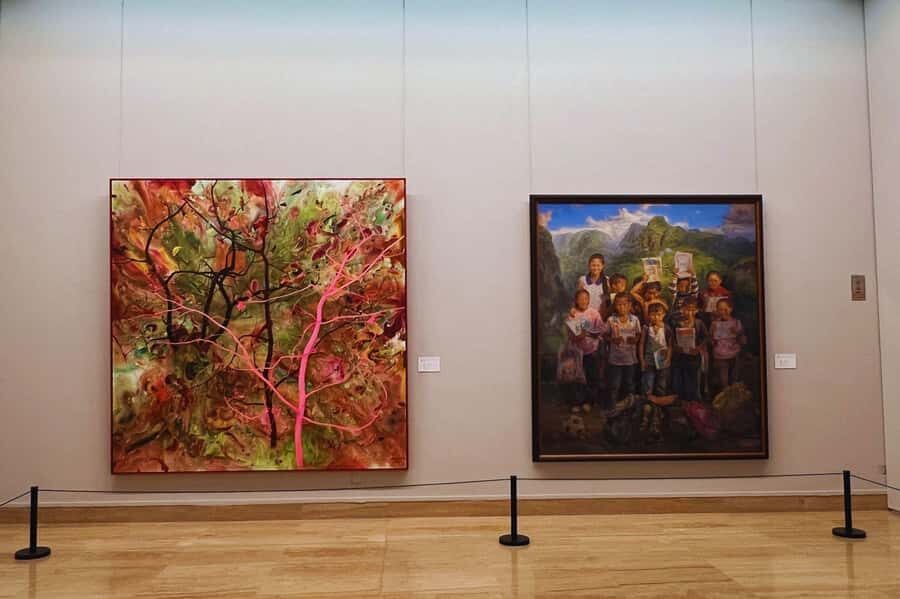
NAMOC is one of China’s most prestigious art institutions, and it’s a smart way to experience Beijing beyond temples and palaces. The museum’s focus is broad, but the theme is clear: how Chinese art has changed over time and how traditions still show up in new formats.
What I like is the balance between old and new. You can look at traditional ink paintings and calligraphy, then shift to modern and contemporary works without needing to know every artist name first. Even if you only understand a portion of what you’re seeing, the museum gives you enough structure—especially with the English guide—to help you make sense of themes and techniques.
NAMOC also regularly hosts special exhibitions and events. That means what you see can feel current rather than fixed like a static display, so the experience may vary depending on the day.
You can also read our reviews of more museum experiences in Beijing



Price and logistics: what $6 buys you

At about $6 per person, this is strong value for a major Beijing museum. Most people don’t pay $6 for a reserved entry ticket into one of the city’s top art stops, especially when the listing includes an English guide.
The key benefit isn’t just cost. It’s time and friction. With an entry reservation that’s designed to let you skip the ticket line, you can spend more of your limited Beijing time inside the galleries and less of it waiting in queues.
You also get flexibility options that matter when plans shift. The booking is set up for free cancellation up to 24 hours in advance, and there’s a reserve-now, pay-later style option so you can keep your schedule flexible without paying immediately.
Before you go: what to bring (and what to skip)
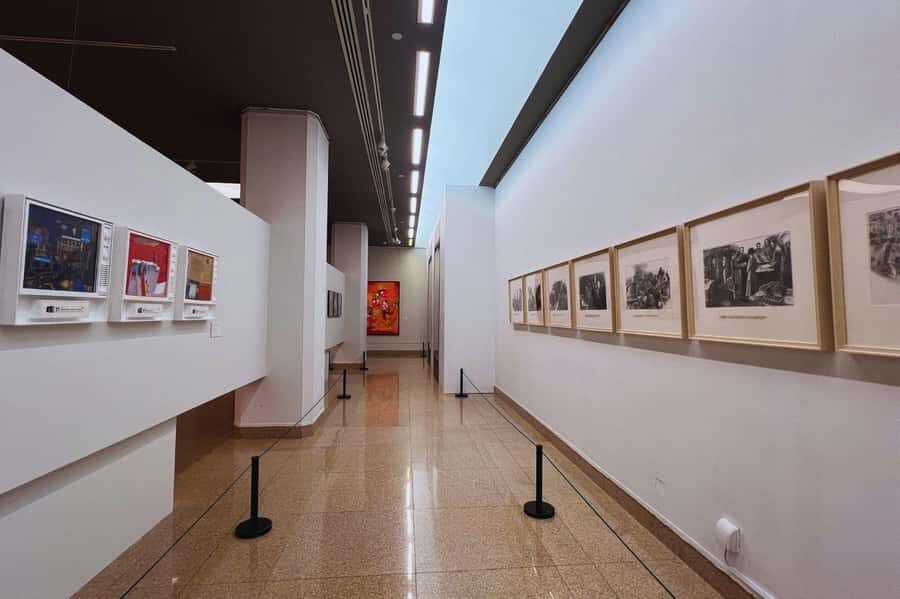
Bring your passport or ID card. That’s the only required item listed, but it’s a big one—don’t show up with just a photo on your phone and expect it to work.
You also should know what’s not allowed. Smoking isn’t permitted. That’s a small rule, but it’s good to keep in mind when you’re planning where to take breaks.
Because the entry is time-slotted, you’ll want to give yourself a little buffer. Even a quick walk from a nearby stop can eat into your schedule if your timing is tight.
Redeeming your reservation at the ticket office fast
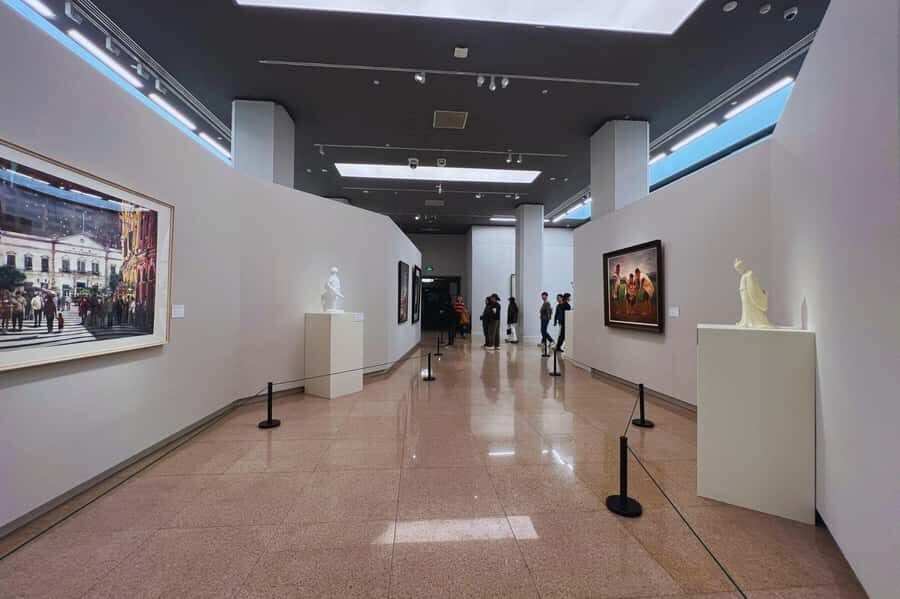
The reservation is designed to be easy to activate at the museum’s ticket area. A clear pattern from practical feedback is that redemption at the ticket office is straightforward, so you can focus on getting into NAMOC rather than figuring out a complicated system.
Still, use the opportunity wisely:
- Have your booking details ready on your phone or print them out.
- Be ready to show your passport/ID when asked.
- Aim to arrive before your slot so you can settle in without rushing.
If you like a smooth start, arriving with everything prepared is the difference between calm gallery wandering and feeling behind from the first minute.
How the English guide changes your whole visit
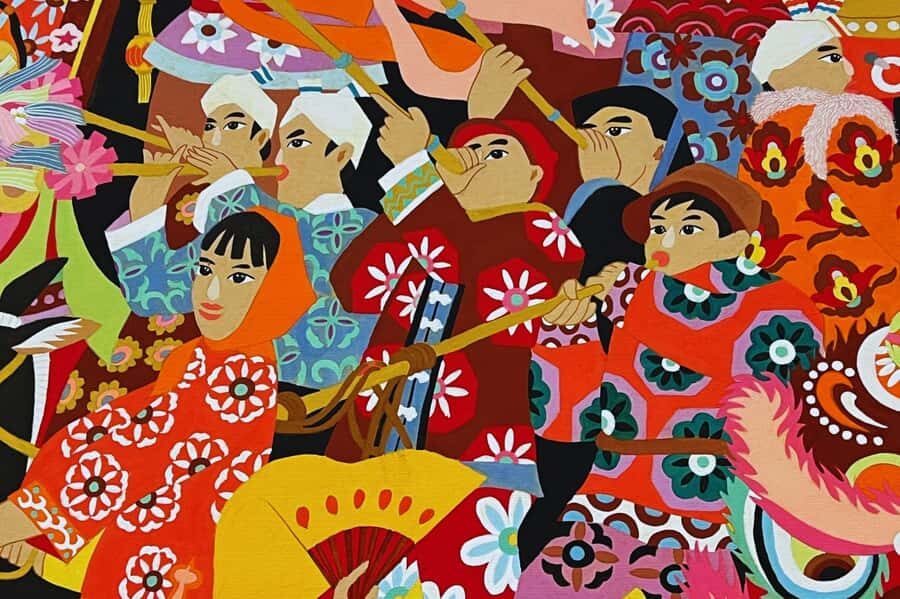
A lot of art museums become hit-or-miss when you don’t have translation support. Here, the experience includes an English textual and visual guide, which is a big deal for first-time visitors to NAMOC.
Here’s how that helps in real life:
- You can spot what you’re looking at instead of guessing.
- You’ll have a better chance of understanding the connection between modern work and older Chinese traditions.
- You can move at your pace without constantly stopping to research on your phone.
The guide is meant to be used while you walk through the collection. That matters because you don’t just read a lot upfront and then forget it. You get prompts and context right where the art is.
If you’re the type who enjoys museum labels and short explanations, this guide will make your 2 hours feel more complete. If you’re more of a look-first, learn-later person, you can still grab the guide and use it only on the pieces that catch your eye.






What you’ll see: modern and contemporary Chinese art
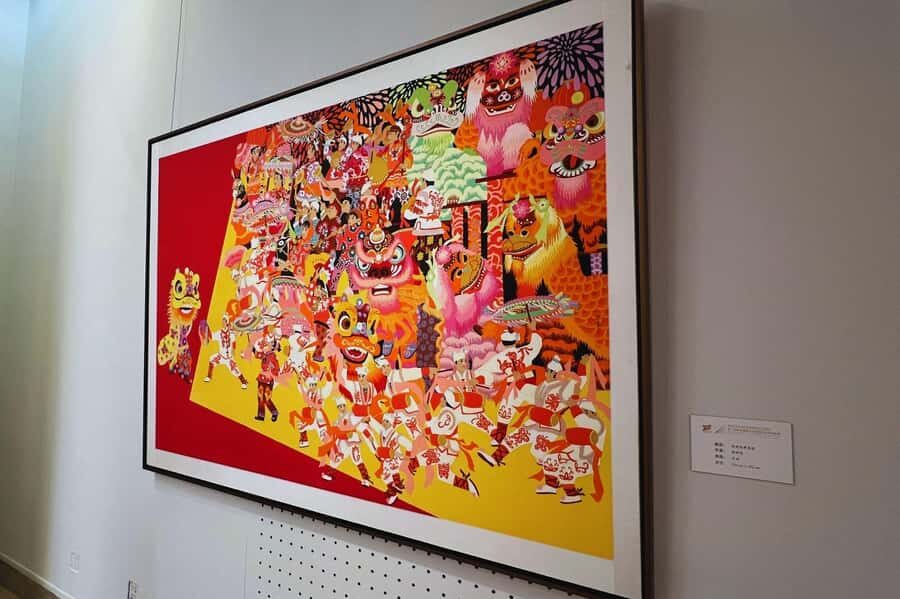
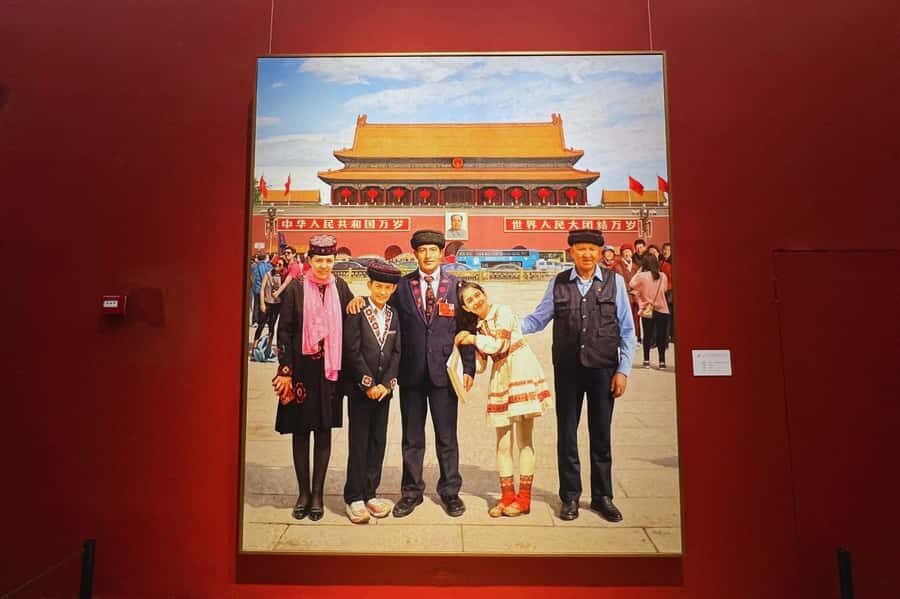
NAMOC’s headline strength is modern and contemporary Chinese art. You’ll have the chance to explore works that reflect changing social life, shifting aesthetics, and new artistic approaches—without losing the thread back to earlier Chinese visual culture.
Since the museum holds over 100,000 pieces, the experience isn’t just about a few star artworks. It’s about range. You can compare styles, mediums, and ideas as you move through rooms.
What makes this valuable is that you’re not stuck in one time period. You’ll see how artists respond to tradition, history, and modern life in their own language. Even if you don’t leave with a single definitive takeaway, you’ll leave with more context for what you see elsewhere in Beijing—especially when you notice how art and culture often move together here.
Also, NAMOC isn’t a one-off exhibition. It’s an institution with ongoing programming, including special exhibitions and events. That gives your visit a sense of being part of a living art world.
Traditional ink paintings, calligraphy, and sculpture
One of the most rewarding parts of NAMOC is that the museum doesn’t treat traditional Chinese art as a separate world. You can spend time with ink paintings, sculptures, and calligraphy and see them as part of the broader story.
This matters because ink painting and calligraphy aren’t just “older” art. They’re methods of thinking—about gesture, brush control, composition, and meaning. In a museum like NAMOC, you can watch those traditional skills show up as inspiration, contrast, or even a response to modern styles.
Sculpture adds another layer because it shifts you from reading the image to experiencing form and volume. If you like art that you can study from different angles, the sculpture sections can feel more physical than flat visuals.
And because the English guide is included, you’re not stuck translating every concept in your head. You can focus on the art’s qualities—line, texture, form—while the guide helps with context.
Making a 2-hour museum plan that feels relaxed
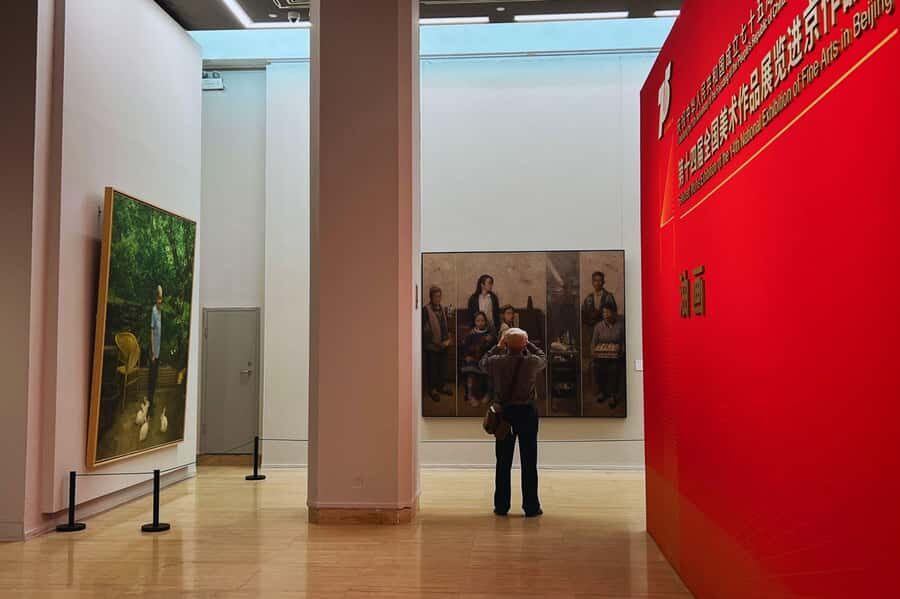
The duration is listed as 2 hours, and that’s a key detail. This isn’t a full-day museum crawl. It’s a smart, focused visit.
A practical way to pace yourself:
- Start with the sections that match your interests first (modern/contemporary if you’re curious about evolution, traditional if you want technique and classics).
- Use the guide for “anchor pieces”—artworks you want to understand more deeply.
- Then switch to browsing mode. Look at fewer items, but make sure you actually register what you’re seeing.
If you try to see everything, you’ll feel rushed. With NAMOC’s scale, the win is not checking boxes. The win is leaving with a small set of artworks you truly noticed and understood.
Also, since the entry reservation is time-based, keep your expectations realistic. If you’re the type who loves reading every label, consider that you might need an extra visit later to see the rest.
Accessibility and on-site comfort basics
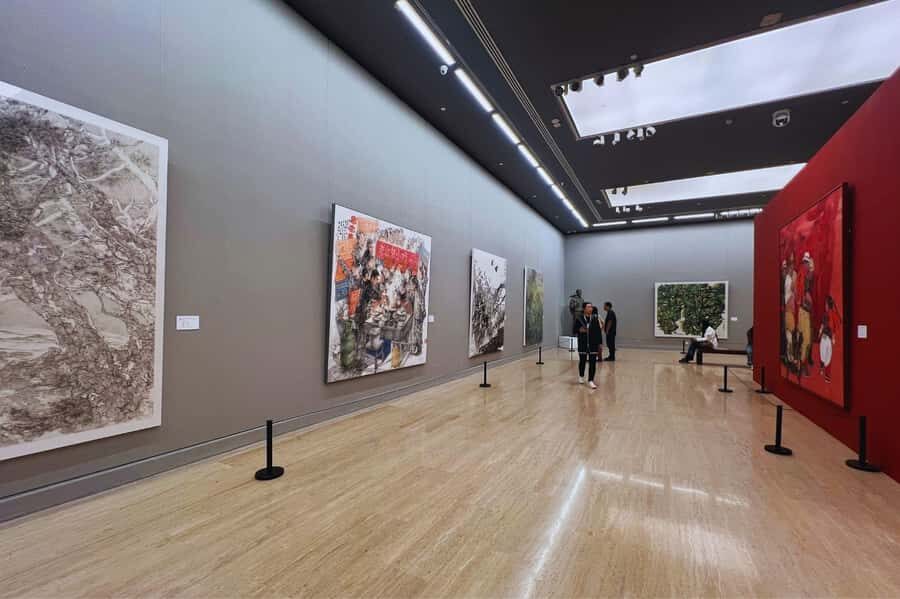
This entry reservation is listed as wheelchair accessible, which is great news for mobility needs. If you’re relying on accessible routes, planning a timed entry can also help reduce the stress of long waits.
For comfort, just remember the museum rules: no smoking, and dress for indoor walking. You’ll likely be standing and moving more than you expect, especially when you stop to read labels or compare works side by side.
Who this experience fits best
This NAMOC entry reservation is a strong match if:
- You want a major Beijing museum without spending time figuring out tickets on the spot.
- You’re interested in the story of Chinese art, from traditional forms to modern and contemporary work.
- You’d rather spend your time looking and learning from a guide than hunting for translations.
It’s also a good option for people who travel with limited time. Two hours can be enough for a meaningful overview if you plan your pace.
If you’re bringing someone who is very art-focused and wants to read everything, you might feel like 2 hours is short. In that case, consider returning later or pairing it with a slower day at another museum.
Should you book this NAMOC entry reservation?
Yes, I’d book it if you want a smooth entry to NAMOC plus support for understanding what you’re seeing. The combination of reserved entry, an English textual and visual guide, and a very reasonable price makes this one of the simplest ways to get value out of a prestigious museum.
Skip this only if you’re already committed to a super-long, all-day museum strategy and you know you won’t be satisfied by a 2-hour slot. Otherwise, this is a practical, low-stress way to experience NAMOC’s blend of ink, calligraphy, sculpture, and modern art—without wasting your Beijing time in line.
FAQ
How much is the National Art Museum of China entry reservation?
The price is listed as $6 per person.
How long do I have for the visit?
The duration is 2 hours, and you’ll need to check availability to see the starting times.
Does this include an English guide?
Yes. The experience includes an English version of the textual and visual guide.
What do I need to bring to enter?
You should bring your passport or ID card.
Is there free cancellation?
Yes. You can cancel up to 24 hours in advance for a full refund.
Is the museum wheelchair accessible?
The experience is listed as wheelchair accessible.