REVIEW · BEIJING
Beijing: Private Sightseeing Nighttime Tour with Transfer
Book on GetYourGuide →Operated by Discover Beijing Tours · Bookable on GetYourGuide
Beijing after dark hits different. This private tour strings together iconic landmarks and real local streets into one efficient evening, with a guide who adjusts the route to traffic and your interests. I especially like the built-in flow: hotel lobby pickup, a comfortable private vehicle, and short, purposeful stops that actually let you see things instead of just rushing through them.
Top-tier communication is also a big plus. The English-speaking guides (names like Jay, Miko, Lucy, Anson, Kevin, Cassie, and Jack come up again and again) make the history feel practical, and they’re good about helping you get the right photo angles at the right moments.
The main drawback is time discipline. In 4 hours you’re not seeing everything, so you’ll need to choose what matters most—either central sights plus a hutong-style evening, or a heavier add-on like a show, dinner, or a night Great Wall option that demands more driving and stricter timing. Also, one rider note: the car may have darker window tint, so for night sightseeing you might end up keeping windows open for views, which can feel cold in winter.
In This Review
- Key highlights to know before you go
- How the night tour really works: pickup, pacing, and photo stops
- Tian’anmen Square and Qianmen after dark: the axis in human scale
- From Chang’an Avenue to modern icons: lights that tell a city story
- Shichahai and hutongs: the quieter Beijing moment
- Jingshan Hill: a short climb with a big payoff
- Night shows and dinner: choose a theme, not a checklist
- 1) Dinner with a local restaurant
- 2) Evening shows (and what’s available daily)
- Great Wall nights and seasonal magic: when you swap city lights for wall lights
- Summer-only: Badaling by night
- Sunset-to-night: Jinshanling
- Year-round night access: Simatai via Gubei Water Town
- Winter-only: Longqing Gorge Ice Lantern Festival
- Season note that matters
- Price and value: why $81 can be a smart move
- Who should book this private Beijing night tour
- Should you book a private Beijing night tour like this?
- FAQ
- What does the private night tour include?
- How long is the tour?
- Can I customize the itinerary during the tour?
- Can I watch the flag-lowering ceremony at Tian’anmen Square?
- What night shows are available?
- What food options can I choose for dinner or tasting?
- Are exotic snacks on Qianmen Street included?
- Where are the pick-up and drop-off locations?
- Is there free cancellation or pay later?
Key highlights to know before you go
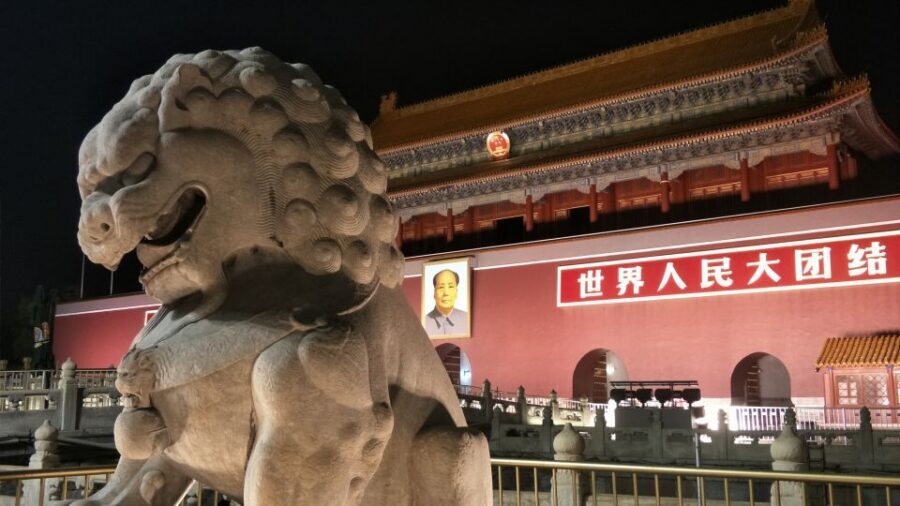
- A truly flexible 4-hour base: your guide finalizes the route on site based on traffic and what you want to prioritize
- Hotel lobby pickup and drop-off: no hunting taxis at night, and the private car keeps the evening moving
- Landmarks + local texture: Tian’anmen area energy, then Shichahai and hutongs for a more everyday Beijing vibe
- Optional add-ons that match your mood: dinner (including Peking duck), night shows, or hutong food tasting
- Seasonal Great Wall experiences: Badaling at night in summer, Longqing Gorge ice lanterns in winter, and year-round night access at Simatai via Gubei Water Town
- Photo-friendly stops: National Centre for the Performing Arts, Shichahai lakefront views, Olympic Stadium area, CCTV Headquarters—built for camera time
How the night tour really works: pickup, pacing, and photo stops
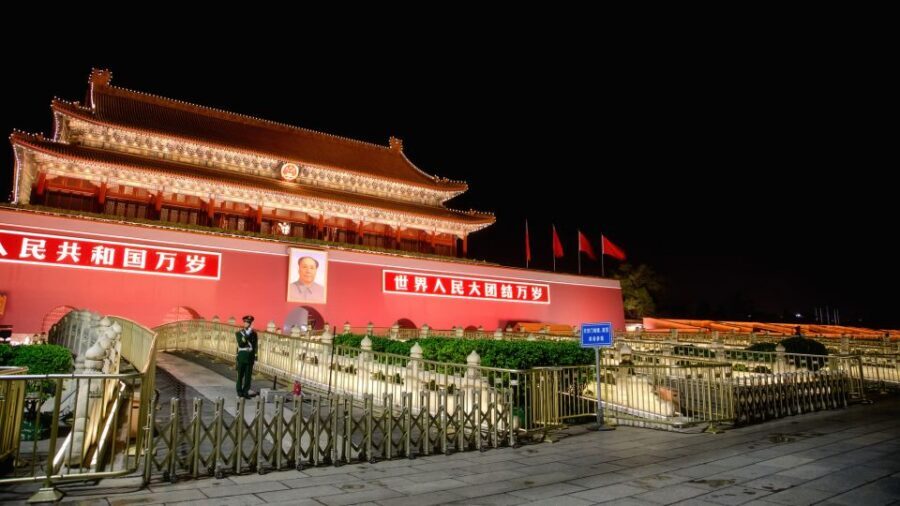
This is the kind of tour that makes a first Beijing evening feel manageable. Your guide meets you in your hotel lobby with a name sign, then you’re in a private vehicle right away. The tour runs 4 to 8 hours, but the sweet spot is the customizable 4-hour format, where you and your guide decide what to see and in what order.
What makes it work is pacing. Instead of stacking one long attraction after another, the plan is built from short visits and photo stops—then quick drives to the next area. That matters because Beijing at night isn’t just pretty lights; it’s also real traffic and real crowds around the big sights. A guide who can adjust the route helps you keep momentum without feeling like you’re playing whack-a-mole with your schedule.
Expect a mix of “look from here,” “walk for a bit,” and “drive slowly so you can take pictures.” You’ll also notice the guide role isn’t just pointing. Many guides mentioned in past departures focus on practical photo tips—where to stand and how to frame the lighted buildings—so you leave with usable shots instead of only blurry memories.
You can also read our reviews of more private tours in Beijing
Tian’anmen Square and Qianmen after dark: the axis in human scale
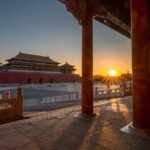
Tian’anmen Square at night is one of those experiences that makes Beijing feel like a planned city. You’ll typically spend focused time around the Tian’anmen area, including time to walk and look before moving to nearby streets.
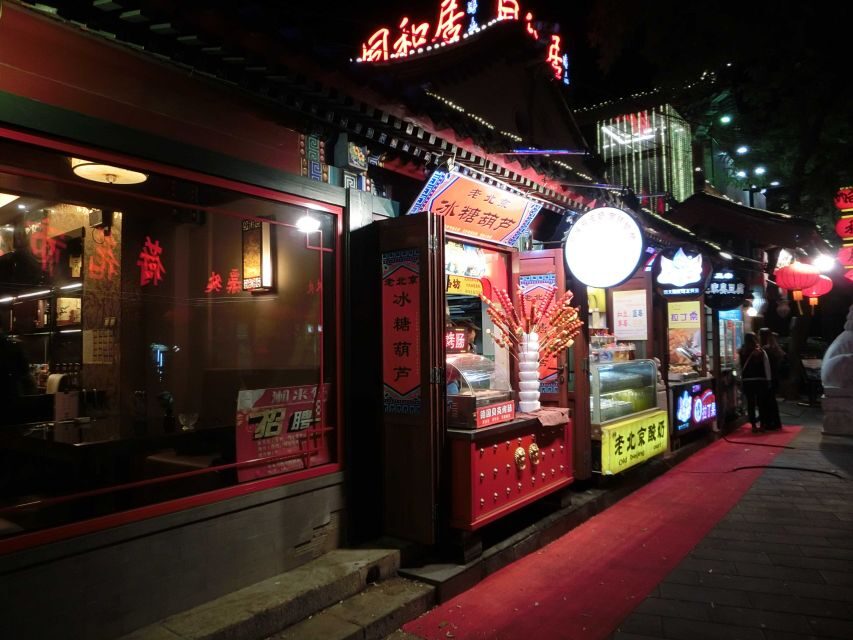
Right next door, Qianmen Shopping & Food Street brings the mood down to street level. It’s the place where you can spot snacks and watch local night life without leaving the sightseeing bubble. Your guide can suggest what to try, and you can usually do it at your own pace (some items—like unusual snack options—are your expense, not included).
One special note if you care about ceremonies: the flag-lowering ceremony at Tian’anmen Square requires advance notice and real-name reservation details. If you want this, plan early—tell the tour team no later than 8:00 AM one day in advance and provide each person’s full name, passport number, and gender. If you miss that deadline, you can still see the area, but you won’t count on the ceremony.
Also, Tian’anmen isn’t just a photo backdrop. It’s a cultural reference point for how Beijing organizes space. A good guide will explain how that central axis relates to what you’re seeing next: the Forbidden City view corridor, the modern landmarks, and even where the city “opens up” toward the newer districts.
From Chang’an Avenue to modern icons: lights that tell a city story
A big reason this tour feels like good value is that it connects government-district grandeur with modern Beijing’s architecture in the same evening.
You’ll often drive along Chang’an Avenue, Beijing’s key political thoroughfare, where the wide roadway and long sightlines make the city feel designed and intentional. Then you’ll hit the skyline moments—places that look simple in daylight but feel like different objects at night.
Common photo stops include:
- National Centre for the Performing Arts: that titanium-glass dome vibe over a man-made lake. At night it reflects light like a calm orb on the water.
- Beijing National Stadium (Bird’s Nest) area: usually a photo stop, sometimes with a short walk if timing allows.
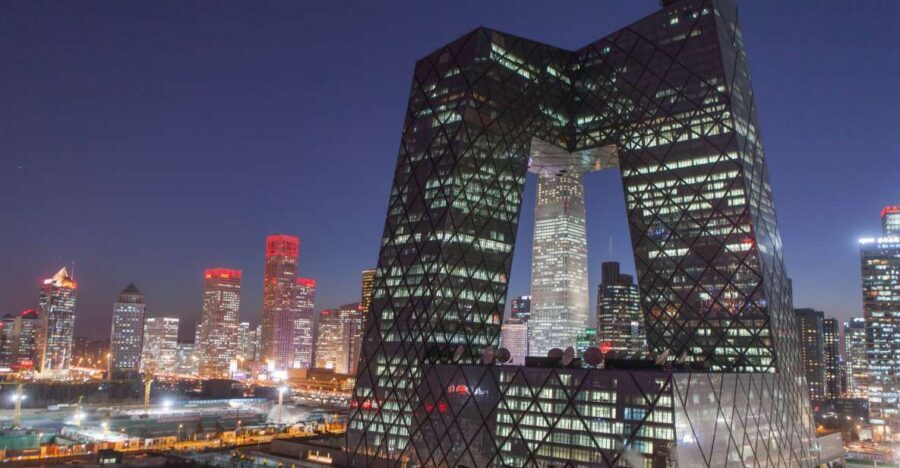
- CCTV Headquarters: a great marker for seeing how Beijing’s media-and-architecture look has evolved.
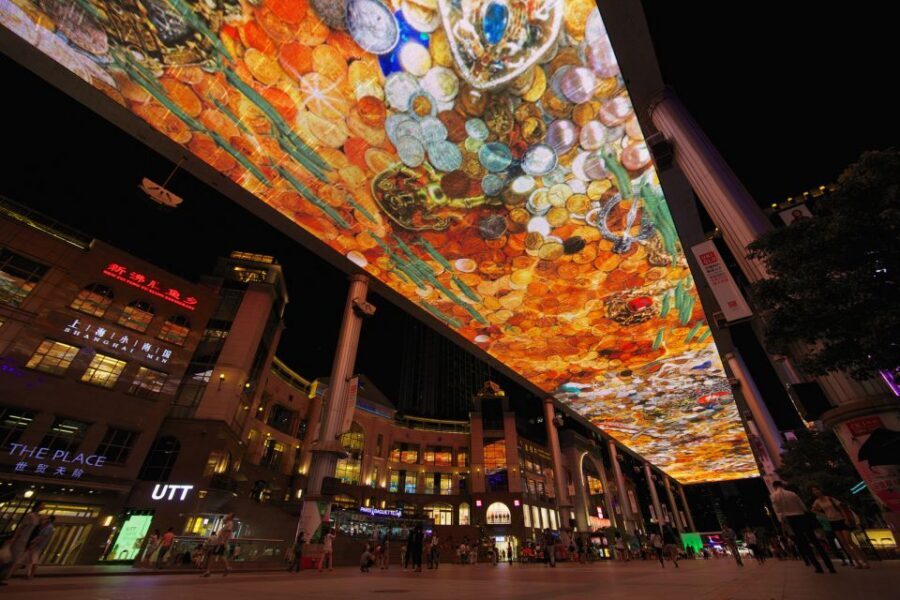
In the drive segments, you’ll also see CBD streets with LED-lit malls. The point isn’t to “shop”—it’s to understand the contrast. Beijing at night isn’t only tradition lit with neon; it’s a city where modern technology is literally built into the streetscape.
One practical tip: if you’re picky about photos, tell your guide right away. They can time slow drives and stops based on light and angle, and that’s exactly where guides like Miko and Anson tend to shine—short pauses that create better results instead of standing in the wrong spot for too long.
Shichahai and hutongs: the quieter Beijing moment
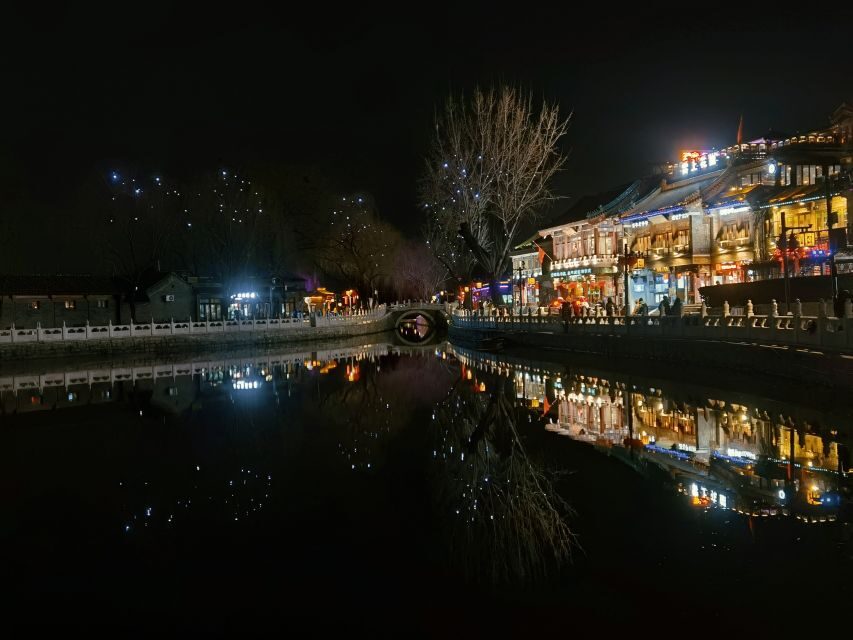
After the major landmark zones, the tour typically shifts into a more human pace around Shichahai (often including walking time). Shichahai is known for lake views and old Beijing-style streets nearby. In the evening, that “watery” landscape softens the city’s hard edges.
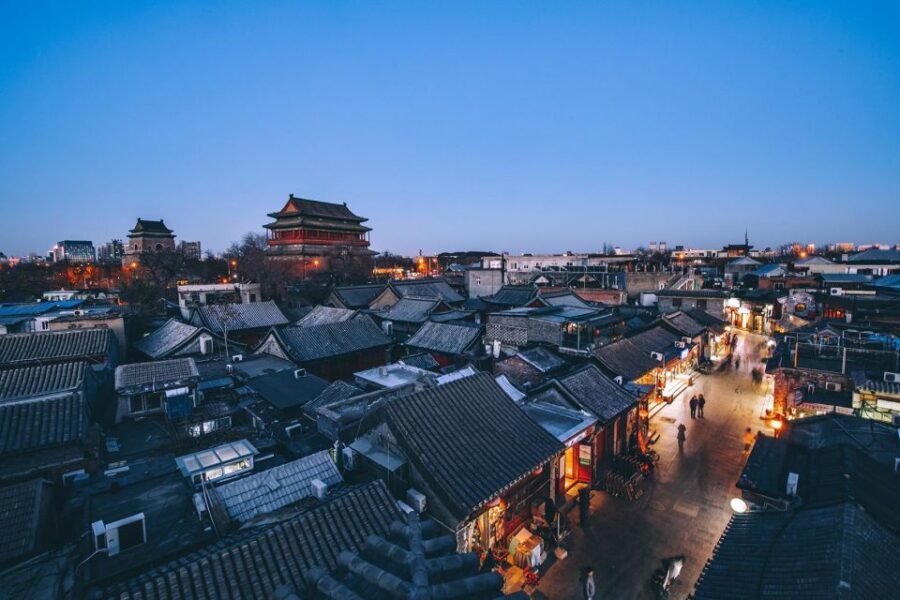
From there, you usually move into Beijing hutongs, the narrow lanes that feel more like neighborhoods than attractions. The value here is simple: you get variety in the same night. If all you saw was Tian’anmen and big buildings, Beijing would feel one-dimensional. Hutongs add texture—small shops, street scenes, and the sense that this city has daily life running alongside the big monuments.
If you book the food-focused version, this area is where it becomes especially fun. Your guide can tailor a hutong food tasting route around what you actually want to eat. Typical must-tries in the hutong tasting options include:
- jianbing (Beijing crepe)
- Muslim kebabs
- malatang
- soup dumplings
- and a chance to try Erguotou (the liquor)
You’ll still want to manage expectations. Street snacks are quick, but you’re eating while walking, so pace matters. A guide who reads the crowd and timing can prevent the classic problem of spending half the tour standing in line.
Jingshan Hill: a short climb with a big payoff
One of the best “wow-per-minute” add-ons is climbing Jingshan Hill for a panoramic view—often framed as looking toward the Forbidden City’s direction and Beijing’s central axis. Even if you’ve never been inside the Forbidden City, this is a perspective that helps the whole city click.
At night, the view can be especially rewarding because you can see how bright lighting “pins” the skyline. You also get a stronger sense of alignment: where major roads lead, how neighborhoods sit relative to the core monuments, and why Beijing’s city plan feels symmetrical.
The catch is comfort and timing. Night climbs mean you’ll be outside longer and likely in cooler air. If you choose the view option, dress for the temperature, and don’t overschedule yourself earlier in the evening—this is the moment where you’ll want your energy.
A few more Beijing tours and experiences worth a look
Night shows and dinner: choose a theme, not a checklist
The tour comes in different “flavors,” and the best way to choose is to decide what kind of Beijing evening you want.
1) Dinner with a local restaurant
If you pick the dinner package, your guide plans a meal at a restaurant for 3–4 nightlife hotspots plus a chosen cuisine. Options listed include Yunnan dishes, Peking duck, hotpot, dim sum, and Sichuan food.
This is a good value move because it solves the biggest risk of eating on your own: finding a place that matches your preferences and doing it on a schedule that still leaves time for sightseeing. Past experiences also point out that Peking duck dinners can become the memory highlight, especially when the guide times it so you’re not rushing through the meal.
2) Evening shows (and what’s available daily)
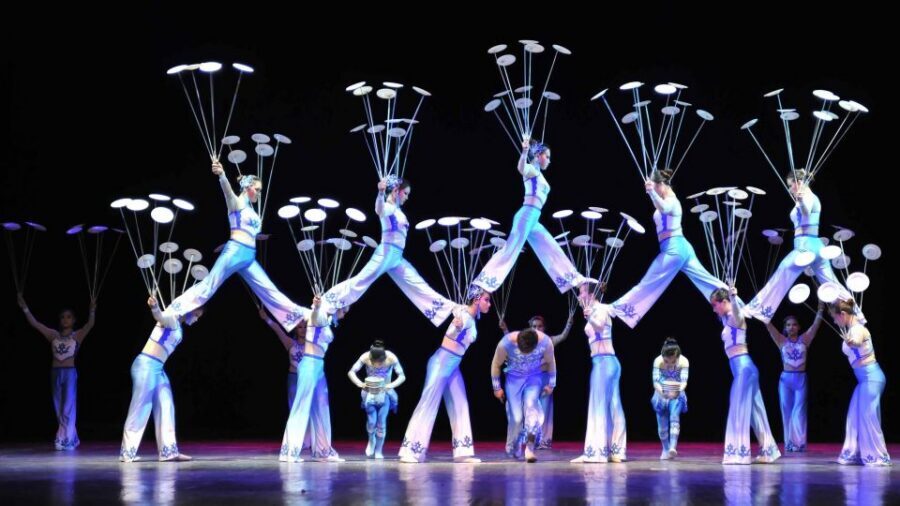
If you prefer culture on stage, the tour can start with a performance option, then continue with night sightseeing and round-trip transfers.
Here’s the practical part: acrobatics is available daily (so it’s the safe default). Kung fu and Peking Opera are not available every night, so you need to request them in advance if those are your must-sees.
If you’re deciding between show types, think about what you’ll enjoy even if you don’t understand every detail. Acrobatics is visual and high-energy; Peking Opera is style-heavy and dramatic, but it’s also more reliant on context to fully land.
Great Wall nights and seasonal magic: when you swap city lights for wall lights
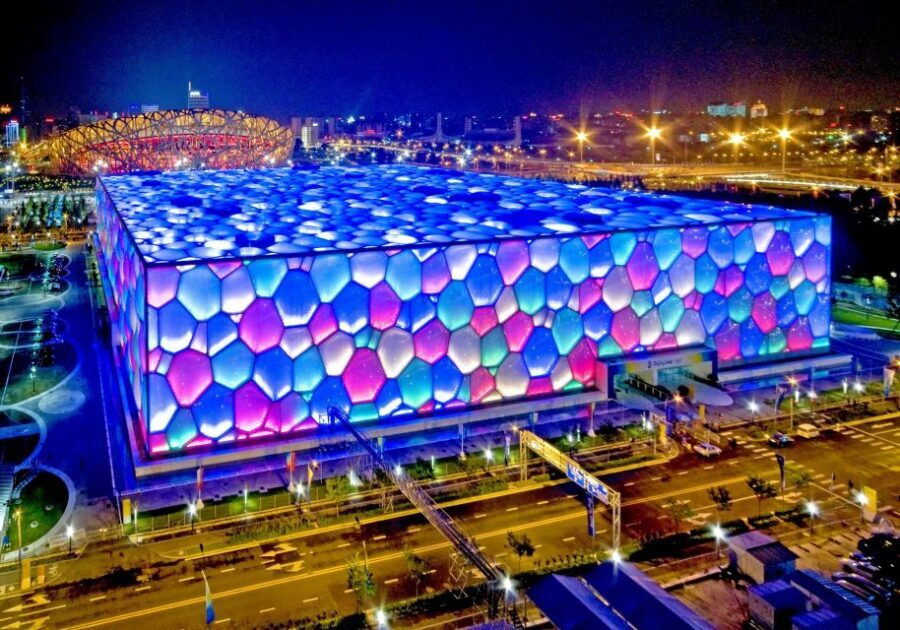
This is where the tour becomes truly special—but also where you have to plan carefully.
Summer-only: Badaling by night
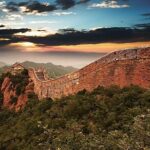
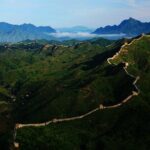
Badaling Night Great Wall is a summer-only option. You get the famous fortifications glowing against the night sky. It’s a once-in-a-lifetime feeling if you’re set on the Great Wall but still want the night atmosphere.
Sunset-to-night: Jinshanling
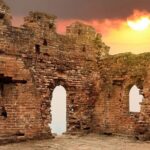
A Jinshanling Great Wall sunset & night tour is for hikers and photo people. You typically get time around sunset (when warm light hits the crenellations), then enjoy the quieter night scenery. This option can be a better match if you care about views beyond the main, busiest sections.
Year-round night access: Simatai via Gubei Water Town
For a different mood, the tour can include Gubei Water Town first—a water-town setting with traditional architecture—and then take a cable car to Simatai Great Wall for sunset and nighttime views. Simatai is noted as the only section with night visits year-round, which is a big deal if you’re traveling outside the ideal summer/winter windows for other wall options.
Winter-only: Longqing Gorge Ice Lantern Festival
In winter, you can swap city lanes for a Longqing Gorge Ice Lantern Festival night. The gorge turns into an ice-lit display of carvings and colorful lights—one of those experiences that feels like a fantasy set, but still outdoors and cold.
Season note that matters
These “premium” options tend to take more time and energy than central-city night sightseeing. If you’re pairing them with dinner or shows, you’ll likely need to trim other stops. Decide what you want to own as your main memory: hutongs and landmarks, or Great Wall drama and seasonal light displays.
Price and value: why $81 can be a smart move
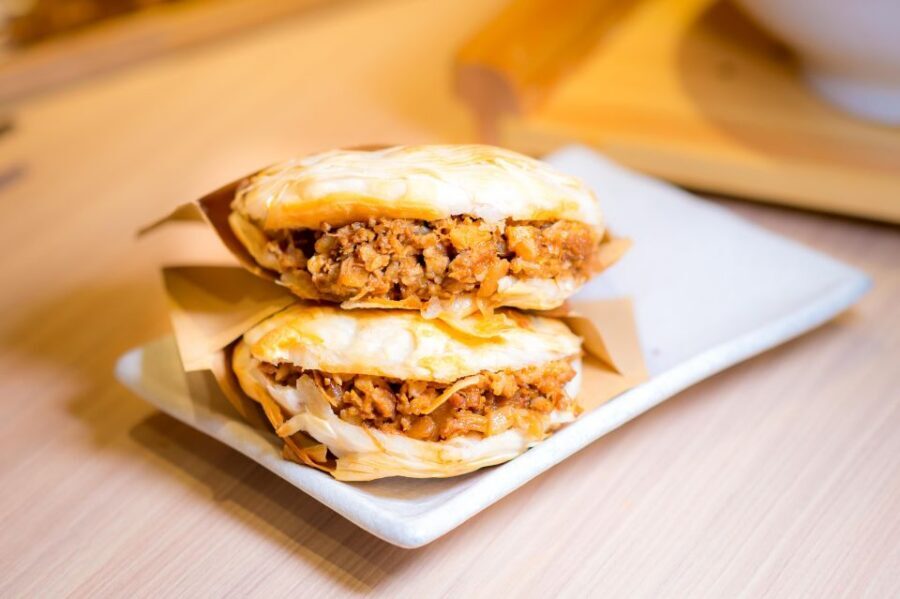
At $81 per person, the price can feel like either a bargain or a splurge depending on what you compare it to.
Here’s the value logic:
- You’re paying for a private, English-speaking guide who can explain what you’re seeing and adjust the route.
- You’re paying for a private vehicle with hotel pick-up and drop-off in central Beijing, which reduces wasted time (and late-night stress).
- If you book a package add-on, you may also get tickets arranged for a night show, dinner, or hutong food tasting tied to that option.
What’s not included by default:
- If you choose only the basic night sightseeing package, meals/show tickets (and the food tasting option) are not included.
- Personal expenses count on you, like optional exotic snacks on Qianmen Street.
- If your hotel or departure point is outside Beijing’s 4th Ring Road (for example, the airport area), there’s an extra fee.
So when is it worth it? If you’re short on time and want a first impression that covers both modern icons and old neighborhoods, this tour can be cheaper than you think compared to doing it piecemeal with taxis plus separate guides plus tickets.
If you’re already a Beijing pro and don’t care about a guide’s context, you might do fine alone. But for most first-timers, a competent guide turns the night into a story instead of a random set of photos.
Who should book this private Beijing night tour
You’ll love this most if:
- you want a first-night orientation and a fast sweep of major sights
- you care about architecture and skyline photo spots
- you’re interested in hutong life (and maybe street food)
- you like the idea of picking your own pace with a guide who handles routing and timing
You might choose a different option if:
- you only want one strict “must do” and everything else feels like distraction
- you don’t want to make decisions on the fly
- you’re traveling when weather makes outdoor walking hard and you hate dressing for it
If you do book, tell your guide what matters most at the start. The tour is customizable in real time, so your priorities shape the evening. Guides like Jay and Lucy tend to work especially well for visitors who want both facts and helpful photo guidance.
Should you book a private Beijing night tour like this?
Yes—if you want Beijing at night in a way that’s organized, flexible, and not exhausting. The biggest win is the combination of private transfers + English-speaking guiding + stop-by-stop pacing. You get landmark magic (Tian’anmen area, Shichahai, modern icons) and the option to turn the night into a food night, a show night, or even a seasonal Great Wall night.
Book it especially if you’re short on time or traveling with someone who hates rushing. Just be honest with yourself about what you can handle in one evening—4 hours is ideal for a “great hits” orientation, while Great Wall nights and winter/summer add-ons are best treated as the main event.
If you tell me your travel dates (month), where you’re staying in Beijing, and whether you want food, a show, or a Great Wall experience, I can help you pick the best package for the vibe you want.
FAQ
What does the private night tour include?
It includes a professional English-speaking guide for the tour and private vehicle transfers with hotel pick-up and drop-off in central Beijing. If you choose a specific package, tickets for the night show, dinner, or hutong food tasting are included only for that package.
How long is the tour?
The experience runs for 4 to 8 hours, depending on the package and starting time availability.
Can I customize the itinerary during the tour?
Yes. Your guide finalizes the specific itinerary on site based on your preferences and real-time traffic conditions.
Can I watch the flag-lowering ceremony at Tian’anmen Square?
Yes, but you must inform the tour team no later than 8:00 AM one day in advance and provide each tourist’s full name, passport number, and gender for real-name reservation.
What night shows are available?
The default show arrangement is acrobatics (available every night). Kung fu and Peking Opera are options, but they are not available daily, so you need to request them in advance.
What food options can I choose for dinner or tasting?
For the dinner package, you can choose cuisines such as Yunnan dishes, Peking duck, hotpot, dim sum, or Sichuan food. For the hutong food tasting option, typical items include jianbing, Muslim kebabs, malatang, soup dumplings, and Erguotou.
Are exotic snacks on Qianmen Street included?
Not necessarily. Personal expenses are not included, and some snacks on Qianmen Street are at your own expense.
Where are the pick-up and drop-off locations?
Pick-up and drop-off are included among four central locations (Dongsi Neighborhood, Qianmen, Qianmen Residential District, Beijing). If you’re outside Beijing’s 4th Ring Road, an additional fee applies.
Is there free cancellation or pay later?
The experience offers free cancellation up to 24 hours in advance for a full refund, and reserve now & pay later is available so you can book without paying today.