REVIEW · BEIJING
Beijing: Temple of Heaven Park ticket(day tour/guide opt)
Book on GetYourGuide →Operated by Guangzhou Zhiwooyou Travel Agency Co., Ltd. · Bookable on GetYourGuide
A sound you can hear without trying. This Temple of Heaven day visit is interesting because the route is designed around the site’s big ritual spaces, especially the Echo Wall and the Circular Mound Altar with its celestial symbolism. You get a clear path through the imperial grounds, and the experience feels easy to manage even if it’s your first trip to Beijing.
I also like that this ticket is built for choice. You can go entrance-only or add options like an English guide book, an English guide, or even a combo day pairing with major sights. One watch-out: if you arrive late, you might miss temple entry and be limited to the outer areas, and the evening lighting doesn’t always mean the whole park stays bright.
In This Review
- Key Things I’d Put on Your Shortlist
- Temple of Heaven Park: More Than a Pretty Stop in Beijing
- What’s Actually Included in This Ticket (And What That Means for Your Day)
- Choosing Your Best Option: Entrance Ticket vs Combo Day Plans
- Entrance ticket only
- Combo ticket + English guide book (or English guide)
- Combo ticket + restaurant and bar reservations
- Full-day add-ons: Temple of Heaven + Summer Palace or Great Wall (Mutianyu)
- Entering the Park Without Losing Time: Metro Exits and Route Choices
- East Gate (often the easiest starting point)
- West Gate
- Fast pass-style route from other stations
- The Walk That Makes the Place Click: Hall of Prayer to Echo Wall to the Sky Altar
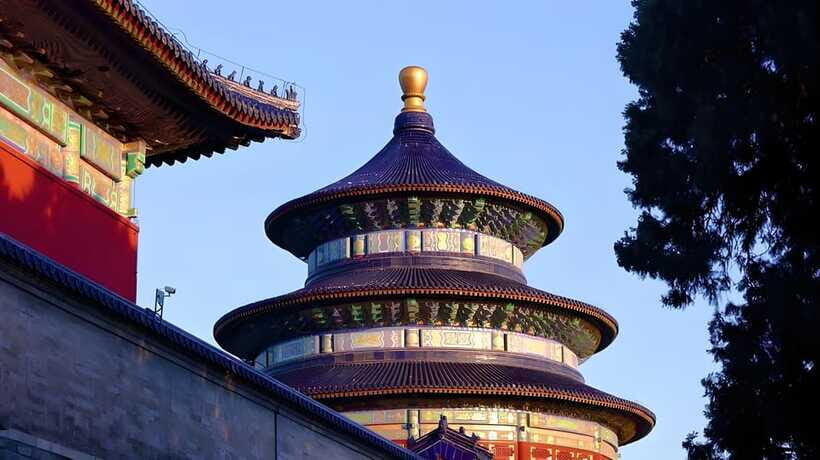
- Hall of Prayer for Good Harvests: the main statement
- Echo Wall: the acoustic wonder moment
- Circular Mound Altar: celestial symbolism you can feel
- The Extra Stops You May Pass: Gardens, Corridors, and Court-Style Details
- Day Timing vs Night Timing: What Changes After 19:30
- What I’d Pack and Prepare: ID, Sun, and Drone Rules
- Nearby Food Breaks: Gates, Quick Ordering, and Local Favorites
- At Tiantan Fuyan (West Gate)
- At Tiantan Fuyin (East Gate)
- Dongmen Yinsan Douzhi
- Nanmen Shabu-shabu
- Around the area extras
- How Much Is It Really Worth? The $5 Entry Angle
- Should You Book This Temple of Heaven Day Visit?
- FAQ
- What is included with this Temple of Heaven ticket?
- How long does the experience take?
- What are the main highlights on the route?
- What station and exit is the closest for the East Gate?
- Is the Temple of Heaven open every day?
- Are drones allowed at the Temple of Heaven?
- What do I need to bring for entry?
- Should You Book This Temple of Heaven Day Visit?
Key Things I’d Put on Your Shortlist
- Echo Wall: the acoustic moment inside the temple complex (and one of the most memorable stops)
- Circular Mound Altar: celestial symbolism tied to imperial sky rituals
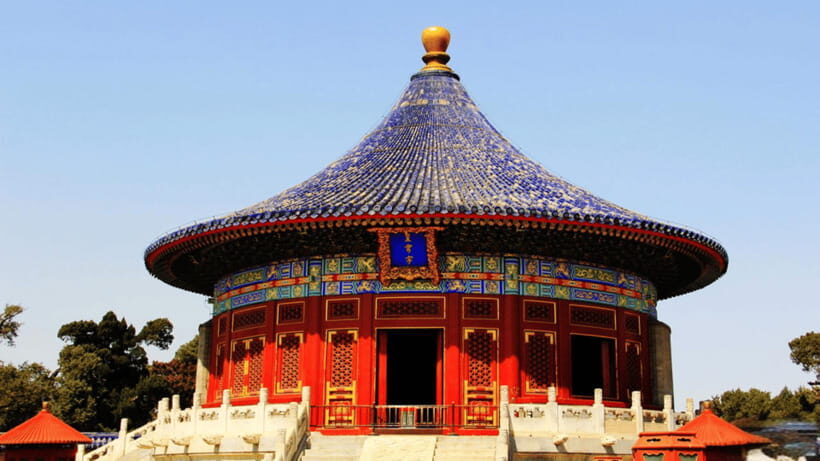
- Hall of Prayer for Good Harvests: the iconic building tied to the site’s main purpose
- Multiple entrance/route choices: East Gate, West Gate, and faster-cut paths from other subway exits
- Photo-friendly pacing: a route that naturally moves you past gardens and key structures
Temple of Heaven Park: More Than a Pretty Stop in Beijing
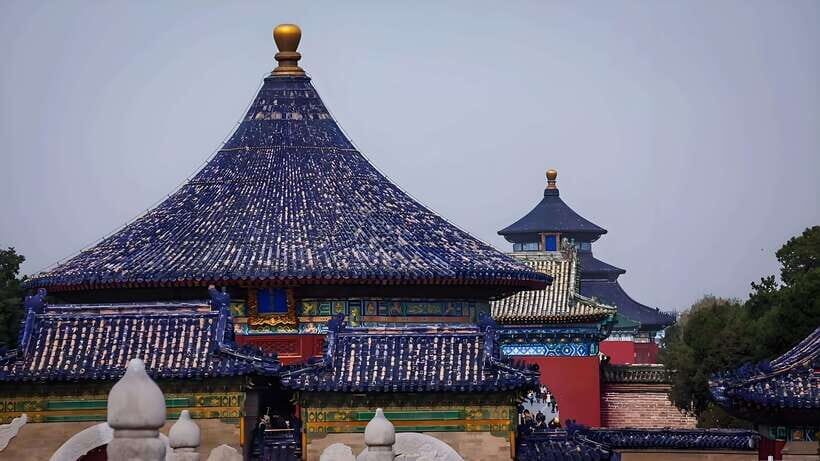
The Temple of Heaven sits in Beijing’s Dongcheng District, and it’s one of those places where the setting helps you understand the story. The core idea is simple: this was an imperial complex, built in 1420 during the Ming Dynasty, used when emperors worshiped heaven and prayed for good harvests through sacred rituals. It was originally called the Temple of Heaven and Earth, then renamed Temple of Heaven in 1530.
What you’ll notice when you’re there is how the layout supports the ritual concept. You’re not just moving between buildings. You’re walking a planned route through major points tied to the sky, harvest prayers, and court ceremony. That’s why this visit is such a strong value, especially when you’re paying for entry to the most important zones rather than renting your own private day plan.
The site is also UNESCO World Heritage (since 1998), which matters because it’s one of the few Beijing attractions where the scale and symbolism are part of the reason it’s protected. You’ll get a quieter kind of sightseeing here than at the city’s more crowded big-ticket sites.
A few more Beijing tours and experiences worth a look
What’s Actually Included in This Ticket (And What That Means for Your Day)
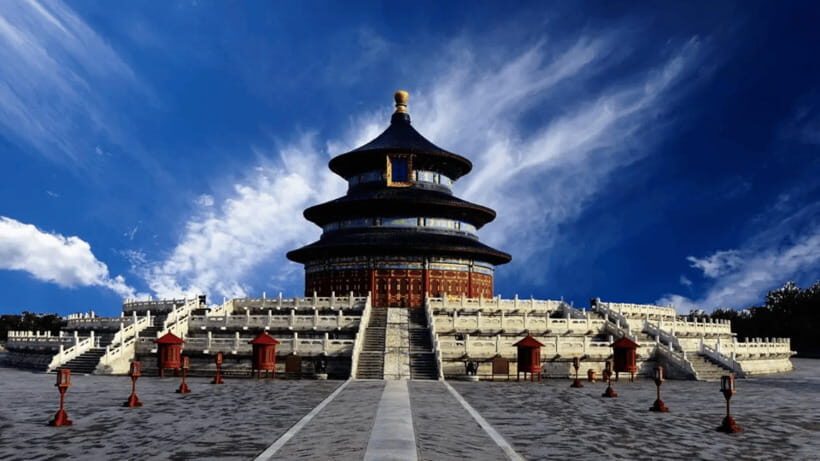
This experience includes entry to Temple of Heaven Park plus three headline highlights: the Hall of Prayer for Good Harvests, the Echo Wall, and the Circular Mound Altar.
That “headline” focus is a good thing. Temple of Heaven can feel like a lot on a first visit because the grounds are expansive and the route branches. Having your entry anchored to the main ritual structures helps you avoid wandering aimlessly and missing the parts that most visitors come for.
Also, the duration is 1 day, so you can slot it into a tight Beijing itinerary without losing a full day to logistics. If you want more time for photos or slower strolling, you can, but you won’t feel forced to.
And if you prefer help, there are options with English guide book and English guide add-ons, which can be worth it when you want context without spending hours researching each stop.
Choosing Your Best Option: Entrance Ticket vs Combo Day Plans
The big advantage of this Temple of Heaven setup is how many ways you can match it to your style.
Entrance ticket only
If you just want the basics, the entrance ticket alone is the most budget-friendly way to access the key areas tied to the highlights. This is the option I’d choose if you’re comfortable walking a route and using photos and signage to guide you.
Combo ticket + English guide book (or English guide)
Adding an English guide book can help you connect what you’re seeing with the meaning behind it. If you choose the version that includes an English guide, you’ll typically get smoother navigation and clearer explanations of what each major stop represents—especially useful for places like the Circular Mound Altar, where the symbolism is part of the experience.
You can also read our reviews of more guided tours in Beijing

Combo ticket + restaurant and bar reservations
If food planning stresses you out, this kind of add-on can make the day feel more complete. You’ll still need to manage your time, but you’re less likely to burn energy figuring out where to eat right after the walk.
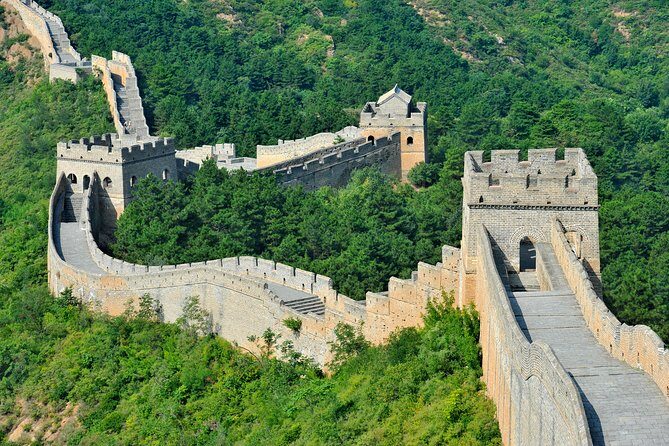
Full-day add-ons: Temple of Heaven + Summer Palace or Great Wall (Mutianyu)
If you want a “two major sights in one day” strategy, there are options that pair Temple of Heaven with either the Summer Palace or Mutianyu Great Wall. This can be smart if you’ve got limited days in Beijing and you don’t want to dedicate a whole separate outing to each place.
Entering the Park Without Losing Time: Metro Exits and Route Choices
Your biggest practical win here is choosing the right entry for how you want to move.
East Gate (often the easiest starting point)
One route suggests Exit A2 of Tiantan East Gate Station (Line 5), with about 100 meters to the East Gate. This is the “get there fast and go straight to the main circuit” approach.
West Gate
Another option uses Exit C of Tianqiao Station (Line 8), about 70 meters. If you’re already on that line, this can save you a chunk of walking time.
Fast pass-style route from other stations
There’s also a faster cut route idea based on other subway exits:
- North Gate: Exit C of Qiaowan Station (Line 7), about 700 meters
- South Gate: Exit B of Jingtai Station (Line 14), about 1200 meters
What I like about these route options is that they let you avoid the common first-day problem: you’re tired from riding the subway, and then you spend 20–30 minutes figuring out the best way into the grounds. Picking the right gate helps your whole day feel calmer.
The Walk That Makes the Place Click: Hall of Prayer to Echo Wall to the Sky Altar
A Temple of Heaven day works best when you treat it like a sequence, not separate attractions. When I plan it, I think: first you see the purpose, then you hit the acoustic and ritual highlights, then you finish at the symbolism-heavy altar area.
Hall of Prayer for Good Harvests: the main statement
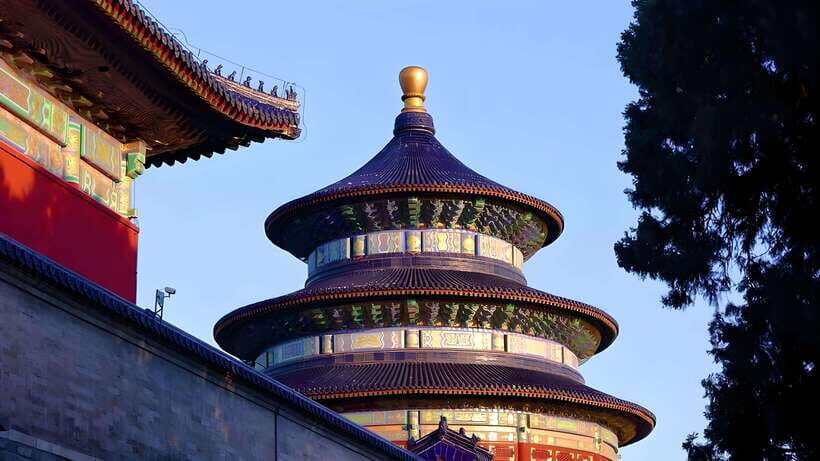
This is one of the most iconic stops in the complex, and it’s tied directly to the site’s purpose: emperors praying for good harvests. Even if you don’t speak much Chinese, this is the anchor point that makes the rest of the route make sense. You’re not just looking at architecture; you’re seeing the kind of ceremonial space this place was built around.
Practical tip: give yourself a little extra time here for photos and for taking in the whole structure before you move on. It’s also a good spot to check your bearings for the Echo Wall and the Circular Mound Altar afterward.
Echo Wall: the acoustic wonder moment
Next up is the Echo Wall. The highlight is its acoustic wonder, and it’s the kind of stop that turns the day from “interesting ruins” into “wait, that’s cool.” Don’t overthink it—just take your moment, listen, and enjoy the surprise factor.
If you’re traveling with kids or anyone who likes small science-and-culture moments, Echo Wall tends to land well.
Circular Mound Altar: celestial symbolism you can feel
Then comes the Circular Mound Altar, famous for its celestial symbolism. This is where you understand why the site is laid out the way it is. The shapes, the design, and the ritual purpose all line up with the idea of the emperor connecting earth and sky.
If you’re choosing between skipping details and having meaning, this is the stop where slowing down pays off. Even a short time looking around the altar area helps you grasp the logic of the whole complex.
The Extra Stops You May Pass: Gardens, Corridors, and Court-Style Details
Even though the ticket highlights focus on the headline structures, the Temple of Heaven route often takes you past additional spaces that make the day feel more complete.
Depending on the path you follow, you might see elements like:
- Seven Star Stone
- Seventy-two Corridors
- North Kitchen
- Imperial Palace
- Imperial Vault of Heaven
- Palace of Abstinence
- Hundred Flowers Garden
- Longevity Pavilion
Here’s the practical value of these “in-between” stops. They help you keep moving, they add variety so you’re not stuck staring at one building for too long, and they give you a better sense of how large and planned the imperial complex really was. On a big-ticket day in Beijing, that variety matters.
Day Timing vs Night Timing: What Changes After 19:30
Timing is where you can win or lose this visit.
One important note: the site has night lights only on Fridays/Saturdays and holidays after 19:30. That means if you plan an evening visit, you’re choosing a specific light schedule, not a general “any night” experience.
And here’s the drawback to keep in mind: arriving too late can limit what you can enter. A real example from someone who had a ticket showing broad entry hours: they arrived around 20:00, and the day ended up being outer gardens only instead of full temple access. The temple looked beautiful lit up, but the garden area was much darker than expected.
So my advice is simple:
- If you want the strongest temple experience, plan to arrive with time to spare.
- If you want night photos, plan your expectations around the fact that parts of the park may not feel equally lit.
Also keep in mind the site is closed on Mondays. That one trips up a lot of first-time planners, so lock in your dates early.
What I’d Pack and Prepare: ID, Sun, and Drone Rules
This is a straightforward day trip, but it’s still China. The info you should take seriously:
- Bring your passport (explicitly required by the activity info).
- Notes also suggest bringing your ID card.
- Bring sunscreen and a power bank.
- Drones are prohibited.
That’s it. No special gear is mentioned—just the basics that keep you comfortable during a walk-heavy visit.
Nearby Food Breaks: Gates, Quick Ordering, and Local Favorites
A Temple of Heaven visit can easily turn into a full Beijing food moment if you plan it like you would a market stop—close to where you exit.
At Tiantan Fuyan (West Gate)
There’s a must-order item called the Temple of Heaven Cake. The strawberry flavor sells out fastest, especially in the afternoon tea window. You may need to get a number on your phone first, then return right after visiting areas like the Zhai Palace.
If you’re visiting for dinner, roast duck is also available here.
At Tiantan Fuyin (East Gate)
This area has an easy photo-friendly treat: Divine Beast Ice Cream and Glitter Lollipop. It’s a fun stop when you’re traveling with families or just want something light that doesn’t wreck your schedule.
Dongmen Yinsan Douzhi
This is described as Michelin recommended, and it’s known for fried dough rings plus a traditional-style douzhi drink. It’s a good way to get that old Beijing snack feeling without committing to a long sit-down meal.
Nanmen Shabu-shabu
If you want warm comfort food, this is the hand-cut lamb in copper pot clear soup option. The practical note: get a number in advance so you’re not waiting around.
Around the area extras
If you have time for a quick side mission:
- Lama Temple Noodles (two subway stops away)
- Ditan Ximen Tanghulu (sweet, crisp, childhood-memory style)
- Wudaoying Hutong Coffee for a short pause and street-photo wandering
These food picks matter because Temple of Heaven is a lot of walking. Eating close to the gates keeps your day smooth.
How Much Is It Really Worth? The $5 Entry Angle
At about $5 per person for the basic ticket concept, this is excellent value for one reason: you’re paying for access to the most important Temple of Heaven highlights, not just a generic “walk around the grounds” entry.
The optional add-ons shift the value equation:
- If you want context fast, the English guide book/guide options can make the site feel more meaningful.
- If you want to protect your time, the combo pairing with Summer Palace or Mutianyu Great Wall can be a practical way to stack top sights.
Just remember: the entrance fee is only part of your experience. Timing and route planning matter a lot. A cheap ticket that turns into “only outer areas” because you arrived too late isn’t a win.
Should You Book This Temple of Heaven Day Visit?
Yes, I think you should book it if you want a low-cost, focused day that hits the Temple of Heaven’s headline spaces: Hall of Prayer for Good Harvests, Echo Wall, and the Circular Mound Altar. It’s also a good pick for first-time Beijing visits because the route choices and multiple entry gates help you control your pace.
Skip or be extra careful if you’re aiming for a late evening plan. The lighting after 19:30 can be beautiful, but you need to protect your entry time to avoid ending up with only limited access.
If you want, tell me your travel dates and whether you’re coming from Line 5 or another part of Beijing. I can suggest which gate/route style fits best and how to build in a food break without rushing.
FAQ
What is included with this Temple of Heaven ticket?
It includes Temple of Heaven Park entrance plus the Hall of Prayer for Good Harvests, Echo Wall, and the Circular Mound Altar.
How long does the experience take?
It is listed as valid for 1 day.
What are the main highlights on the route?
The highlights include Echo Wall, the Circular Mound Altar with celestial symbolism, and the Hall of Prayer for Good Harvests.
What station and exit is the closest for the East Gate?
The closest option is Metro Line 5 Temple of Heaven East Gate, Exit A (about 100 meters mentioned for the East Gate entrance).
Is the Temple of Heaven open every day?
It is closed on Mondays.
Are drones allowed at the Temple of Heaven?
No. Drones are prohibited.
What do I need to bring for entry?
The activity info says to bring your passport, and the notes also mention bringing your ID card.
Should You Book This Temple of Heaven Day Visit?
Book it if you want great value and a clear hit list of Temple of Heaven’s top ritual stops, with optional English help if you want more context. Just plan your arrival time carefully, especially if you’re hoping for the Friday/Saturday/holiday night lighting after 19:30.