REVIEW · BEIJING
Beijing: Yonghe Lama Temple Tickets with guide (optional)
Book on GetYourGuide →Operated by Chinatravelhelper · Bookable on GetYourGuide
A thousand-room temple in Beijing sounds like a lot, and it is. This Yonghegong Lama Temple visit is a smart way to see how Tibetan Buddhism and traditional Chinese architecture share the same space, with a guided walkthrough option that helps you read the place instead of just snapping photos.
Two things I really like: the pre-booked ticket that saves you from ticket-line hassle, and the chance to explore the site’s three archways, five main halls, and over 1,000 rooms at a relaxed pace. One thing to think about first: it’s not wheelchair friendly, so plan alternative routes if mobility is an issue.
In This Review
- Key highlights to expect
- Beijing’s Yonghegong Lama Temple: why this site feels worth your time
- The temple walk: three archways and five main halls in order
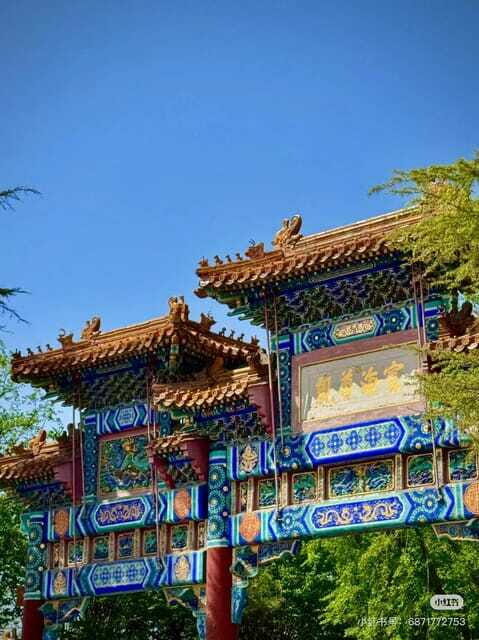
- Zhaotai Gate and the gates-as-story effect
- Bell Tower and Drum Tower: sound and symmetry
- Yonghe Gate and the transition into the core
- Grand Hall (Hall of Great Buddha): the “big moment”
- Yongyou Hall and the feeling of being inside a living complex
- Hall of the Wheel of the Dharma: look for the “teaching” vibe
- Pavilion of Ten Thousand Blessings: the finishing highlight
- Getting there and timing your visit (because closing time is real)
- English guide optional: how guidance changes the experience
- Price and value: is $12 a good deal for this temple visit?
- What to bring and what to avoid inside Yonghegong
- Who should book this and who should skip it
- Should you book this Yonghegong Lama Temple ticket with guide?
- FAQ
- FAQ
- Where is Yonghegong Lama Temple located?
- How long is this experience?
- What does the price include?
- Is there an English guide?
- What are the opening hours in summer and autumn?
- What are the opening hours in winter and spring?
- How do I get there by metro?
- What should I bring?
- Is the tour suitable for wheelchair users?
- How much is it per person?
Key highlights to expect
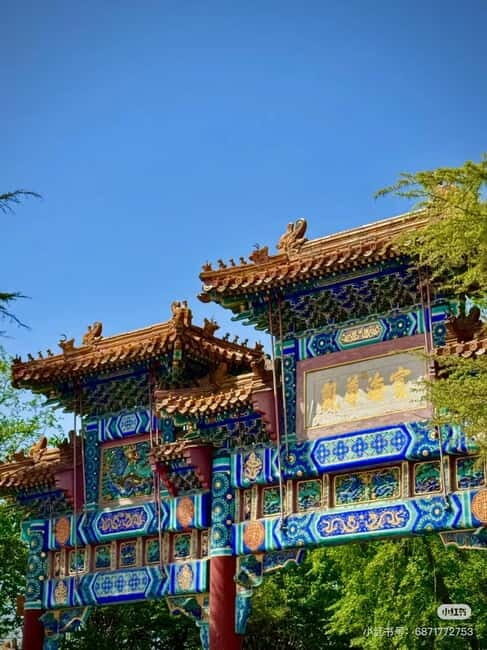
- A pre-booked Yonghegong ticket so you can focus on the temple, not the queue.
- Tibetan-Buddhist meets Han/Manchu/Mongolian design in a single Qing-era complex.
- A layout that tightens and rises: courtyards narrow south-to-north, and the halls get taller.
- Landmarks you can name while you walk (Zhaotai Gate, Bell Tower, Drum Tower, Grand Hall, and more).
- English live guidance in a small group for clearer context without crowd overload.
- Timing matters because last entry is early, and the grounds clear soon after.
Beijing’s Yonghegong Lama Temple: why this site feels worth your time
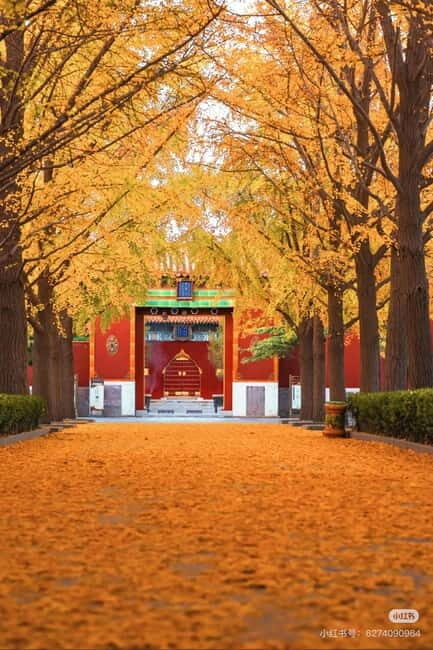
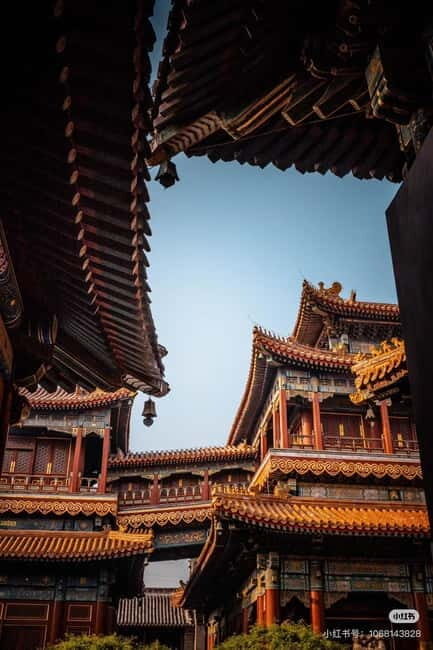
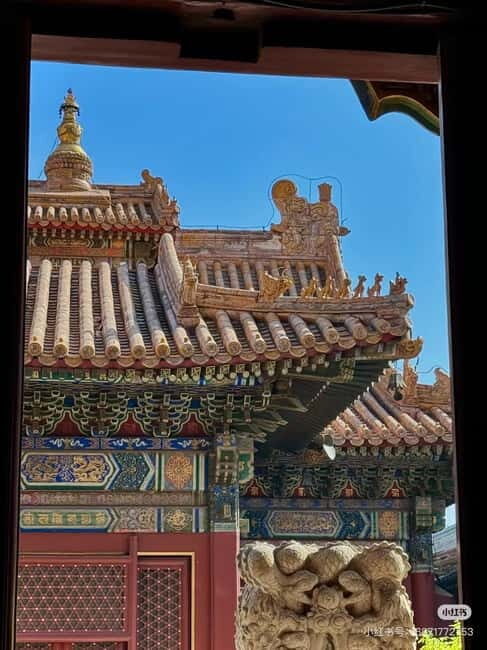
Yonghegong Lama Temple (often called the Lama Temple) isn’t just another “temple stop” in Beijing. It’s a purpose-built complex where religious life, imperial politics, and cross-cultural style all show up in the same walk. The Qing Dynasty built it in 1694 during Emperor Kangxi’s reign, and it later became the highest-ranking Buddhist temple of the late Qing period. That history matters because you can feel it in the scale and the serious, orderly layout.
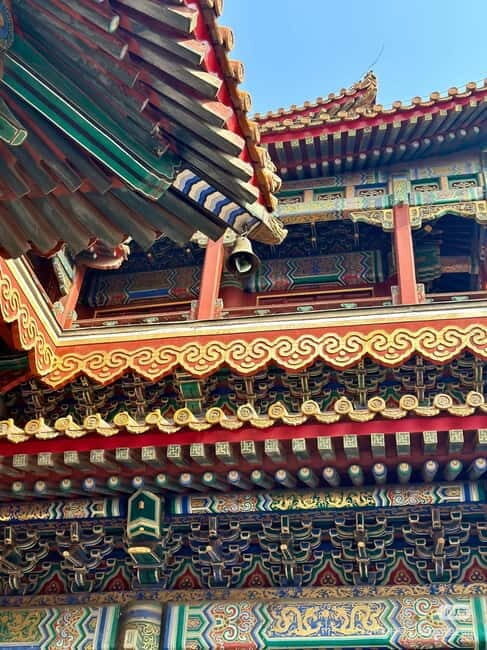
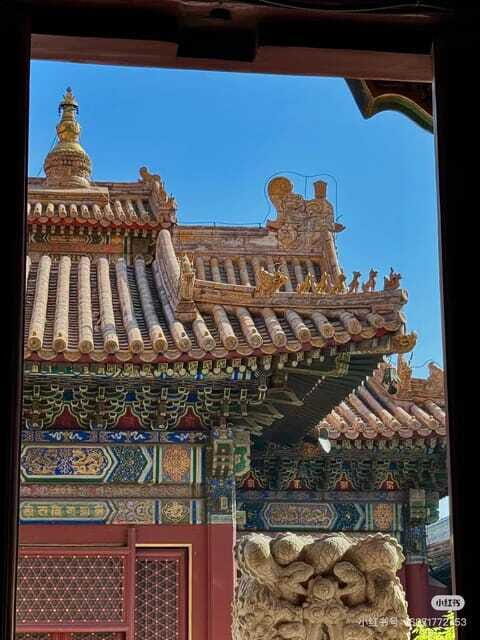
What makes this experience especially interesting is the mix of influences. The temple architecture blends Tibetan Buddhism with traditional Chinese features, and the complex reflects Han, Manchu, Mongolian, and Tibetan cultural elements. If you’ve ever wondered why religious buildings can look “different” within the same country, this is a great real-world example.
I also like that you get more than a quick glance. The site spreads across 66,400 square meters and includes over a thousand rooms, plus three archways and five main halls. It’s not a one-building visit. It’s a slow progression.
The only catch: rules and timing are real. You’ll need to follow on-site restrictions, and entry ends well before closing. So show up with a plan, not with hope.
A few more Beijing tours and experiences worth a look
The temple walk: three archways and five main halls in order
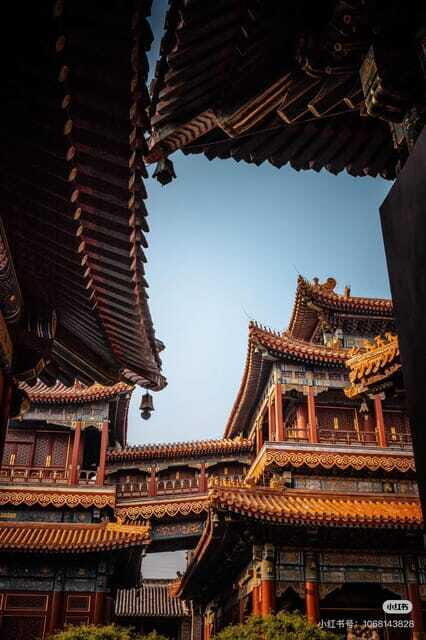
This is the kind of place where the order you see things in actually helps you understand it. The courtyards gradually narrow as you move south to north, and the hall heights rise in sequence. That means the experience quietly builds tension: you start in open space, and then the complex feels more “commanding” as you go deeper.
Here’s the route structure you can expect to follow inside the grounds, along with what to look for:
Zhaotai Gate and the gates-as-story effect
At the entrance stage, Zhaotai Gate sets the tone. Gates like this are more than decoration. They guide your movement and attention, turning a city street into a controlled ceremonial corridor. Even before you reach the main halls, you’re already “inside the system.”
Bell Tower and Drum Tower: sound and symmetry
Then you hit the Bell Tower and Drum Tower area. These are classic temple elements, and they help reinforce a rhythm to the visit. Don’t treat them like random buildings. Think of them as part of how the complex signals structure—what comes next is important.
Yonghe Gate and the transition into the core
Moving toward the Yonghe Gate, the walking path feels more intentional. This is where I find an English guide (if you choose one) can be useful. Even simple explanations about what each space is used for can change how you interpret the visuals.
You can also read our reviews of more guided tours in Beijing
Grand Hall (Hall of Great Buddha): the “big moment”
The Grand Hall, also called the Hall of Great Buddha, is the central draw. This is where the design energy concentrates. It’s not just about size. It’s about how the building directs your gaze and holds attention. If you only take one longer pause, take it here—so you’re not sprinting through the most important part.
Yongyou Hall and the feeling of being inside a living complex
You’ll also pass through areas like Yongyou Hall. Some sites feel like museums. This one feels more like a functioning religious space, even when you’re there as a visitor. That difference matters for how you should behave: keep your voice low, move calmly, and let people practice without turning the whole place into a selfie studio.
Hall of the Wheel of the Dharma: look for the “teaching” vibe
The Hall of the Wheel of the Dharma is a strong stop for context. The name alone points to teaching and transmission, and you can often feel the “lesson” tone in the way a hall is organized. If you’re the type who likes to understand symbolism, this is a good spot to slow down.
Pavilion of Ten Thousand Blessings: the finishing highlight
Near the end of the walk, the Pavilion of Ten Thousand Blessings lands like a visual capstone. It’s a good place to regroup, take a breath, and make sure you’ve seen the core landmarks you came for.
Getting there and timing your visit (because closing time is real)
Yonghegong Lama Temple is at No. 12 Yonghegong Street, Dongcheng District, Beijing. Getting there is straightforward: take metro Line 5 and get off at Yonghe Lama Temple station.
Now for the part that changes your experience: the temple closes its doors to visitors before the posted end time. Opening hours shift by season:
- Summer and autumn (April 1–October 31): 9:00 AM–5:00 PM
- Last admission at 4:30 PM
- Entry ends, and the grounds clear by 5:00 PM
- Winter season (November 1–March 31): 9:00 AM–4:30 PM
- Last admission at 4:00 PM
- Entry ends, and the grounds clear by 4:30 PM
There’s also an important note: stop entering at 16:00. So don’t treat 4:30 as “safe.” If you want time to actually enjoy the halls, aim to arrive earlier than you think you need.
One more practical point: the grounds are large, and you’ll want time for a steady walk through multiple halls and courtyards. This is not the right visit to tack on as a rushed stop between meals.
English guide optional: how guidance changes the experience
You can go with just the Yonghegong Lama Temple ticket, or you can add a live English tour guide (English is listed for the guide service). The practical value of the guide is simple: it helps you move through a complex religious site without feeling lost.
In a place with Tibetan-influenced forms inside a Chinese architectural frame, basic orientation matters. Even short explanations can help you notice why a hall, gate, or named area feels significant. You don’t need a long lecture. You need the right context at the right time.
This option also works well because the tour is offered as a small group, which usually keeps things smoother than a big crowd situation.
Price and value: is $12 a good deal for this temple visit?
At $12 per person, this is a low-cost way to see one of Beijing’s most distinctive religious complexes. The value isn’t only the price tag—it’s what you’re buying:
- Temple ticket included
- Information service fee included
- Live English guide available (optional, depending on your booking choice)
The other big value piece: pre-booking helps you avoid the on-the-spot ticket hassle. That matters because entry timing is tight. When your window is limited, waiting at the gate is an avoidable stress.
Is it worth it? If your priority is an orderly, understandable visit to the Lama Temple (rather than a quick photo loop), yes. The site is built for walking, and the experience gets better when you know what you’re looking at.
What to bring and what to avoid inside Yonghegong
Keep it simple:
- Bring a passport.
- Don’t bring alcohol or drugs.
- Don’t light fires.
That’s all spelled out clearly, and it’s normal temple-site discipline. The more you follow the rules calmly, the less friction you’ll run into during security checks and your walk inside.
Also note: this experience is not suitable for wheelchair users. If mobility needs are part of your plan, you’ll want to think about alternate sightseeing options in Beijing.
Who should book this and who should skip it
This tour fits well if you:
- Want a short, one-day cultural stop in Beijing
- Like religious architecture and cross-cultural design
- Prefer a pre-booked ticket to reduce time pressure
- Appreciate an English guide to make sense of the named halls and overall layout
- Enjoy slow wandering across multiple courtyards and halls
You might want to skip or adjust your plan if:
- You need wheelchair access (not suitable)
- You hate time limits and don’t like planning around last entry
- You’re hoping for a late-day visit—entry stops early enough that you’ll feel the clock
Should you book this Yonghegong Lama Temple ticket with guide?
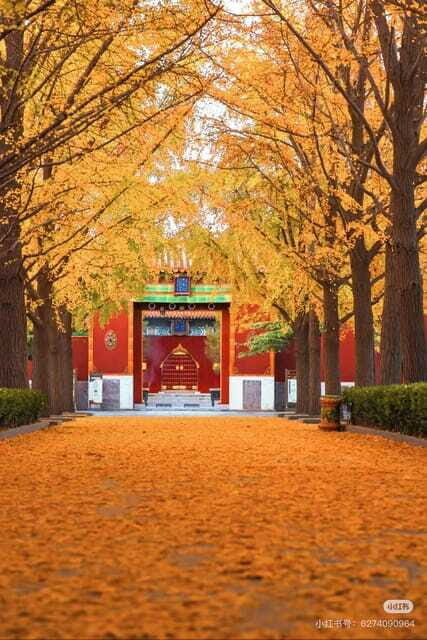
If you’re planning to visit Yonghegong Lama Temple in Beijing, I think this is a smart booking style. The biggest reason: pre-booking reduces friction right when you need flexibility, and the site itself is big enough that losing time at the gate would feel like a waste.
Book it if you like structure and want to see named highlights like Zhaotai Gate, the Hall of Great Buddha, and the Wheel of the Dharma without guessing. Pass if accessibility is a concern or if you’re the type who refuses to plan around closing times.
FAQ
FAQ
Where is Yonghegong Lama Temple located?
It’s at No. 12 Yonghegong Street, Dongcheng District, Beijing.
How long is this experience?
The ticket is valid for 1 day, with the actual visit tied to the temple’s opening hours.
What does the price include?
You get Yonghegong Lama Temple tickets and an information service fee.
Is there an English guide?
Yes, there is a live tour guide in English, and the service is offered for small groups.
What are the opening hours in summer and autumn?
From April 1 to October 31, it runs 9:00 AM to 5:00 PM, with last admission at 4:30 PM. Entry ends and the grounds clear by 5:00 PM.
What are the opening hours in winter and spring?
From November 1 to March 31, it runs 9:00 AM to 4:30 PM, with last admission at 4:00 PM. Entry ends and the grounds clear by 4:30 PM.
How do I get there by metro?
Take metro Line 5 and get off at Yonghe Lama Temple station.
What should I bring?
Bring your passport.
Is the tour suitable for wheelchair users?
No. It’s not suitable for wheelchair users.
How much is it per person?
The price is $12 per person.