REVIEW · HANGZHOU
Classic Hangzhou city day tour
Book on Viator →Operated by Taylor Made Hangzhou Wuzhen Private Tours · Bookable on Viator
One day, five centuries of Hangzhou. I love how this tour stitches together West Lake by water, then switches gears to hands-on Longjing tea country while you still stay inside a simple day plan. It also has that rare combo: big-name sights plus time to see how ordinary people live around the lake and in the tea region.
A possible drawback: the day runs about 6–9 hours, so you’ll want to be okay with a packed schedule and some outdoor time in good weather.
In This Review
- Key highlights you shouldn’t miss
- West Lake cruise: the easy start that makes Hangzhou click
- Leifeng Pagoda over the lake: views and the Buddha’s hair detail
- Longjing tea fields: watch tea work, then drink it like you mean it
- Xueyan Hu’s former residence: old wealth, but with real design surprises
- Southern Song Guan Kiln Museum: celadon porcelain and why it matters to tea
- Price and value: what you pay for on this Hangzhou loop
- The best part: a guide like Taylor keeps the day from feeling scripted
- How to plan your day for smooth energy (no stress, no guesswork)
- Who this tour is best for
- Should you book this classic Hangzhou city day tour?
- FAQ
- Is this a private tour or shared with other people?
- How long does the Hangzhou classic city day tour take?
- What’s included in the tour price?
- Which parts have admission fees included versus free admission?
- Is lunch included?
- Is pickup offered?
- What if the weather is poor or I need to cancel?
Key highlights you shouldn’t miss
- West Lake UNESCO scenery with a real cruise, not just photo stops
- Leifeng Pagoda for skyline views over the lake and the city
- Longjing tea fields inside the city, with a chance to watch tea work
- Xueyan Hu’s residence and its unusually detailed, wealthy-era interior
- Southern Song Guan Kiln Museum tying celadon porcelain to tea culture
West Lake cruise: the easy start that makes Hangzhou click
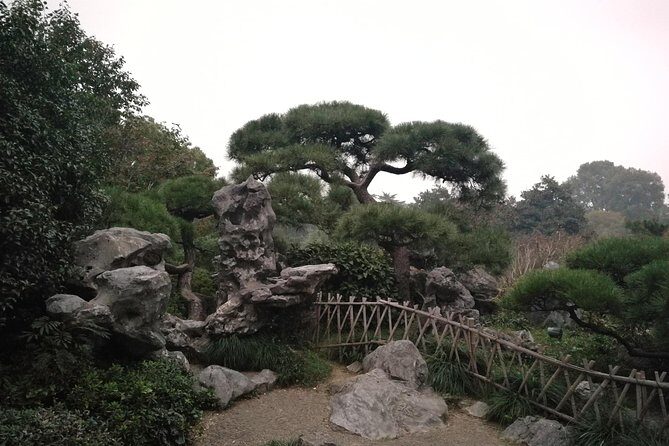
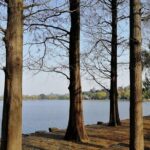
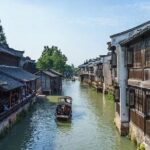
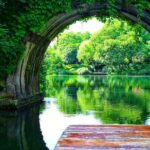
Hangzhou makes first impressions fast, and this itinerary starts the right way: at West Lake (Xi Hu). You’ll get around about two hours there, with admission included, and the heart of it is the lake itself—historic, famous, and visually layered in a way that’s hard to recreate on land.
The cruise matters more than people expect. From the water you don’t just see views; you see how the lake shapes everything around it. Shorelines, pagoda silhouettes, and little changes in angle all add up. If you’ve only got one day, this is the best kind of shortcut: you’re seeing a lot of the “Hangzhou look” in a short time.
One practical tip: aim to spend a few minutes early just watching the light and movement on the water. Then when you start checking out landmarks, your brain already has a reference point. That helps you enjoy the details instead of just rushing from one spot to another.
You can also read our reviews of more city tours in Hangzhou
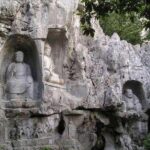

Leifeng Pagoda over the lake: views and the Buddha’s hair detail
After West Lake, the day climbs to Leifeng Pagoda. It’s an over 1,000-year-old Buddhist pagoda by the lake, and it’s a classic because it gives you an elevated view over both the lake and the city.
You’ll have about one hour, with admission included. The big payoff is the panoramas. Even if you’ve seen postcard images, being up there in person changes the scale. The lake feels wider, and the surrounding buildings look more organized—like Hangzhou is designed around water.
Then there’s the standout story detail the site is known for: the Buddha’s hair was buried underneath. That’s the kind of moment that makes a stop feel more than scenic. It turns a view into a place with meaning, and it’s a good reminder that this region’s famous beauty is tied to long religious and cultural threads.
Longjing tea fields: watch tea work, then drink it like you mean it
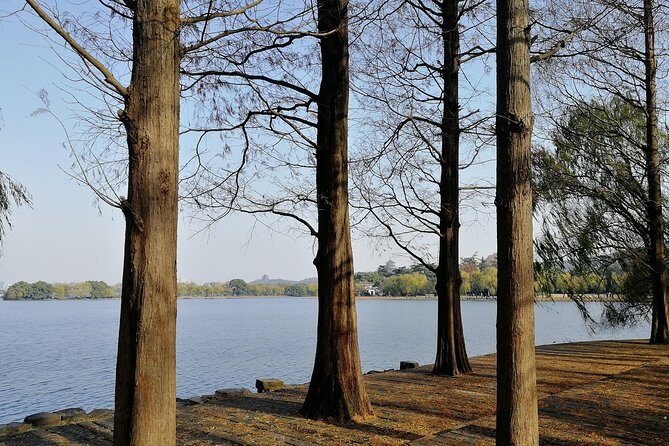
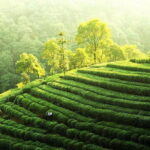
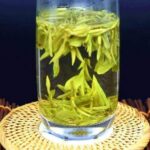
Next comes Longjing tea fields, which the tour frames as Hangzhou’s tea origin, tied directly to the famous Longjing green tea. This is where the day becomes less about big monuments and more about how real tea life happens.
You’ll have about one hour, and admission is free. You can expect time in the tea area where tens of thousands of tea farmers have their home, plus a chance to see the rhythm of tea picking and drying. Even if you don’t participate, watching the process is a quick education. It helps you understand why Longjing isn’t just a souvenir flavor—it’s tied to people, timing, and careful handling.
What I like most here is the tone of the stop. It’s not pretending to be a theme park. It’s closer to a casual walk along a plantation trail and passing by a local tea village area. And then you get a cup of Longjing tea in a local home setting (a BNB family is mentioned), which is a nice change from museum-only tourism. You’re learning how locals talk about the tea, not just how a shop sells it.
A practical note: tea fields can mean uneven ground and outdoor conditions. Wear shoes you’re happy to get a little dusty, and bring a layer if the air turns cool in the morning or late afternoon.
Xueyan Hu’s former residence: old wealth, but with real design surprises
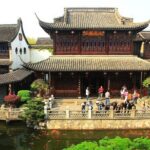
Now the tour shifts into Hangzhou’s wealthy-era world at the Former residence of Xueyan Hu. This is described as the home of the richest businessman in China nearly 200 years ago, and that backstory alone sets expectations: you’re going in to see what “status” looked like when it was expressed through architecture and interiors.
You’ll spend about one hour here, with admission included. The highlight is the exquisite design and the fancy interior decoration of the complex. This stop works well if you like visual details—courtyards, layout decisions, and all the crafted elements that show power and taste in a pre-modern setting.
The useful angle for your day: this is a change of pace from water and tea. After walking outdoors, stepping into a residence feels like switching from motion to focus. Your brain gets a break from “stand in line, take photo,” and you can just slow down and look.
If you have a habit of reading every plaque, you’ll probably enjoy it more than you expect. If you don’t, you can still get plenty out of watching the overall design logic: the complex layout reflects how people lived, not just how they showed off.
Southern Song Guan Kiln Museum: celadon porcelain and why it matters to tea
The final major cultural stop is the Southern Song Dynasty Guan Kiln Museum. This is tied to Hangzhou’s prime-time era when, according to the tour description, emperors stayed in Hangzhou for over 151 years and developed major properties nearby. Even if you only remember one number from this day, remember that 151-year anchor—it helps this museum feel connected to something larger than a single building.
You’ll have about one hour, and admission is free. The story here is about imperial celadon porcelain. The museum frames it as a place where emperors made their own celadon from the imperial kiln. That connects ceramics to power in a very direct way: the skill wasn’t casual craft; it was state-level production.
Here’s the most practical, “you’ll feel it later” detail: celadon is also considered one of the best tea sets for enjoying Longjing green tea. That means the tour isn’t just swapping topics. It loops back. You taste tea after seeing tea work, then you end by learning how the right vessel changes the tea experience—at least in how the culture understands it.
If you’re the type who likes taking a deeper meaning away from souvenirs, this stop earns its place. Instead of buying a thing and hoping it makes sense, you leave with a reason.

Price and value: what you pay for on this Hangzhou loop
At $143.05 per person for a 6–9 hour private-style day, value depends on what you want from the day.
Here’s what you’re getting for the money:
- Private transportation in an air-conditioned vehicle
- Bottled water
- All fees and taxes covered
- A setup that includes admission for key stops (with Longjing and the Guan Kiln Museum noted as free)
What that means for you: you’re paying to reduce decision fatigue. You don’t have to piece together separate tickets, figure out timing between lake sites and tea fields, or wonder how to route a day so it doesn’t collapse under traffic and lines.
The fact that pickup is offered is also a real value item. In cities like Hangzhou, your day can be “good” or “annoying” based on whether you’re constantly managing transfers.
Room for caution: the day can feel full. If you like drifting at your own speed, you might find yourself wishing for more time at fewer places. Still, for a one-day overview that covers water, pagoda views, tea life, a mansion, and a kiln museum, the coverage is strong.
The best part: a guide like Taylor keeps the day from feeling scripted
Your day isn’t just a checklist. A big strength comes from the human element—especially if Taylor Made Hangzhou Wuzhen Private Tours assigns Taylor as your guide.
In the experience feedback, Taylor is described as engaging and knowledgeable about Hangzhou in a way that keeps the group’s attention. That matters because this kind of day tour can turn into a series of “look, look, next.” When the guide can connect the sights—lake heritage, pagoda symbolism, tea village life, and kiln craft—your time starts to feel like a story instead of a hopping schedule.
Also, group dynamics can be tricky. One review notes Taylor was particularly engaging with international students and professors during an event day, which suggests he can adapt his pacing and explanations to mixed audiences. If you’re traveling with people who learn differently—some want history, some want atmosphere—you’ll likely appreciate that flexibility.
How to plan your day for smooth energy (no stress, no guesswork)
This is a practical day plan. Still, you’ll get the best experience if you plan like the day is active.
- Bring comfortable shoes. You’ll be walking around lake areas, pagoda zones, and tea fields.
- Dress for weather. The tour notes it requires good weather, and tea fields are outdoors.
- Expect an indoor/outdoor mix. The residence and museum are more controlled; the lake and tea area will feel more exposed.
- Plan for lunch. Lunch isn’t included, so build it into your schedule rather than assuming there will be food included between stops.
If you’re the type who likes to photo everything, keep it smart: take photos, then close the camera for a few minutes. Look with your eyes first, then go back for the shot. That keeps the day fun instead of frantic.
Who this tour is best for
This classic Hangzhou day tour is a good fit if:
- you have one day and want a grounded overview
- you care about both big sights and local culture
- you like the idea of seeing Longjing tea life in the same day as lake heritage
- you want a guide who can keep the day engaging without turning it into a lecture
It may be less ideal if you hate structured timing, have mobility limitations that make moving between multiple sites harder, or want a slow, unguided wander where you can stay at one place all afternoon.
Should you book this classic Hangzhou city day tour?
If your goal is a high-value day with real variety—West Lake by water, Leifeng Pagoda views, Longjing tea fields, a major mansion interior, and the Guan Kiln celadon story—this is a strong choice. The private transportation, covered fees, and water reduce the everyday friction that can drain a day.
Book it if you like your sightseeing with meaning: not just photos, but connections between tea, craft, and the way Hangzhou built its reputation around water. Skip it only if you’re craving a long, slow exploration with lots of downtime. For most people with limited time, this tour gives you the most Hangzhou per hour.
FAQ
Is this a private tour or shared with other people?
It’s private: only your group participates.
How long does the Hangzhou classic city day tour take?
The duration is about 6 to 9 hours.
What’s included in the tour price?
Included are bottled water, all fees and taxes, air-conditioned vehicle, and private transportation.
Which parts have admission fees included versus free admission?
West Lake and Leifeng Pagoda include admission tickets. Longjing tea fields and the Southern Song Dynasty Guan Kiln Museum are listed as free admission. The former residence of Xueyan Hu includes admission.
Is lunch included?
No, lunch is not included.
Is pickup offered?
Yes, pickup is offered.
What if the weather is poor or I need to cancel?
The experience requires good weather. If it’s canceled due to poor weather, you’ll be offered a different date or a full refund. You can cancel for a full refund up to 24 hours in advance; changes made less than 24 hours before the start time aren’t accepted.