REVIEW · BEIJING
Confucius Temple and Imperial College Entrance Ticket
Book on Viator →Operated by Unique Beijing Tours · Bookable on Viator
Stone tablets and Confucius in one smart stop. Just a short walk from the Lama Temple, this Confucius Temple and Guozijian Museum complex brings imperial learning to life, with stone markers that connect directly to the Imperial Examination. The prepaid entrance ticket also helps you start calmly instead of getting stuck in the worst of the lines.
I love the way this visit works self-guided. You’ll find English instructions and exhibits around the halls, so you can comfortably spend real time reading and comparing what’s in front of you. With hundreds of stone steles plus statues and carvings, there’s plenty to keep you busy for a solid 2–3 hours.
One thing to consider: entry is tied to QR codes, and there’s at least one reported hiccup where only one of two QR codes scanned correctly. Also, tickets are sent about 5 days before your travel date, so don’t plan on making last-minute substitutions.
In This Review
- Key things to know before you go
- Confucius Temple and Guozijian: a Beijing stop about learning, not just scenery
- Getting there fast: near Lama Temple and easy public-transport access
- Your entrance ticket: what’s included and why timing matters
- Temple of Confucius: statues, carvings, and the Imperial Examination stone steles
- A small drawback to expect at this stop
- Guozijian Museum: the former imperial college turned into a learning showcase
- What you can realistically cover in your day
- Guided tour upgrade vs. self-guided: choose your pace
- Value check: is an $8 ticket worth your time?
- A practical way to enjoy it: how to pace the steles and halls
- Who this is best for (and who might want a different plan)
- Should you book this Confucius Temple and Guozijian ticket visit?
- FAQ
- FAQ
- How much is the Confucius Temple and Guozijian Museum entrance ticket?
- What does the ticket include?
- How long should I plan for the visit?
- Do I need a guide to enjoy the sites?
- When will I receive my tickets?
- Is this a private tour or shared group?
- Is it easy to reach using public transportation?
- Is this suitable for most travelers?
- What if something goes wrong with my QR codes at the entrance?
- Can I cancel for a full refund?
Key things to know before you go
- Prepaid entrance means less time fighting queues and more time inside
- English support on-site makes it practical even if you don’t upgrade to a guide
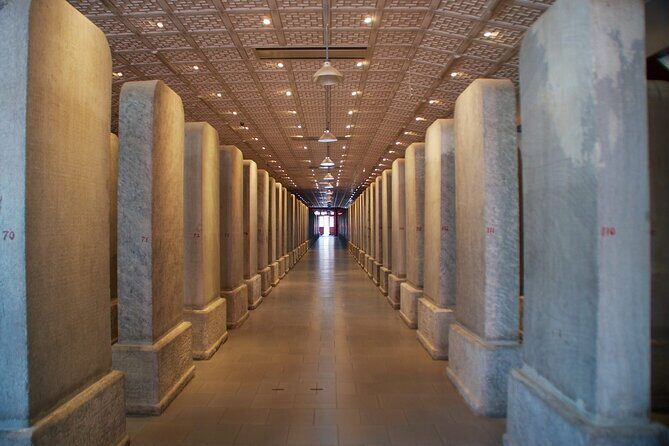
- Hundreds of stone steles give you a tangible record of Imperial Examination success
- Temple + museum in one complex saves transit time and keeps your day efficient
- Optional guided tour upgrade is there if you want extra history told in English
Confucius Temple and Guozijian: a Beijing stop about learning, not just scenery
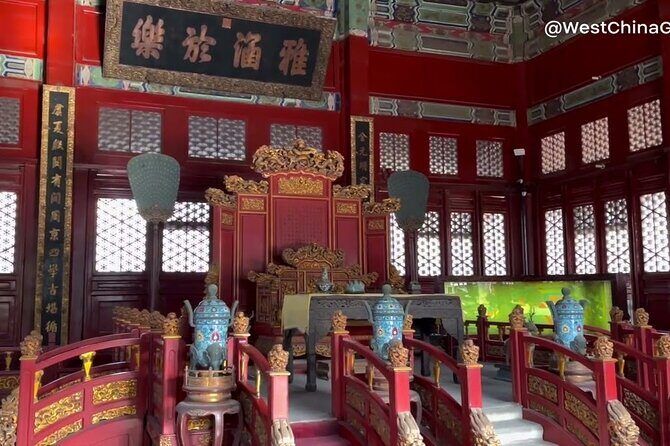
Beijing has plenty of big-ticket sights. This one feels different because it’s all about education and official scholarship, not just temples and courtyards. The Temple of Confucius and the Guozijian Museum sit side by side, and together they tell you how the imperial world organized knowledge.
What makes it especially worth your time is how the message is displayed in different ways. You’re not only looking at buildings. You’re also looking at stone records—names carved into steles—plus halls designed for study and ritual.
It also works well as part of a day that already includes Lama Temple. You can keep your walking route tight and your schedule sane.
A few more Beijing tours and experiences worth a look



Getting there fast: near Lama Temple and easy public-transport access
This complex is described as being near public transportation, which matters in Beijing. That means you can plan for the kind of day where you hop between attractions without burning your whole morning in transit.
It’s also just a short walk from the Lama Temple. That’s a real advantage: you can do one cluster of cultural sites close together instead of zigzagging across town.
Your entrance ticket: what’s included and why timing matters
Your ticket price is listed at $8.00 per person. For that, you get entrance plus a smoother entry experience thanks to the prepaid setup.
You can also choose an English-speaking guide option if you want more context. The base experience includes the entrance fee, and the guide language support depends on the related option you select.
One practical detail to plan around: tickets are sent about 5 days before your travel date. If you’re traveling on tight timing, build in buffer so you don’t end up scrambling for access.
Temple of Confucius: statues, carvings, and the Imperial Examination stone steles
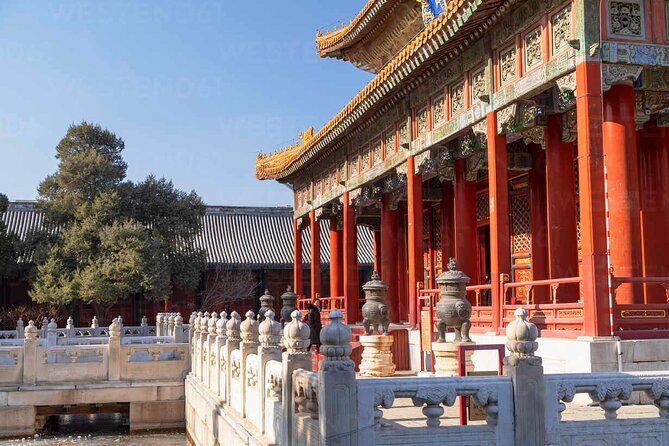
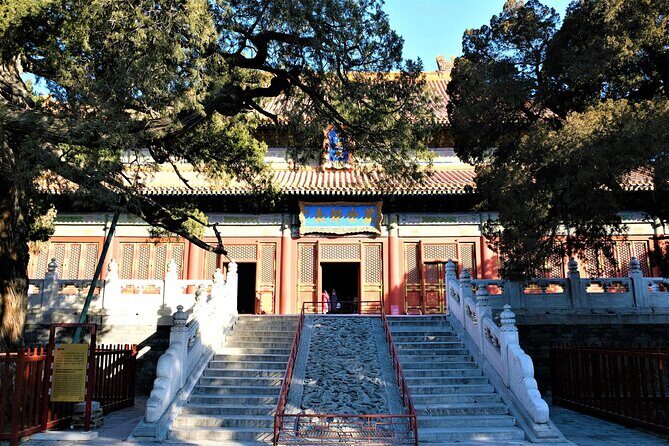
The Temple of Confucius is the second largest Confucian Temple in China, after the one in Qufu. It was originally built in 1302 for officials to honor Confucius and perform sacrifices. That long timeline isn’t just background—it shows up in the kind of atmosphere the place creates.
Inside, you’ll find numerous statues and carvings. That’s the visual side of the experience. The other side is the stone record system: the temple features hundreds of stone steles connected to scholars who passed the Imperial Examination.
If you like slow travel—reading a little, looking carefully, and then moving on—this is a strong fit. Those steles turn the site into a walk-through archive. Even if you’re not fluent in everything you see, the scale alone is striking, and the exhibits are set up for understanding.
A small drawback to expect at this stop
Because it’s a major temple area and also a major photo location, it can get busy. A prepaid entrance ticket helps you avoid some of the worst friction, but you should still expect crowds at peak times.




Guozijian Museum: the former imperial college turned into a learning showcase
Right next to the Confucius Temple is the Guozijian Museum, which was originally constructed in 1306. Historically, it was the imperial college site used across the Yuan, Ming, and Qing dynasties. Today, it functions as a museum with multiple scholarly halls and stone steles.
This is where the visit starts to feel more like a lesson plan. Instead of only statues and ritual spaces, you get halls meant for scholarship, plus exhibitions showing the educational system in imperial China.
What I like about the structure is that you can learn by wandering. The English signage and exhibits make it easier to connect themes from hall to hall without needing a guide standing next to you all the time.
What you can realistically cover in your day
A good estimate from on-the-ground feedback is that you can spend about 2–3 hours here reading and taking in everything at your own pace. Since the overall experience is listed as about a 1-day activity, you can treat this as a main stop and build your day around it.
If you’re the type who reads every panel, plan nearer to the longer end. If you skim and focus on the steles and the key halls, you can compress it.
Guided tour upgrade vs. self-guided: choose your pace
This experience is set up as a private activity for your group only. That means you won’t be mixed into a random crowd group mid-stream. If you select the English-speaking guide option, you’ll get help turning what you see into a story.
Still, the on-site support seems strong enough that you don’t have to upgrade to enjoy yourself. The major advantage of staying self-guided is control. You can slow down for the steles, speed up through less interesting halls, and take photos when the space clears.
If you do upgrade, the value is context—how to connect the educational system display with what the temple and steles are showing you. That kind of framing can make the whole complex feel more coherent.
Value check: is an $8 ticket worth your time?
At $8.00 per person, this is priced like a “don’t miss it” add-on, even if you’re budgeting tightly. You’re paying for entrance to a major temple-museum complex plus the ability to go smoothly thanks to the prepaid ticket.
The real value isn’t just cost. It’s time efficiency. Temple of Confucius and Guozijian are side by side, so you don’t lose half your day to transport. You also get both spiritual and educational themes, which is a rarer combo than you usually get at single-theme attractions.
There are also group discounts, which can make it even smarter if you’re traveling with friends or family.
A practical way to enjoy it: how to pace the steles and halls
If you want the best experience, don’t try to sprint from hall to hall. The steles are the kind of feature you need to approach like a slow scavenger hunt—look, read what you can, then compare with the next area.
Here’s a simple strategy that keeps you from feeling overwhelmed:
- Start at the Temple of Confucius and get your bearings with the statues and carvings first.
- Then shift to the Guozijian scholarly halls and use the exhibits to connect ideas.
- Finally, circle back to stone features for a second look while your understanding is stronger.
Because English instructions and exhibits are widely available, you can adjust on the fly. If you’re tired, you can keep moving. If something grabs you—especially the stone steles—you can pause without falling behind.
Who this is best for (and who might want a different plan)
This is best for you if you like cultural sites that reward careful looking. The mix of temple space, scholarly halls, and stone stele records fits people who enjoy educational themes and historical displays.
It also suits budget travelers and value seekers. The ticket price is low, and the experience is built to work whether you choose a guide or not.
If you only want iconic mega-sights and zero reading, you might feel like you’re standing in a museum too long. But if you’re happy to spend a couple hours absorbing information, this can be one of the more satisfying stops in Beijing.
Should you book this Confucius Temple and Guozijian ticket visit?
I’d book it if you want a calm, meaningful stop that’s close to Lama Temple and easy to navigate with English instructions. The price-to-time ratio is strong, and the stone steles make it more than just architecture.
I’d think twice only if you’re traveling on super-last-minute timing and you might have trouble getting your ticket in the window (it’s sent about 5 days before). And if you’re very sensitive to scanning issues at entrances, keep a close eye on QR code readiness when you arrive.
FAQ
FAQ
How much is the Confucius Temple and Guozijian Museum entrance ticket?
It’s listed at $8.00 per person.
What does the ticket include?
Entrance fee is included, and an English-speaking tour guide is included if you select the related option.
How long should I plan for the visit?
You should plan around 2–3 hours to read and explore comfortably, and the overall experience is listed as about 1 day.
Do I need a guide to enjoy the sites?
No. There are English instructions and exhibits on-site, so you can explore on your own at your pace. A guide is available if you upgrade.
When will I receive my tickets?
Tickets are sent about 5 days before your travel date.
Is this a private tour or shared group?
This is a private activity for only your group.
Is it easy to reach using public transportation?
Yes, it’s described as near public transportation.
Is this suitable for most travelers?
Yes, the experience notes that most travelers can participate.
What if something goes wrong with my QR codes at the entrance?
In a reported issue, the provider responded that two QR codes are provided and shared a contact phone number. If you have trouble scanning, use that contact info for help.
Can I cancel for a full refund?
Yes, free cancellation is offered up to 24 hours before the experience start time for a full refund.