REVIEW · DATONG
Datong: Temples and Grottoes day tour with tickets options
Book on GetYourGuide →Operated by Andy's private china tours · Bookable on GetYourGuide
Stone on a cliff, carved for centuries.
This day tour strings together two of Datong’s biggest wow-factors: the Hanging Monastery and the Yungang Grottoes. I like that it’s organized with hotel pickup and a private-car transfer, so you lose less time to getting oriented. I also like that the stops are explained enough to make the sights feel connected, not just photographed. The main drawback to plan around is ticket hiccups: a couple past bookings reported that tickets were not issued properly, so you’ll want to be alert if you choose the ticket option.
You’ll start with a morning view of temple architecture that feels impossible. Then you’ll move into a UNESCO World Heritage site packed with caves and Buddha carvings. There’s lunch in between, but meals are on you.
In This Review
- Key things to know before you go
- Why Datong’s temples and grottoes belong in one day
- The Hanging Monastery: a temple built on emptiness
- The three-religion angle is the hook
- Guided versus self-guided at the monastery
- Yungang Grottoes: 53 caves and 51,000 niches of Buddha faces
- The numbers help you understand the experience
- Why tickets and site rules matter
- How the schedule usually feels: from 2 hours to an all-day plan
- Private-guided English support vs. driver-led self-guided
- The private guided option
- The self-guided option
- The private car transfer is a quiet win
- Price and value: what $27 really covers
- When $27 feels like a bargain
- When it might feel tight
- Small rules and practical tips that can save your day
- Should you book the Datong Hanging Monastery and Yungang Grottoes tour?
- FAQ
- What’s the duration of this Datong tour?
- Is hotel pickup included?
- Are meals included?
- Is there an English-speaking guide?
- Are tickets included for the Yungang Grottoes?
- Do I need to provide passport details?
- Are cameras allowed and is it wheelchair accessible?
Key things to know before you go
- Two world-class stops in one day: Hanging Monastery first, then the Yungang Grottoes
- Real scale at both sites: a temple 75 meters above ground and grottoes with 53 caves and 51,000 niches
- Ticket options matter: the tour can include Yungang tickets if you select that option
- Choose your support level: private guided (English) versus self-guided with a Chinese-only driver plus translation support
- Practical restrictions: pets, cameras, and sports shoes aren’t allowed
- Not wheelchair-friendly: plan for walking and uneven, historic-site terrain
Why Datong’s temples and grottoes belong in one day
Datong is the kind of city where the best stories are written in stone. The Hanging Monastery shows you how religious ideas shaped architecture in a literal cliffside setting. Then Yungang flips the perspective: it’s not a single building, but a whole sculptural world—caves carved into rock, each niche holding its own Buddha figures.
What makes combining them work is pacing and geography. You’re not bouncing across the whole region. You’re doing a tight loop, with a morning start and time to slow down at each stop. If you’re the sort who hates “rushed museum speed,” this itinerary’s structure is a good fit. It gives you guided or self-guided choices, plus a lunch break that keeps the day from collapsing into constant touring.
A few more Datong tours and experiences worth a look
The Hanging Monastery: a temple built on emptiness
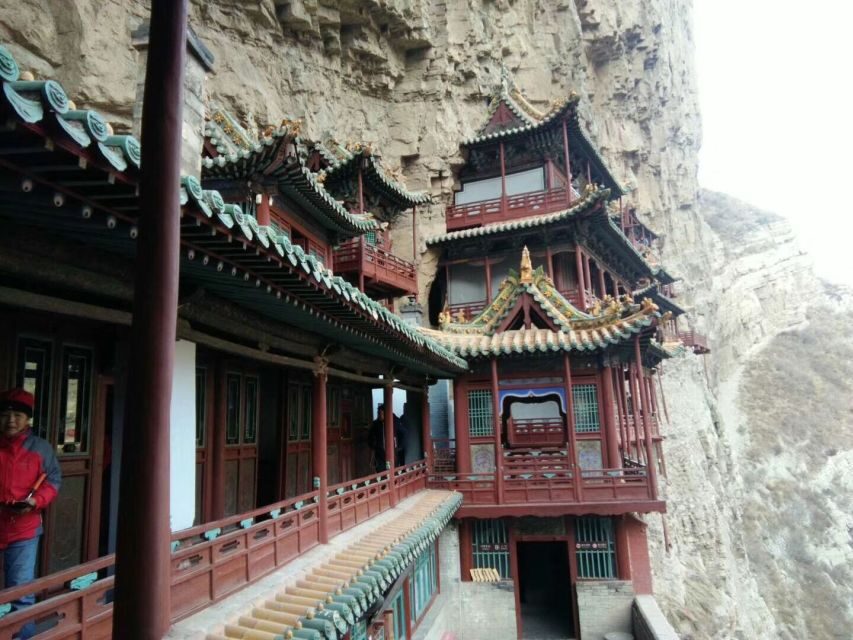
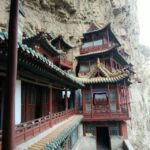
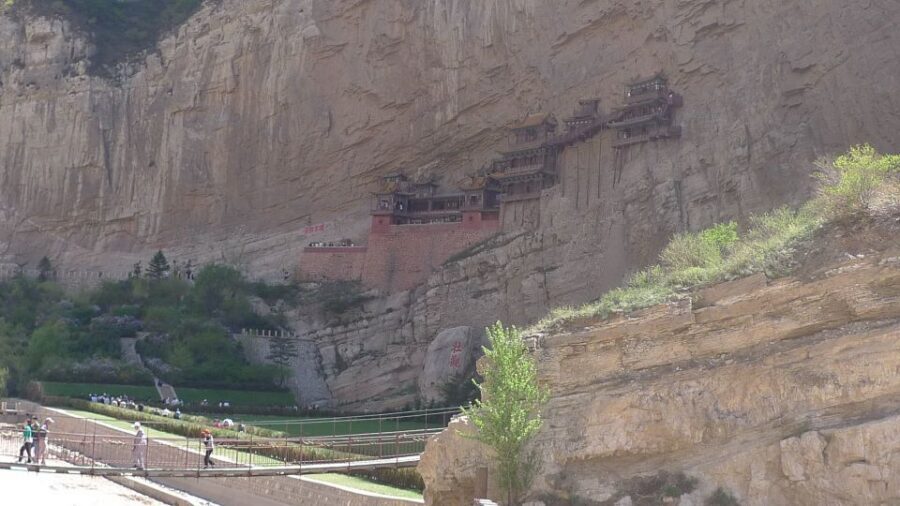
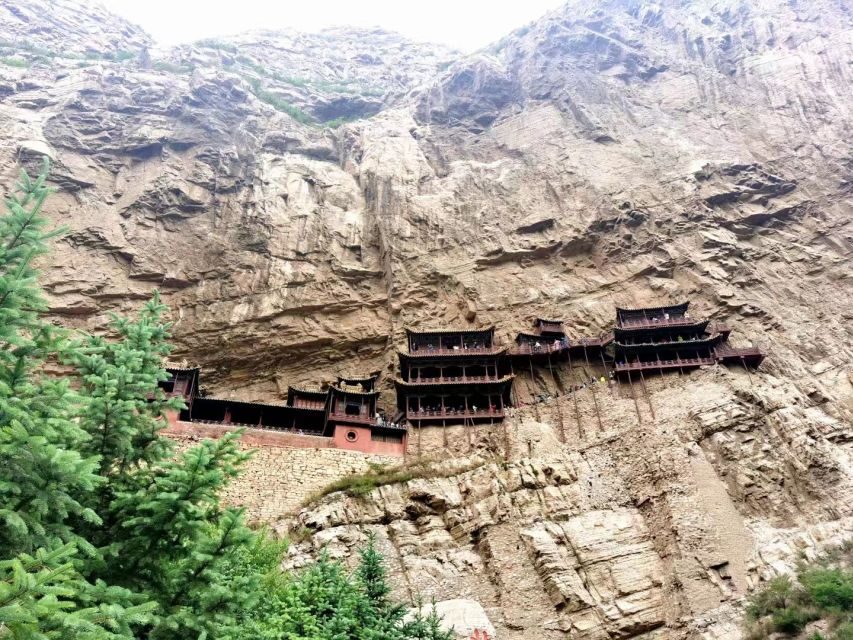
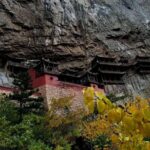
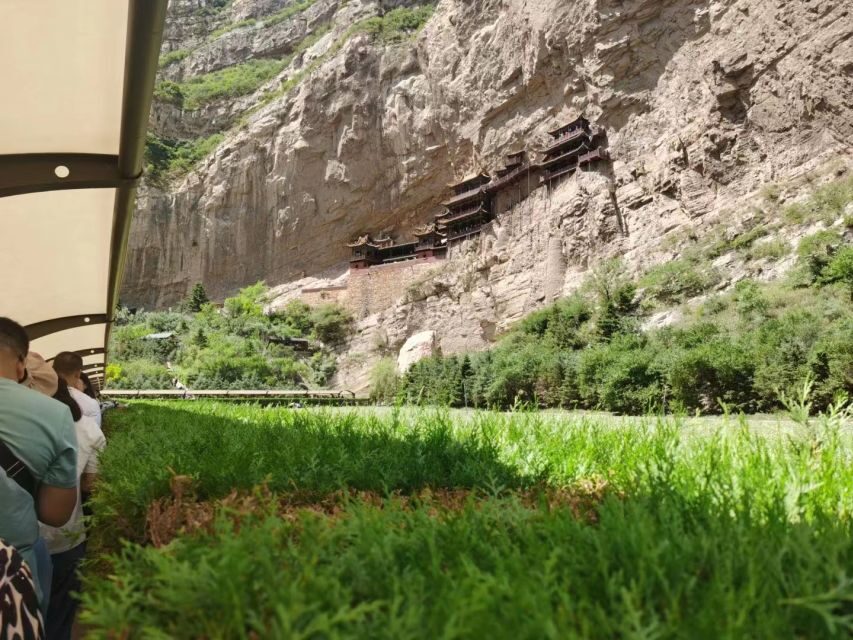
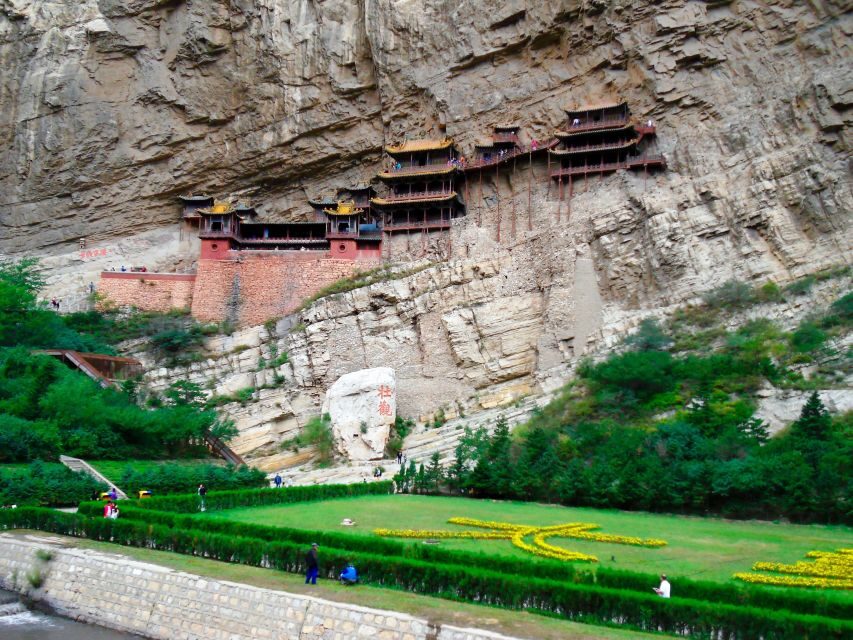
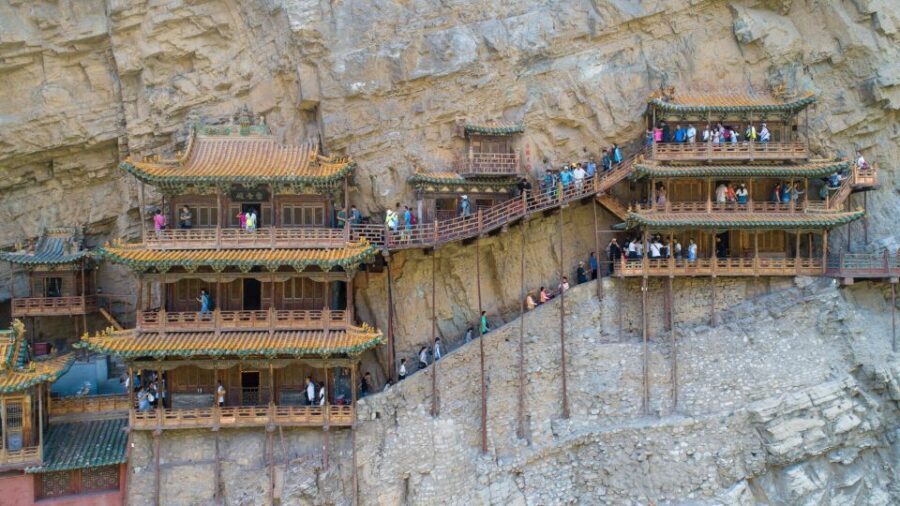
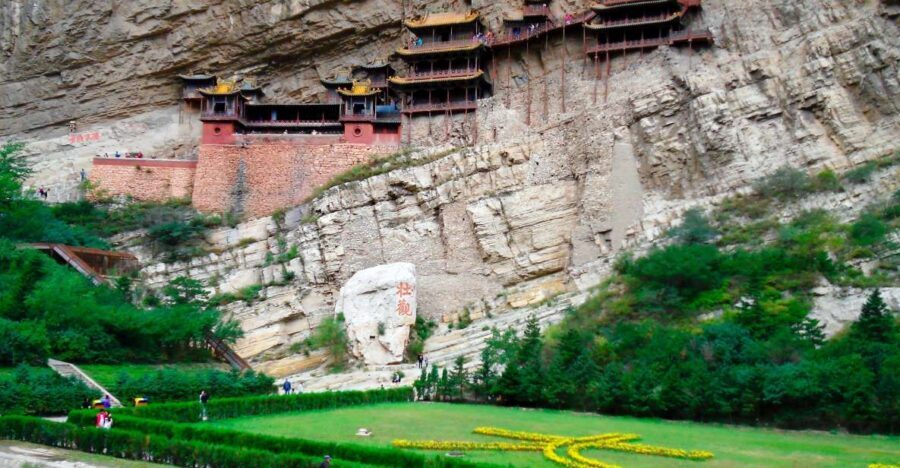
Your day typically kicks off with pickup around 9:00 am from your Datong hotel, then you head to the Hanging Monastery. It’s built into a cliff about 75 meters above the ground near Datong city. Yes, you’ll be looking up—because the main point is that the structure is literally clinging to the rock face.
The monastery dates back more than 1,500 years, which is where the wow-factor becomes more than just height. This isn’t modern “dramatic staging.” It’s ancient construction and design that had to solve real problems: how to anchor the complex to the cliff, how to create stable walkways, and how to concentrate worship spaces in a vertical setting.
The three-religion angle is the hook
One of the most interesting parts is the monastery’s role as the only existing temple that combines three Chinese traditional religions: Buddhism, Taoism, and Confucianism. If you’ve visited other temple sites, you know that religious themes can feel separated—different halls, different icon styles, different traditions. Here, you’re watching those threads braid together in a single place.
That makes a guided explanation feel extra worthwhile. You’ll spend less time guessing what you’re looking at and more time noticing how different elements coexist.
Guided versus self-guided at the monastery
At the Hanging Monastery you’ll see either a guided walkthrough or do it self-guided. The guided option tends to help you “read” the architecture faster. Self-guided can work too, especially if you’re comfortable following signage and you don’t mind taking your time without someone steering you toward the key viewpoints.
If you go self-guided, remember that the driver may speak Chinese only, with support through a translation app plus an English speaking support team. In practice, that means you can still ask for help—but you might need a bit more patience than you would with a full English guide.
Yungang Grottoes: 53 caves and 51,000 niches of Buddha faces
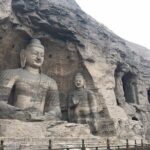
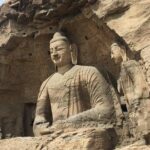
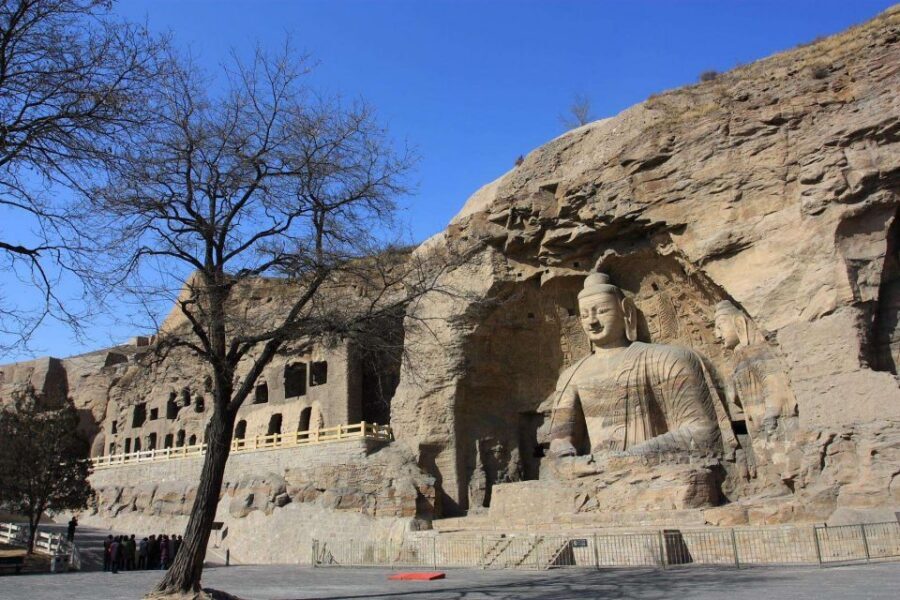
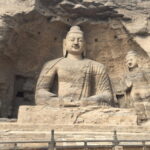
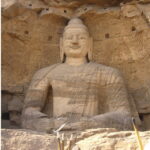
After lunch at a local restaurant, you head to the Yungang Grottoes, a UNESCO World Heritage site. This is one of the three most famous ancient Buddhist sculptural sites in China, and it’s the kind of place where scale keeps growing the longer you stay.
These carvings come from the 5th and 6th centuries, meaning the stone work spans a long period of Buddhist artistic development. You’re looking at an entire cliff built into a viewing experience: major caves carved into the south face of a sandstone cliff.
The numbers help you understand the experience
The grottos include 53 major caves. Inside them, there are about 51,000 niches holding the same number of Buddha statues. That’s a mind-bending quantity. The trick is to not try to see everything like a checklist.
Instead, pick a handful of caves or panels to focus on at a slower pace. The best value of your time comes from comparing details—how faces, postures, and carving depth vary. A guide helps here because they can point out what to look for without you needing to become a stone-carving expert overnight.
Why tickets and site rules matter
The tour can include a Yungang Grottoes ticket depending on the option you choose. Also note a key restriction: cameras are not allowed. That changes how you approach the site. If you’re used to photographing everything, you’ll want to adjust your plan. Think notes, sketches, and memory instead.
The site also doesn’t allow sports shoes, so you’ll want footwear that’s comfortable but not the typical gym sneaker style. And pets aren’t allowed.
How the schedule usually feels: from 2 hours to an all-day plan
The activity lists a duration range of 2 to 8 hours, depending on which option you book and how much guided time you select. Pickup is typically around 9:00 am, and the day includes both main stops plus lunch in between.
In real terms, here’s what you should plan for:
- Time at the Hanging Monastery (guided or self-guided, listed as about 2 hours)
- Time at Yungang Grottoes (guided or self-guided, listed as about 2 hours)
- A lunch break at a local restaurant (meals not included in the price)
So if you choose the shortest supported format, you may feel like you’re bouncing between “big sights” with less room for wandering. If you choose more guided time, you’ll likely get a calmer experience, with fewer moments of confusion about what you’re seeing.
You’ll also return to your hotel in Datong at the end of the tour. If your package has different drop-offs, one common option is dropping you near the Yungang Grottoes parking area too.
Private-guided English support vs. driver-led self-guided
This tour is flexible, and that flexibility is a real advantage if you travel with different needs.
The private guided option
If you select the private guided day tour, you get an English speaking guide. Some past bookings mentioned guides such as John, Phoebe, and Nancy. The effect is practical: you get someone who can explain what you’re looking at and help you move between the best viewpoints without dead time.
I like this format when the sites are complex. Hanging Monastery’s three-religion layout is the kind of detail that’s hard to decode alone. Yungang’s sheer number of caves and niches also rewards an informed guide who can steer you to the right scale.
The self-guided option
If you choose self-guided, you’ll still get a driver and transportation. The driver may speak Chinese only, but translation support is part of the setup: you’ll have a translation app and an English speaking support team.
Self-guided can still be satisfying, but you’ll need to accept a different rhythm. You might spend more time figuring things out on your own, especially since cameras aren’t allowed and you’ll rely on text, announcements, and your own observational instincts.
The private car transfer is a quiet win
Private car transport reduces a lot of friction. You’re not juggling buses or trying to time connections across a big day. That’s a value point, even if you’re the type who likes independent travel. You can spend your energy on the sights instead of logistics.
Price and value: what $27 really covers
The headline price is listed at $27 per person, with duration ranging from 2 to 8 hours. Here’s the value logic that matters:
Included:
- Private car transportation
- Hotel pickup and drop off
- Entrance fees
- Yungang ticket (if selected)
- English speaking guide (if the private guided option is selected)
Not included:
- Meals
That inclusion of entrance fees is meaningful. Datong’s top sights can stack up in cost when you buy separately. The big question is whether the ticket option is executed cleanly. Some past bookings reported that tickets were not issued in advance, requiring on-the-spot fixes. That’s not a reason to avoid the tour entirely, but it is a reason to plan smart: if you choose the ticket option, confirm that your ticket status is correct before you arrive, and keep a backup plan for purchasing onsite if needed.
When $27 feels like a bargain
If you want two major sites with minimal hassle, $27 can be a strong deal. Especially if you would otherwise pay for separate transport and entrance fees. It’s also a good fit if you’re short on time and want a full Datong taste in one day.
When it might feel tight
If you’re sensitive to rushed timing, and you choose the shortest option, the day can feel compressed. Also, because cameras and sports shoes are restricted, you’ll want to pack and wear accordingly—small planning matters more than usual here.
Small rules and practical tips that can save your day
A couple rules here can catch people off guard, so I’d treat them as part of your packing plan.
- No cameras at the sites. That affects your ability to document. Plan to remember, write notes, and slow down.
- Sports shoes aren’t allowed. Wear comfortable non-sneaker footwear that fits the vibe of the venue.
- Pets aren’t allowed.
- It’s not suitable for wheelchair users.
Also, one detail about the ticket option: you’ll need to provide your name and passport number if you choose the ticket option. That’s normal for many China ticketing systems, but it’s still the kind of step you don’t want to delay until the last minute.
Finally, if you’re choosing self-guided, keep in mind that your driver may be Chinese-only. Translation support is included, but you’ll get the best experience if you approach it with a calm, flexible attitude.
Should you book the Datong Hanging Monastery and Yungang Grottoes tour?
Book it if you want a one-day Datong package that hits the two headline masterpieces: the cliff-hugging Hanging Monastery and the sprawling Yungang Grottoes with their UNESCO-level carved scale. It’s especially worth it if you choose the English private guide option, because both sites have details you’ll appreciate more with explanation.
Don’t book it as confidently if you’re the type who hates uncertainty around tickets. Since some past bookings reported ticket issuance problems, I’d be a little extra careful: double-check your ticket option execution before you go, and keep your expectations realistic if you’re arriving at the site during busy hours.
If you want an efficient, meaningful day with built-in transport and context, this tour has a lot going for it.
FAQ
What’s the duration of this Datong tour?
The tour duration is listed as 2 to 8 hours, depending on the option you select and available starting times.
Is hotel pickup included?
Hotel pickup is included if you select the pickup option, and pickup location depends on the option booked.
Are meals included?
No. Meals are not included, and lunch is described as being enjoyed at a local restaurant during the tour.
Is there an English-speaking guide?
If you choose the private guided day tour option, you get an English-speaking guide. With the self-guided option, the driver speaks Chinese only, with help from a translate app and an English-speaking support team.
Are tickets included for the Yungang Grottoes?
The Yungang Grottoes ticket is included if you select the ticket option.
Do I need to provide passport details?
If you choose the ticket option, you need your name and passport number.
Are cameras allowed and is it wheelchair accessible?
Cameras are not allowed. The tour is not suitable for wheelchair users.