Datong feels bigger when you have a private guide. This private 2-day plan strings together Datong’s top sights in an air-conditioned vehicle, with hotel pickup and drop-off so you’re not wrestling buses or transfers. I also like that the English-speaking guide doesn’t just point at monuments, but explains what you’re looking at as you go.
One important consideration: accommodations aren’t included, so the overall cost depends on where you choose to stay for those two nights.
In This Review
- Key Points You’ll Care About
- Why This Private Datong Plan Feels Efficient
- Day 1: Yungang Grottoes, Hanging Temple, and Datong’s Ming-Era Touches
- Yungang Grottoes: UNESCO Buddhist Art Carved Into Wuzhou Mountain
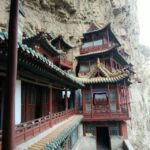
- Hengshan Hanging Temple (Xuankong si): Wooden Halls That Look Like They Shouldn’t Exist
- Nine Dragon Screen: The Oldest and Largest Glazed Screen in China
- Datong Museum: A Modern Cultural Center with an Ancient City Axis
- Datong City Walls at Night: Ming-Era Stone with Light-Tower Drama
- Day 2: Xuankong Again, Then Yingxian’s Wooden Pagoda
- Hanging Temple (Xuankong si) Revisited: Buddhism, Taoism, and Confucianism in One Cliff Temple
- Pagoda of Fogong Temple (Yingxian Wooden Pagoda): A 950-Year-Old Masterpiece in Wood
- What the Price Includes (and Why That Matters for Your Time)
- The Pace, Timing, and How to Stay Comfortable
- Tour Style: Private Means Your Photos and Questions Get Space
- Who This Tour Fits Best
- Should You Book This Private 2-Day Tour of Datong?
- FAQ
- What does the tour price include?
- Are accommodations included?
- What start time is the tour scheduled for?
- How long is the tour?
- What major attractions are included?
- Is the tour wheelchair accessible?
- Is free cancellation available?
Key Points You’ll Care About
- Hotel pickup/drop-off keeps the day efficient and cuts stress before you even reach the first site.
- UNESCO-level visuals at Yungang Grottoes plus engineering-weird architecture at Xuankong/Hengshan Hanging Temple.
- Two long sightseeing days with set admission, so you can budget time and money more cleanly.
- Lunch is included, which matters when you’re moving between remote places.
- Guides like Nancy and Star are known for patience, good English, and waiting while you photograph slowly.
Why This Private Datong Plan Feels Efficient
A lot of China trips stumble in the middle: you plan the sights, then lose time on the logistics. This tour is built to prevent that. You get private transportation with a driver plus a guide in English, and you’re moved site-to-site with fewer decision points.
The other big win is how the itinerary groups experiences. You start with major Buddhist art at Yungang Grottoes, then shift to architectural feats at Hengshan Hanging Temple, and later balance that with a cultural stop (Datong Museum) and a city relic (the Ming-era city wall). On the second day you keep the momentum with more iconic architecture, including Yingxian’s famous wooden pagoda.
You can also read our reviews of more private tours in Datong
Day 1: Yungang Grottoes, Hanging Temple, and Datong’s Ming-Era Touches
Day 1 is where Datong hits you fast. You’re looking at major historical craft, then moving into cliff engineering and city-scale symbolism. It’s a lot of wow moments, but the private car helps you stay focused instead of tired.
You start with a long enough window to actually see Yungang properly, then you’ll shift to the Hanging Temple’s narrow, vertical spaces. Midday includes the Nine Dragon Screen and Datong Museum, followed by time for the city wall—especially nice when it’s lit at night.
Yungang Grottoes: UNESCO Buddhist Art Carved Into Wuzhou Mountain
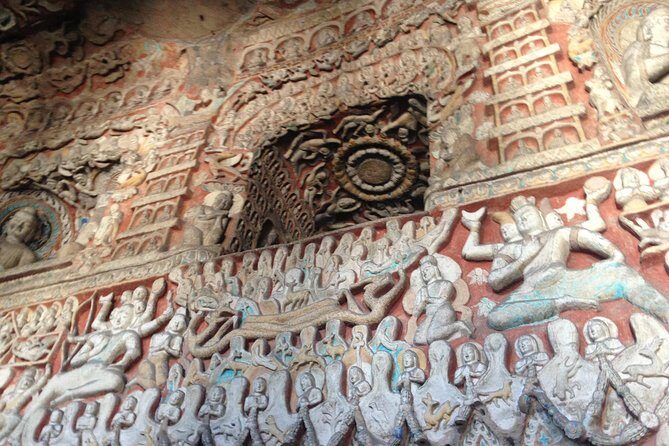
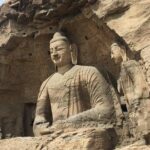
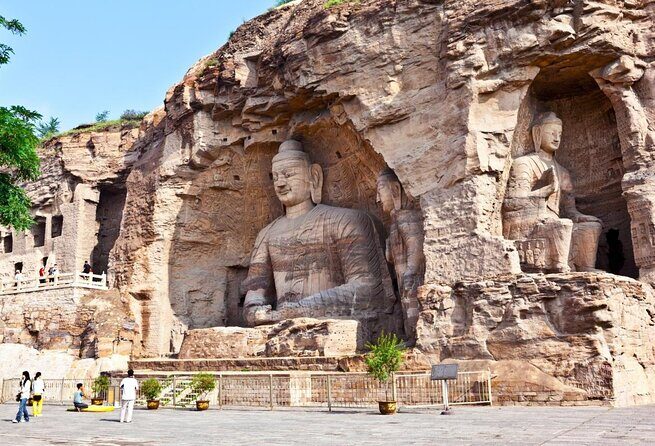
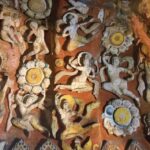
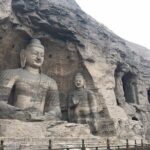
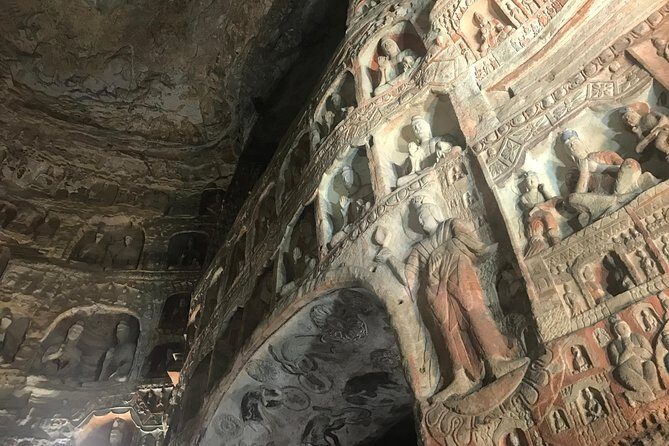
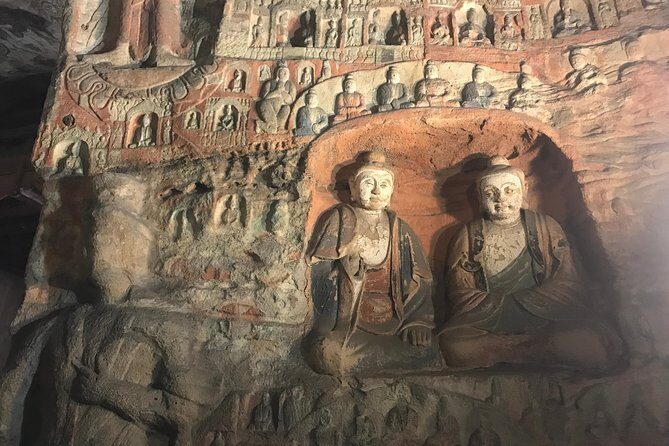
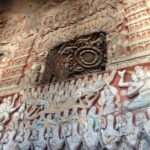
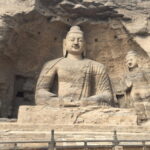
Yungang Grottoes sit at the southern foot of Wuzhou Mountain, about 16 kilometers west of Datong. These aren’t just caves you pass through—they’re a large carved complex with deep craft behind every niche and statue.
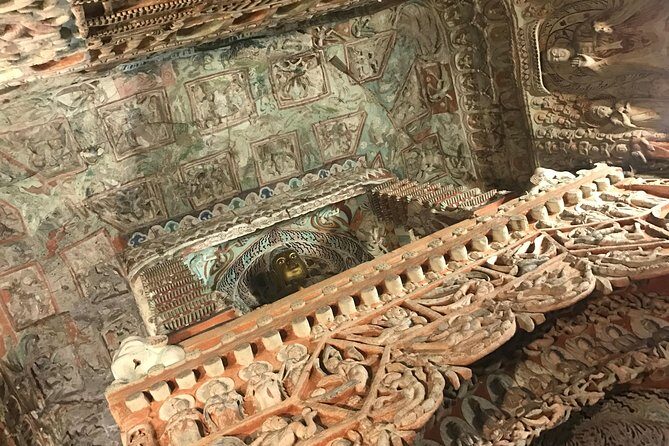
Plan on about 2.5 hours here. The scale is the point: the site includes 45 caves, around 254 niches, and roughly 51,000 statues. If you want to understand what you’re seeing, this is where a guide really helps—because the story isn’t obvious just from looking.
A practical tip: bring patience for close viewing. These artworks are detailed, and stopping to read the context (or having your guide explain it) turns the visit from pretty to meaningful. This is also an easy place to spend extra photo time, and the tour’s private pacing makes that doable.
Hengshan Hanging Temple (Xuankong si): Wooden Halls That Look Like They Shouldn’t Exist
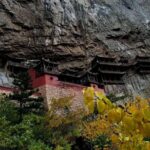
Next comes the Hanging Temple, built halfway up a steep cliff of Cuiping Peak on Hengshan Mountain. It’s famous for a reason: construction is almost entirely wood, arranged across more than 40 halls with over 80 sculptures.
You’ll get about 1 hour 20 minutes here, which is enough if you focus. The structure’s trick is that you’re not just sightseeing; you’re studying a building designed to be stable in a gravity-defying setting. It’s essentially architecture meeting drama.
One thing to keep in mind: this kind of place is photogenic but also physically tiring. Expect uneven surfaces, angles, and the need to shift positions often. If your group has anyone who gets uncomfortable with heights, plan slower stops and let your guide help set the order of viewpoints.
Nine Dragon Screen: The Oldest and Largest Glazed Screen in China
The Nine Dragon Screen is short but memorable. It’s described as the oldest and largest glazed screen in China, and it’s built from 426 specially-fired glazed bricks.
You’re likely to have only about 30 minutes here, so don’t treat it like a quick roadside stop. The screen is 8 meters high and about 45.5 meters long, built in multiple sections (pedestal, body, roof). The craftsmanship matters: the pedestal includes glazed tiles with animal scenes like oxen, dogs, deer, and rabbits.
If you like symbolic art, this is a fun pause. The screen is basically a visual punch—compact time, big impact.
Datong Museum: A Modern Cultural Center with an Ancient City Axis
Datong Museum is a longer stop—around 3 hours—and it works well after the outdoor sites. It’s located in the Yudong New Area across the river, described as a planned cultural center with buildings aligned along the city axis.
The value here is perspective. Outdoor sites can make history feel like something trapped in the past. A museum in a planned modern area helps you understand how cities like Datong think about heritage and growth at the same time.
If you’re the type who likes to connect dots, this is where the guide’s explanations can help you “decode” what you’ve already seen. If you’re less into museums, you can still use it strategically: focus on the most relevant exhibits and keep your energy for the evening city wall.
Datong City Walls at Night: Ming-Era Stone with Light-Tower Drama
Datong’s ancient city walls are tied to the Ming Dynasty. They were built in the fifth year of the Hongwu Period by Xu Da, and they incorporated older ramparts from earlier dynasties.
The total span is about 3.28 square kilometers, with four sides. The detail I’d actually plan around: you’ll see a different atmosphere in the evening. Lighting on interval towers kicks in as night falls, creating a romantic, surreal look.
You’ll want comfortable shoes here. City walls tend to involve walking sections and finding angles. If your tour timing allows, evening is the best way to get a mood shift—day history becomes night photography.
Day 2: Xuankong Again, Then Yingxian’s Wooden Pagoda
Day 2 doubles down on architectural feats. The itinerary starts with Hanging Temple again (scheduled for about 2 hours), then moves to the Fogong Temple’s pagoda—Yingxian Wooden Pagoda—for about 2 hours.
Even if you’ve been earlier, the longer time on day 2 makes sense. Hanging Temple works best when you can re-check details: where the halls sit, how the structure reads from different angles, and how the site fits into its cliff environment.
Hanging Temple (Xuankong si) Revisited: Buddhism, Taoism, and Confucianism in One Cliff Temple
The second-day start clarifies Hanging Temple’s unusual role. It’s described as the only existing temple combining Buddhism, Taoism, and Confucianism. It’s also tied to a long timeframe—more than 1,400 years—with construction traced to the Northern Wei period.
The temple is located halfway up Mt. Cuiping and opposite Mt. Hengshan. You’ll see it organized into about 40 rooms.
Here’s how to make this second visit (or second block of time) feel different: focus on structure, not just scenes. Use your guide’s explanations to understand why the building looks “odd, suspended and wonderful.” When you know what to look for, you stop treating it like a photo stop and start treating it like a lesson in design under constraints.
Pagoda of Fogong Temple (Yingxian Wooden Pagoda): A 950-Year-Old Masterpiece in Wood
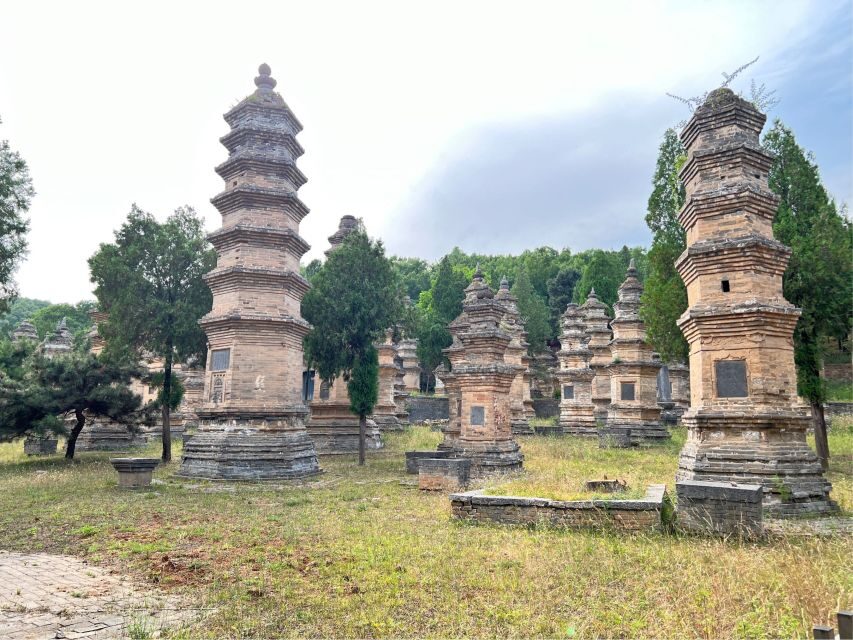
Next is the Fogong Temple pagoda, known as the Yingxian Wooden Pagoda, described as the highest wooden building preserved in ancient architecture. The height is listed as more than 67 meters, and it’s framed by both age (about 950 years old) and structure.
The tour description also mentions a cultural design angle: the structure combines Chinese yin and yang. That detail matters because it hints that this wasn’t just a building project; it was a symbolic statement in form and balance.
You’ll have about 2 hours, which is a solid amount of time if you want to look beyond the silhouette. If you’re the kind of traveler who likes how things are built—joints, levels, and proportions—this stop is worth your full attention. Wood changes with time, and the longevity is part of the story.
What the Price Includes (and Why That Matters for Your Time)
At $889 per person for roughly two days, this isn’t a budget tour. The best way to judge value is to see what you’re buying besides sightseeing.
Included items:
- Hotel pickup and drop-off
- Entrance fees
- English-speaking guide
- Air-conditioned private vehicle and driver
- Chinese lunch
- Gas, tolls, and parking
- Mobile ticket and private group setup
Not included:
- Accommodation
- Dinner
- Gratuity
What that means for you: you’re paying for fewer “time sinks.” Remote stops like Yungang Grottoes need efficient transport, and private cars plus a guide cut down the hassle of managing tickets, queues, and routing on your own. Also, entry fees being included removes a common budgeting headache—no surprise costs at each door.
Is it worth it? If you’re traveling with family members who want comfort and smooth timing, or if you hate planning logistics, the price starts to make sense fast. If you’re a solo traveler who enjoys sorting public transport and self-guided museums, you might find other options cheaper—but you’ll likely spend more time on coordination.
The Pace, Timing, and How to Stay Comfortable
The tour starts at 9:00 am, and you’re looking at two full days of moving between major sites. That pace is doable for most people, especially with the private vehicle, but it’s still sightseeing.
Your body will notice:
- Walking and stair access at caves and temples
- Time spent standing and repositioning for photos
- Uneven surfaces around outdoor historic structures
If you have moderate mobility limits, plan to go slower and ask your guide for the best route through each area. Also remember it’s marked as not wheelchair accessible, so choose an alternative if that matters for your group.
Tour Style: Private Means Your Photos and Questions Get Space
The private nature isn’t just marketing. The tour’s flow gives room for slower browsing. In real-world experiences, guides like Nancy have been praised for being patient while people took thousands of photos and for guiding parents through the day at a comfortable pace. Star, Nancy’s partner in at least some groups, is also described as kind and very knowledgeable, with a great rapport alongside an excellent driver.
That “time for your rhythm” is a real value. When you’re paying for a private tour, you want your day to feel adjustable—more like a plan with flexibility, not a rigid checklist.
Who This Tour Fits Best
This works especially well if you:
- Want two days without transport headaches
- Prefer a guide who explains context in English
- Travel with older family members who want comfort and pacing
- Care about major historic sites with serious visual impact: caves, cliff architecture, screens, pagodas, and city walls
It may be less ideal if you:
- Are mainly interested in only one or two attractions and want to spend extra time self-exploring other areas
- Need wheelchair accessibility
Should You Book This Private 2-Day Tour of Datong?
I’d book it if you want a smooth, high-impact Datong experience with fewer moving parts. The mix is strong: Yungang Grottoes for monumental Buddhist art, the Hanging Temple for dramatic wooden cliff engineering, and the Yingxian Wooden Pagoda for a long-lived masterwork in timber. Add Nine Dragon Screen and Datong Museum, plus the city wall atmosphere at night, and you get a day that feels like more than a set of stops.
I would think twice if your priority is saving money rather than buying convenience. At $889 per person, it’s a clear “pay for comfort and structure” choice. And since accommodation isn’t included, be sure your hotel costs won’t blow up the math.
If you want Datong without the planning grind, this is the kind of tour that makes the city feel approachable fast.
FAQ
What does the tour price include?
The price includes hotel pickup and drop-off, entrance fees, Chinese lunch, an English-speaking tour guide service, an air-conditioned clean private vehicle with a driver, and gas, toll, and parking lot fees.
Are accommodations included?
No. Accommodation is not included, so you’ll need to plan and pay for where you stay for the two days.
What start time is the tour scheduled for?
The tour starts at 9:00 am.
How long is the tour?
It lasts about 2 days.
What major attractions are included?
The tour includes Yungang Grottoes, Hengshan Hanging Temple (Xuankong si), Nine Dragon Screen, Datong Museum, Datong city wall, and Yingxian Wooden Pagoda (Pagoda of Fogong Temple).
Is the tour wheelchair accessible?
No, the tour is not wheelchair accessible.
Is free cancellation available?
Yes. You can cancel for a full refund up to 24 hours in advance of the experience start time.
If you want, tell me your travel dates and how many people are in your group, and I’ll help you sanity-check whether the $889-per-person price feels fair for your priorities.