REVIEW · DATONG
Pingyao Ancient City Scenic Area Pass Ticket Only
Book on GetYourGuide →Operated by China Tour Guide · Bookable on GetYourGuide
A QR code saves your morning. This Pingyao Ancient City Scenic Area Pass gets you into a long list of top stops with fast entry scanning, and it’s perfect if you like self-guided wandering. The trade-off: it’s entrance-only, so you won’t have a guide to explain what you’re seeing as you go.
I like that you can mix-and-match indoor museum time with street-level strolling on your own pace. I also like the sheer variety packed into the ticket: draft banks, temples, government buildings, bodyguard agencies, and even ancient weapons. One possible drawback to think about: with no tour guide, you’ll need to rely on your own curiosity (signs, labels, and taking a bit of time to read).
Pingyao (Ping Yao) is one of northern China’s best-preserved historic towns, with roots reaching back to the Western Zhou era and major growth in Ming and Qing times. It was recognized as a Historic and Cultural City of China in 1986 and later listed as a UNESCO World Cultural Heritage Site in 1997. Just plan your day around walking the old lanes, stepping into museums housed in traditional buildings, and keeping an eye on the rules (flash photography isn’t allowed).
In This Review
- Key things to know before you go
- Price and value: what you’re paying for at Pingyao
- QR entry rules: smooth check-in without paper tickets
- Your self-guided day in Pingyao: how to pace 3 hours
- Ancient City Wall and Ming and Qing Street: your walking spine
- Draft banks and commerce museums: the money story behind Pingyao
- Government buildings and civic belief: Confucian, City God, and temples
- Bodyguard agencies and ancient weapons: a surprising Pingyao angle
- Courtyards and notable residences: where famous families lived
- The stops you should plan for (and ones you won’t get)
- Wheelchair access and photo etiquette
- What I’d do with your time if I were planning your day
- Should you book this Pingyao Ancient City pass?
- FAQ
- How long is the experience?
- Is this a guided tour?
- Does the ticket include hotel pickup and drop-off?
- What is included in the admission?
- What is not included?
- How do I enter if the ticket is QR-based?
- What do I need to provide before the trip?
- Is flash photography allowed?
- Is the ticket valid for more than one day?
- Can I cancel for a refund?
Key things to know before you go
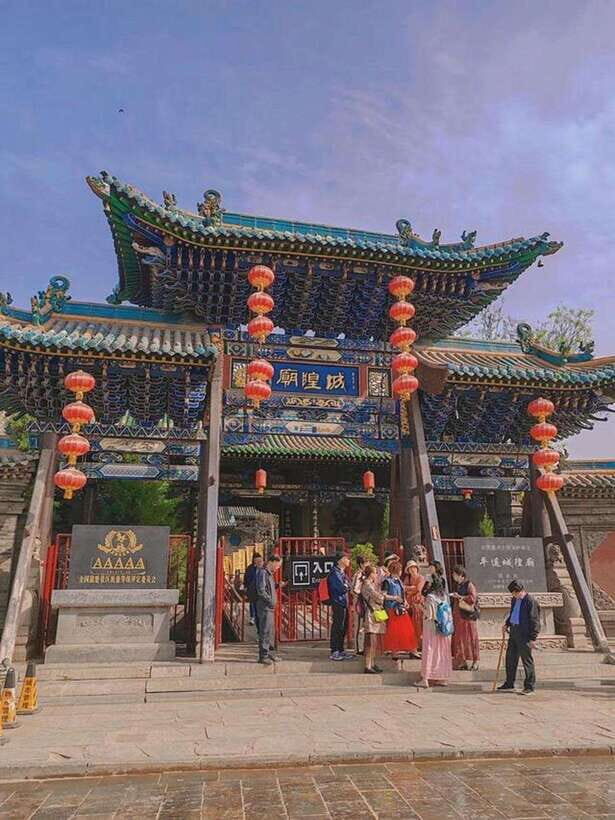
- QR picture at the entrance: you show the QR image you receive, not a paper ticket
- Skip-the-line entry: scanning your QR gets you through the gate faster
- Self-guided, no guide included: you’re in charge of pacing and learning
- 3 days of validity: even though it’s a 1-day activity, your ticket lets you return within that window
- A lot of admissions included: banks, temples, bodyguard agencies, weapons, and more
Price and value: what you’re paying for at Pingyao
At about $36 per person for a 1-day-style experience, this ticket is a good fit if you want access to many specific sites without hiring a guide. The best part is that your money isn’t only going toward one landmark. It covers admission to a wide set of attractions across Pingyao, including major “why this city mattered” themes: commerce, civic order, and everyday life.
This kind of value usually works best when you actually visit multiple stops. If you plan to do only one street and skip most museums, the ticket may feel like it’s more than you need. But if you like stepping indoors—especially to see how buildings were reused as museums—this pass can feel like you’re getting several attractions for the price of one coordinated day.
Also, your ticket validity is 3 days, so you’re not locked into a single tight window. That flexibility matters in a city where walking and queue-free entry can still be influenced by crowds.
A few more Datong tours and experiences worth a look
QR entry rules: smooth check-in without paper tickets
This experience is designed to be straightforward at the gate, and that’s probably the most praised part.
Here’s what you need to know:
- You’ll be asked to send your full name and passport number for everyone in your group.
- You won’t use a paper ticket.
- You’ll receive a QR picture, and you show that QR image at the entrance.
- Photography is allowed, but flash photography is not.
In other words, you’re not juggling screenshots, printed vouchers, or last-minute “where’s my ticket?” stress. If you like a low-hassle entry day, this is exactly that.
One practical note: save your QR image somewhere easy to find offline on your phone. You’re relying on that screen at the entrance, and the faster you can pull it up, the smoother your start.
Your self-guided day in Pingyao: how to pace 3 hours
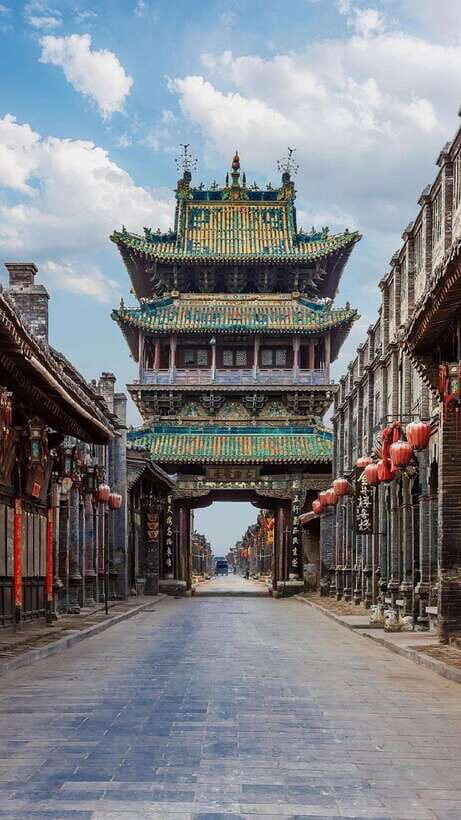
You’re looking at a self-guided tour time of about 3 hours. That’s plenty for a walking loop plus several museum stops, but it’s not enough to slow down and linger in every single included building.
So instead of trying to “collect everything,” I suggest you pick a few priorities and use the rest as bonus. For example:
- If you’re most interested in commerce and finance, focus on the draft banks and chamber of commerce-related sites.
- If you’re more into civic life and philosophy, hit the Confucian and Taoist temples plus the government buildings.
- If you like unusual history, make time for bodyguard agencies and the ancient weapons museum.
You’ll cover more when you move with intention. Pingyao’s lanes reward walking, but indoor museums can eat time quickly if you read everything.
Ancient City Wall and Ming and Qing Street: your walking spine
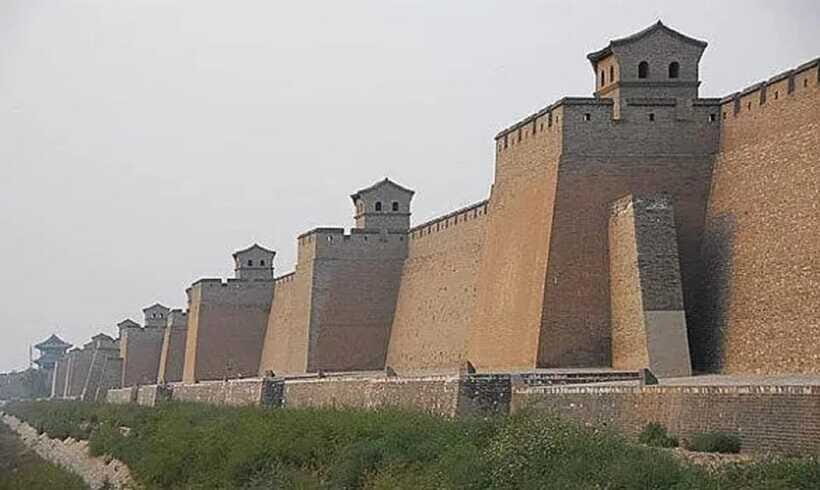
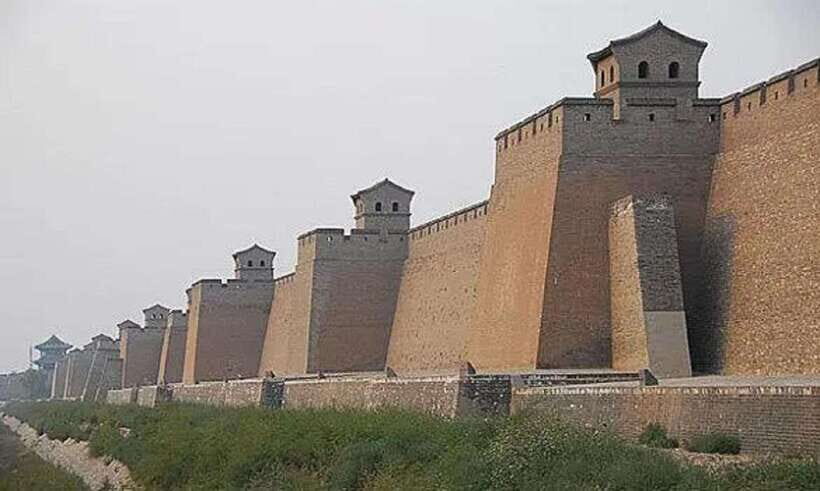
A great way to start is with the Pingyao Ancient City Wall and then flow toward Ming and Qing Street (明清街), because these two help you understand the city’s “shape.”
The wall is the kind of landmark that gives context fast. Even if you don’t spend hours on it, getting a look at the fortified setting helps make the rest of the ticket feel more meaningful. You’re not just collecting buildings—you’re seeing why Pingyao mattered and how a walled town organizes movement and safety.
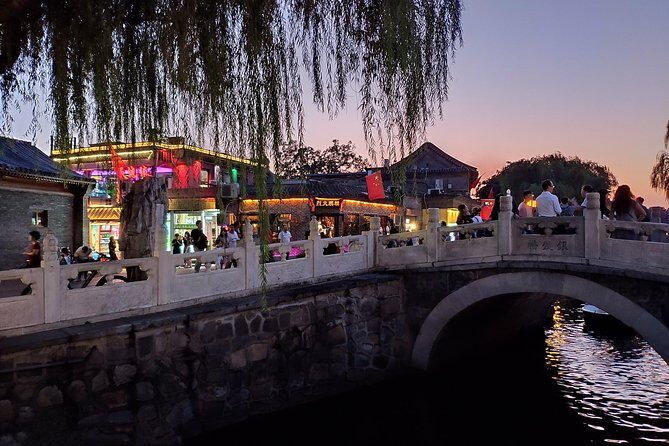
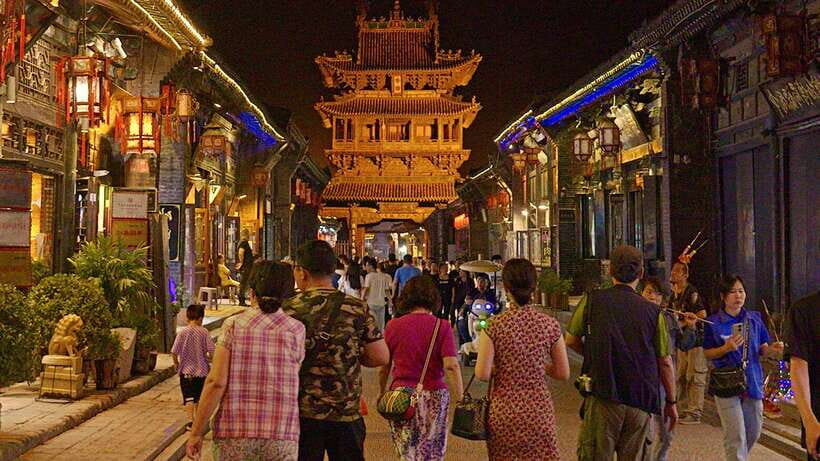
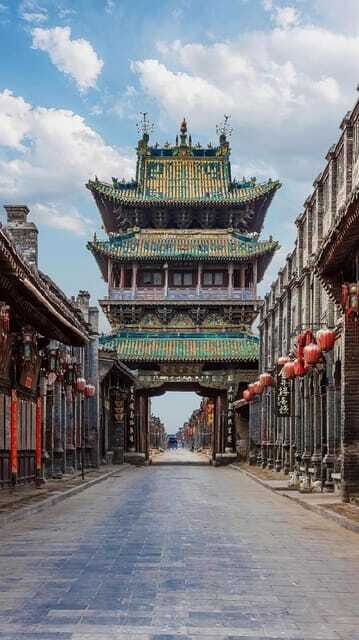
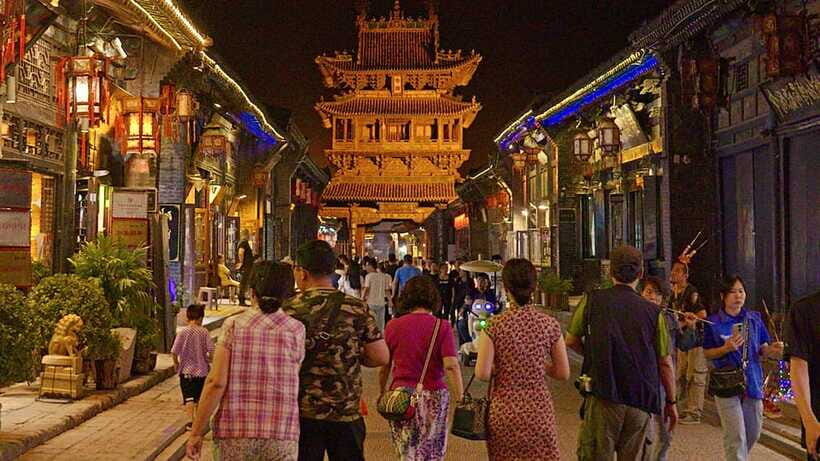
Then Ming and Qing Street gives you the street-level atmosphere. It’s where heritage buildings and old-town energy mix. If your day feels rushed, at least carve out time here for a slow walk and some photos (no flash, of course).
Practical tip: don’t treat these as “quick photo stops.” Even 20 to 30 minutes of relaxed strolling makes the later museum visits land better.
Draft banks and commerce museums: the money story behind Pingyao
Pingyao’s reputation as a historic commercial center shows up clearly in the admissions this pass includes. If you like understanding how societies actually worked, you’ll enjoy this section of the day.
Included stops in this theme include:
- Rishengchang Ancient Draft Bank (日升昌票号)
- Weitaihou Draft Bank (蔚泰厚)
- Weishengchang Draft Bank (蔚盛长)
- Baichuantong Draft Bank (百川通)
- Xietongqing Draft Bank (协同庆)
- Tianjixiang Musuem (天吉祥博物馆)
- Pingyao Chamber of Commerce Museum (平遥商会博物馆)
- China Rare Newspaper Exhibition Hall (中国珍奇报纸陈列馆)
What I like about clustering these is that each stop supports the others. Draft banks and commerce spaces help you connect the dots between local business life and the broader economy. Then the newspaper exhibition adds a different angle—information and communication—so the city feels more complete, not just “money buildings only.”
You don’t need advanced background knowledge to enjoy it. The value here is that Pingyao uses historic structures repurposed into museums, so you get both a story and the setting where that story happened.
If you have limited time, I’d choose:
- one or two draft banks (to anchor your understanding),
- plus either the chamber of commerce museum or the newspaper exhibition hall (to broaden the view).

Government buildings and civic belief: Confucian, City God, and temples
If you’re drawn to how people used ideas, rituals, and civic structures in daily life, this pass gives you plenty to work with.
Included sites here include:
- City God Temple (城隍庙)
- Pingyao Confucian Temple (平遥文庙)
- Ancient Government Buildings (县衙)
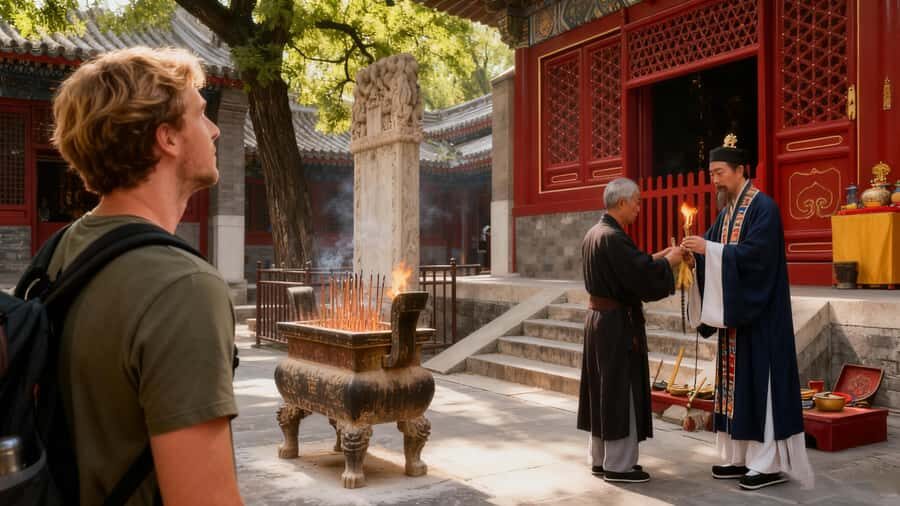
- Qingxu Taoist Temple (清虚观)
- Erlang Taoist Temple (二郎庙)
Here’s why this mix is valuable: Confucian spaces tend to point toward education and moral order. Taoist temples connect to local spiritual practice. The City God Temple represents another civic layer—belief tied to the administration of everyday life. And then the government building gives you the “official” side of how control and responsibility were organized.
The practical approach for you: don’t try to read everything in one go. In these buildings, quick scanning plus a slower walk around courtyards is often more satisfying than sprinting from room to room. They’re designed to be experienced at a human pace.
Bodyguard agencies and ancient weapons: a surprising Pingyao angle
This is the part of the ticket that feels most unusual in a good way. Pingyao isn’t only about merchants and scholars—there’s also a history of protection, security, and enforcement.
Included stops include:
- Huiwuli Bodyguard Agency Museum (中国镖局博物馆)
- Tongxinggong Bodyguard Agency (同兴公镖局)
- North China First Bodyguard Agency (华北第一镖局)
- Wentaofang Museum of Ancient Weapons (文涛坊)
If you like action-history details, these sites can be a refreshing break from “bank museum” fatigue. The bodyguard agencies help you picture what protection looked like in a time when travel and trade came with real risk. Then the weapons museum rounds it out by showing tools and equipment tied to that world.
In a 3-hour self-guided window, this theme is best if you treat it as a main course, not dessert. Pick one bodyguard agency museum plus the weapons museum, and you’ll get a more coherent storyline than bouncing between too many small exhibits.
Courtyards and notable residences: where famous families lived
Pingyao’s traditional residences are part of the appeal because the city didn’t just preserve buildings—it repurposed them into places you can step into and explore. That’s where the ticket becomes more than a list of admissions.
Included stops here include:
- Mr. Lei Lutai’s former residence (雷履泰故居)
- Ma Family Courtyard (马家大院)
These courtyard and residence visits can feel like time travel in the best way. You’re seeing how space worked for real people, not just viewing objects behind glass. The courtyards also help you understand the rhythm of old-town life—entry points, shared spaces, and how families organized home and status.
If your energy is limited, I’d choose one residence-type stop and linger. This is the kind of place where you’ll notice more the longer you stay.
The stops you should plan for (and ones you won’t get)
This pass includes a set of admissions, but it doesn’t cover everything tourists often connect with Pingyao.
Not included:
- Shuanglin Temple
- Zhenguo Temple
So if those two are on your must-see list, you’ll need separate arrangements. Don’t count on this ticket to cover them.
Also, be aware of what’s not bundled with your day:
- No guided tour and no tour guide
- No hotel pickup and drop-off
- No meals
That last one matters more than you’d think. In a heritage town, you can easily spend your whole “lunch time” roaming and end up hungry at the wrong moment. Build a break into your plan.
Wheelchair access and photo etiquette
Good news: the ticket is listed as wheelchair accessible. If you’re using a mobility aid, you’ll still want to keep your pace realistic for old streets and stair-like areas, but at least the experience doesn’t exclude access outright.
On photos: you can take pictures, but flash photography is not. It’s a simple rule, yet it helps keep museum spaces comfortable for everyone.
What I’d do with your time if I were planning your day
If you want a strong Pingyao day without burning time, try this structure:
- Start with the Ancient City Wall or a main street route (so you get the city layout early).
- Do one “big theme” circuit of 2 to 3 stops:
- commerce (draft bank + chamber/newspaper), or
- civic life (government + temple), or
- protection/novelty (bodyguard agency + weapons).
- Finish with the street atmosphere along Ming and Qing Street for photos and a slower wrap-up.
Because you can return within your 3-day validity, you can also split your interests. Do banks one day, temples the next, and residences when you want a calmer pace.
Should you book this Pingyao Ancient City pass?
Book it if:
- you want skip-the-line QR entry and smooth check-in,
- you’re comfortable doing a self-guided museum-and-street day,
- you like history shown through buildings you can actually walk through,
- and you plan to use the included admissions rather than treating it as a one-stop ticket.
Skip it (or consider a different option) if:
- you specifically want a guided interpretation of each site,
- you’re aiming mainly for two temples and don’t care about draft banks, civic sites, or bodyguard/weapons museums,
- or you don’t want to manage your own pacing, breaks, and route.
If your goal is a low-stress, high-access Pingyao visit, this ticket fits. The QR entry piece is exactly the kind of practical win you notice right away. Then the rest is on you—in the best way—because Pingyao rewards a self-planned walk.
FAQ
How long is the experience?
It’s listed as a 1-day duration, with about 3 hours set for a self-guided tour.
Is this a guided tour?
No. This option is only for entrance ticket access and does not include a guided tour.
Does the ticket include hotel pickup and drop-off?
No, hotel pickup and drop-off are not included.
What is included in the admission?
Admission to multiple sites is included, such as Pingyao Ancient City Wall, several draft banks, City God Temple, Pingyao Confucian Temple, Ming and Qing Street, ancient government buildings, Qingxu Taoist Temple, and several museums (including bodyguard agency museums and an ancient weapons museum).
What is not included?
Shuanglin Temple and Zhenguo Temple are not included, and meals, tour guide, and hotel pickup/drop-off are also not included.
How do I enter if the ticket is QR-based?
You will receive a QR picture. You show the QR picture at the entrance. There’s no need to use a paper ticket.
What do I need to provide before the trip?
You should send everyone’s passport number and full name.
Is flash photography allowed?
Photography is allowed, but flash photography is not.
Is the ticket valid for more than one day?
Yes. The ticket is valid for 3 days.
Can I cancel for a refund?
Yes. Free cancellation is available up to 24 hours in advance for a full refund.