REVIEW · GUANGZHOU
Guangzhou: Private Customizable City Tour with a Local
Book on GetYourGuide →Operated by 1riez · Bookable on GetYourGuide
A 2,000-year city gets personal fast. This private Guangzhou tour turns famous sights into context, with local stories and handpicked food moments. You can shape the route around your interests instead of following a fixed script.
I especially liked the way Ceezy connects Guangzhou and Foshan—not as trivia, but as a living culture split you can feel in daily life and food. Another standout is the food focus: dim sum, tea houses, and market time so you understand what people actually buy and eat.
One drawback: you’re walking, and the tour isn’t suitable for wheelchair users. Also, because each route typically hits only 2–3 selected spots, you won’t cover everything in Guangzhou in just 3 hours.
In This Review
- Key highlights to look for
- Guangzhou through a local’s eyes, with Foshan added in
- 3 hours that actually feel like a plan: 2–3 stops, tailored
- Canton Tower photos, then Qilou arcades on Enning Road
- Tea houses, dim sum, and Lingnan garden views
- Lao Cheng District: heritage homes and everyday Xiguan life
- Wholesale markets and street food: commerce where people work
- Chen Clan Academy and the Cantonese Opera Museum for Lingnan detail
- Pearl River at sunset: a local-style water bus ride
- Price and value: why $43 per person can make sense
- Practicalities: meeting point, what to bring, and how to move
- Who this tour fits best (and who might want something else)
- Should you book this private Guangzhou-Foshan city tour?
- FAQ
- How long is the tour?
- Is this a private tour?
- What languages are available?
- Where do we meet?
- Is transportation included?
- What should I bring?
- Is the tour wheelchair accessible?
- Do I get a refund if plans change?
Key highlights to look for
- English, Mandarin, and Cantonese guidance with local slang, plus a bit of Korean and Japanese
- Foshan-Guangzhou culture linking through architecture, markets, and everyday routines
- Hidden alleys and food spots that are hard to find on your own
- Tea house + dim sum time paired with views and Lingnan-style settings
- Photogenic stops like Canton Tower and Qilou arcades, chosen to fit your interests
Guangzhou through a local’s eyes, with Foshan added in
Guangzhou can look straightforward from far away: big landmarks, big crowds, lots of signage. This tour gives you the other layer. Ceezy is the kind of guide who pays attention to what you like, then builds a short route that helps you read the city—from Lingnan architecture to how people move through wholesale streets.
The Foshan connection matters. Foshan and Guangzhou share roots, but the day-to-day vibe, food culture, and even the way people describe tradition can feel different. That’s why this tour doesn’t just list places. It tries to explain why they’re there, how they connect, and what you should notice while you’re standing in front of them.
You’ll also get practical language coverage. The tour is listed as English and Chinese, and the guide can bridge Cantonese, Mandarin, and English. In real terms, that means fewer awkward moments when you want to ask one more question about food, customs, or what you’re seeing.
You can also read our reviews of more city tours in Guangzhou
3 hours that actually feel like a plan: 2–3 stops, tailored
This is a private group tour, and the route is flexible. The key detail is that each visit is usually built around 2–3 selected spots. In a city this big, that’s the smart way to do it. You’re not racing from photo spot to photo spot. You’re spending enough time at each stop to notice details and ask questions.
Before you lock in a date, it’s worth doing one simple thing: message the guide to confirm availability. The guide’s availability is described as random, and meeting time/location can be adjusted. That’s also your chance to tell Ceezy what you care about most—food, architecture, markets, temples, opera, or a mix.
Also note the guide recommends public transportation tools. If you prefer less walking or you want a smoother ride, a car/van service is available, but the general approach is to use transit so you see how locals actually travel.
Canton Tower photos, then Qilou arcades on Enning Road
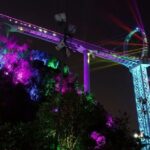
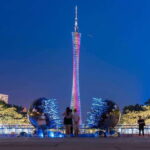
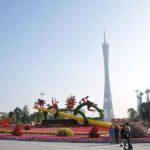
A classic start option is pairing a big skyline moment with a street-level heritage area. One suggested flow is: pose near the Canton Tower, then head into the historic Enning Road area where you can explore Qilou arcades.
Why this combo works: the tower gives you scale. The Qilou arcades give you texture. Qilou streets are known for shopfronts and shaded walkways—places where commerce and daily life blur together. Even if you’ve seen photos of modern Guangzhou, you’ll likely find that the arcades show you the city’s older “commercial street” rhythm.
Practical tip: wear comfortable shoes. Enning Road areas can involve lots of short walking segments, and the tour is only 3 hours total. If you want photos, you’ll still want enough energy left to keep moving.
Tea houses, dim sum, and Lingnan garden views
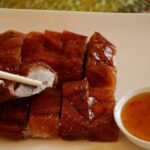
Food is not an afterthought here. A common component is tea and dim sum in a Lingnan garden setting, often with tea house time and a view. This is where the tour shifts from sightseeing to understanding the local pace.
Dim sum in Guangzhou is a big cultural signal—how people share, how they snack through the day, and how food is built for small plates and conversations. When a local guide chooses dim sum intentionally, it’s usually not just about what’s famous. It’s about what fits your timing and what you can realistically sample in a short window.
The tea house part is equally important. Tea isn’t only a drink; it’s a way of slowing down and paying attention. If you tend to rush through meals while traveling, this is a good reset.
Food-note to keep expectations realistic: your route is customized, so the exact dim sum and tea house stops depend on what your guide selects for you.
Lao Cheng District: heritage homes and everyday Xiguan life
Another option is spending time around Lao Cheng District, where you can look at Xiguan heritage homes and observe daily life. This is the kind of area where you learn more by watching than by reading.
What you might notice with a local guide:
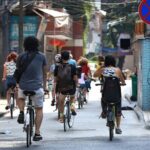
- how people treat the street as a living space
- how neighborhoods feel at street level versus from a distance
- how heritage architecture supports everyday routines
A major win of including Lao Cheng District is that it’s not just “pretty old buildings.” It’s a chance to connect architecture to people’s habits—especially when you’re also eating street food along the way.
If you’re the type who likes small details, this segment tends to pay off. If you want fast, big-ticket attractions only, you might prefer to reduce walking time and pick fewer stops.
You can also read our reviews of more private tours in Guangzhou



Wholesale markets and street food: commerce where people work
The tour can also steer you into bustling wholesale markets—clothing, goods, foods, and even herbal medicine. Even if you’re not shopping, these markets can be surprisingly educational. They show you Guangzhou as a commercial engine, not just a tourist destination.
Here’s why it’s worth it:
- You see what locals prioritize buying and selling.
- You get a sense of how different product categories move through the city.
- You learn what to ask for if you want to try something specific.
The only “watch out” is stamina. Wholesale markets mean crowds, fast movement, and a lot of sensory input. If your trip includes other long days, consider whether you’ll want a lighter route here.
Also, because transportation to the meeting point is not included, plan to arrive already set for local walking. Bring sun protection if you’re going in warm weather, and expect varying weather conditions.
Chen Clan Academy and the Cantonese Opera Museum for Lingnan detail
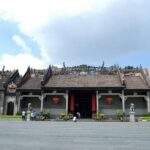
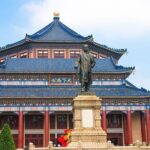
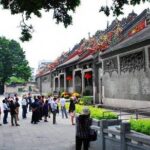
For architecture and craftsmanship, a strong option is the Chen Clan Academy. It’s presented as a masterpiece of Lingnan architecture, showcasing traditional craftsmanship. If you like design details—stone, woodwork, symmetry, motifs—this is the kind of stop where time matters.
Another possible stop is the Cantonese Opera Museum. Cantonese opera is one of those cultural anchors that explains how entertainment, identity, and regional style connect. A museum stop can also help you interpret what you saw earlier on the streets.
A practical way to enjoy these sites during a short tour: treat them like story chapters. The guide can connect them to what you experience elsewhere—markets, neighborhood life, and food culture—so the whole 3 hours feels connected instead of fragmented.
Pearl River at sunset: a local-style water bus ride
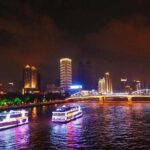
If your route includes a river segment, you might do a cruise on the Pearl River at sunset on a local-style water bus. This is a different kind of view: less street-level, more city-as-a-system.
Why sunset works: lighting changes quickly, and the skyline plus river movement gives you photos without the harsh midday look. It’s also a good break from walking, since you can sit for a bit.
You might find timing matters here. Sunset depends on the day, and your guide may adjust the route selection based on your interests and pace.
Price and value: why $43 per person can make sense
The price is listed as $43 per person for a 3-hour private tour. On paper, that sounds modest for a private guide. The value comes from three areas:
- Customization inside a short time window
You’re not paying for hours of generic explanation. You’re paying for a route shaped around your interests, with only 2–3 selected spots so the time stays focused.
- Food and culture guidance, not just sightseeing
Tea house and dim sum time, plus market and street-life context, are the most “local learning” parts of the day. A good food stop is often worth more than one extra landmark.
- Language help and practical directions
One review highlighted that Ceezy gives detailed directions, like metro stations and exits. That kind of clarity can save you time and reduce stress once the tour ends.
What’s not included is also part of the math. Transportation to the meeting point isn’t included, and personal expenses aren’t included. If you’re taking transit to meet up, factor that cost into your day.
Practicalities: meeting point, what to bring, and how to move
Meeting is described as easy: you meet at a subway station. Meeting time and location can be adjusted, and you should communicate first rather than heading straight to the meeting point without talking to the guide.
Bring comfortable shoes—this is a walking-friendly tour. Sun protection is advised, and weather can change. If you’re picky about comfort, plan for layers.
Two other rules to keep things smooth:
- No smoking is allowed.
- The tour is not suitable for wheelchair users.
If you want a lower-walking option, remember a car/van service is listed as available, though public transit tools are recommended by the guide.
Who this tour fits best (and who might want something else)
You’ll likely enjoy this if you:
- like food culture and want dim sum/tea guided by someone local
- want architecture and local storytelling without turning the day into a stamp-collecting sprint
- are curious about how Guangzhou and Foshan traditions relate
- prefer having a plan you can adjust on the fly
You might want to consider another style of tour if you:
- need wheelchair accessibility
- want to cover many major landmarks in one day (this tour is built around a small number of stops)
- dislike markets and street-level browsing
Should you book this private Guangzhou-Foshan city tour?
I’d book it if your goal is to leave Guangzhou with better taste and better context—not just photos. The combination of Cantonese culture, tea/dim sum structure, and market or neighborhood life usually gives you more than one standard walking tour.
Book with a simple mindset: pick 1–2 themes you care about (food, architecture, opera, markets, river views), then let Ceezy shape the route around that. If you do that, the 3 hours feel tight in the right way.
FAQ
How long is the tour?
It lasts 3 hours.
Is this a private tour?
Yes, it’s a private group tour.
What languages are available?
The tour guide uses English and Chinese.
Where do we meet?
The meeting point is at a subway station, described as easy to find.
Is transportation included?
No. Transportation to the meeting point is not included.
What should I bring?
Wear comfortable shoes. Sun protection is advised, and weather can vary.
Is the tour wheelchair accessible?
No, it’s not suitable for wheelchair users.
Do I get a refund if plans change?
Free cancellation is offered up to 24 hours in advance for a full refund.