REVIEW · HONG KONG
Hong Kong: MingCha Tea Tasting and Pairing Workshop
Book on GetYourGuide →Operated by MINGCHA TEA HOUSE · Bookable on GetYourGuide
Tea can teach you Hong Kong’s calm side.
At MingCha Tea House, this Chinese tea tasting workshop turns sipping into a skill, with guided tastings, multiple brews, and a hands-on brewing moment you can repeat later. It’s also a smart indoor plan near the Chai Wan area, so you’re not stuck winging it when Hong Kong weather turns.
What I like most is the five-sense tasting approach, where you’re guided to notice dry leaves, steeped aroma, and how each infusion changes in the cup. I also love the practical gungfu lesson with a gaiwan, because you get to brew yourself—not just watch.
One thing to consider: it’s a focused 1.5 hours session for $63, so if you only want a casual tea stop (or a longer meal-style experience), this may feel like it moves fast.
In This Review
- Key things to know before you go
- MingCha Tea House: a tea lesson you can actually use
- The 5-sense tasting: what you should pay attention to
- Tea types, production, and the flavor clues you’ll recognize later
- Hands-on brewing with a gaiwan: the confidence boost
- Tea and snack pairing: how rose honey toast changes the flavors
- Price and value in Hong Kong: is $63 worth it?
- Finding MingCha Tea House in Chai Wan (and not losing your afternoon)
- Who this workshop suits best
- Should you book the MingCha Tea Tasting and Pairing Workshop?
- FAQ
- How long is the MingCha tea tasting and pairing workshop?
- How many teas will I taste?
- What is the hands-on part?
- Where is the tea house located, and how do I get there?
- What languages are used?
- What’s included, and is cancellation possible?
Key things to know before you go
- Small-group format (max 20) keeps it interactive and not like a crowded showroom
- 4 to 5 tea varieties typically show up, so you get real contrast instead of one-note tea
- 5 to 6 rounds per tea helps you learn how flavor evolves with each steep
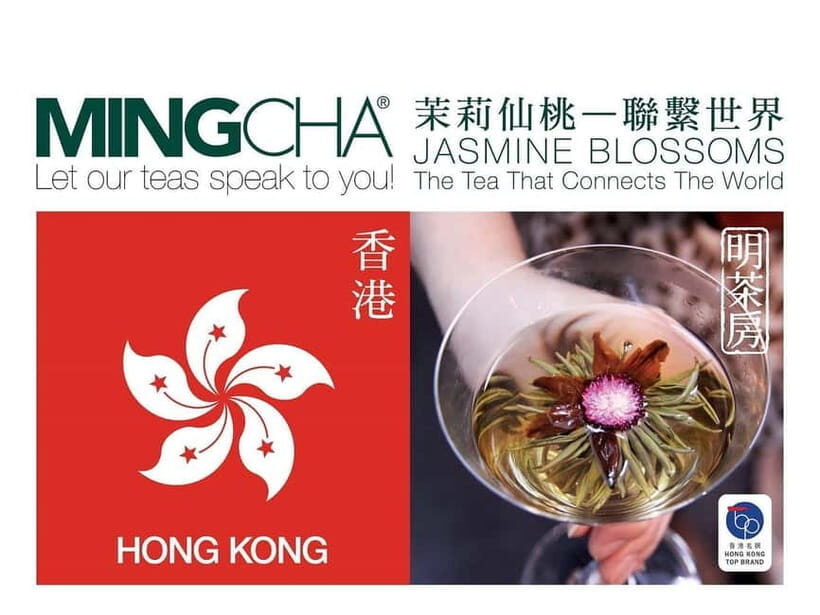
- Gaiwan practice means you leave with a brewing method you can use at home
- Tea + snack pairings (including rose honey toast) show you what flavors “agree”
- Languages include English, Cantonese, and Mandarin, so explanations are easier to follow
MingCha Tea House: a tea lesson you can actually use
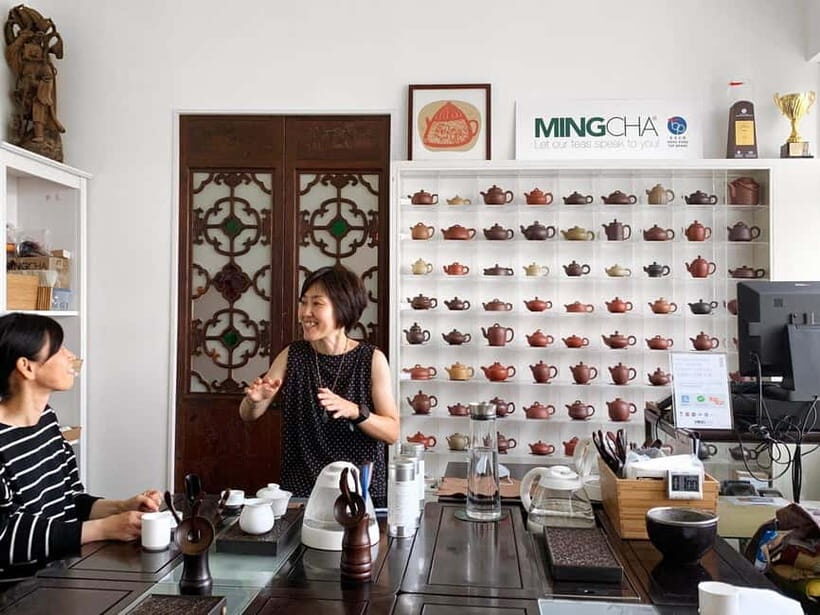
This workshop is run by MingCha Tea House, founded by artist and designer-turned-entrepreneur Vivian Mak. The vibe is part studio, part classroom. You’re not just sampling tea and checking off a Hong Kong activity—you’re learning how to taste and brew with intention.
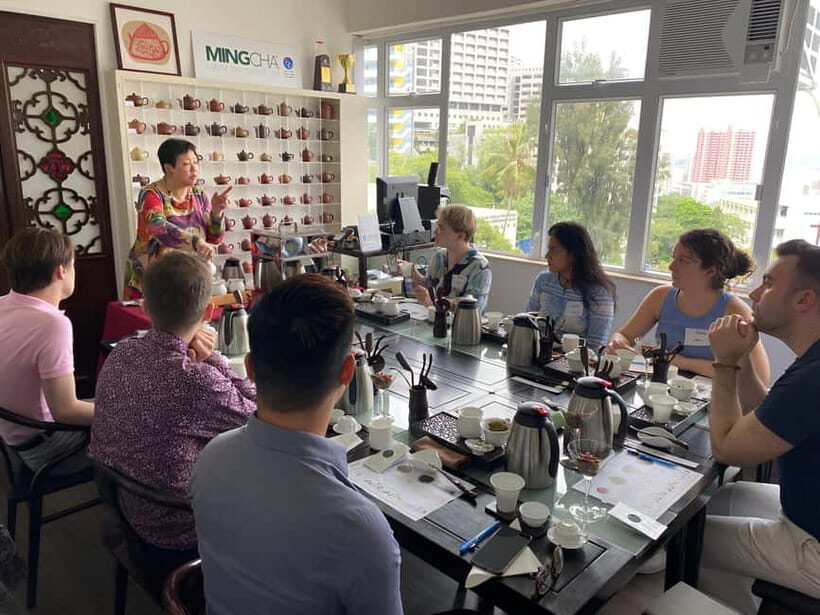
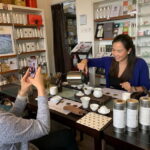
MingCha’s reputation matters here, but what matters for your day is the structure. You’ll get a guided experience with tea masters leading you through tea history, botany, classification, and production processes. Then you’ll switch gears from listening to doing: you’ll taste, smell, and observe in detail, and you’ll also practice brewing with a gaiwan.
This is also the kind of place that tends to work for multiple personality types. If you’re a total tea novice, you’ll still get a clear path. If you already know a bit, the repeated brews and the explanation of what to watch for can sharpen your senses.
You can also read our reviews of more food & drink experiences in Hong Kong

The 5-sense tasting: what you should pay attention to
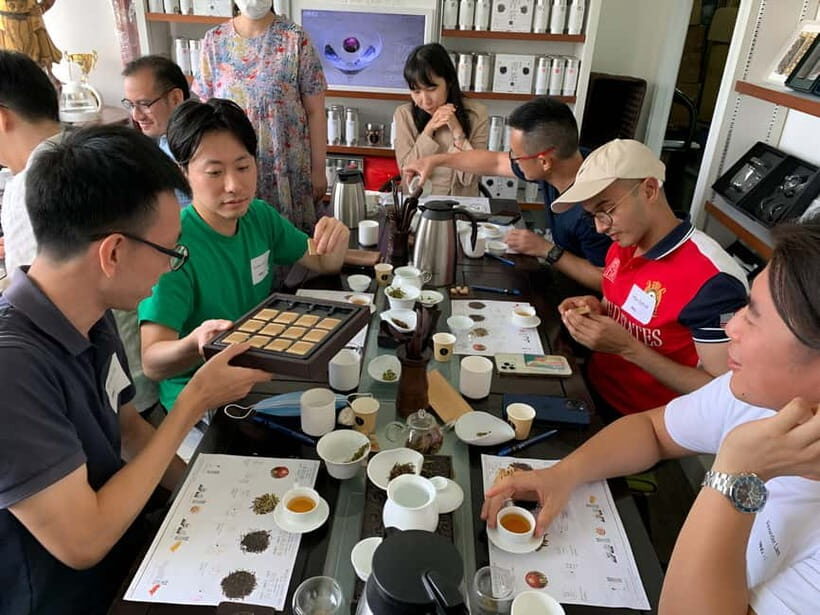
The tasting part is built around using all your senses, not just taste. You’ll look closely at what tea leaves and steeped liquor do, then you’ll smell both the dry leaves and the aroma after steeping. You’ll also be prompted to notice texture and even the sounds that come with the process.
That matters because most people try tea like it’s a single moment. You take a sip, you decide if you like it, and you move on. This workshop trains you to treat tea like a sequence of changes. You’ll taste the tea across multiple brews—typically 5 to 6 rounds per tea—and that repeated pattern helps you learn what shifts and when.
Here’s what you’re really learning during those rounds:
- How the aroma can change from the first steep to later infusions
- How flavor can soften, intensify, or become more nuanced as brewing continues
- What you should “look for” in leaves after brewing, not just in the liquid
Even if you don’t become a tea person overnight, you’ll leave with a better mental checklist. And that’s the practical win.
Tea types, production, and the flavor clues you’ll recognize later
You’ll sample a curated set of teas—often including green, scented green, red, oolong, white, and puer (exact selection can vary by session). The point isn’t to memorize categories. The point is to connect tea “type” to what you experience in the cup.
During the workshop, you’ll also hear how harvest, climate, and processing techniques influence tea flavor and character. That background turns your tasting from random guessing into cause-and-effect thinking. You start paying attention to clues rather than relying on pure preference.
You’ll also get a rundown that covers:
- Tea history and cultural significance
- Basic botany and how tea is classified
- Production processes and what changes the final product
This is the part I’d recommend you treat like a framework, not a trivia session. The teas become examples. If later you see a tea described as green, oolong, or puer, you’ll have a better idea of the kind of characteristics you should hunt for as you smell and taste.
Hands-on brewing with a gaiwan: the confidence boost
The workshop’s “you do it” moment is brewing practice using a traditional gungfu style approach with a gaiwan (a lidded bowl for brewing). This is one of the most valuable parts for most people, because it changes what the experience is.
Instead of leaving with memories, you leave with a method.
You’ll learn practical brewing tips as you practice. And because it’s a group class with guidance, you can ask questions in the moment—whether you’re unsure about timing, strength, or how to handle the gaiwan. The goal is not perfection. The goal is getting comfortable enough that you can repeat it at home.
One underrated detail is that the brewing practice is tied back to what you tasted earlier. You’re not taught in isolation. You’ve already tasted the tea through several brews, so when you brew yourself, you’ll better understand why the tea changes from cup to cup.
Tea and snack pairing: how rose honey toast changes the flavors
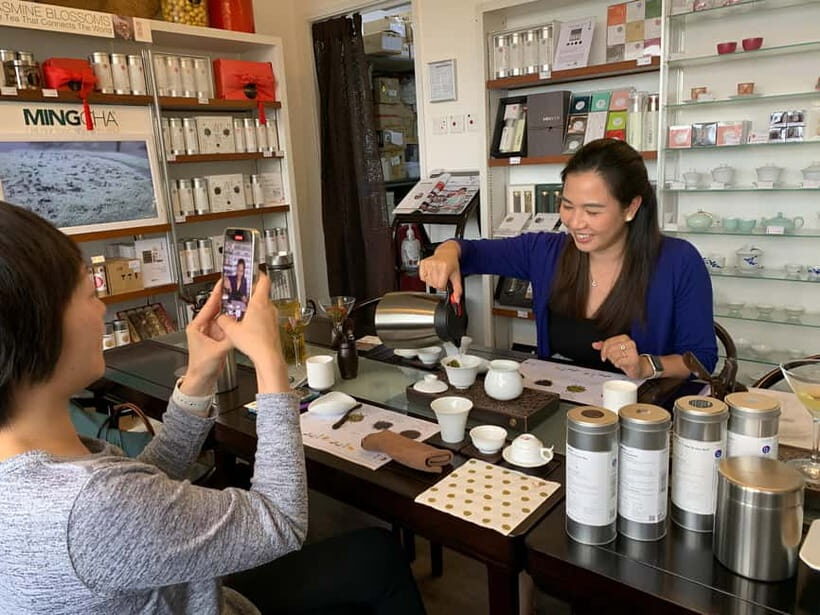
The pairing part is where this workshop feels less like “just tea” and more like food education. You’ll taste teas alongside complementary snacks, and it helps you understand why tea can taste different when it has the right companion.
A standout example is rose honey toast. The pairing works because the toast brings crisp texture and subtle floral sweetness—two things that can interact nicely with tea aroma and flavor. Instead of thinking of tea as a standalone drink, you learn how it behaves with food.
You’ll also see a bigger pattern: tea pairings often teach you more than they impress you. You start realizing which traits tend to “match”:
- Tea aroma playing well with light floral notes
- Texture contrast making flavors feel clearer
- Sweetness and warmth shifting how bitter or vegetal notes land
The workshop’s pairing angle is especially helpful if you want to recreate the experience at home without turning it into complicated work. You won’t just remember a flavor. You’ll remember a pairing logic.
A few more Hong Kong tours and experiences worth a look
Price and value in Hong Kong: is $63 worth it?
$63 per person for a 1.5-hour workshop is not the cheapest thing in Hong Kong, but it’s also not a random tasting flight. You’re paying for a guided experience with:
- Tea tasting of 4 premium handcrafted teas
- Hands-on brewing practice
- Tea and food pairing with complementary snacks
- Instruction covering history, botany, classification, and production
- A small-group setup (maximum of 20 participants)
Where the value shows up is in how much you actually do. A typical tea stop might give you a cup and a quick explanation. Here, you’re tasting across multiple brews, learning what to notice, and practicing brewing yourself with a gaiwan. That’s more “teacher time” than most tea experiences.
If you’re price-sensitive, I’d only hesitate if you’re not interested in learning at all. But if you like hands-on classes, structured tastings, or you want a meaningful Hong Kong rain-day indoor plan, the cost starts to look fair.
Finding MingCha Tea House in Chai Wan (and not losing your afternoon)
MingCha Tea House is in Fortune Factory Building, Block B, 15/F, Unit B2. It’s a five-minute walk from Chai Wan MTR Station (Exit C), which is a big plus for planning. You can build this into an easy half-day without complicated transit.
The building directions are a little specific, so it’s worth following them closely:
- Enter through the green entrance, which is a parking lot
- Walk in, turn left, and look for Block B (stainless steel sign)
- Walk in further and turn left to the passenger lift
- Press 15/F
- When you exit the lift, you should see the brown door
- The door bell is on the right side of the door
If you arrive a few minutes early, it’s less stressful. You’re going to want a calm start so you can focus on the tasting.
Who this workshop suits best
This experience is built for tea enthusiasts, novices, and culture seekers. That’s not vague marketing language. It comes down to how the class is taught.
If you’re new to tea:
- The senses-based tasting guides you through what to notice
- The brewing practice helps you learn without needing prior equipment knowledge
- The tea background gives you context without requiring technical expertise
If you’re already into tea:
- The repeated steeping rounds help you compare changes more clearly
- The production and classification explanation can tighten your understanding
- The pairing component adds a practical skill you can test at home
If you’re the type who hates structured classes and just wants to wander, you might feel a bit “in class mode.” But if you like learning by doing, this fits well.
Should you book the MingCha Tea Tasting and Pairing Workshop?
I’d book it if you want a Hong Kong experience that’s hands-on, not superficial. The combination of multiple brews, gaiwan practice, and snack pairings makes this more educational than a typical tea tasting. You also get the comfort of explanations in English, Cantonese, and Mandarin, which helps a lot when you’re trying to follow nuance.
Skip it only if you’re looking for a long, leisurely meal experience or you’re indifferent about tea. In that case, $63 for a focused 1.5-hour session may feel like more structure than you want.
FAQ
How long is the MingCha tea tasting and pairing workshop?
The workshop lasts approximately 1.5 hours.
How many teas will I taste?
You’ll taste 4 premium handcrafted teas. The experience is described as covering a selection of 4–5 teas, depending on the session.
What is the hands-on part?
You’ll do hands-on brewing practice using traditional methods, including the gungfu style with a gaiwan.
Where is the tea house located, and how do I get there?
It’s located in Fortune Factory Building, Block B, 15/F, Unit B2. It’s about a five-minute walk from Chai Wan MTR Station (Exit C).
What languages are used?
The workshop is conducted in English, Cantonese, and Mandarin.
What’s included, and is cancellation possible?
Included are tea tasting, hands-on brewing practice, and tea-and-food pairing with complementary snacks, guided by tea masters. Cancellation is free up to 24 hours in advance for a full refund.