REVIEW · BEIJING
Ming Tombs Admission Ticket
Book on GetYourGuide →Operated by PANDA144 experience · Bookable on GetYourGuide
Beijing’s Ming Tombs feel bigger than a day. I love how the Sacred Way lines up your route with lifelike stone carvings, and how Dingling’s underground palace gives you a rare peek at Ming burial engineering. The main drawback: the tombs sit far enough apart that you may spend real time switching between areas, and there’s an extra fee for electric carts.
This ticket is for self-paced entry into the major tomb sites around Changping, about 50 kilometers north of the city. If your QR code plan is right, I also like the smooth, quick gate entry people count on—no long waits. Just double-check you’re using the correct entry details for the right gate, because one wrong turn can cost you your timing.
In This Review
- Key Things To Know Before You Go
- Ming Tombs in a Single Day: What This Ticket Actually Covers
- Sacred Way: The Stone Road You’ll Keep Thinking About
- Changling and Emperor Yongle: The Biggest Tomb Complex in the Mix
- Hall of Eminent Favor: Where the Details Feel Very Ming
- Dingling Underground Palace: Emperor Wanli’s Mausoleum
- Zhaoling for Emperor Muzong: Restoration That Helps You See the Plan
- Getting Between Tombs: Why Timing and Transport Can Make or Break Your Day
- Price and Value: Is $19 Worth Your Time?
- Booking Rules, QR Entry, and One Mistake to Avoid
- Who This Ming Tombs Ticket Fits Best
- Should You Book This Ming Tombs Admission Ticket?
- FAQ
- Which tombs are included with the Ming Tombs admission ticket?
- Where are the Ming Tombs located?
- How long is the visit?
- Do I need a guided tour?
- What do I need to bring to enter?
- Are electric carts included?
- Are pets allowed?
- Is alcohol or drugs allowed?
- Is the ticket wheelchair accessible?
- Can I cancel after booking?
Key Things To Know Before You Go
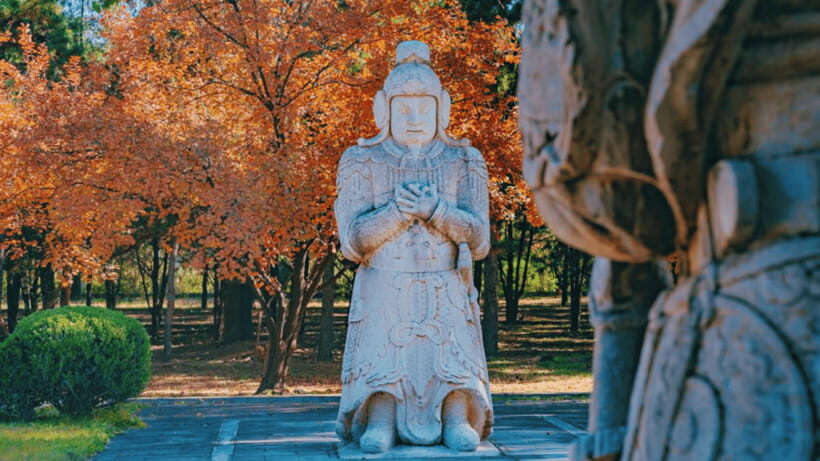
- Sacred Way: Expect a long stone processional lined with detailed statues that help you “read” the tomb complex.
- Changling (Yongle): The largest Ming tomb area is the one you’ll likely remember most after you leave.
- Dingling (Wanli): One of the highlights is the open underground palace section.
- Zhaoling (Muzong): A restored mausoleum that helps the site feel complete, not broken or guessy.
- Transport matters: Tombs are spread out, so build in time to move between them.
- QR entry can be fast: When it works, it gets you through quickly, often with less waiting at the gates.
Ming Tombs in a Single Day: What This Ticket Actually Covers
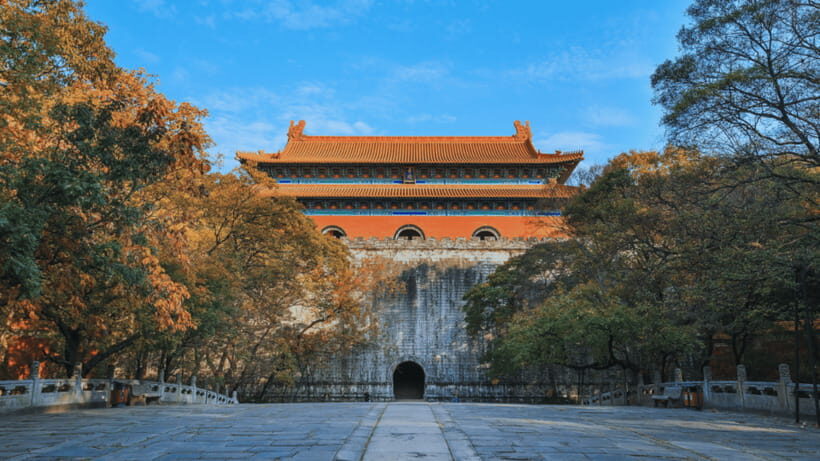
Your day centers on the Ming Tombs complex in Changping District—southern slope area near Tianshou Mountain, about 50 kilometers north of Beijing. This isn’t one building; it’s an imperial burial zone made of several tombs, connecting ceremonial roads, and select halls that show how the Ming emperors wanted their power to look in stone.
Depending on the option you choose, your ticket covers parts of Dingling + Changling + Zhaoling + the Sacred Way. In plain terms: you’re buying access to the core sites most people want, not a guided loop with a host steering you at every turn. That can be good value if you like wandering, pausing for photos, and going at your own pace.
Two things to keep in mind for your expectations. First, this is largely outdoor walking plus a few indoor/structured areas—so wear shoes that work on stone and uneven ground. Second, you’re dealing with distances. Even if the ticket entry is straightforward, moving between tomb areas can take time, and electric carts cost extra.
A few more Beijing tours and experiences worth a look



Sacred Way: The Stone Road You’ll Keep Thinking About

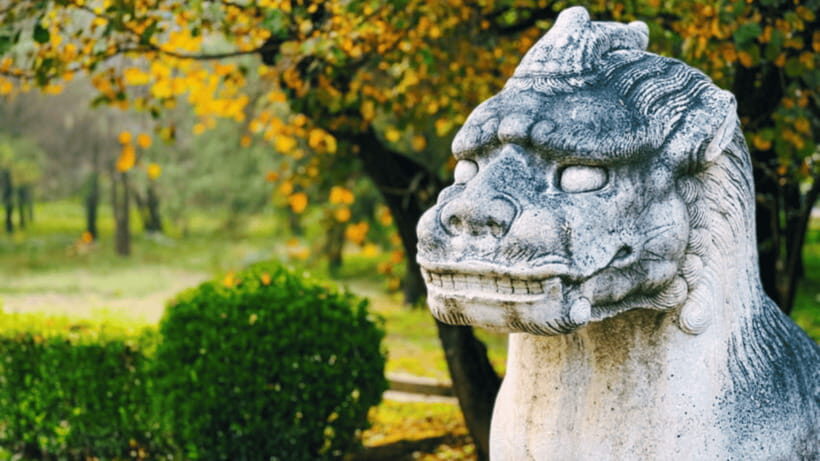
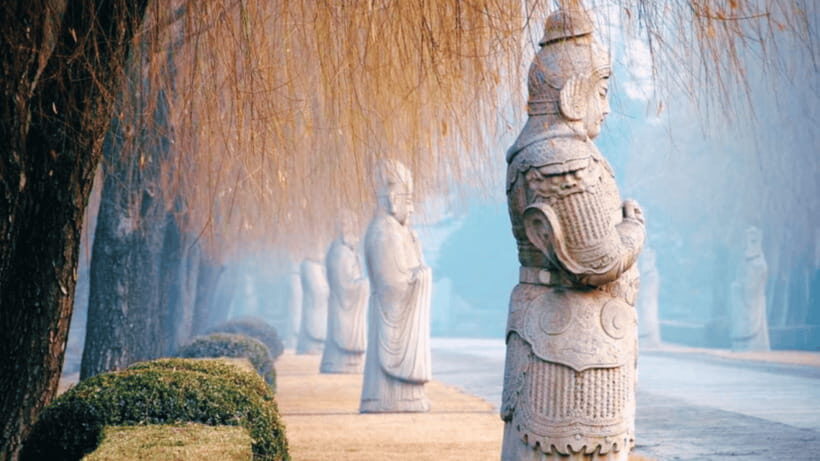
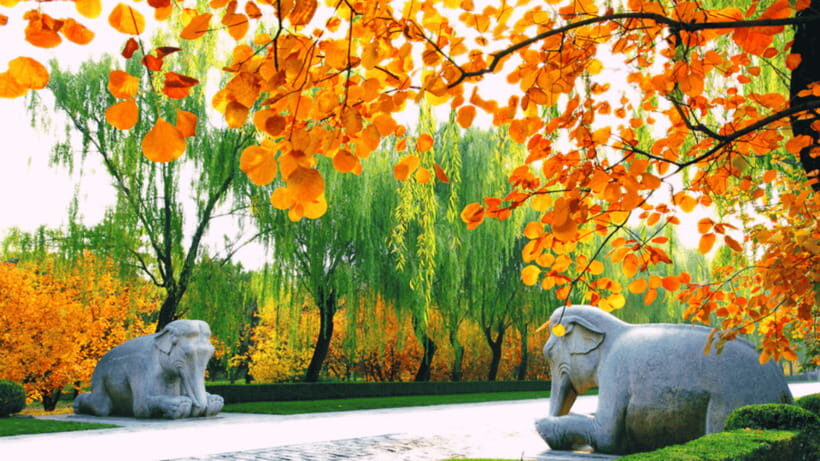
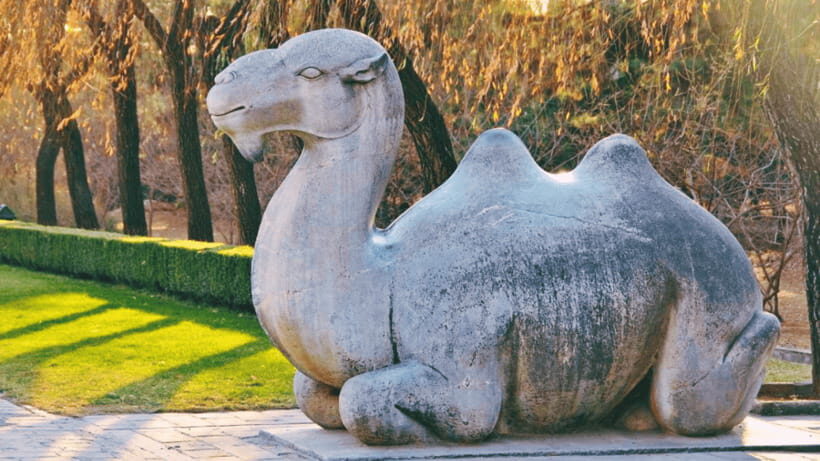
The Sacred Way is the ceremonial pathway linking parts of the tomb zone, and it’s the moment where the site “clicks” emotionally. This isn’t just decoration. The statues and carvings are there to stage an imperial procession, showing rank, myth, and the Ming sense of order.
What I like about the Sacred Way is how it sets your pace. You can walk it like a museum corridor, slowly reading the figures, or treat it like a scenic stretch that helps you orient to the bigger layout. If you want photos, this is also where you’ll get the most consistent payoff because the carvings are all in one direction and at human height.
The drawback? It’s easy to keep walking past the moments you’d normally stop for if you’re trying to cover everything fast. You’ll enjoy it more if you slow down—especially around the most detailed stone work—because that craftsmanship is the whole point. Plan a few short pauses rather than one long sprint.
Changling and Emperor Yongle: The Biggest Tomb Complex in the Mix
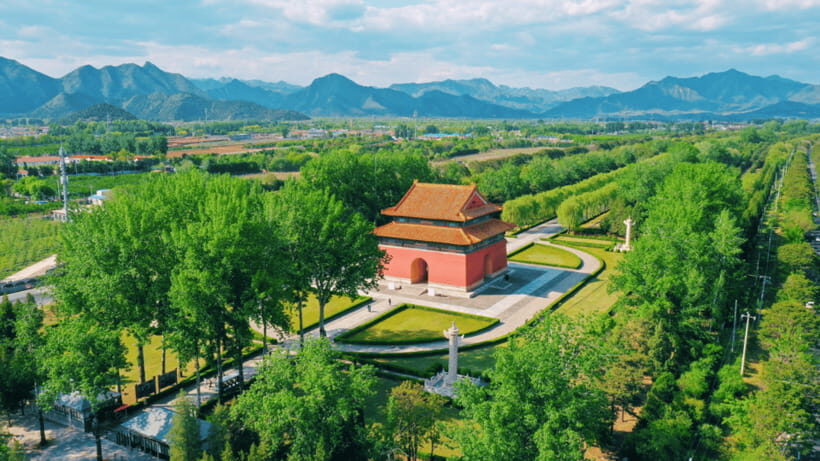
Changling is home to Emperor Yongle (Zhu Di), and it’s often the biggest “main character” of the day. If you only have time for one large tomb complex, this is the one you’ll likely feel you got your money’s worth from.
At Changling, you’re looking at the kind of grand scale the Ming used for royal burial architecture: halls and structured areas arranged with clear ceremonial logic. Even when you’re not reading every detail, the design helps you understand how authority was built into space. It’s one thing to hear that the Ming dynasty was organized and powerful; it’s another to walk through a layout engineered to project that message.
One more reason Changling is worth your attention: it helps you connect what you see elsewhere. The Sacred Way leads you toward this kind of complex order, and Changling shows what the ceremony was aiming at.
Hall of Eminent Favor: Where the Details Feel Very Ming
One of the standout stops inside the larger Changling area is the Hall of Eminent Favor, described as the only surviving hall of its kind at the Ming Tombs. This matters because it’s not a generic replacement building; it’s a specific structure with features you can actually spot.
Here’s what you’ll be looking for: a double-eaved roof and precious golden nanmu pillars. Even if your Chinese isn’t strong, you’ll get the visual story fast. Rooflines and column materials signal importance, and the fact that this hall is the remaining one of its type makes it feel like a rare survival rather than just another hall in a complex.
This is the kind of stop where you’ll enjoy it most if you don’t rush. Spend a few extra minutes letting your eyes land on the roof form and the structural elements. That’s where the Ming craftsmanship shows up—clean, intentional, and meant to last.
Dingling Underground Palace: Emperor Wanli’s Mausoleum
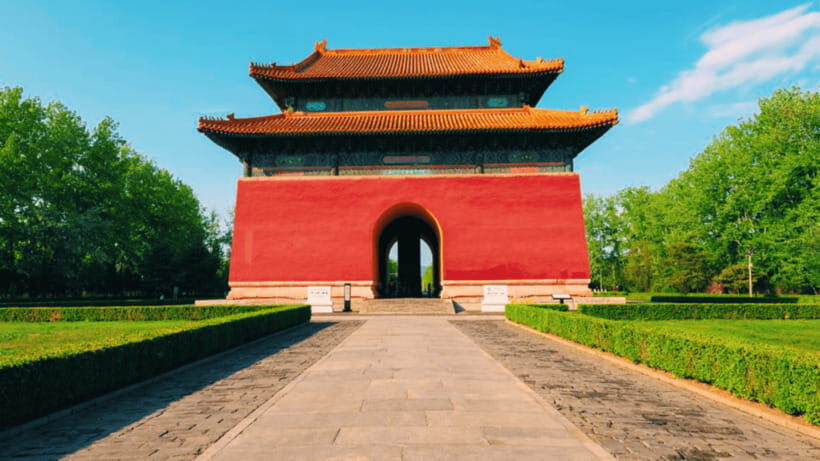
Dingling is where the experience turns from architecture into engineering. It includes the mausoleum of Emperor Wanli, and the key difference is that Dingling features the underground palace section opened to the public.
When you step into an underground palace area, you feel the change in space immediately: the tone shifts from open ceremonial architecture to enclosed burial design. It’s not just “a room below.” The underground layout reinforces the idea that emperors expected their legacy to be permanent and protected, even when the structure moved below ground.
If you like experiences with a wow factor that doesn’t rely on big crowds or constant motion, Dingling tends to deliver. The main catch is pacing. Underground palace sections can take longer than you expect, and you’ll want time after that to still reach any additional tomb areas you plan to include. So don’t lock yourself into a too-tight schedule.


Zhaoling for Emperor Muzong: Restoration That Helps You See the Plan
Zhaoling is the mausoleum of Emperor Muzong, and it’s specifically noted for restoration that reveals the splendor of a Ming imperial mausoleum. That restoration angle matters. When a site is restored in a way that keeps the layout legible, you don’t have to guess as much about how it once looked.
In practice, this means Zhaoling can feel more complete than you might expect at other historical sites where only fragments remain. You’ll get clearer visual structure: the hall areas, approach logic, and how the tomb complex reads as a designed whole.
Zhaoling is also a great counterbalance to the day’s more dramatic moments. If you’ve already spent time on Changling’s scale and Dingling’s underground feature, Zhaoling helps round out the day with a more “finished” feeling thanks to restoration.
Getting Between Tombs: Why Timing and Transport Can Make or Break Your Day
Here’s the reality check: the tombs are far enough apart that you can’t always treat this as one continuous walking loop. One practical pattern works well—use transportation to hop between the major areas, then walk inside each tomb zone to take your time.
A lot of people solve the gaps with a hired driver for the day. That makes sense here because you’re moving between distinct tomb complexes, not just wandering within one neighborhood. If you’re trying to do it with public transit alone, expect more schedule friction than you’d deal with at, say, an old city center.
Also note the electric cart option: it’s not included in the ticket and costs extra. If you’re planning to rely on carts, factor that into your budget and time. If you’re okay with walking, you still need to plan for transitions—those travel legs add up.
My best advice: treat the day like a sequence of “zones,” not one straight line. Spend your energy where the carvings and architecture actually are, and make getting between them efficient.
Price and Value: Is $19 Worth Your Time?
At about $19 per person, this entry ticket is priced like a straightforward cultural admission—fair considering what you’re getting access to. You’re not paying for a full guided experience. Instead, you’re paying for entry into major tomb components across the Ming Tombs area.
So the value question becomes: can you use self-paced entry well? If you’re comfortable reading site layouts, taking your time, and using transport between zones, this price can be a solid deal. You’re effectively covering several major sites in one day rather than paying separate admissions for each.
The hidden cost isn’t the ticket—it’s logistics. Transport between distant tomb areas can add time (and sometimes money), and electric cart use costs extra. If you’re the type who hates walking and prefers minimal movement, you’ll want to plan carefully so the day doesn’t feel like travel between highlights.
Booking Rules, QR Entry, and One Mistake to Avoid
This is a ticket with clear admin requirements: you need your passport information to complete booking. If the name and passport number don’t match and aren’t provided on time, your booking can be canceled with a cancellation fee. That’s not a minor detail—it’s the kind of thing that can ruin your morning.
Another practical point: entry depends on the QR code mechanism. When it’s set up right, it can mean easy, quick entry and less waiting at the gate. The flip side is also real: if you show up at the wrong address or the wrong gate details, you can lose time.
So do this before you go:
- Confirm the entry point details on your QR/e-ticket instructions.
- Bring your passport, since it’s listed as what to bring.
- Choose your date/time correctly—tickets are valid only on the booked date.
Who This Ming Tombs Ticket Fits Best
This admission works best for travelers who want structure without being herded. You get the key Ming Tombs elements—Sacred Way, Changling, Dingling, and Zhaoling depending on your option—then you build the pacing yourself.
It’s also a good fit if you enjoy stone art and architecture. The Sacred Way sculptures and the architectural features like those at Hall of Eminent Favor are the type of details that reward slower looking.
It’s probably less ideal if you want a full-service guided narrative. Guided tours aren’t included, so you’ll rely on signage, your own curiosity, or a guide you arrange separately. And it’s not suitable for children under 18, based on the listed suitability rule.
Should You Book This Ming Tombs Admission Ticket?
Book it if you want a good-value day covering the most important Ming Tombs areas, and you’re okay managing your own pace. It’s especially worth it if you can take advantage of the QR entry process and you plan transport between tomb zones so you don’t spend the day rushing.
Skip it (or rethink your plan) if you know you’ll be stressed by logistics. The tombs are not all next door, and there’s an extra fee for carts. If you’re hoping for a low-effort, all-contained experience, you may want a different format that includes guided movement.
If you do book, give yourself a little breathing room between areas, and make time to stop on the Sacred Way and in the preserved halls. That’s where the craftsmanship does the most talking.
FAQ
Which tombs are included with the Ming Tombs admission ticket?
The ticket includes Ming Tombs sites such as Dingling, Changling, Zhaoling, and the Sacred Way depending on the option you select.
Where are the Ming Tombs located?
They’re in the Changping District area, about 50 kilometers north of Beijing.
How long is the visit?
The ticket is valid for 1 day.
Do I need a guided tour?
No. Guided tours are not included with this admission ticket.
What do I need to bring to enter?
You need to bring your passport.
Are electric carts included?
Electric cart usage is not included and requires an additional fee.
Are pets allowed?
No, pets are not allowed.
Is alcohol or drugs allowed?
No. Alcohol and drugs are not allowed.
Is the ticket wheelchair accessible?
Yes, the experience is listed as wheelchair accessible.
Can I cancel after booking?
You can cancel up to 24 hours in advance for a full refund. Tickets are non-refundable once sold.