REVIEW · BEIJING
Private China Tour to Beijing, Xi’an, Zhangjiajie and Shanghai
Book on Viator →Operated by Travel China Guide · Bookable on Viator
In This Review
- A quick hook
- Key highlights worth your attention
- First stop: Beijing without the first-day stress
- Badaling Great Wall and Ming Tombs: the imperial route feel
- Summer Palace beauty, then a high-speed leap to Xi’an
- Xi’an: Terracotta Warriors plus the older city you can taste
- Zhangjiajie: the “Avatar” mountains and the glass bridge moment
- Shanghai: city planning museum, Yu Garden calm, and Bund night views
- Price and what’s actually included (and what to plan for)
- Comfort, pace, and the small choices that matter
- Should you book this private 11-day China tour?
- FAQ
- Where does the tour start?
- How long is the tour?
- What’s included for flights and hotels?
- Are meals included?
- Is the tour only for a small group?
- Are vegetarian meals available?
- Is the tour refundable?
A quick hook
Eleven days, four cities, one wow list. This private tour strings together the big signatures—Great Wall, Forbidden City, Terracotta Warriors, and Shanghai’s Bund—plus the sci-fi mountain drama of Zhangjiajie.
I especially like that you’re not stuck sorting logistics on your own. You get pickup and transfers with a professional guide and experienced driver, plus an air-conditioned vehicle that keeps the long days from feeling like a punishment.
Another big plus is the variety of experiences, not just sightseeing checkboxes. You get a Hutong rickshaw ride through traditional alleyways, and you spend real time at the Terracotta pits instead of rushing through like it’s a quick photo stop.
One consideration: this is a fast-moving highlights-and-views style trip. With internal flights, early starts for major sights, and a note that it’s not suitable for people over 80, you’ll want solid stamina.
Key highlights worth your attention
- Private guide and driver for door-to-hotel ease across Beijing, Xi’an, Zhangjiajie, and Shanghai
- Badaling Great Wall + Ming Tombs gives you both the famous wall and the imperial burial road
- Terracotta Warriors museum time paired with Xi’an classics like the Small Wild Goose Pagoda
- Zhangjiajie “Avatar” scenery moments including the Bailong Elevator, plus the No.1 glass bridge
- Tianmen Mountain option for the 999 stairs if you feel like earning your views
- Shanghai old-meets-new with Yu Garden, the Huangpu River cruise, and Bund free time
You can also read our reviews of more private tours in Beijing
First stop: Beijing without the first-day stress
Beijing can feel like a maze on day one. Here, you start with a simple plan: meet your guide at Beijing Airport after customs and luggage, then ride to your hotel and get checked in. That may sound basic, but it matters. You’re saving your energy for the sightseeing days, not for figuring out transport and timing.
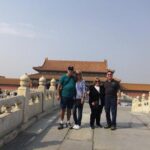
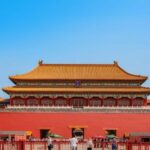
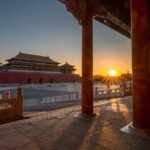
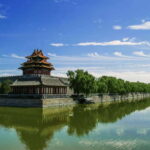
On Day 2, you roll into Tiananmen Square first. It’s the kind of place where size hits you before anything else—big, open, and hard to ignore. Then it’s straight into the Forbidden City (Palace Museum), where you get to explore halls and pavilions tied to how emperors handled politics. Practical tip: this is a long site, so wear comfortable shoes and plan to move slowly through the main courtyards rather than sprinting.
After the imperial core, you shift to a more lived-in Beijing with a Hutong tour around Shichahai. The highlight is a rickshaw ride along traditional alleyways, about 40 minutes. You’ll get a real sense of how neighborhoods work, not just how monuments look. Then you finish the day at the Temple of Heaven, historically tied to emperors worshipping the God of Heaven during the Ming and Qing dynasties. It’s one of those spots where the layout makes sense even before you know all the details—walk the grounds, look at the architecture, and let it sink in.
My take: Beijing works best when you mix “big state” sights (Tiananmen, the Palace Museum) with street-level texture (Hutongs). This balance is what keeps the days from turning into museum fatigue.
Badaling Great Wall and Ming Tombs: the imperial route feel
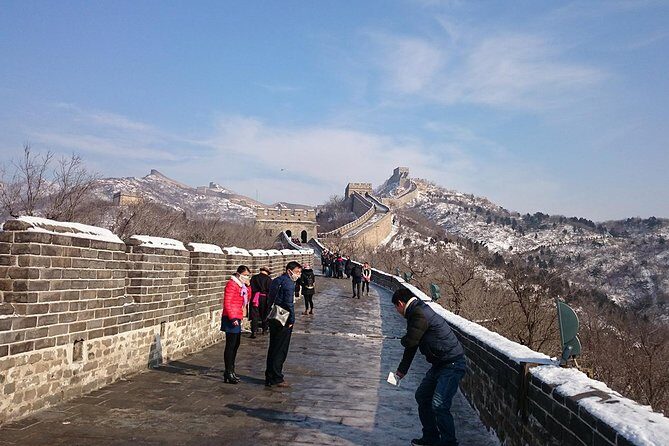
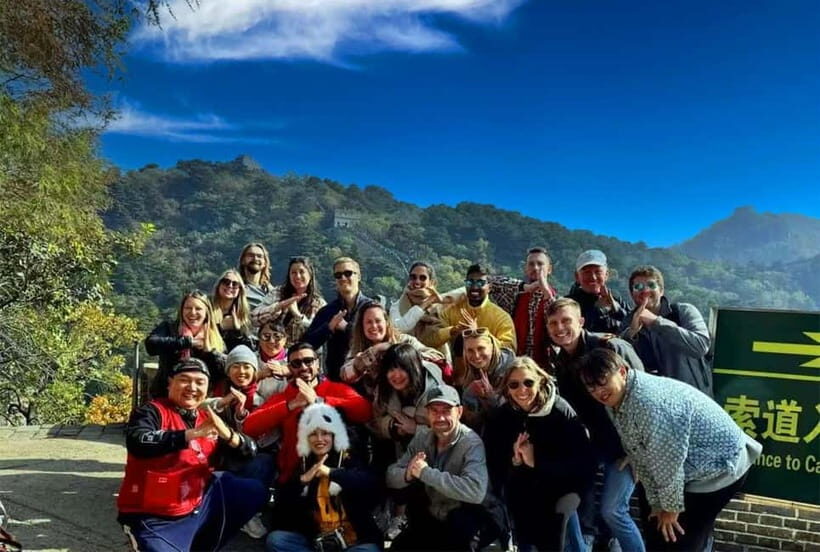
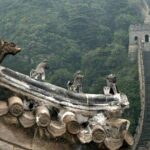
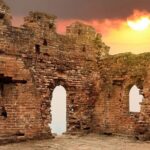
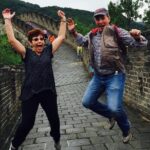
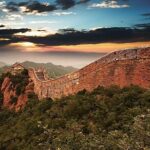
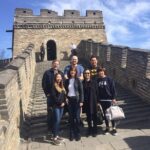
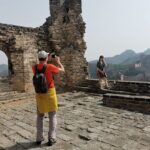
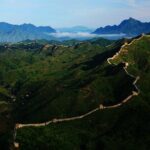
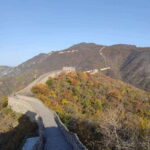
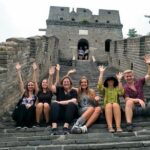
Day 3 is built around two heavy hitters: the Great Wall at Badaling and the Ming Tombs. Badaling is famous for a reason—standing on the wall and seeing the long stretch of it into the distance is the whole point. You’ll have about 3 hours here, which is enough to walk, stop for views, and not feel like you’re being herded.
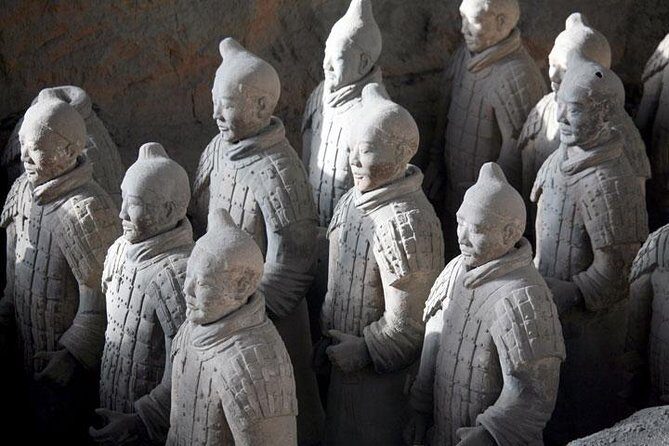
Then you continue to the Ming Tombs, the resting place of 13 Ming emperors. The focus is on two highlights: the Sacred Way and Dingling Tomb. The Sacred Way is the “procession” road—think symbolic statues and the feel of a guided imperial journey. Dingling is a chance to see a tomb context that helps you understand what you’re looking at beyond just stone and gates.
On the way back, there’s also a quick photo pass at the Bird’s Nest National Stadium. It’s only a short stop, and the admission isn’t included, but it’s a fun moment if you want a modern landmark snap between imperial sites.
A possible drawback: Badaling and the Ming Tombs are both physically demanding, and you’ll likely spend more time walking than you expect. If you have knee issues, take it slow on the wall sections and ask your guide what’s best based on your pace.
Summer Palace beauty, then a high-speed leap to Xi’an
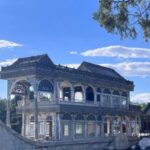
Day 4 starts at the Summer Palace (Yiheyuan). This is the big imperial garden, and it shows in the way paths, water, and buildings work together. You’ll get about 2 hours, which is enough to understand the scale and pick a few vantage points instead of trying to see everything.
Then comes the quick pivot: transfer to the railway station and ride a high-speed train to Xi’an. A lot of China trips waste a day on slow travel. Here, that time is compressed, and your Xi’an guide and driver pick you up at the station for hotel check-in.
Why this matters for value: you’re paying for fewer “wasted hours.” The cost of the tour makes more sense when travel days are used efficiently, and this one tries hard to do that.
Xi’an: Terracotta Warriors plus the older city you can taste
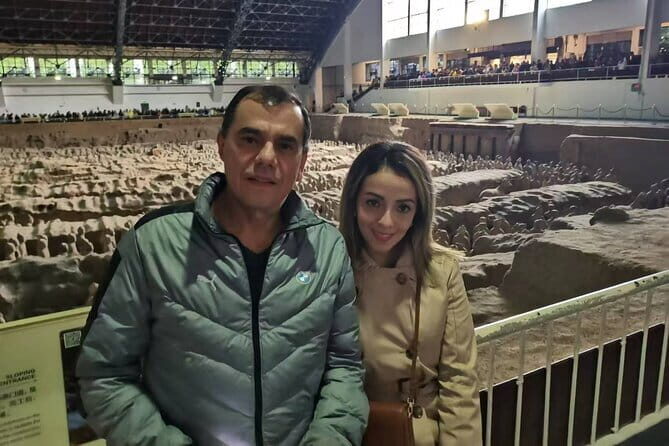
Day 5 begins with the Museum of Qin Terra-cotta Warriors and Horses. Expect three excavated pits, full of warrior figures and ancient weapons. Four hours here is a strong chunk—enough to understand that this isn’t just a single display, and enough time to slow down instead of racing through.
Lunch is included, and that helps you avoid the “where do we eat now?” scramble. After that, you go to the Small Goose Pagoda and the adjacent Xi’an Museum. Even if you don’t know the full story of earthquakes and preservation, you can appreciate the brick pagoda’s presence and the way the area gives context for Xi’an’s long timeline.
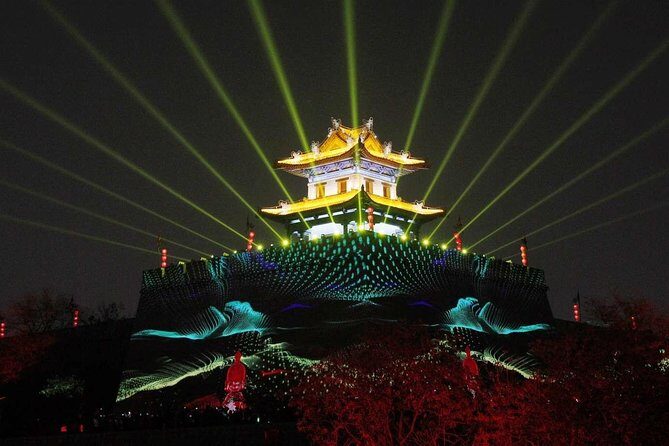
Day 6 is where Xi’an feels like a living city. You start with the City Wall Park and then visit the City Wall itself. It’s described as the most complete existing urban fortification in China, and it’s one of those sights where walking or just standing on the wall gives you better orientation fast.
Next is the Great Mosque of Xi’an, with typical Islamic architectural features. Then you head to the Muslim Quarter, where you can stroll freely and have a snack tour arranged by your guide at a popular restaurant. This is a practical way to eat locally without guessing what’s good or what’s tourist-trappy.
In the afternoon you visit the Tomb of Emperor Jingdi (Hanyangling) / Han Yang Ling Museum. It’s also called the Yangling Mausoleum of Han Dynasty, and the difference here is the excavation areas. In other words, you’re not just seeing a single restored structure—you’re looking at a broader site context.
Small reality check: Xi’an days mix major-ticket sites with walking around neighborhoods. If you’re prone to blisters, bring blister care. City walls and quarter strolling will test you.
Zhangjiajie: the “Avatar” mountains and the glass bridge moment
After Xi’an, you fly to Zhangjiajie. Day 6 has the airport transfer, then you arrive and go straight to the hotel. This structure keeps your travel day from getting too messy.
Day 7 is devoted to Zhangjiajie National Forest Park. You’ll take the Bailong Elevator to the Yuanjiajie Scenic Area, famous for the Southern Sky Column—the shooting spot that many people associate with the Avatar floating mountains look. Translation: expect dramatic vertical rock forms and heavy “how is this real?” scenery.
Day 8 continues with the Grand Canyon of Zhangjiajie. It’s described as combining mountains, caves, and water, which matches what you’ll see: a sequence of viewpoints plus more grounded natural elements. Then you move to Golden Whip Brook for a 7.5-kilometer hike along the most beautiful part of the stream. You’ll do this after a scenic car transfer into the park, starting around Shuirao Simen and finishing around scenic sections of the water trail.
Day 9 brings Tianmen Mountain National Forest Park. Its name comes from Tianmen Cave, and if you’re up for it, there’s an option to climb the famous 999 stairs. If you do it, you’re not just “ticking a box.” You’re earning a view that feels earned, not purchased.
And yes, the tour highlights the No.1 glass bridge. The important thing to know: don’t treat it as just a photo gimmick. On glass bridges, what changes the experience is the walking rhythm and the wind. If you’re nervous, take slower steps, grip the rail, and focus on pacing rather than looking down the whole time.
Who will love this section: people who like scenery and don’t mind a lot of walking on uneven terrain. If you prefer minimal hiking, you’ll still get the big sights, but you may need to move more carefully and pace breaks with your guide.
Shanghai: city planning museum, Yu Garden calm, and Bund night views
Day 9 includes an evening flight to Shanghai and then check-in on arrival. That keeps your time in Zhangjiajie from feeling cut short, and it positions you for a full Shanghai Day 10.
Day 10 starts at the Shanghai Urban Planning Exhibition Hall. It’s essentially how Shanghai grew—from a fishing village into a modern metropolis—with models and photos. This is a smart warm-up because Shanghai can feel like glass-and-speed if you don’t have a framework. A quick “how it became this” overview can make the city feel more understandable on the street.
Next is Yu Garden (Yuyuan), a classic private garden with over 400 years of history. The design and the atmosphere are the point here: paths, pavilions, and a calmer pace after the big-city feel. You also walk past the Yuyuan Bazaar outside the garden.
Then there’s an included a la carte lunch, followed by a Huangpu River Cruise. You’ll see buildings of both Chinese and Western architectural styles along the Bund area, plus modern skyscrapers. This is a useful break because the cruise gives your legs and brain a rest while still delivering the visual payoff.
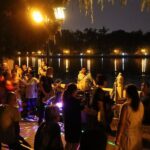
After lunch and the cruise, you go to the Bund (Wai Tan). You get free time to explore—about an hour here—plus a stop at Tianzifang, described as a cultural street in old lanes.
Day 11 is check-out and a transfer to your homeward flight. It’s simple and clean at the end.
A practical tip: build in a little flexibility at night in the Bund area. Lighting changes fast, and your best photos often happen in the minutes you weren’t planning.
Price and what’s actually included (and what to plan for)
At $2,999 per person for about 11 days, the value question is fair. Here’s how I’d think about it.
This price covers:
- Hotel accommodation based on twin-sharing rooms
- One-way economy airfare for the internal legs from Xi’an/Zhangjiajie/Shanghai
- Professional guide and experienced driver, plus an air-conditioned vehicle
- Breakfasts (10) and lunches (6)
- Two bottled waters per person per day
- Mobile ticket and group discounts (availability depends on booking setup)
Not included:
- Gratuities to guides and drivers (recommended)
- China visa fees
- International airfare
- Not suitable for people over 80
What you’re paying for is not just attractions. You’re paying for friction removal: transfers, timing, and guided pacing across four cities. If you were to plan all of that yourself—tickets, guides, transfers, internal flights—you’d likely spend a lot of time and energy. If you’re paying for convenience and structure, this tour aims to deliver.
Where you might feel the cost: if you don’t care about multiple internal flights, or if you prefer to linger in one city rather than covering Beijing, Xi’an, Zhangjiajie, and Shanghai in a single push.
Comfort, pace, and the small choices that matter
This tour is designed like a “high-impact highlights” route. It works well when you:
- like seeing a lot of major sights in a short time
- don’t mind early mornings and a full day schedule
- enjoy guided context, not just free roaming
You’ll also be supported with practical details: air-conditioned vehicle, water daily, and meals included on most days (10 breakfasts, 6 lunches). A vegetarian option is available, as long as you request it at booking.
On the museum-heavy days (Forbidden City, Terracotta Warriors, Tianmen-related areas), you’ll be happier if you keep your expectations realistic. You won’t get every single hall or tunnel, but you’ll get a guided path through the core experiences.
Finally, note that this is a private tour: only your group participates. That usually means more flexibility than a giant bus tour, but it also means you’ll want to communicate preferences early—walking speed, photo stops, and how often you want breaks.
Should you book this private 11-day China tour?
Book it if you want a structured, efficient tour that covers Beijing + Xi’an + Zhangjiajie + Shanghai with private transfers and built-in meals. You’ll like it most if you’re excited by the full range: imperial sites in Beijing, Terracotta and city-wall atmosphere in Xi’an, the sci-fi mountain scenery in Zhangjiajie, and Shanghai’s old-and-new mix around the Bund.
Skip or reconsider if you want a slower pace, limited walking, or if you’re in the age range where the tour is specifically noted as not suitable (over 80). Also, if you hate heights or glass structures, decide early about how you’ll handle the No.1 glass bridge experience and bring that mindset into your planning.
If your goal is simple—see the big icons with minimal stress—this tour’s design is built for that.
FAQ
Where does the tour start?
It starts at Capital Airport Shunyi, Beijing 101300 China, with a start time of 9:00 am.
How long is the tour?
It’s listed as 11 days, approximate.
What’s included for flights and hotels?
Hotel accommodation is included (twin-sharing rooms), and one-way economy-class airfare is included for the internal legs from Xi’an/Zhangjiajie/Shanghai.
Are meals included?
Yes. Breakfast is included for 10 days and lunch is included for 6 days. Two bottled waters per person per day are also included.
Is the tour only for a small group?
It’s a private tour/activity where only your group participates. A minimum of 2 people per booking is required.
Are vegetarian meals available?
Yes. A vegetarian option is available if you advise the provider at booking.
Is the tour refundable?
No. The experience is non-refundable and cannot be changed for any reason. If you cancel or amend, the amount paid will not be refunded.