REVIEW · BEIJING
Private City Tour By Public Transportation: Temple Of Heaven, Tiananmen Square and Forbidden City
Book on Viator →Operated by Unique Beijing Tours · Bookable on Viator
Morning Beijing, routed like locals. A private guide plus public transit turns three icons into one smooth day. You’ll get real context for the Temple of Heaven and Forbidden City, and the tour moves at street level instead of feeling like a scripted bus stop.
I especially like the mix of major sights with practical skills. You’re not just handed facts about Beijing; you learn how to ride metro and bus, then apply that knowledge after the tour. The standout praise in past bookings also centers on guides like Roy Li, Alice, and Coco for clear English, smart questions, and keeping things un-rushed.
One consideration: this is still a long walking day. Even with transit between sites, plan for serious steps, especially in summer. Add strict Tian’anmen Square security, and you’ll want patience.
In This Review
- Key points to know before you go
- Metro and bus first: why this tour feels different
- Price and value: what $110 really buys
- A 8:30 pickup and mobile tickets that keep things moving
- Stop 1: Temple of Heaven grounds and the locals’ morning routine
- Stop 2: Hall of Prayer for Good Harvest and the altar symbolism
- Stop 3 and the walking rhythm: photos, pacing, and shade
- Tian’anmen Square by double-decker bus: the history is real, the logistics are too
- Forbidden City entry and the “what you’ll actually see” advantage
- Inside the halls: why the order matters
- How the 5–6 hours really feel (and how to prepare)
- Public transport skills you can use the next day
- What kind of traveler should book this?
- So, should you book it?
- FAQ
- How long is the tour?
- What time is pickup?
- Is the tour really on public transportation?
- What is included in the price?
- Are tickets inside the Forbidden City fully covered?
- Do I need my passport details in advance?
- What happens if Tian’anmen Square is closed?
- What should I wear and bring?
- Do I need ID requirements if I am a Chinese citizen?
Key points to know before you go
- Public transport, not private cars: you’ll ride buses and metro like locals do
- Hotel pickup and a dedicated guide: you get a true private group pace
- Temple of Heaven morning vibe: watch locals exercise around the grounds
- Tian’anmen Square with security reality: plan for possible waiting and potential skipping
- Forbidden City highlights in limited time: major halls plus inner-court stops
- Passport details for tickets: your name and passport number are used for advance entry
Metro and bus first: why this tour feels different
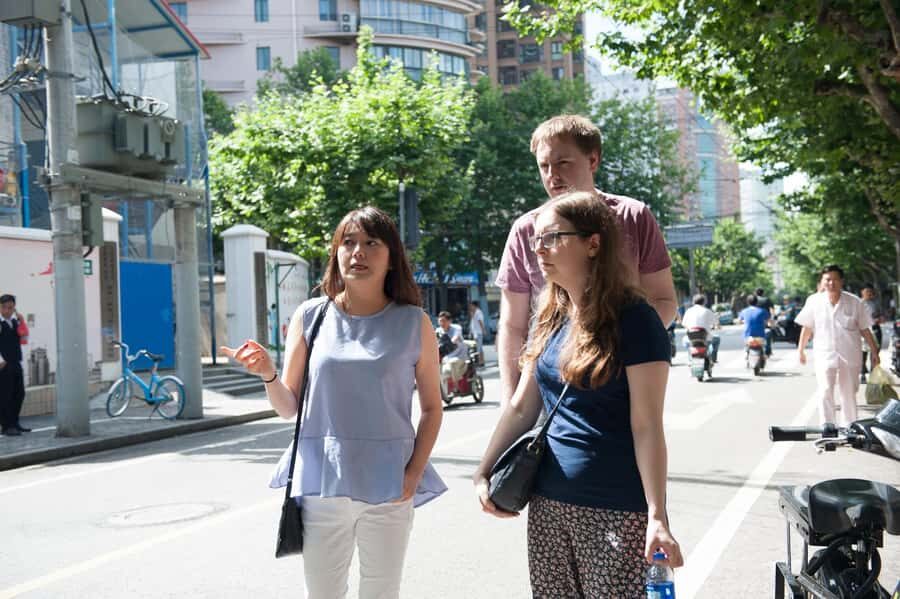
This day is built around one clever idea: show you Beijing by public transportation. Instead of bouncing in a private vehicle from one landmark to the next, you’ll learn the rhythm of the city—metro stations, bus windows, crowds, and all. For many first-time visitors, that’s the biggest value. Once you understand the basics, you can keep exploring on your own afterward.
The tour also keeps the best of private travel. You’re not sharing a guide with strangers, and you can ask questions in real time. Past guests highlight guides who answer everything from history to practical how-do-I-do-this questions. If you’re the type who likes to understand what you’re looking at—rather than just see it—this setup works.
You can also read our reviews of more city tours in Beijing
Price and value: what $110 really buys
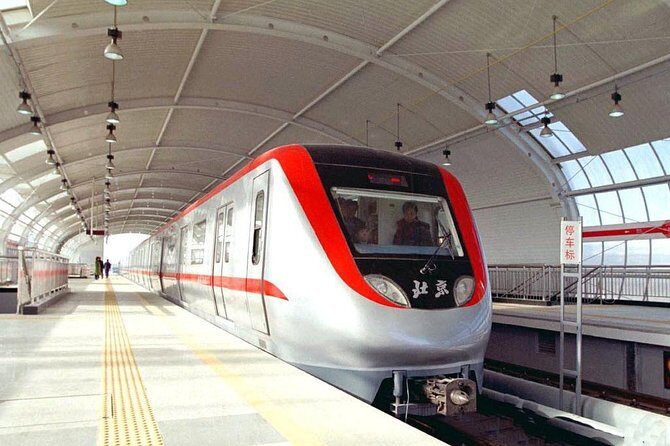
At $110 per person, the cost can feel like a lot—until you line up what’s included. This price covers hotel pickup, public transportation costs, a private English-speaking guide, and entrance fees for the included sights. That combo matters in Beijing, where entry ticket lines and timing can easily swallow a half day of your energy.
What’s not fully included is where you’ll want to plan ahead:
- Food and drinks are on you.
- Some additional entrance fees inside the Forbidden City may apply for inner major sites.
- There’s no hotel drop-off, so you’ll return via public transport with the guide.
So think of the price as paying for coordination plus guide-led entry, not just transportation. If you were trying to assemble this yourself—metro routes, ticket timing, and guide interpretation—you’d likely spend more in time and stress.
A 8:30 pickup and mobile tickets that keep things moving
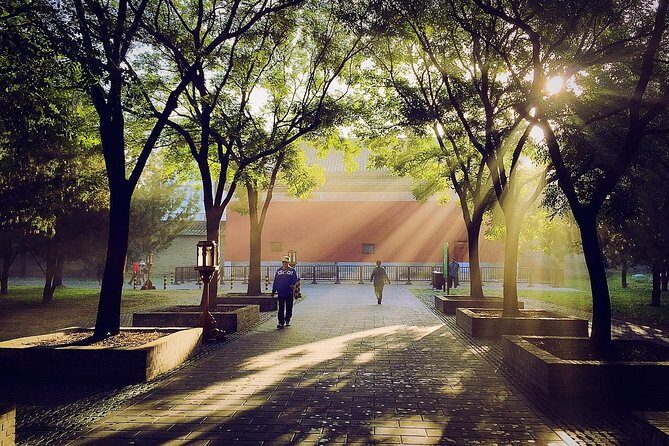
You’ll be ready for pickup around 8:30 a.m. If you’re staying near transit, that often makes the start easier, since the tour is designed to begin with bus and metro routes. Expect a straightforward morning: meet your guide, then head to the first stop.
You’ll also use a mobile ticket for entry. That’s convenient, but you should treat it like a “real ticket,” meaning keep your phone charged and accessible. Bring your passport name and number for advance Forbidden City entry ticketing. It’s one of those details that can quietly make or break your smooth entry.
Stop 1: Temple of Heaven grounds and the locals’ morning routine
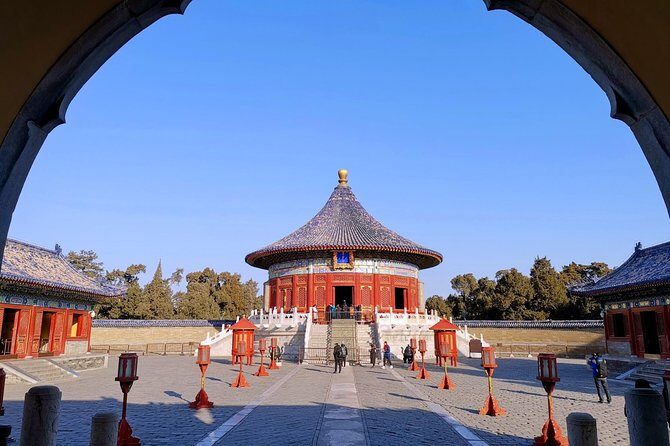
The Temple of Heaven is a strong first stop because it feels alive early. This site is holy and historic, but it’s also a place locals use. You’ll see people doing morning exercises on the grounds, which gives you a quick sense that this isn’t only a museum space. It’s part of daily Beijing life.
The tour starts with the outer experience—then moves through key buildings. Plan for some walking on flat ground, plus extra steps if you want photos. In the heat of summer, this part can be surprisingly tiring, even before the bigger crowds arrive later.
One more reason this stop works: it sets up the rest of the day. The Temple of Heaven is tied to imperial ideas about heaven and earth, and that theme helps you understand why the Forbidden City was designed the way it was.
Stop 2: Hall of Prayer for Good Harvest and the altar symbolism
Inside the temple area, you’ll visit the major structures tied to ritual. The Hall of Prayer for Good Harvest is the big draw. In the tour flow, it comes with context—what each important building was for, and why it mattered.
You’ll also have time at the Circular Mound Altar (Yuanqiutan). This three-tiered circular platform is made of white marble, and the symbolism is the point: ancient Chinese belief that heaven is round and earth is square. It’s the kind of detail that’s easy to miss when you’re touring alone, but it makes your photos more meaningful.
The Echo Wall and Hall of Imperial Zenith fit here too, adding a more nuanced view. The Echo Wall is described as a smaller but elegant “rest stop” style building served by emperors before the big harvest prayer ceremony. It’s a reminder that imperial life had pauses and rhythms, not just big speeches and grand halls.
You can also read our reviews of more private tours in Beijing

Stop 3 and the walking rhythm: photos, pacing, and shade
This tour has a simple flow—transit, site, transit, site—but the pacing is what you’ll feel most. You’ll have set time blocks at each stop, which helps, but Beijing timing can still be variable because of crowds and security checks later.
One practical tip: build in breaks even if the tour schedule feels tight. In warmer months, plan for sun exposure. One prior group note was that the full day can add up to over 15 km of walking in summer. That doesn’t mean you’ll walk 15 km nonstop—it means you should wear shoes that can handle a lot of steps without punishment.
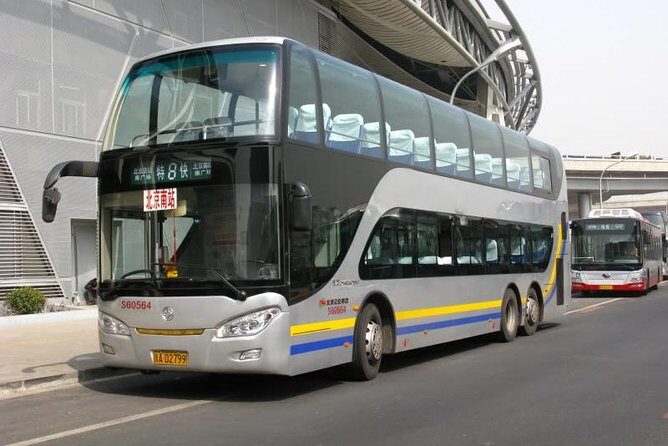
Also, expect “bus-with-the-locals” moments. The double-decker bus segment to Tian’anmen Square can feel like a bit of a squeeze, since you’ll be mixing with regular commuters.
Tian’anmen Square by double-decker bus: the history is real, the logistics are too
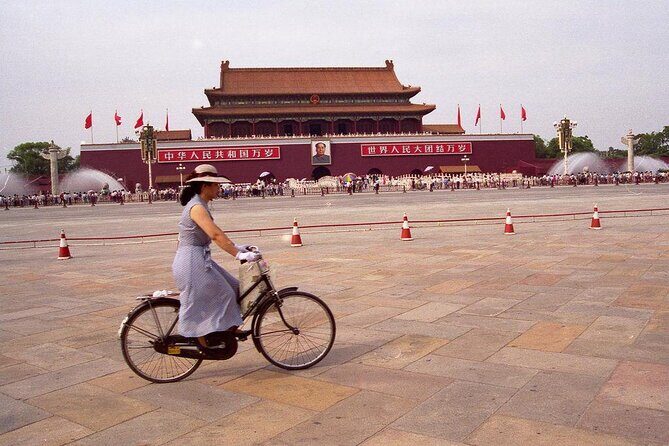
Tian’anmen Square is free, and it’s also one of the most secure public spaces on earth. The tour takes you there after the Temple of Heaven, reaching the area via double-decker bus.
Here’s what you should know before you go:
- Security checks are strict.
- If waiting exceeds 1 hour, the tour guidance suggests an alternative: taking a bus past the square.
- The square may close unannounced due to government activities. If that happens, it will be skipped with no refunds since the square itself is free.
In other words, don’t plan your whole trip around standing in the exact spot on the exact minute. This tour is built to handle the reality on the ground, but you should still keep your expectations flexible.
Despite the logistics, the stop is valuable because it gives historical context. Your guide’s commentary connects the square’s role in national identity with what you’re seeing around you, so it’s not just a wide-open space in your camera.
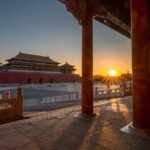
Forbidden City entry and the “what you’ll actually see” advantage
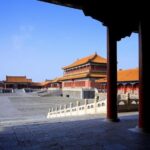
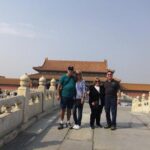
The Forbidden City (Palace Museum) is where the day earns its legend. You’ll enter as part of the timed tour plan, and the guide helps you focus on what you can realistically absorb in a limited afternoon.
The tour includes major halls and inner-court highlights, including:
- Hall of Great Harmony (Taihe Dian) plus related major halls like Central Harmony and Preserving Harmony
- Palace of Heavenly Purity, then Hall of Union and Hall of Earthly Tranquility
- A final stop at the Imperial Garden
A practical note: this is one of those places where you can easily get lost in “I’ll just wander until closing.” The value of this tour is that you see key buildings in a logical sequence, so you don’t leave with only a vague sense of walls and roofs.
If you want a deeper catalog of inner sites, check expectations about tickets. The tour includes entrance fees, but there may be additional entrance fees inside the Forbidden City for certain inner major attractions. Budget a little flexibility, and you won’t feel surprised mid-visit.
Inside the halls: why the order matters
The order of the Forbidden City stops isn’t random. Moving from the big ceremonial halls into the inner court helps you understand imperial structure: public power first, then domestic/ritual spaces.
When you’re at Hall of Great Harmony, you’re seeing the most prestigious ceremonial setting—huge scale, strong symmetry, and a clear sense of rule-by-design. Then the inner court stops at Palace of Heavenly Purity shift your lens. You’ll get a guided explanation of the emperor and empress world and the life implied by those spaces.
This is where a great guide can change the entire experience. Past guests singled out guides such as Roy Li, Alice, and Coco for giving straight answers and not rushing people. That matters in the Forbidden City, where crowd pressure can force you through too quickly if the guide is impatient.
How the 5–6 hours really feel (and how to prepare)
The stated duration is about 5 to 6 hours, and that’s realistic—if you’re mentally ready for movement. You’ll combine metro/bus rides with multiple timed stops inside major sites. It’s not an all-sitting tour.
Your biggest energy drain will be:
- Walking within the Temple of Heaven grounds
- Waiting and moving during Tian’anmen Square security
- Stair-and-courtyard wandering inside the Forbidden City
Bring water if you can within the day’s plan (food isn’t included). And dress for the weather since the tour runs in all conditions. Comfortable shoes are not a suggestion here.
Public transport skills you can use the next day
This is one of the reasons I like this tour for repeat value. After you ride metro and bus with a guide, you’ll come away with working knowledge. It’s the difference between reading about lines on a map and actually recognizing where you need to stand, where to tap, and how to transfer.
One of the most praised aspects from earlier guests was how they found public transport easy once they did it with the tour group first. For you, that can mean fewer taxis later and more spontaneous exploring—especially in a city as big as Beijing.
What kind of traveler should book this?
This tour fits best if you want:
- Major Beijing sights in one day without a private car bubble
- A guide who can explain what you see as you go
- Practical learning about using metro and bus
It may not fit if you hate crowds and security lines, since Tian’anmen Square can be unpredictable. Also, if you need low-walking days, this one probably won’t feel right.
It’s a great first-day option because it covers the classics and teaches you transit confidence early. That’s especially helpful if you plan to revisit areas later on your own.
So, should you book it?
If you’re comfortable with walking and you like the idea of learning Beijing’s transit rhythm, this tour is a strong choice. The big win is the blend of private guidance with public transport reality, plus entrance coverage that helps you avoid wasting time.
Book it if you want the classics with context and you’re okay with some on-the-ground uncertainty at Tian’anmen Square. Skip it only if you’re extremely sensitive to long security waits or you’d rather control every minute with a car.
FAQ
How long is the tour?
The tour runs about 5 to 6 hours.
What time is pickup?
Pickup is around 8:30 a.m. from your Beijing hotel.
Is the tour really on public transportation?
Yes. You’ll travel by bus and metro, including a double-decker bus ride to Tian’anmen Square.
What is included in the price?
The price includes hotel pickup, public transportation costs, a private English-speaking guide, and entrance fees for the included stops.
Are tickets inside the Forbidden City fully covered?
Entrance fees are included, but there may be additional entrance fees inside the Forbidden City for inner sites of major attractions.
Do I need my passport details in advance?
Yes. You must provide passport name and number at booking for the Forbidden City entrance ticket arranged in advance.
What happens if Tian’anmen Square is closed?
The square may close unannounced due to government activities. If it closes, it will be skipped with no refund since the square itself is free.
What should I wear and bring?
Wear comfortable walking shoes and dress appropriately for the weather. The tour operates in all weather conditions.
Do I need ID requirements if I am a Chinese citizen?
If you are a Chinese citizen (including Hong Kong, Macau, and Taiwan), you need to book at least 7 days in advance, submit your Chinese name and ID number, and present the ID on the tour day.