REVIEW · NANJING
Private Nanjing China Tours
Book on GetYourGuide →Operated by 阿里巴巴国际旅行社(北京)有限公司上海分公司 · Bookable on GetYourGuide
Ming sites, all in one day. This private Nanjing experience is built around Purple Mountain big-name history, with just enough flexibility to enjoy the views instead of rushing. You’ll move from royal tombs to education-and-philosophy landmarks, then end with an easygoing riverside evening vibe.
I especially like the Ming City Wall walk from an ancient gate up onto the wall. I also love how the day pairs two monumental mausoleums: Sun Yat-sen at Zhongshan Ling and Zhu Yuanzhang at Xiao Ling, so you see modern revolution and dynastic power side by side.
One drawback to plan for: admission tickets for the sights aren’t included, so your final cost depends on what you choose to pay at each stop. Also, expect a fair amount of outdoor walking, so comfortable shoes matter.
In This Review
- Key highlights to look forward to
- City Wall Gate Walk: Ming Dynasty Views with a Human Pace
- Purple Mountain Mausoleums: Zhongshan Ling and Xiao Ling in One Sweep
- Zhongshan Ling: Sun Yat-sen’s mausoleum park
- Xiao Ling: Zhu Yuanzhang and the Ming Dynasty’s scale
- Confucius Temple (Fuzimiao): Why Philosophy Still Shows Up in Daily Life
- Qinhuai River Evening: Lantern Streets and the Optional Boat Ride
- Nanjing Museum Stop: Neolithic Treasures Before the Empires
- Price and Logistics: Is $451 Per Group Good Value?
- What the 8 Hours Feels Like on the Ground
- Who This Tour Fits Best (And Who Might Want Something Else)
- Should You Book Private Nanjing China Tours?
- FAQ
- How much does the private Nanjing tour cost?
- How long is the tour?
- What sites will we visit?
- Are admission tickets included?
- Where do you get picked up?
- Can I choose the departure time?
- Is the tour private and how big is the group?
- Is it wheelchair accessible and what languages are offered?
Key highlights to look forward to
- City Wall gate-to-wall walk that gives you real Ming Dynasty scale, not just photos from ground level
- Zhongshan Ling (Sun Yat-sen) + Xiao Ling (Zhu Yuanzhang) in one tight, well-organized day
- Confucius Temple (Fuzimiao), built in the Song Dynasty and tied to how Chinese society shaped education and government
- Qinhuai River evening stroll with lantern-lit streets and an optional colorfully decorated boat ride
- Nanjing Museum Neolithic collection, a chance to see what life looked like before the empires
City Wall Gate Walk: Ming Dynasty Views with a Human Pace
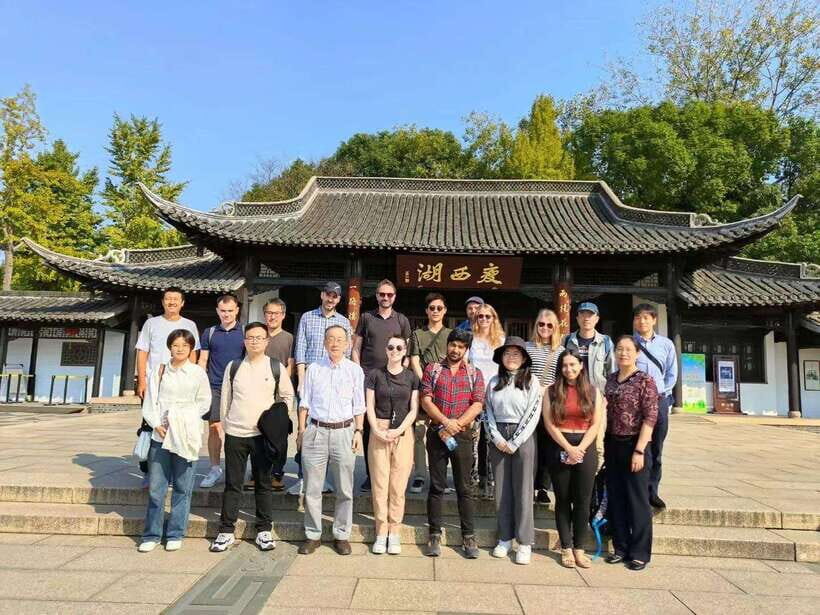
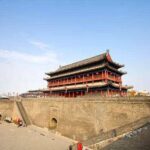
Nanjing has a way of showing history in layers, and this day starts with a classic Ming-era angle: walking from an ancient gate up toward the City Wall of the Ming Dynasty. You’re not just looking at a landmark from afar. You’re moving along it, which changes what the wall feels like—taller, longer, and more defensive than you’d guess from pictures.
The nice part is the pacing. Because this is a private-style day (you and your group, with an English-speaking driver-guide), you can slow down when the views are good or speed up when you’re eager to get to the next stop. That matters on a one-day itinerary where there’s a lot to fit in.
Practical tip: wear shoes you trust. Even if the walk is comfortable, you’ll likely be on uneven stone and paths that don’t forgive poorly chosen footwear.
You can also read our reviews of more private tours in Nanjing
Purple Mountain Mausoleums: Zhongshan Ling and Xiao Ling in One Sweep
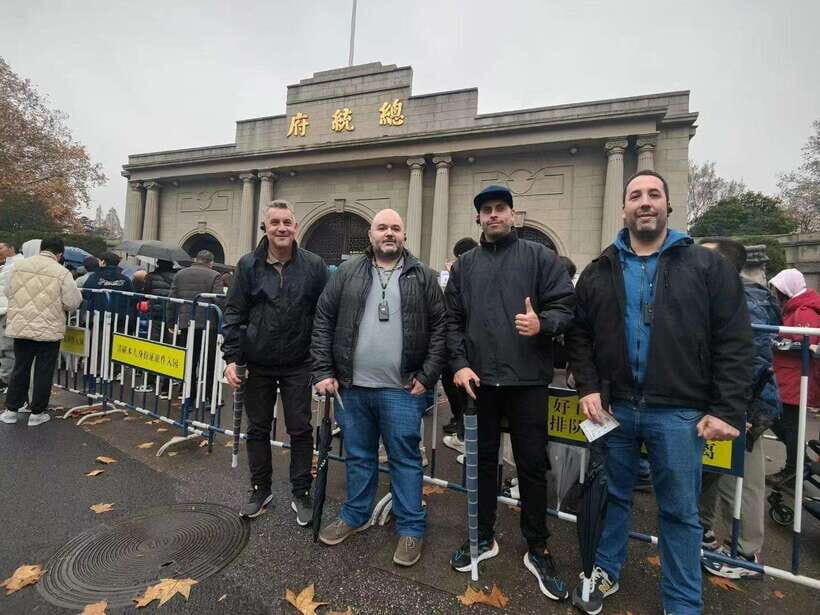
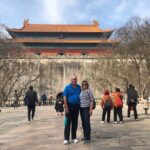
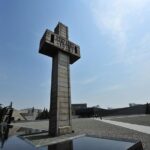
After the wall, the day focuses on Purple Mountain (Zijinshan), which is essentially Nanjing’s history headline. This is where major leaders and emperors are laid to rest—including Zhu Yuanzhang, the founder of the Ming Dynasty, and Sun Yat-sen, often called the Father of the Republic of China.
What I like about pairing Zhongshan Ling and Xiao Ling is that they tell two different stories that shaped China in very different ways.
Zhongshan Ling: Sun Yat-sen’s mausoleum park
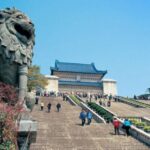
Zhongshan Ling sits at the foot of Purple Mountain. It’s described as the mausoleum park of Sun Yat-sen, leader of the Chinese revolution that ended the long feudal monarchy system. If you’ve ever visited the Lincoln Memorial in Washington, D.C., the comparison is meant to help you understand the tone: this is a monumental public memory space, not just a grave site.
You’ll be looking at a designed landscape—greenery, halls, and pathways arranged to communicate importance and respect. It’s also a good place to pause and think about how political change gets turned into architecture.
Xiao Ling: Zhu Yuanzhang and the Ming Dynasty’s scale
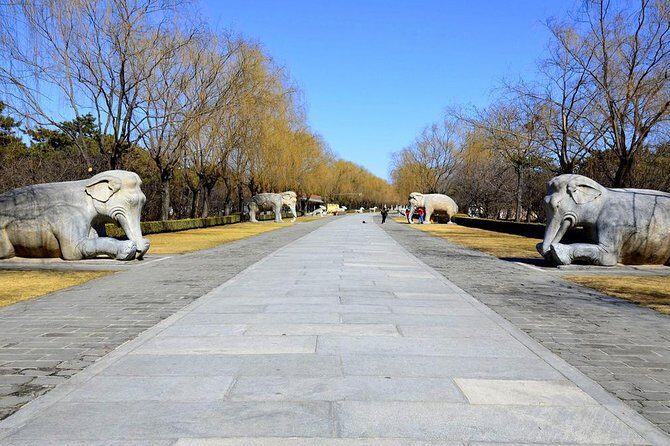
Then comes Xiao Ling, the tomb near Zhongshan Ling of Zhu Yuanzhang, the man who united China and established the Ming Dynasty. The site covers over 1,700,000 square meters, and the big takeaway is that it feels like a whole complex—palaces, temples, and gardens—more than a single structure.
The effort behind it is also part of what you’re seeing. It’s said to have taken 25 years and involved over 100,000 workers. Whether you’re a history nerd or just someone who likes impressive places, that kind of scale changes how you read the grounds. You start noticing the layout and how later mausoleums (Ming and Qing) were influenced by Xiao Ling’s style.
I also appreciate that the mausoleums are treated as meaningful culture, not a checklist stop. Your guide’s job here is to connect what you’re standing in front of to why it matters.
Confucius Temple (Fuzimiao): Why Philosophy Still Shows Up in Daily Life
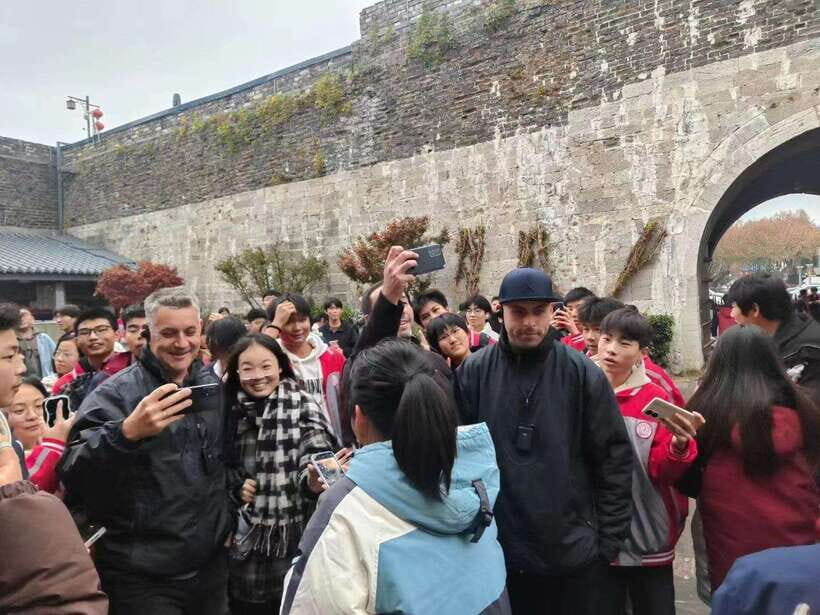
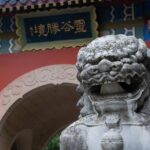
Next up is Confucius Temple (Fuzimiao), originally built in the Song Dynasty about 1,000 years ago. This matters because Fuzimiao isn’t just a pretty old building. It’s tied to worship and education—an early attempt at putting ideas into public practice.
Here’s the real value for you: Confucian thought shaped how Chinese society organized relationships, schooling, and even government attitudes. Visiting Fuzimiao gives you a physical place to connect those concepts to.
In a private format, you can ask questions more naturally. If you’re curious about how Confucianism affected daily life—like how people thought about learning, roles, and responsibility—this stop is a strong payoff. You won’t need a textbook. You’ll just need time and a guide who can translate the meaning, not only the facts.
Qinhuai River Evening: Lantern Streets and the Optional Boat Ride
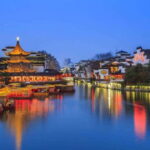
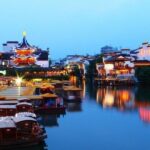
After the temple, the itinerary shifts to the Qinhuai River area, which runs through Nanjing and is the kind of place that shows up again and again in poems and history books. Today it’s known for a pedestrian zone with shops, street food, and souvenir sellers gathered along the river lanes.
Even if you’re not a shopping person, the atmosphere is the point. Red lanterns, lights at night, and that slow wander pace make this a nice contrast to the formality of the mausoleums and temples earlier in the day.
There’s also an optional activity: a colorfully decorated boat ride. If your schedule and energy allow it, it’s one of those low-effort add-ons that turns the night into something you’ll remember.
One practical note: if you plan to stay for dinner here, ask to be dropped off at the Qinhuai River area for extra time. Otherwise, you’ll likely head back to your hotel after the guided portion.
Nanjing Museum Stop: Neolithic Treasures Before the Empires
The highlights call out the Nanjing Museum with a focus on the Neolithic Age, which is a smart move for a one-day schedule. It changes your viewpoint. After seeing imperial power and philosophical institutions, you get a chance to ask a different question: what life looked like long before dynasties turned everything into court politics and mausoleum plans.
Even without going deep into details, this stop helps you feel the timeline. You stop thinking of Nanjing as only “the emperor city” and start seeing it as a place with a longer human story.
If you like museums, this is also where your guide can be especially helpful—turning museum objects into clear explanations rather than leaving you to decode labels alone.
Price and Logistics: Is $451 Per Group Good Value?
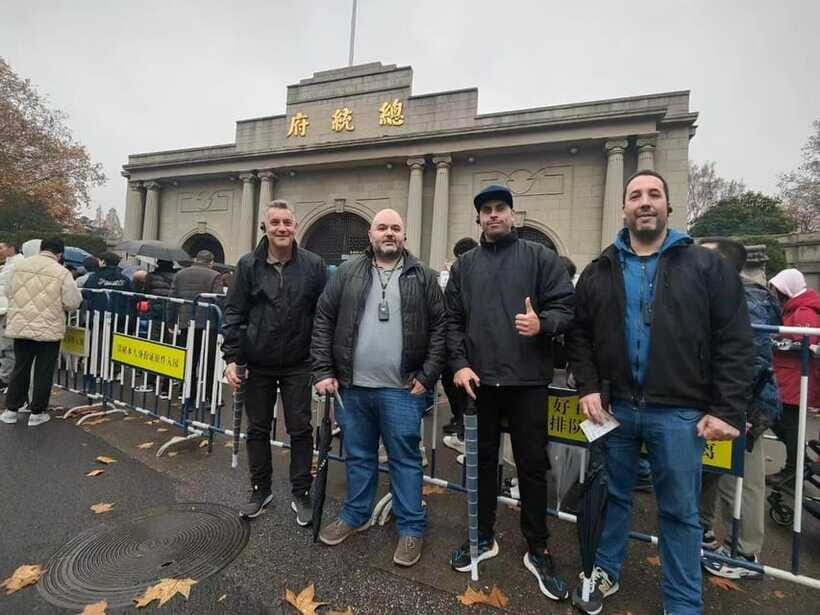
The headline price is $451 per group up to 6 for an 8-hour day. That’s the kind of pricing that can work really well if you’re traveling with family or friends. In other words, you’re not paying the same rate multiple times. You’re buying one private, English-speaking team for the day.
You’ll also want to understand what’s included versus what’s not:
Included in the day:
- A professional licensed English-speaking driver-guide
- Car transfers as listed in the route
- A private group structure
- An itinerary built for an enjoyable pace
Not included:
- Admission tickets for attractions
- Meals and accommodation
- Flights or trains to and from Nanjing
- Personal expenses
There are also vehicle notes tied to group size: a minibus with English-speaking driver and guide is described with seat options (5 seats at 360 USD, 7 seats at 400 USD). Since the final group price is stated as $451 for up to 6 people, the takeaway for you is simple: confirm how your vehicle option maps to your group size so you feel confident you’re paying for the right setup.
My practical take: the value is strongest when you care about context and pacing. If you want a tour that reduces decision fatigue—where you’re not figuring out transport, timing, and explanations—this format earns its cost.
What the 8 Hours Feels Like on the Ground
This day is packed, but it’s not described as frantic. Pickup is from your hotel, then you start with the wall walk and move through Purple Mountain mausoleums, Confucius Temple at Fuzimiao, and the Qinhuai River evening area.
Because it’s private, you can adapt a bit:
- If you’re slower at walking, your guide can help manage the flow.
- If you want more time at the river for dinner, you can ask to be dropped at Qinhuai rather than returning immediately.
The biggest factor that affects your experience will be comfort:
- Bring comfortable shoes
- Bring cash (useful for small purchases and situations where cards might not be accepted as smoothly)
- Consider comfortable clothes for outdoor walking
And since it’s a guided day, you’ll be relying on your guide’s ability to set a clear narrative—especially at Xiao Ling, where scale and layout can be hard to interpret on your own.
Who This Tour Fits Best (And Who Might Want Something Else)
This tour is a great fit if you want Nanjing’s most famous themes in one go:
- Imperial sites on Purple Mountain
- Confucian culture at Fuzimiao
- A classic river atmosphere at Qinhuai
- A museum stop that reaches back to the Neolithic Age
It’s also ideal if you want control over timing. The departure is listed as any day and any time you want, which helps if you’re mixing this with other Nanjing plans.
You might consider a different format if:
- You prefer to travel completely self-guided with no scheduling
- You hate museums or outdoor walking
- You want meals included (this day does not include them)
Should You Book Private Nanjing China Tours?
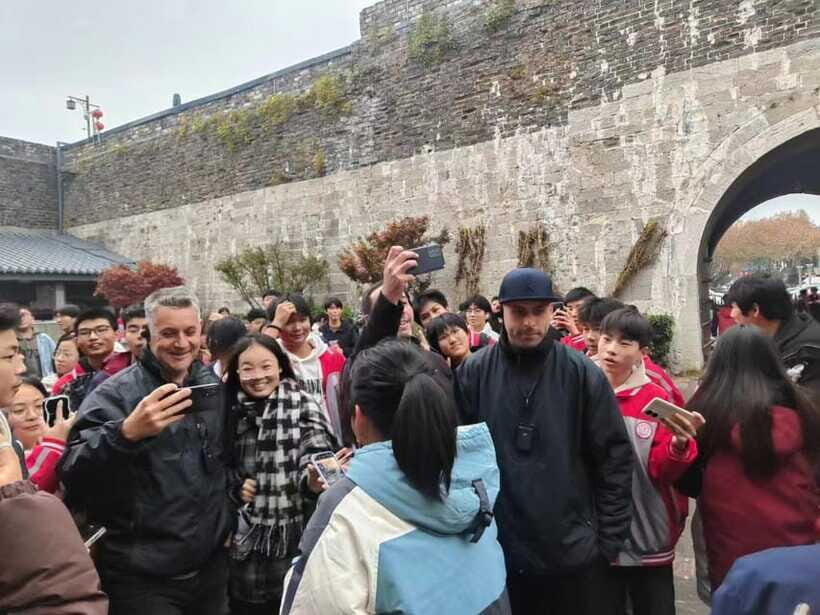
If you want a one-day Nanjing plan that feels coherent—not random stops—this is worth serious consideration. The strongest reason to book is the way it layers meaning: Ming power at Xiao Ling, revolutionary history at Zhongshan Ling, philosophy at Confucius Temple, and a night atmosphere at Qinhuai River, plus the long timeline of the Neolithic collection in the museum.
At the same time, budget for admission tickets and be realistic about walking time. The day is built to be enjoyable, but you still need sturdy shoes and the willingness to spend time outdoors.
If your group is up to 6 people and you value an English-speaking licensed guide who can connect what you see to why it matters, this private Nanjing tour is a solid, practical choice.
FAQ
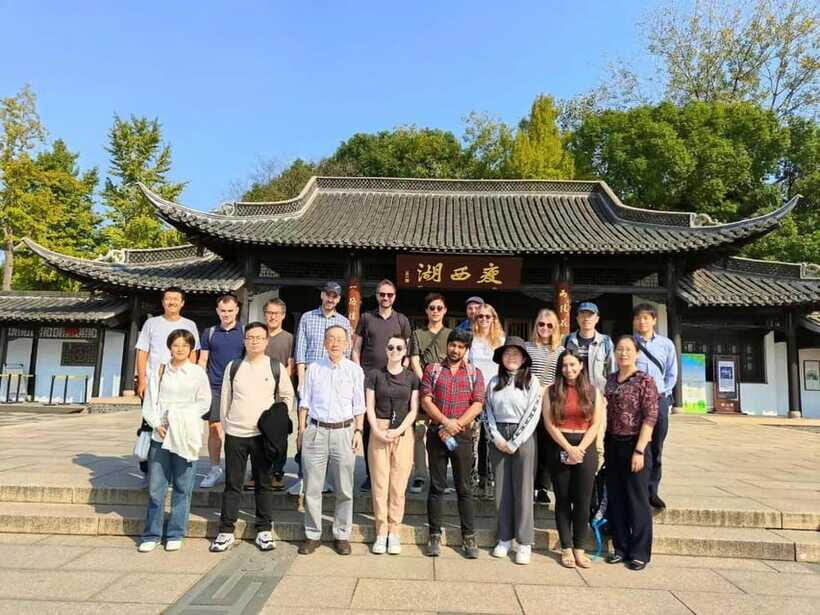
How much does the private Nanjing tour cost?
The price is listed as $451 per group (not per person) for up to 6 people.
How long is the tour?
The duration is 8 hours.
What sites will we visit?
You’ll walk the Ming Dynasty City Wall from an ancient gate, visit the Sun Yat-sen mausoleum area at Zhongshan Ling, visit Zhu Yuanzhang’s tomb area at Xiao Ling, see Confucius Temple at Fuzimiao, explore the Qinhuai River area, and also focus on Neolithic Age exhibits at Nanjing Museum.
Are admission tickets included?
No. Admission tickets for the attractions are not included.
Where do you get picked up?
You are picked up from your hotel, then the tour starts with the Nanjing route.
Can I choose the departure time?
Yes. Departure is listed as any day and any time you want.
Is the tour private and how big is the group?
It’s a private group. You can travel with your family, friends, or your own group.
Is it wheelchair accessible and what languages are offered?
It is wheelchair accessible. The tour offers live guidance in English, Chinese, French, and Spanish.