REVIEW · SHANGHAI
Private Walking Tour in the Former French Concession
Book on Viator →Operated by Shanghai Melody Tours · Bookable on Viator
Shanghai’s story hides in courtyards. This walking tour of the former French Concession delivers Art Deco street scenes with real history context, plus that calm, personal-guide feel that helps the area click. My only real caution: it’s a true city-walk (about 3 hours minimum), so comfortable shoes matter.
You get to choose a 10am or 2pm start, meet your guide at your hotel lobby, then stroll at a relaxed pace through standout landmarks like the Lanxin Theatre, Cathay Mansion, the Sun Yat-sen residence museum, and Fuxing Park. I like that it mixes architecture with China’s modern story from roughly the mid-1800s through the mid-1900s, so you’re not just staring at buildings—you’re understanding why they look the way they do.
In This Review
- Key Highlights You’ll Notice Fast
- The Former French Concession Walk: Why This Area Makes Sense
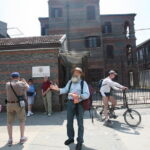
- Your Guide Meets You at the Lobby and Keeps the Pace Human
- Okura Garden Hotel: The Former French Club Interior Style
- Lanxin Theatre: Shanghai’s First Western-Style Stage
- Cathay Mansion and the Sassoon Connections
- King Albert Apartment (Royal Garden): Expat Life Hidden Between Streets
- Sun Yat-sen’s Former Residence: Revolution Meets Street Life
- St. Nicholas Church: Russian Orthodox Footprints in Shanghai
- Fuxing Park: French Garden Design, Then and Now
- Optional Tea House Break: Rest Without Losing the Thread
- Price and What You’re Actually Paying For
- Who This Tour Fits Best
- A Word on the Guides: English + Storytelling Quality
- Should You Book This Private Walking Tour?
- FAQ
- How long is the tour?
- What time does the tour depart?
- Is hotel pickup included?
- Are entrance fees included?
- Do I need to bring comfortable shoes?
- Is a tea house visit included?
- What is the maximum group size?
- Does the tour run in bad weather?
- Is it suitable for children?
- What is the cancellation window?
- Is the tour fully private?
Key Highlights You’ll Notice Fast
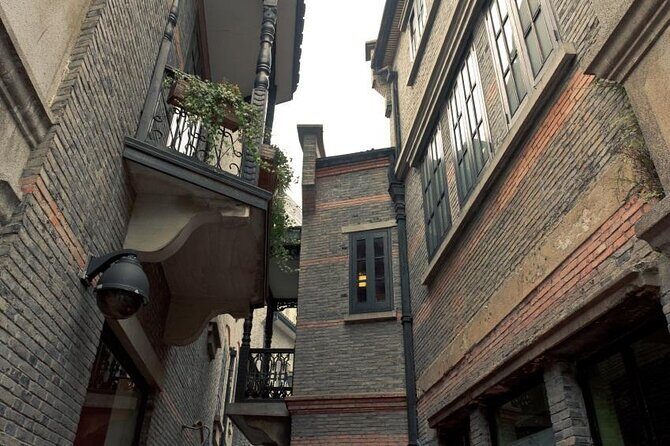
- Art Deco landmarks like Lanxin Theatre and Cathay Mansion, with clear explanations of what to look for
- Hidden courtyards and “in-between” streets, including the King Albert Apartment (Royal Garden)
- Sun Yat-sen’s former residence as a turning point from concession-era Shanghai to revolutionary history
- St. Nicholas Church—a small but delicate Russian Orthodox footprint from the 1920s
- Fuxing Park’s French-style garden with morning exercises and evening social life
- Optional tea house stop, useful if you want a break without killing your momentum
The Former French Concession Walk: Why This Area Makes Sense
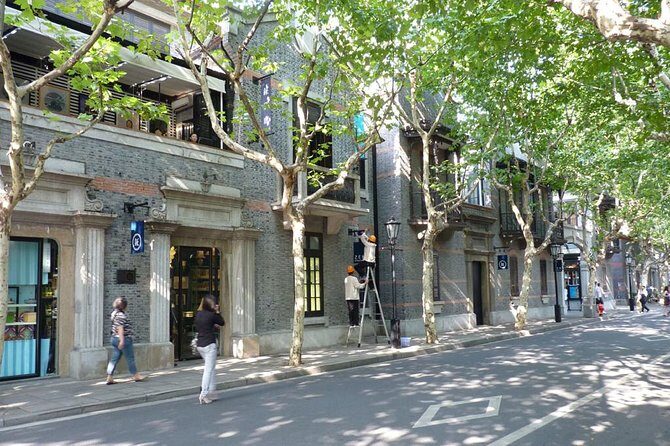
Shanghai can feel like speed. This tour slows you down on purpose. The former French Concession is one of the city’s easiest places to “read,” because the architecture and street layout still show layers of foreign presence, local adaptation, and later political change.
What makes this walk work is the mix. You’re not only visiting pretty facades. You’re connecting design choices and street life to the big historical movements behind them. That’s especially helpful if this is your first serious taste of modern China history. Your guide is there to connect the dots in plain, practical language, and the pace is built for wandering—stop, look, ask, then move on.
You can also read our reviews of more walking tours in Shanghai


Your Guide Meets You at the Lobby and Keeps the Pace Human
The tour starts with pickup from your hotel lobby and then transitions to the sights. Departure times are 10am or 2pm, and the walking portion is built around about 3 to 3.5 hours.
A key practical point: this is designed for people who can comfortably walk around the center of Shanghai for that stretch. It’s not a sit-and-watch. You’ll likely be on your feet most of the time, including short transit legs between stops.
This “small-group” setup is also part of the value. The max group size is 10 people per booking, which means the guide can actually answer questions and adjust the rhythm. I’ve seen the difference this makes with hands-on sightseeing: when you can ask follow-ups on why a building looks French, or how a Russian church ended up here, the whole tour stops being generic.
Okura Garden Hotel: The Former French Club Interior Style
You begin near the Okura Garden Hotel, which was once the French club. Even if you’ve only got a short look at the lobby, it’s a helpful introduction. The lobby in the eastern part is known for showing French classical style inside, which sets expectations for what you’re about to see outside: elegant lines, formal design language, and that “this was built for expatriates” feeling.
What I like about starting here is that it teaches your eye. Before you hit the more famous landmarks, your guide helps you notice details that are easy to miss on your own—shape, proportion, and the way these spaces were designed to signal status.
Lanxin Theatre: Shanghai’s First Western-Style Stage
Next up is the Lanxin Theatre, described as the first western-style theatre in Shanghai. A theatre is more than a building here. It’s a clue to how entertainment, public culture, and western institutions took root in the city.
Look for the contrast between the concept (a western-style performance venue) and the setting (a neighborhood that otherwise feels like Shanghai). Your guide ties this to the larger timeline of how different communities lived side by side, and why cultural institutions landed here when they did.
If you care about architecture, this is a good stop because it’s specific: it’s not just “a theatre,” it’s a first-of-its-kind reference point in Shanghai’s modern story.
Cathay Mansion and the Sassoon Connections
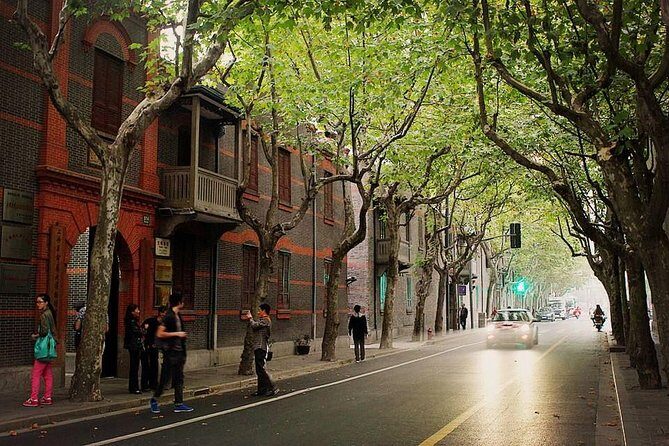
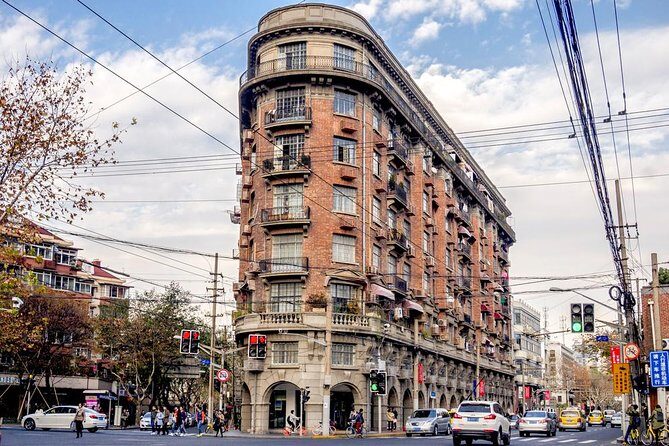
The tour then moves to Cathay Mansion, historically linked to the Sassoon family and known for hosting distinguished guests worldwide since the 1950s. It’s also a classic Art Deco stop, which makes it a great photo target.
Here’s where the tour becomes genuinely useful for first-timers: you’re not only admiring the style. You’re learning how international business networks, migration, and social prestige shaped what got built. The building becomes a timeline marker.
One practical tip: Art Deco can look “samey” if you don’t know what to look for. Ask your guide what details they pay attention to—window patterns, entrance shape, and the way the facade is composed. That kind of quick coaching pays off for every photo you take after.
You can also read our reviews of more private tours in Shanghai




King Albert Apartment (Royal Garden): Expat Life Hidden Between Streets
The King Albert Apartment, also known by the name Royal Garden, was built by a French Catholic church for expatriates living in Shanghai. What makes this stop especially memorable is the way it’s described: a living community now hidden between two busy narrow streets.
This is exactly the kind of place where a guide earns their fee. From outside, you might not suspect you’re looking at a whole residential world tucked away from the traffic. You get a clearer sense of how expat life worked in practice—semi-private, community-focused, and designed with its own internal logic.
If you like “Shanghai in layers,” this is one of your best stops. You’ll see how the city can change around something without erasing what was originally built there.
Sun Yat-sen’s Former Residence: Revolution Meets Street Life
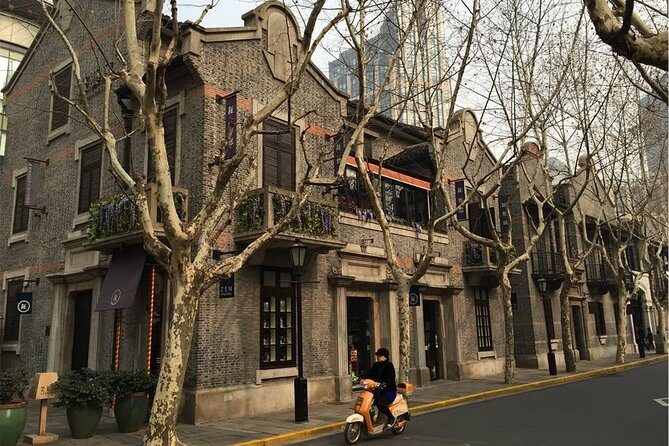
Then comes one of the most important cultural pivots of the whole walk: the former residence of Dr. Sun Yat-sen, a museum of China’s revolutionary history.
This is valuable because it anchors everything you’ve been seeing in the bigger story of modern China. The former French Concession isn’t isolated history—it’s part of the environment where China’s early modern movements played out. A museum stop also gives you a chance to slow down mentally and connect the physical city to the political history your guide is explaining.
A good strategy: when you arrive at the museum, ask your guide for the “one sentence takeaway” about Sun Yat-sen’s role in modern China. You’ll understand the exhibit better without feeling lost in dates.
St. Nicholas Church: Russian Orthodox Footprints in Shanghai
At St. Nicholas Church, you’ll find an Orthodox church built by Russian expatriates in the 1920s. The church is described as small but delicate, and that’s a good clue for how to approach it.
Because it’s not huge, don’t treat it like a checklist landmark. Take a few minutes to notice the details your guide points out—how it feels different from the surrounding architecture, and what that reveals about the variety of foreign communities present in that era.
If you’re the kind of traveler who likes “why did this appear here,” this stop will land well. It’s a reminder that the French Concession wasn’t only French. It was a crossroads.
Fuxing Park: French Garden Design, Then and Now
The tour ends—or at least strongly centers itself—on Fuxing Park, described as the only French-style garden in the country and a space that has changed a lot over the past 100 years.
This is where the tour shifts from history to lived Shanghai. Your guide helps you see Fuxing Park in two moods:
- In the morning, it’s popular for seniors’ exercises
- In the evening, it turns into a social zone with party energy and KTV-style gatherings
That “then and now” blend is why Fuxing Park works on a walking tour. It’s not just heritage. It’s active public space, and watching how people use it tells you more than any photo can.
If you want to extend your afternoon after the tour, Fuxing Park is a strong place to do it. Your guide can also help point you toward nearby neighborhoods worth wandering at your own pace.
Optional Tea House Break: Rest Without Losing the Thread
There’s an option to visit a tea house. This is one of those “small add-ons” that can make the tour feel easier on your body, especially if you’re doing a few other sights that day.
If you’re tired, take the tea stop. If you’re not, you can usually use that time to ask your guide any lingering questions about what you just saw—architecture meaning, historical timeline, or what to explore next.
Even without the tea, your guide is typically good at maintaining a comfortable flow so the walk stays enjoyable rather than exhausting.
Price and What You’re Actually Paying For
The tour costs $95 per person and is typically booked about 13 days in advance on average. The duration runs about 3 to 3.5 hours, and the group size is capped at 10.
Here’s why it can still be good value: the tour includes entrance tickets, an English-speaking guide, and hotel pickup. When you factor in that you’re learning the meaning behind the landmarks (not just visiting them), the price starts to feel fair for a short half-day.
One thing to confirm before you go: the tour mentions transportation to attractions, but it also notes that taxi or public transportation may be at your own cost depending on the leg. In practice, you’ll want to ask your guide or the operator how transport is handled for your specific route so you’re not surprised.
At a glance, this is best treated as an all-in city experience for history and architecture, not a low-cost “walk on your own” alternative.
Who This Tour Fits Best
This is ideal if you:
- Want a guided way to understand the former French Concession without getting stuck translating everything
- Like architecture with context, especially Art Deco and related styles
- Prefer a small group with time for questions
- Are comfortable walking for about half a day
It’s also a smart first-choice tour if Shanghai is new to you and you want the city’s layers explained in a simple way. If you’re traveling with kids, it can work because the tour is described as suitable for children who are accompanied by an adult, and guides often explain in a way that kids can follow.
If your walking stamina is limited, you’ll want to consider pace carefully and plan rest breaks.
A Word on the Guides: English + Storytelling Quality
The tour’s success often comes down to the guide. Names that have been highlighted include Penny Pung, Maggie, Kelly, and Lily, and the common thread is clear English plus a strong grasp of how the area fits into modern China.
The best part is how the guide uses stories to make buildings readable. You’re not stuck with dates only. You’re learning why a theatre mattered, how expatriate life shaped residential spaces, and why revolutionary history belongs in the same walk as Art Deco architecture.
A practical tip: bring questions. The tour tends to be more fun when you ask what you’re noticing in real time, like why an area feels hidden or why a particular style appears here.
Should You Book This Private Walking Tour?
If you want a half-day that gives you a real mental map of Shanghai, I’d book it. The combination of Art Deco architecture, major historical stops (including Sun Yat-sen’s museum), and the everyday feel of Fuxing Park is exactly the mix that turns a neighborhood into a story you can retell.
Book it if you value meaning over selfies. And book it if you like walking with a guide who can explain what you’re looking at while you’re still in the moment.
Skip it only if you’d rather do Shanghai slowly on your own and you don’t care much about history and architecture explanations. For everyone else, this is a strong “first real neighborhood tour” type of experience.
FAQ
How long is the tour?
It runs about 3 hours to 3 hours 30 minutes, with a minimum walking time around 3 hours.
What time does the tour depart?
You can choose a morning departure at 10am or an afternoon departure at 2pm.
Is hotel pickup included?
Yes, hotel pickup is included.
Are entrance fees included?
Yes. Entrance tickets are included.
Do I need to bring comfortable shoes?
Yes. You should wear comfortable shoes because it involves walking.
Is a tea house visit included?
A tea house visit is an option.
What is the maximum group size?
The maximum is 10 travelers per booking.
Does the tour run in bad weather?
Yes, it operates in all weather conditions, so you should dress appropriately.
Is it suitable for children?
Children must be accompanied by an adult.
What is the cancellation window?
You can cancel for a full refund up to 24 hours in advance of the experience start time. Changes within 24 hours aren’t accepted.
Is the tour fully private?
It’s described as a private walking tour, and the group size is capped at 10 per booking, so it stays small.