REVIEW · SHANGHAI
2.5hrs Chinese Kitchen Cooking Class: Art Steamed Dumplings
Book on Viator →Operated by Trippest Travel · Bookable on Viator
Steamed dumplings, but make them art. This Shanghai class teaches you how to fold and steam colorful dumplings you usually only see at banquets or top hotels. I like the small group size (max 15) and the way the chef includes complimentary tea to keep things relaxed while you learn.
The main potential drawback: the class has a cultural and chatting component built in, so if your only goal is hands-on cooking time, you may find it slightly less cooking-heavy than you expected. Still, you do get guided practice, a dipping sauce, and a take-home recipe.
In This Review
- Key Things To Know Before You Go
- Art Steamed Dumplings in Shanghai: What This Class Teaches You
- A Small Group Class Where Tea Keeps It Human
- Meet on Guangyuan Road: How the Timing Flows
- The Ingredient Intro: More Than a Walkthrough
- Kneading and Wrapping: The Core Skill You’ll Actually Reuse
- Marinating Pork (or Keeping It Vegetarian-Friendly)
- Colorful Dumplings: The Decorative Step That Changes the Meal
- Steaming Techniques and an Authentic Dip Sauce
- Lunch Break Payoff: Eating Together and Getting Your Recipe
- Price and Value: Is $109.88 a Good Deal?
- Who Should Book This Dumpling Class?
- Should You Book This Class?
- FAQ
- How long is the Chinese Kitchen Cooking Class: Art Steamed Dumplings?
- Where does the class meet in Shanghai?
- Is hotel pickup or drop-off included?
- What’s included in the class price?
- Is there a vegetarian option?
- Does the chef speak English?
- How big is the group?
- Are children allowed?
- Is transportation nearby?
- What is the cancellation policy?
Key Things To Know Before You Go
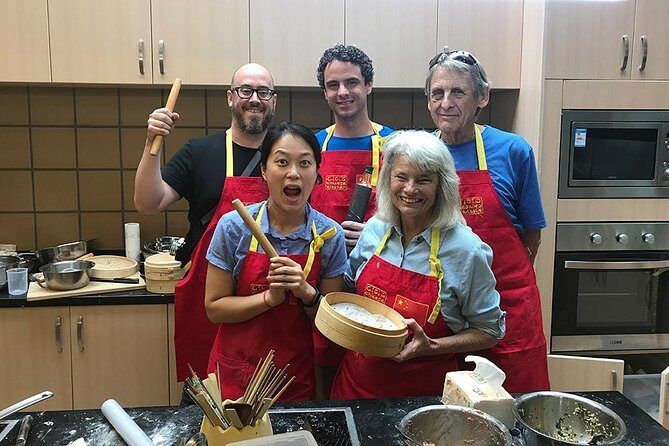
- Max 15-person group keeps the coaching more personal
- Tea is included while you cook, so the vibe stays friendly
- You’ll learn multiple folding styles and their Chinese naming
- Pork marinating and vegetarian option both get covered
- Steaming timing matters and you’ll get instructions for it
- You finish by eating together and leaving with a recipe
Art Steamed Dumplings in Shanghai: What This Class Teaches You
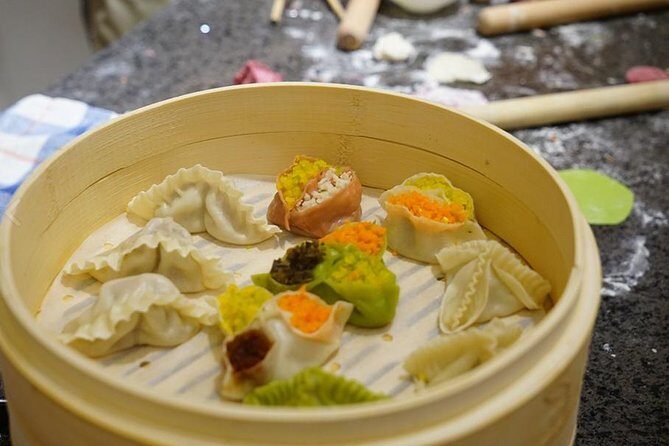
This experience is built around one specific goal: making steamed Chinese dumplings that look special. You’ll start from the basics (dough, filling, and folding) and work toward the final result: dumplings that can have a more decorative, colorful look than what most people picture from regular dumpling spots.
What makes it feel more “worth your time” than a quick demo is the sequence. You’re not just watching. You knead dough by hand, you shape wrappers using a rolling-pin step in a distinctly Chinese style, and you fold dumplings in different ways. That step-by-step progression is exactly how you move from I hope this works to I can actually do this.
A nice detail is the cultural layer. You’re not only learning how to make dumplings. You’ll also learn the Chinese names of different dumplings and their symbolic meaning. Even if you don’t memorize everything, it helps you understand why the shapes are treated as more than just pretty presentation.
You can also read our reviews of more cooking classes in Shanghai
A Small Group Class Where Tea Keeps It Human
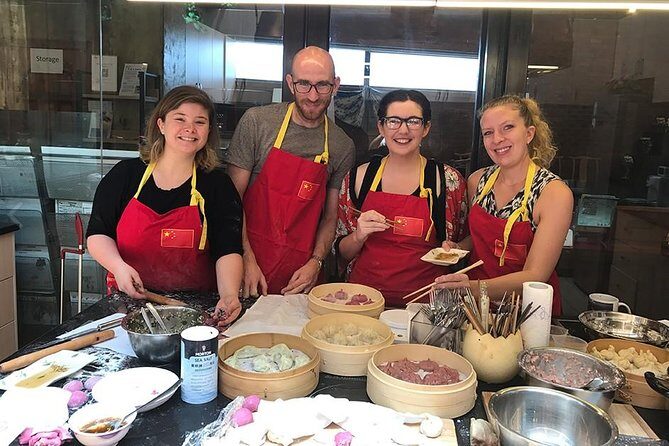
This class caps at 15 travelers, which changes the whole feel. In a larger class, you end up waiting your turn. Here, you can ask questions and get corrected while you’re actually working.
The tea part also matters more than it sounds. You sip included tea while you cook, so the atmosphere stays calm. That matters when dumpling dough is temperamental and folding takes a few tries. You’ll also notice the teaching style tends to be patient and encouraging. In one standout review, the instructor was praised for being excellent and patient, even when learners weren’t naturally handy in the kitchen.
Two names show up in feedback: Yin as an instructor and Cici as a chef. Both are described as helpful and nice, with one review calling out the chef’s support directly. That’s a good sign when you’re paying for an experience that depends on guidance, not just ingredients.
Meet on Guangyuan Road: How the Timing Flows
You meet near public transportation on Guangyuan Road (Guang Yuan Lu, Xu Hui Qu) in Shanghai. The class ends back at the same meeting point, so you’re not dealing with extra transfers after you’re done eating.
The day is paced like this:
- 2:00 pm: meet at the cooking school
- 2:10 pm: introduction to cooking culture and local ingredients
- 2:30 pm: cooking session
- 4:00 pm: enjoy the meal with the class
- 4:30 pm: end of class with a recipe
Why this order is smart: the quick intro before hands-on work helps you understand what you’re about to do. You learn about local ingredients and techniques for steaming, then you immediately apply the ideas. You also get to eat as a group before you leave, which is a simple but satisfying payoff.
The Ingredient Intro: More Than a Walkthrough
At the start, you get an introduction to cooking culture and local ingredients. This is where the class sets expectations. Dumplings can seem mysterious in photos, but the basics are practical: what goes in, how it’s prepared, and why the steaming method works.
You’ll learn about the ingredients used for the filling. For the pork version, that includes how to marinate in a way that’s described as easy and healthy. If you go vegetarian, you’ll still be guided through the dumpling process with your preferred option noted at booking.
This is also where symbolic meaning comes up. You’ll hear the Chinese names for different dumplings and why certain shapes matter. Even if you’re not using the names day-to-day, knowing there’s a reason behind the form makes folding feel less random.
Kneading and Wrapping: The Core Skill You’ll Actually Reuse
The hands-on cooking segment starts at 2:30 pm. This is where you build the dumpling you’ll steam later.
You’ll work with:
- Dough kneading by hand
- Making a wrap with a rolling pin, in a Chinese style
- Assembling filling
- Folding dumplings in different ways
The key value here is that you learn the workflow, not just the end result. Dumpling success often comes down to wrapper thickness and how the edges seal. Even without being taught as a science class, doing the steps yourself forces your hands to learn the feel.
The folding styles are also a major focus. The class description frames these as shapes you don’t usually see in ordinary restaurants. That’s exactly what makes it fun: you’re not chasing a single standard dumpling. You’re learning multiple forms, likely aimed at both good technique and visual appeal.
And yes, the class makes a point that they seem difficult but are actually manageable. That aligns with the overall teaching vibe reported in reviews: learners were able to produce dumplings they were proud of, even if the shapes weren’t perfect.
A few more Shanghai tours and experiences worth a look
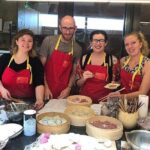


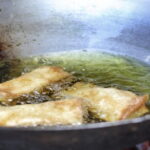
Marinating Pork (or Keeping It Vegetarian-Friendly)
For filling, the class uses pork as the standard option, with a vegetarian version available. You’re taught how to marinate the pork in an easy, healthy way. That matters because dumpling filling isn’t just chopped meat—it’s flavor plus texture plus balance.
If you choose vegetarian, you’ll still get the same guided approach to assembly and cooking. The class is described as vegetarian-friendly, and you’re asked to write down your preference at booking. That’s your cue to handle it early, so you’re not stuck deciding on the spot.
One practical reason this option is valuable for many travelers: it makes the class inclusive without changing the structure of the experience. You still learn dough, wrapping, folding, steaming, and sauce. It’s not a totally different class for different diets.
Colorful Dumplings: The Decorative Step That Changes the Meal
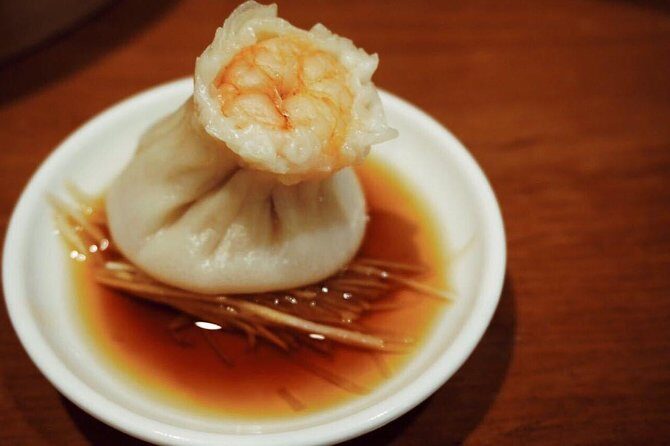
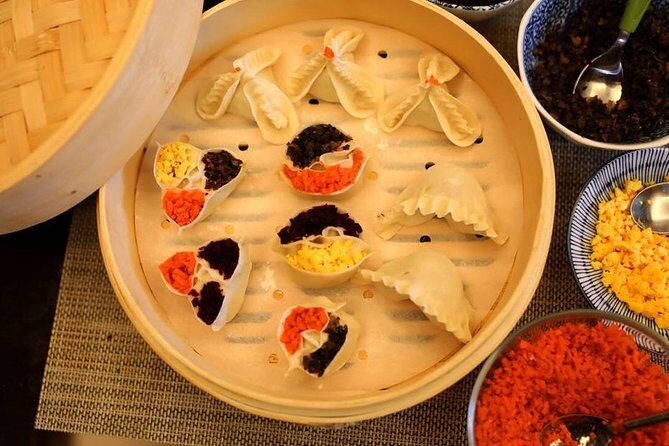
This experience leans into the idea of dumplings as “special.” You’ll add a topping detail: four or five colorful chopped vegetables on top (as described in the class notes). It’s a small step, but it affects the final look and helps you understand the class’s main theme—artful steamed dumplings.
This is also where the learning becomes more than technique. You’re building a dumpling that looks like something served in a banquet setting. One of the class explanations says you might not find these colorful shapes in ordinary restaurants, but they appear in state banquets or some five-star hotels. The class is basically giving you a shortcut into that presentation style.
If you care about taking photos, this is the moment to do it—because the dumplings are meant to be visually distinctive. If you care more about eating, it still helps: the vegetables add freshness and crunch before steaming brings everything together.
Steaming Techniques and an Authentic Dip Sauce
After assembling your dumplings, the class emphasizes how to steam them properly. You’ll learn:
- How long to steam
- Best techniques for steaming
- How to pair them with an authentic sauce for dipping
Steaming timing is one of the biggest “invisible” skills in dumplings. Too little time and the filling feels raw or undercooked. Too much time and the wrappers can lose their texture. This is why guided instructions here are more valuable than generic cooking videos.
Then you get to use the dip sauce you made. That’s a simple but crucial finishing touch. Dumplings without sauce can be fine, but with the right dipping blend they taste complete. In the reviews, learners repeatedly praised the dumplings tasting great, which suggests that the sauce and steaming guidance work together.
This is also where you’ll likely appreciate the way the chef frames the process. Even one review that wasn’t completely thrilled with the balance still described a very good time making dumplings and talking about tea and Chinese history and culture. That points to a classroom style that blends technique with context.
Lunch Break Payoff: Eating Together and Getting Your Recipe
At 4:00 pm, you sit down to enjoy the meal with the class. This is more than a courtesy. It’s part of how you validate what you just learned.
You’ll taste your hand-made dumplings as a group, which helps you understand what “good” feels like. It’s also a relaxed end point after the folding work, which can be mentally tiring even when it’s fun.
Then, at 4:30 pm, the class ends with a recipe. Having a written recipe is a big value-add if you plan to recreate this at home. Dumpling making can be forgiving, but small changes in wrapper thickness and steaming time matter. A take-home recipe lets you repeat your success, not just remember the steps.
Price and Value: Is $109.88 a Good Deal?
At $109.88 per person, this isn’t a budget activity. It’s closer to what you’d pay for a guided, ingredient-included workshop in a major city. The question is whether what you get matches that.
Here’s what you’re paying for:
- A small-group format (max 15)
- A friendly English-speaking chef
- Instruction across dough, wrapping, filling, folding, and steaming timing
- Included tea
- A vegetarian option
- A meal together
- A recipe at the end
So yes, it can be good value if you want guided learning you can actually use later. The class is not just entertainment. You leave knowing how dumplings are built, not just how they look.
One caution from the class feedback: the experience can include a fair amount of cultural discussion. If you want a high-speed cooking-only workshop, that pacing might feel a little “soft.” If you enjoy learning the story behind food, that same element becomes a plus.
Who Should Book This Dumpling Class?
This fits best if you:
- Want a hands-on food experience with real technique
- Like small groups and friendly instruction
- Care about more than one dumpling shape or style
- Prefer a class that includes both cooking and cultural context
- Want a vegetarian-friendly option without losing the structure of the lesson
It’s also a solid choice if you’re in Shanghai for a short stay. The timing is tidy—roughly 2.5 hours—and the class ends back where you start.
If you’re coming with friends, the group discount mentioned for this experience can add extra value (though the exact discount isn’t detailed here). If you’re solo, the small group size can make it easier to interact with the chef and get help without feeling lost.
Should You Book This Class?
I’d book it if you want an enjoyable, guided way to learn steamed dumplings that look like “occasion food.” The combination of dough work, folding practice, steaming timing, and a real dipping sauce is exactly what makes the class feel complete. Plus, the small group and included tea make it feel like a calm workshop rather than a factory.
I’d hesitate only if you expect a purely cooking-focused, no-talk session with nonstop prep. This class includes cultural introductions and conversation as part of the experience. For many people, that’s a bonus. For others, it changes the feel.
If you’re aiming for authentic technique and want to take home a recipe you can use, this is one of the better ways to spend an afternoon in Shanghai.
FAQ
How long is the Chinese Kitchen Cooking Class: Art Steamed Dumplings?
It runs about 2 hours 30 minutes. The schedule is meet at 2:00 pm, cooking starts around 2:30 pm, you eat together at 4:00 pm, and the class ends around 4:30 pm with a recipe.
Where does the class meet in Shanghai?
You meet at Guangyuan Road (Guang Yuan Lu, Xu Hui Qu, Shanghai, China). The activity ends back at the meeting point.
Is hotel pickup or drop-off included?
No. Hotel pickup and drop-off services are not included.
What’s included in the class price?
You get the cooking class, complimentary tea, and instruction from a friendly English-speaking chef. A recipe is provided at the end.
Is there a vegetarian option?
Yes. The class is vegetarian-friendly. You should write down your food preference at the time of booking.
Does the chef speak English?
Yes. The chef is described as friendly and passionate English-speaking.
How big is the group?
The class has a maximum of 15 travelers.
Are children allowed?
Children under 3 years old are free to join the class.
Is transportation nearby?
Yes. The meeting point is near public transportation.
What is the cancellation policy?
This experience is non-refundable and cannot be changed for any reason. If you cancel or request an amendment, the amount you paid will not be refunded.