REVIEW · SHANGHAI
Vegan Soup Dumpling Making in Shikumen(Shanghai style Lane)
Book on GetYourGuide →Operated by Yin Studio · Bookable on GetYourGuide
Soup dumplings get a vegan makeover. In a Shikumen lane studio, Chef Yin walks you through making xiao long bao-style dumplings from scratch, with real focus on pleating and sealing. I especially like her hands-on corrections while you shape dumplings, and I also like the good-quality Chinese tea (Yin is also a tea ceremony master).
The main drawback to plan for: the vegan filling can taste milder than classic versions, and the soup effect may feel less intense. That said, the fun part is learning the technique, not chasing a perfect pork-broth replica.
In This Review
- Key Things I’d Pick This Class For
- Shikumen Lane and a Vegan Take on Xiao Long Bao
- What Chef Yin Guides You Through (And Why It Matters)
- Dough and Wrapper Making: Getting the Foundation Right
- Vegan Filling Prep: Savory, But Know What to Expect
- Shaping the Dumplings: Pleating Practice With Real Corrections
- Steaming and Eating: Your Dumplings, Your Result
- Tea Ceremony Break: Good Chinese Tea With the Right Pace
- Price and Value: Does $99 Make Sense?
- Logistics That Actually Affect Your Day
- Who Should Book This Vegan Dumpling Class?
- Should You Book It? My Practical Take
- FAQ
- FAQ
- How long is the vegan soup dumpling making class?
- What is the price per person?
- What does the $99 include?
- Who teaches the class?
- What languages are available?
- What do you actually make during the class?
- Is the course vegan?
- Is tea provided?
- Can I get a refund if I change my plans?
- Is there an option to pay later?
Key Things I’d Pick This Class For
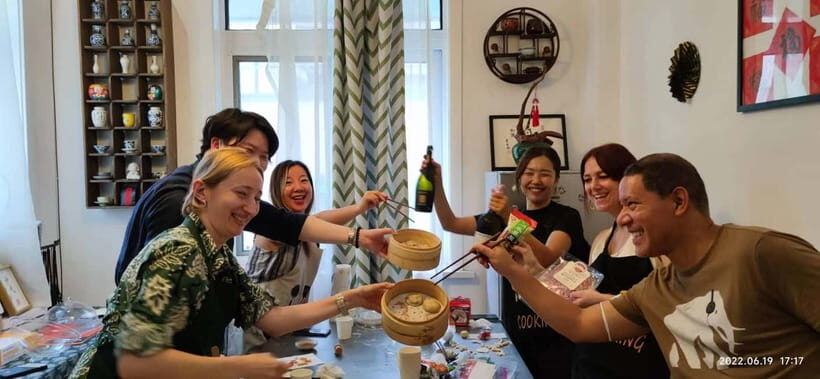
- Chef Yin’s pleating coaching: you practice the traditional folds until your seals look right
- Vegan filling, made from the ground up: you get hands-on experience rather than just tasting
- Tea ceremony touch: good Chinese tea is part of the pacing, guided by Yin
- A real Shikumen-lane setting: the class happens in an authentic studio compound feel
- You take your own dumplings to the steamer: the meal comes directly from your work
Shikumen Lane and a Vegan Take on Xiao Long Bao
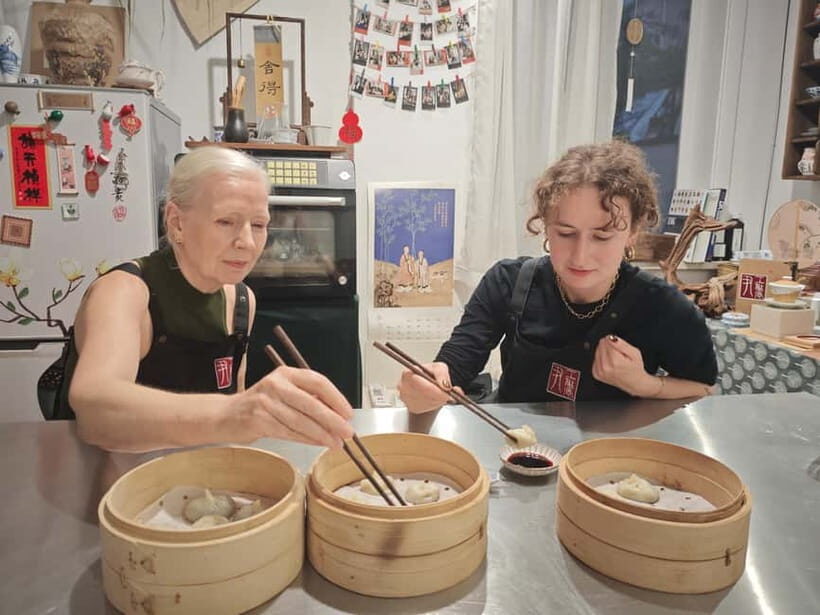
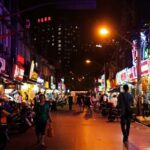
This class is set in a Shikumen (Shanghai-style lane) environment, which already makes it feel different from the usual cooking-tour circuit. Instead of a restaurant demo, you’re in a small studio space tied to a typical compound atmosphere, where the vibe is local and lived-in.
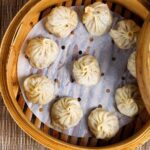
What you’re making is a soup dumpling style dish: thin wrappers, a savory filling, and a careful seal so the dumpling holds together during steaming. The vegan part matters because it changes what you expect from the flavor and texture. If you’re used to pork-based xiao long bao, the vegan version may not hit the same intensity, but it’s a great way to learn the craft behind the dumpling itself.
Chef Yin leads the experience, and the class is taught in English, Japanese, and Chinese. That language mix is practical: you can relax and follow what matters while you’re learning a hands-on skill.
A few more Shanghai tours and experiences worth a look
What Chef Yin Guides You Through (And Why It Matters)
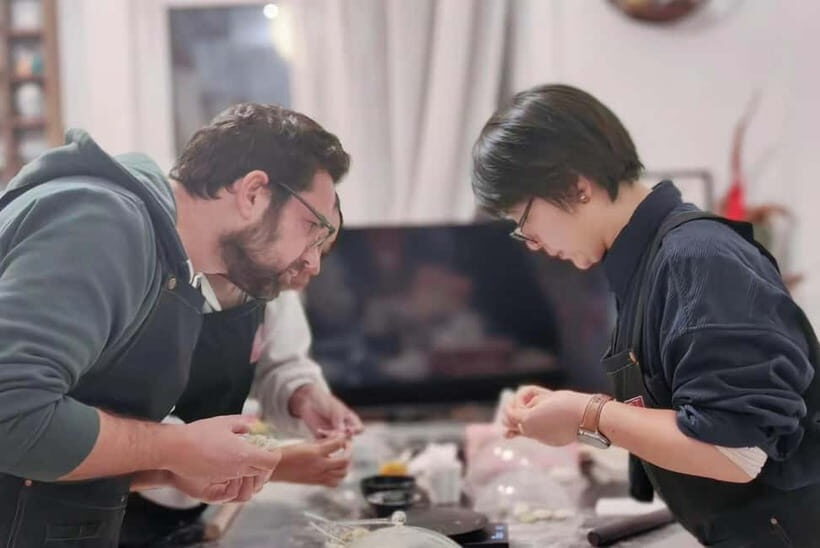
The course is 2.5 hours and focuses on the full chain of making soup dumplings: dough, wrappers, vegan filling, shaping, then steaming and eating. You’re not just watching. You’re building the dumpling step by step, so you can understand why each stage affects the end result.
The most valuable part is how the class treats technique as the main ingredient. In dumpling making, small differences can show up fast—too-thick wrappers, undersealed edges, or uneven filling portions can ruin the texture. This class spends time on the part most people struggle with: getting the pleats and seal right.
You’ll also see the process as a cultural skill. The class includes time to explain what you’re doing and why, and Yin also teaches about China alongside the cooking. That means you leave with more than a recipe card—you leave with context you can use next time you cook.
Dough and Wrapper Making: Getting the Foundation Right
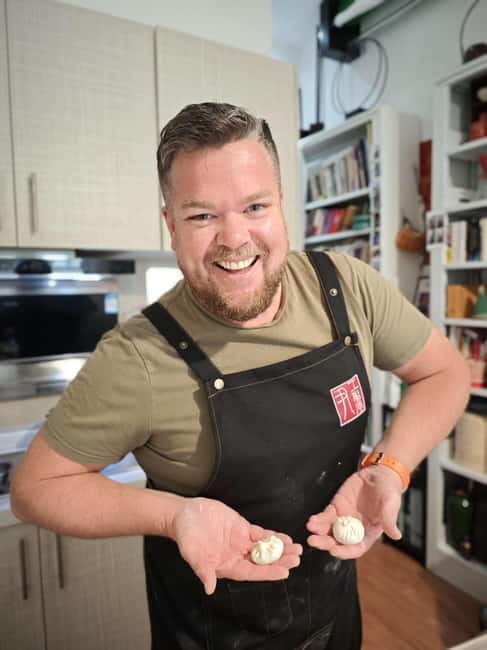
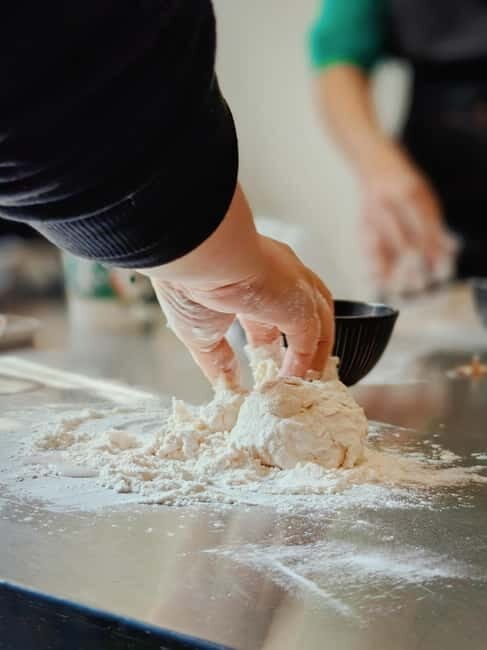
You start with dough making and then move into wrapper making. The goal is consistent dough that rolls thin enough to fold without cracking, yet strong enough to hold the filling during steaming.
Here’s what to pay attention to in this stage:
- Texture control: wrapper dough shouldn’t feel overly sticky or dry. You want it pliable.
- Thin, even wrappers: even thickness helps the dumpling steam uniformly.
- Work speed: dough and wrappers behave differently as they sit. So follow Yin’s pacing and don’t overthink it.
This is also where the experience becomes more than a food activity. You learn how dumpling wrappers act like the dumpling’s “skin.” A great soup dumpling is as much about structure as it is about taste.
If you’ve never made wrappers before, don’t worry. This class is designed for beginners, but it still expects effort from you. You’ll likely need a few tries before your wrappers look as clean as Yin’s.
Vegan Filling Prep: Savory, But Know What to Expect
You’ll prepare a savory vegan dumpling filling during class. Since the entire dumpling is vegan by design, your expectations should shift a bit compared with classic meat versions. Vegan fillings can be delicious, but the flavor profile may come across lighter, and the “soup” experience depends heavily on how the filling is formulated.
A real consideration from the experience: some people found the flavor a bit bland and felt there wasn’t much true soup inside the dumpling. I’m not saying it’s bad—just that you should show up understanding it’s a vegan method, not a direct copy of pork xiao long bao.
If you’re the type who wants bold, punchy seasoning from the first bite, be prepared to adjust your expectations. In dumpling classes like this, success often comes from texture and technique, and taste grows on you once you understand what you’re building.
Shaping the Dumplings: Pleating Practice With Real Corrections
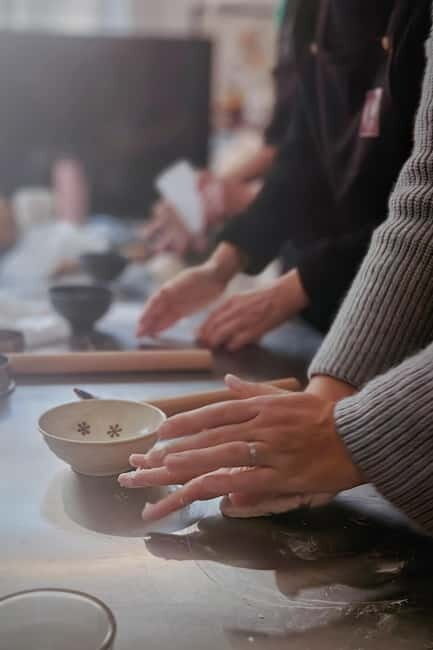
This is the part many people remember most: shaping the dumplings. Chef Yin teaches the traditional pleating method so each dumpling gets the characteristic folds and a secure seal.
What makes this section worth your time:
- You practice shaping yourself, not just do a one-and-done demo.
- Yin gives personalized tips and corrections, including how to fix problems as they happen.
- Pleating isn’t just for looks; it helps the wrapper hold together during steaming.
When sealing is off, you’ll often see it in the next step. So the best mindset is to treat shaping like troubleshooting: even if your first few dumplings aren’t perfect, you’re learning what to correct.
Also, be ready for concentration. Pleating is fiddly. That’s normal. It’s also why the final moment—steaming and eating—feels so satisfying. You earned those folds.



Steaming and Eating: Your Dumplings, Your Result
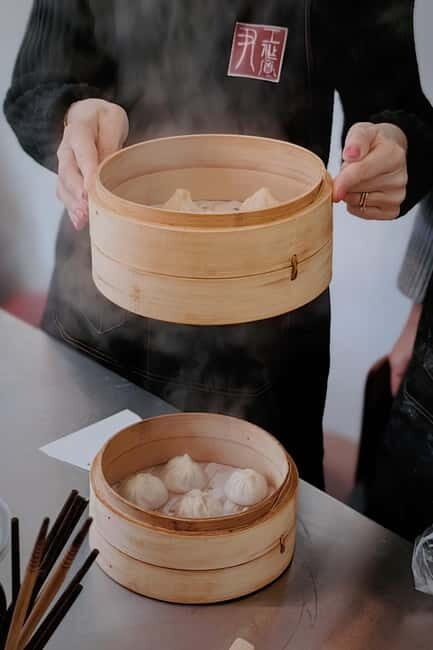
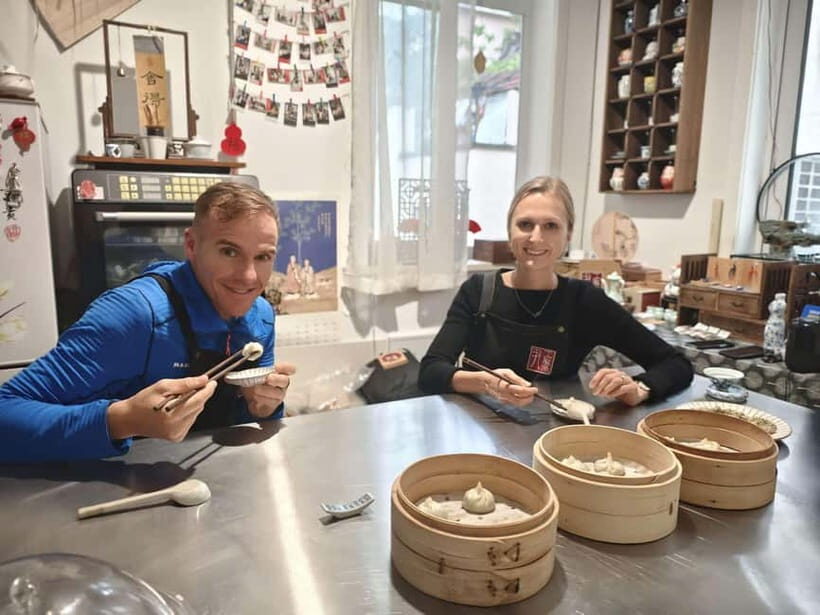
After the shaping stage, you steam and enjoy what you made. This is where the class connects cooking technique to actual payoff: you’ll see whether your wrappers and seals held well, and you’ll taste how the vegan filling works inside the dumpling.
A practical tip from experience: have a bite to eat before you go. The preparation time can feel long, and you don’t want your excitement to turn into low-energy grumpiness.
As you eat, take notes on what you learned:
- Does the wrapper feel tender or chewy?
- Does the filling taste balanced?
- Was the soup effect subtle or more noticeable?
Even if the dumplings don’t match the exact intensity of non-vegan versions, the “win” here is learning how dumplings are made. Once you can shape and steam a soup dumpling properly, you can bring your own taste preferences to future batches.
Tea Ceremony Break: Good Chinese Tea With the Right Pace
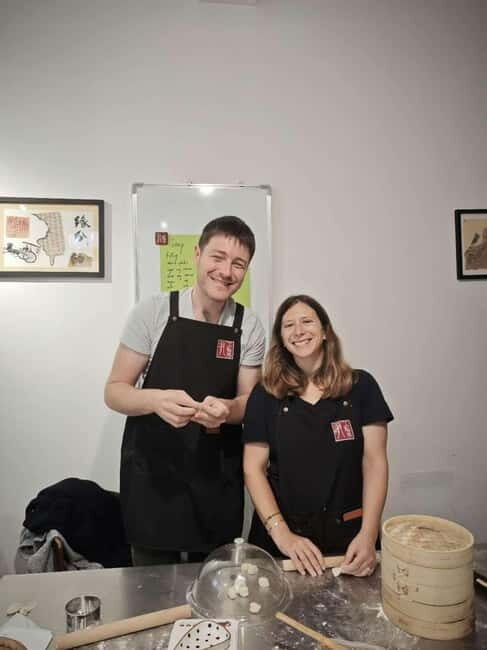
A standout included detail is the good quality Chinese tea. And since Yin is also a tea ceremony master, you’re not just given tea in a cup and sent on your way.
Tea fits the flow of a cooking class: it breaks up concentration, keeps the room calm, and gives you a moment to reset between hands-on steps. It also adds a cultural layer, because tea in Chinese culinary spaces isn’t an afterthought—it’s part of the experience rhythm.
This matters because dumpling making can run from “fun” into “okay, I need to focus” pretty quickly. Tea helps keep the whole thing from feeling rushed.
Price and Value: Does $99 Make Sense?
At $99 per person for 2.5 hours, the value depends on what you want from the activity.
This price is easier to justify if you care about:
- learning technique (dough, wrappers, pleating),
- getting guided coaching,
- and eating dumplings that are truly yours.
It also includes materials and tools needed for the class, plus tea and a studio gift. That’s important because dumpling making requires specific setup—bowls, tools, wrappers, and the workspace to handle dough without turning your kitchen into a flour disaster.
If you’re only looking for a quick food experience, this might feel like a lot. But if you want the satisfaction of making a tricky dish correctly, the cost feels fair. You’re paying for time, instruction, and the messy-but-rewarding craft work.
Logistics That Actually Affect Your Day
This course runs for 2.5 hours, and starting times depend on availability. The class also offers reserve now and pay later, so you can lock in a spot without paying immediately.
One more real-world detail: the route to the studio is described clearly in a video in advance. That’s worth its weight in dumpling gold if you’ve ever tried to find a small lane studio without local help.
Finally, this takes place in the Chinese Taste Culture Studio space inside the Shikumen-lane compound feel. So it’s not a big, obvious storefront. If you like quiet, low-key settings and don’t mind a short navigation task, you’ll probably enjoy it.
Who Should Book This Vegan Dumpling Class?
I think this is a great match if you:
- want a hands-on cooking class (not a restaurant meal),
- like learning technique step by step,
- enjoy Chinese food culture details,
- and are curious about how vegan versions adapt classic dumpling craft.
It’s less ideal if you:
- only care about the strongest soup-burst effect you’ve tasted in pork xiao long bao,
- or expect every vegan dumpling to hit the same intensity as the non-vegan original.
Still, even then, you might find it worthwhile because the pleating coaching is the real skill you’re buying, and that skill transfers.
Should You Book It? My Practical Take
Yes—if your goal is to learn. The reason I’d book it is simple: you get guided practice on the most important part of soup dumplings, the pleats and seal, plus you make vegan dumplings from scratch and steam them yourself. The tea add-on and Yin’s teaching style make it feel like a real cultural workshop, not a cookie-cutter class.
If your goal is a super intense broth-in-the-bite experience, I’d go in with eyes open. This vegan version may be milder, and the soup effect may not be as dramatic as you’re used to. You’ll still leave with technique and a plate of dumplings you helped create.
FAQ
FAQ
How long is the vegan soup dumpling making class?
The class duration is 2.5 hours. Starting times depend on availability.
What is the price per person?
The price is $99 per person.
What does the $99 include?
It includes the vegan soup dumpling making course with all materials and tools, good quality tea, and a studio gift.
Who teaches the class?
Chef Yin teaches the course through Yin Studio.
What languages are available?
Instruction is available in English, Japanese, and Chinese.
What do you actually make during the class?
You make dumplings from scratch, including dough making, wrapper making, vegan filling preparation, shaping (pleating), and then steaming and eating the dumplings.
Is the course vegan?
Yes, the course is designed for vegan soup dumpling making, including a vegan filling and vegan course approach.
Is tea provided?
Yes. You’ll be provided with good quality Chinese tea.
Can I get a refund if I change my plans?
Free cancellation is available up to 24 hours in advance for a full refund.
Is there an option to pay later?
Yes. You can reserve now and pay later, keeping travel plans flexible.