REVIEW · SHANGHAI
2.5hrs Chinese Kitchen Cooking Class: Xiaolongbao Soup Dumplings
Book on Viator →Operated by Trippest Travel · Bookable on Viator
Soup dumplings are harder than they look. In this Shanghai class, you practice xiaolongbao folding and filling, and you also cook them two ways—steamed and pan fried—so you get more than a demo. One possible drawback: there’s no hotel pickup, and the meeting spot is in a narrow lane, so you’ll want to confirm the exact location and arrive on time.
I like that the group stays small (max 15), which makes it easier to ask questions while your dough is still workable. The chef is English-speaking and friendly, and based on past classes I’ve seen described, instructors like Chef Cici and Chef Yin keep things patient, structured, and paced for your skill level. The only other watch-out is food preference timing: vegan and vegetarian options exist, but you need to request them ahead of time.
You’ll learn how soup stays inside the dumpling—thin skin, correct filling mix, and the right fold—then you sit down together to eat what you made with tea. It’s a 2.5-hour experience that ends back where you started, so it’s easiest to plug into a morning or early lunch window.
In This Review
- Key Things I’d Prioritize Before You Go
- Shanghai’s Xiaolongbao Problem: Getting the Broth to Stay Put
- Price and Time: What $98.88 Buys You (and What It Doesn’t)
- Finding Guangyuan Road and the Studio Entrance (Bring Patience)
- The 10:00 to 12:30 Flow: What Happens When
- Making the Wrappers and Sealing the Soup: The Skill You Actually Learn
- Steamed and Pan Fried: Why Two Methods Make This More Than a One-Note Snack
- Tea, the Shared Meal, and the Recipe Take-Home
- Veg Options and Family-Friendliness: Who This Class Works For
- What to Expect in the Room: English Guidance, Humor, and Hands-On Work
- Quick Checklist Before You Book
- Should You Book This Xiaolongbao Class?
Key Things I’d Prioritize Before You Go
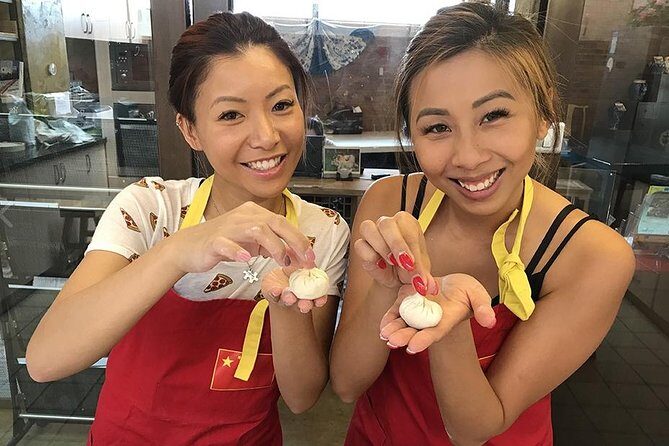
- Small group (15 max): faster feedback while you learn the folds that hold the broth.
- Two cooking styles: you get both steamed and pan fried xiaolongbao in one class.
- Real hands-on teaching: you make dough and filling, not just watch.
- Vegan/vegetarian on request: easier for plant-based eaters if you note your preference while booking.
- You leave with a recipe: helpful if you want to recreate xiaolongbao later at home.
Shanghai’s Xiaolongbao Problem: Getting the Broth to Stay Put
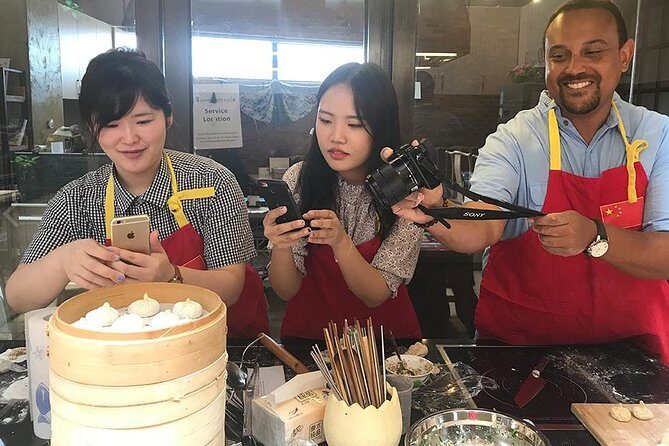
Xiaolongbao look simple—little dumplings, delicate wrapper, a bite-sized payoff. The trick is what you do not see: the broth inside. The class is built around that key idea, teaching you how soup becomes part of the xiaolongbao rather than something you add later.
Why that matters for you: the difference between a good soup dumpling and a great one is usually technique. If the wrapper is too thick, you lose that tender mouthfeel. If it’s too thin or the seal is off, the soup escapes. This class pushes you toward the method, not just the final result.
Shanghai is the obvious backdrop, but the bigger reason this is a good experience is learning a skill you can repeat. You’ll make the dough and filling, practice how to wrap soup properly, then eat the results at the end—so your learning is connected to something you can taste immediately.
You can also read our reviews of more cooking classes in Shanghai
Price and Time: What $98.88 Buys You (and What It Doesn’t)
At $98.88 per person for about 2 hours 30 minutes, you’re paying for more than a meal. You’re paying for hands-on coaching, cooking space, ingredients, and the final shared eating moment.
Here’s how that plays out in real life:
- You start at 10:00 am and finish around 12:30 pm.
- You meet first, then get a cooking-culture and local-ingredient intro.
- You spend most of the middle portion actually making dumplings.
- You end by eating together and receiving the recipe.
What’s not included is also clear: no hotel pickup or drop-off, and you’ll cover personal expenses. So, for the best value, plan to reach the studio by public transit or on foot and keep your day schedule flexible enough for a local start and finish back at the meeting point.
Also note the booking pace: on average, this tends to be booked about 18 days in advance. If your trip dates are fixed, don’t wait until the last minute.
Finding Guangyuan Road and the Studio Entrance (Bring Patience)
Your class meeting point is listed on Guangyuan Road (Guang Yuan Lu, Xu Hui Qu, Shanghai). The experience also mentions Changshu Road as an easily accessible meeting area, so what I’d do is simple: when you book, check the confirmation message for the exact lane or landmark.
One practical thing from past guests’ experiences: the entrance can feel like an old lane and may not look like a standard restaurant. The good news is the studio setup is described as clean and functional once you’re there. The bigger takeaway for you is this—don’t stress if the outside feels quiet or industrial. Arrive early, confirm you’re at the right alley, and expect the chef to guide you to the correct space once everyone gathers.
The 10:00 to 12:30 Flow: What Happens When
This class runs in a straightforward arc, with time split between learning, hands-on making, cooking, and eating.
10:00 am – Meet at the cooking studio
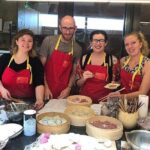
You’ll gather at the meeting point and get settled for class. Since the group is capped at 15, this is the moment where you’ll notice how close it feels—less crowded than most food tours, more like a small workshop.
10:20 am – Intro to cooking culture and local ingredients
This isn’t just trivia. It sets context for why xiaolongbao depend on specific techniques and careful proportions. You also get a sense of how Shanghai cooks think about dumpling dough and filling.
11:00 am – Cooking session
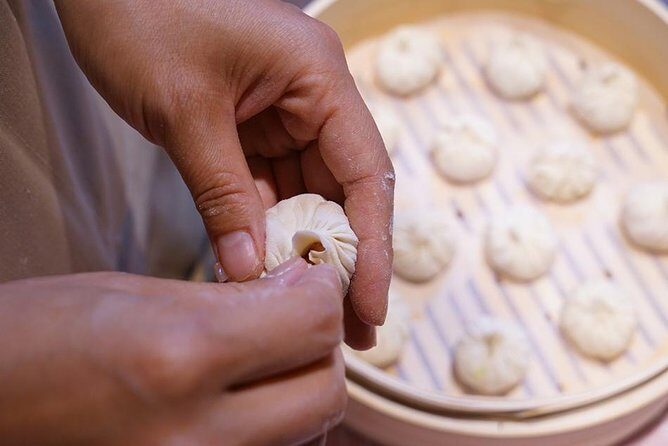
This is the main event: you’ll make dough and filling with Chinese spices, and you’ll practice the wrapping technique that keeps soup inside. Then you’ll cook the xiaolongbaos in two ways.
If you’ve ever struggled with dumplings at home, this part is the reason to book: you’re not learning in a vacuum. The chef can correct how your dough handles and how you seal, while you’re still in the process.
12:00 pm – Enjoy the meal together
This is where your work becomes a shared table moment. You eat what you made, and you’ll have tea included.
12:30 pm – End of class and receive the recipe
You leave with the recipe, which is useful because xiaolongbao are finicky. Even if you don’t nail it right away at home, having a written guide helps you troubleshoot.
Making the Wrappers and Sealing the Soup: The Skill You Actually Learn
The most valuable skill in the class is also the hardest to fake: getting the wrapper delicate enough, while still strong enough to hold soup.
You learn that xiaolongbao are sometimes called soup buns or soup dumplings in English, but the real point is internal. Instead of steaming a wrapper plus filling and then serving broth separately, the soup is wrapped inside and released by the first bite.
What the class teaches (in practical terms):
- how to handle the dough so it’s workable for folding
- how to prepare the filling with fragrant Chinese spices
- the technique for wrapping soup so the dumpling bursts cleanly when eaten
The chef guidance matters here. Past experiences describe instructors as sweet, helpful, organized, and patient—traits that matter because dumpling technique is hands-on and sometimes frustrating at first. If you’re new to cooking, the best sign is that you’re encouraged to work at your pace and skill level.
A few more Shanghai tours and experiences worth a look
Steamed and Pan Fried: Why Two Methods Make This More Than a One-Note Snack
Many classes end after one cooking style. Here, you cook xiaolongbao in two ways, which changes the texture and eating experience.
- Steamed xiaolongbao emphasize that tender wrapper and the soup release.
- Pan fried xiaolongbao add a different texture and browning effect on the outside.
You also learn a Chinese sauce to go with them. That combo—dumpling plus dipping sauce—makes the final meal feel complete, not just a class tasting.
If you’re the kind of traveler who wants proof that the experience goes beyond theater, this is a strong point. You get to compare results from the same dumpling base under different cooking approaches.
Tea, the Shared Meal, and the Recipe Take-Home
Food classes can end with a plate in front of you. This one aims higher: the meal is part of the teaching.
Tea is included, and you eat your hand-made dumplings together. That shared moment is where you’ll understand what the chef meant about fold, thickness, and sealing. It’s also when your group dynamic matters: with a small class, you tend to feel like you’re part of the process rather than watching from the sidelines.
Then you get the recipe. Even if you never make xiaolongbao again, it’s still useful. You’ll likely use it as a reference guide when you’re eating dumplings later and noticing differences in wrapper thickness, fold style, and sauce balance.
Veg Options and Family-Friendliness: Who This Class Works For
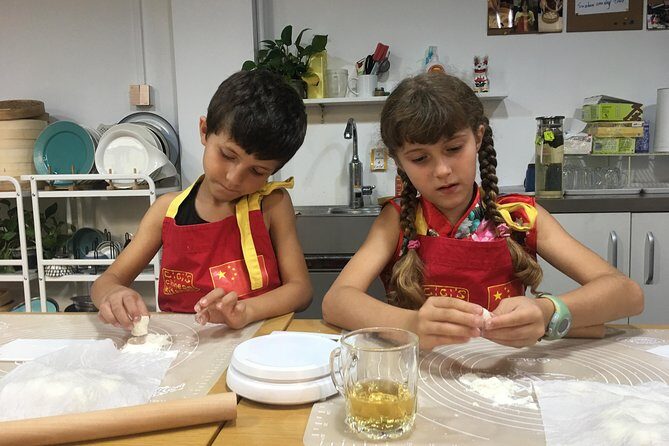
This class is listed for ages 3 to 100, with kids welcome. Children under 3 can join for free. It’s also designed for a maximum of 15 travelers, which is exactly the right scale for families.
A big plus: vegan and vegetarian options are available. The class is vegetarian-friendly, but you need to request it at booking. If you’re traveling with a picky eater or someone who avoids meat, don’t assume they can adjust on the day—send the preference up front.
Skill level wise, you’ll likely feel supported. Past experiences describe chefs as fluent in English and good at pacing, including for people who felt they weren’t very good at dumpling making. That matters because xiaolongbao require practice, not raw talent.
Who I think this fits best:
- families looking for an activity that ends with food you made together
- first-time cooking learners who want guided technique
- food lovers who enjoy dumplings but want the why behind the wrapper and soup
What to Expect in the Room: English Guidance, Humor, and Hands-On Work
The chef is described as a friendly, passionate English-speaking chef. In past feedback, instructors such as Chef Cici and Chef Yin are noted for being engaging and humorous, and for keeping the class organized.
Why that’s practical: dumpling making is repetitive and precise. A teacher who can explain calmly, correct hand positions quickly, and keep energy up helps you stick with the process.
Also, because the group is capped, you’re more likely to get real help rather than generic guidance. That’s a big difference between an intimate cooking class and a large tour where you spend more time waiting for the next instruction.
One extra perk you might notice: chefs may suggest nearby food or tea stops after class. In the past, Chef Yin has recommended a nearby tea shop to guests, so it can be a nice way to extend the food day beyond dumplings.
Quick Checklist Before You Book
- Plan to arrive at 10:00 am. Early is better because the studio entry can be less obvious.
- If you want vegan or vegetarian dumplings, request it at booking.
- Wear something comfortable with sleeves you can roll or adjust for kneading and folding.
- Expect to eat what you make and leave with a recipe.
Should You Book This Xiaolongbao Class?
Yes—if you want hands-on technique, not just a meal. The pricing makes sense for what you receive: small group instruction, dough and filling work, two cooking methods, tea included, and a recipe to take home. It’s also a strong family option thanks to the broad age range and the guided pace described by past students.
Skip it only if you’re looking for a casual food tasting with zero mess and minimal instruction. This is a workshop. You will handle dough, and you’ll likely spend the middle of the class focused on making the folds work.
If your trip includes time for a morning activity in central Shanghai, this is one of those experiences that leaves you with a skill, not just a memory.