REVIEW · SHANGHAI
Private Wet Market Visit with Cooking Class in Shanghai
Book on Viator →Operated by China Vacation · Bookable on Viator
A Shanghai wet market turns food into real life. This private half-day class strings together local shopping and hands-on cooking, so you learn more than recipes. You also get a chance to taste ingredients you may not recognize, like hundred-year egg and stinky tofu.
I especially like the private, English-speaking guide setup. It means you can ask questions while you shop and while you’re cooking, instead of guessing your way through. I also like that you cook three traditional dishes and then eat what you made, rather than watching someone else plate everything.
The main drawback is operational risk: one traveler reported the operator could not be reached shortly before start and the tour could not run. For a one-time trip, I’d double-check your contact details and confirm the morning of, so you do not waste your only window in Shanghai.
In This Review
- Key highlights to know before you go
- From hotel pickup to a 9:00am food mission
- Wet market shopping: what you’re really learning
- How the guide turns questions into real confidence
- Cooking class in a local home: 3 courses, clear outcomes
- Dietary needs and allergies: tell the team up front
- The lunch payoff: eating what you cooked
- Price and value: is $238 per person worth it?
- Who this half-day private class is best for
- Practical tips so your day goes smoothly
- Should you book the private wet market cooking class?
- FAQ
- How long is the private wet market visit and cooking class?
- What time does the tour start?
- Is this a private tour?
- Does the tour include lunch?
- Can I request vegetarian options or share allergies?
- What is the cancellation/refund approach?
Key highlights to know before you go
- Hotel pickup and drop-off makes the 9:00am start feel easier on a travel day
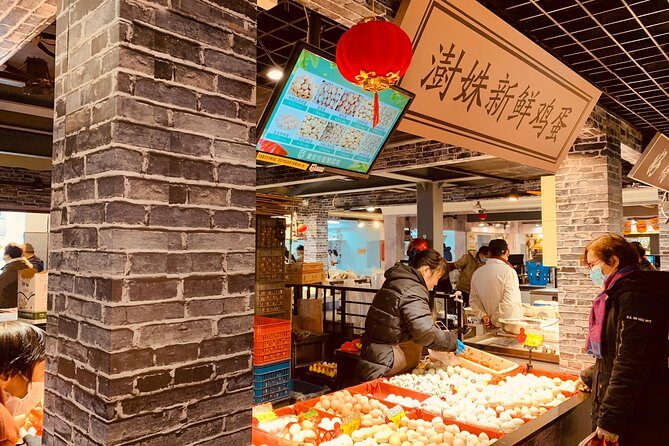
- Wet market shopping shows how ingredients are picked in daily life
- Food sampler help when you see items you do not know (like hundred-year egg or stinky tofu)
- Cook 3 courses: main + seasonal vegetable + Dim-sum
- Lunch included, with bottled water, so you do not hunt for meals afterward
- Private tour means only your group, with individual attention from your guide
From hotel pickup to a 9:00am food mission
This is designed to be a short, efficient tour. You start at 9:00am, and the experience ends back at the meeting point, so it’s easy to fit into your Shanghai schedule. Hotel pickup and drop-off matters more than it sounds. Wet markets are not where you want to be doing map checks, and cooking classes are not where you want to arrive late and flustered.
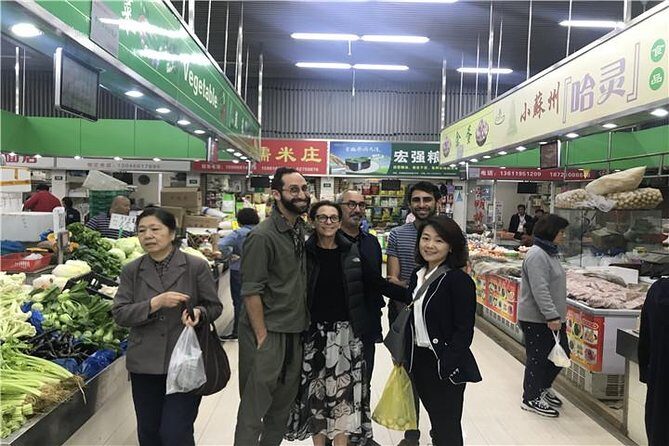
Once you’re picked up, you’ll meet your local English-speaking guide and head to the wet market. The pace stays focused: you’re not just touring, you’re shopping with a purpose. This format works well if you like understanding what’s behind a meal, not only tasting it.
You can also read our reviews of more private tours in Shanghai



Wet market shopping: what you’re really learning
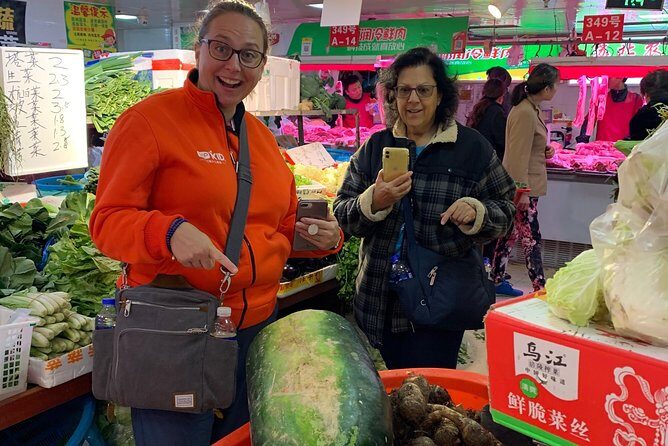
The wet market part is the heart of the experience. You’ll see fresh produce, seafood, and other ingredients, and you’ll learn how locals shop day-to-day. The guide also helps you handle the unknown. If there’s something you do not recognize, you will get help deciding what to buy and you may be able to try a sampler.
That guidance is practical. Some of the items you might run into can be unusual for first-timers in China. The experience specifically mentions possibilities like hundred-year egg, stinky tofu, and unfamiliar fruit. You’re not expected to blindly buy everything. You’re expected to ask questions, learn what those foods are, and choose what fits your comfort level.
A wet market also teaches you how Chinese cooking starts. In many kitchens, the flavor begins with ingredient selection: what looks freshest, what smells right to the locals, and what’s in season. Even if you never cook these exact dishes again, you’ll come away thinking differently about food shopping at home.
What to consider: wet markets can be intense by nature—close quarters, strong smells, and lots of visual detail. The guide can help you navigate what to look for, but keep your expectations realistic. If you hate strong odors or have trouble with crowded spaces, this is the part that may feel most uncomfortable.
How the guide turns questions into real confidence
A big reason this tour works is the guide role. You’re not left to “figure it out.” Your guide is there to translate what you’re seeing into cooking-relevant knowledge. That matters because market visits can otherwise turn into a photo-op.
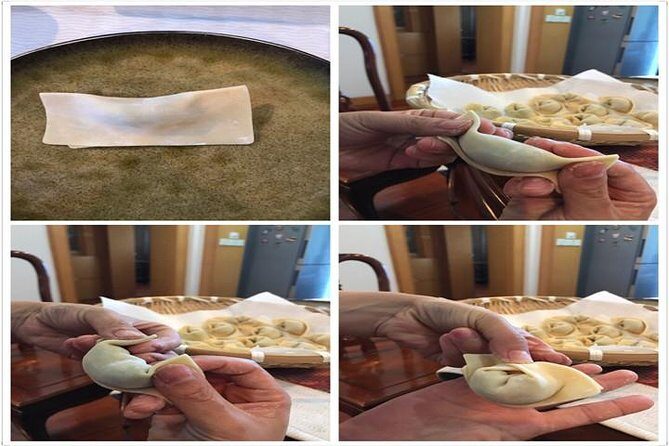
Here’s what the experience structure supports:
- You can ask what an ingredient is and how it’s used
- You can get help buying small samples to taste and compare
- You can learn what to focus on for your later dishes
One review highlighted a guide named Kenny and praised the cooking class experience. While your exact guide may differ, that gives you a clue about the tone: friendly instruction, with a focus on actually getting you through the cooking steps.
If you’re the type of traveler who likes to leave with a clear take-home skill—what to buy, what to look for, and how flavors come together—this guide-led approach is a strong match.
Cooking class in a local home: 3 courses, clear outcomes
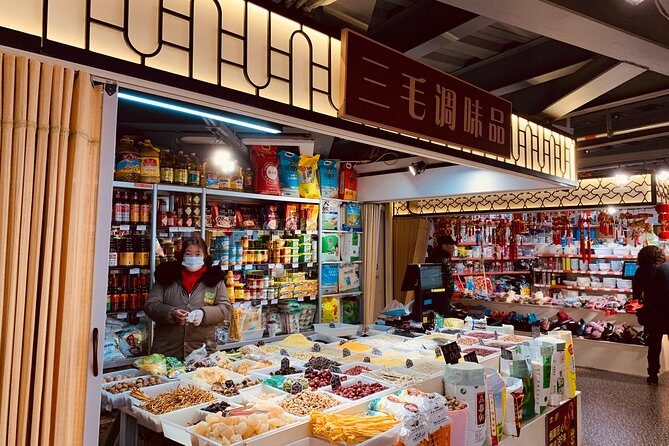
After shopping, you’ll head to the chef’s home. This is a key difference from studio cooking classes in big cities. A home setting tends to feel more grounded, and it usually makes the experience feel less like a performance and more like learning how a meal is made for real people.
You’ll cook three courses, chosen from:
- 1 main course
- 1 seasonal vegetable
- 1 Dim-sum
That structure helps you learn in layers. The main course teaches the backbone of the meal—often the sauce direction, seasoning approach, or cooking method. The seasonal vegetable gives you a sense of how ingredient freshness and timing matter. The Dim-sum component adds technique and portion thinking, which is a useful skill if you ever cook for guests.
You’ll also use cooking materials included and you’ll have a guide to support you during the process. For many travelers, the confidence boost comes from finishing something edible with your own hands—then eating it right away, while the taste is still fresh in your mind.
Dietary needs and allergies: tell the team up front
This tour explicitly asks you to inform them at booking time about special dietary requirements or allergies. If you’re vegetarian, you must notify them when booking. That’s not optional fine print here—this is an important part of how the class is planned and how ingredients are handled in a home kitchen.
If you have any serious allergies, treat the “tell us in advance” instruction as essential. Your safety depends on it, and your cooking experience depends on it too.
You can also read our reviews of more shopping tours in Shanghai





The lunch payoff: eating what you cooked
This experience includes lunch, and you get to sit down to enjoy your feast after cooking. That part sounds simple, but it’s often where cooking classes earn their value.
When lunch comes right after the class:
- You remember what you did and why it worked
- You can ask follow-up questions while the meal is on the table
- You get instant feedback on flavor, texture, and seasoning choices
It also helps with your schedule. You’re not adding extra planning for where to eat, and you’re not trying to squeeze a meal into the end of a long day. Bottled water is included, so you can focus on the food and conversation.
Price and value: is $238 per person worth it?
At $238 per person for about 4 hours, this is not the cheapest way to eat well in Shanghai. But value here comes from the combination of things you generally pay separately for: hotel pickup, private guide time, market shopping support, cooking instruction, cooking materials, and lunch.
This is also a private tour, meaning only your group participates. Private instruction is expensive because you’re effectively buying time. You’re getting that time both in the market and in the kitchen, and that’s a big deal if you care about learning rather than just sampling.
Where this price tends to make sense:
- You’re traveling with a companion you’d genuinely like to learn with (not just “eat and go”)
- You want structured instruction and direct help with unfamiliar ingredients
- You prefer a guided experience that reduces decision fatigue in a wet market
If you’re the kind of traveler who just wants one or two dishes and doesn’t care about technique, there are cheaper ways to eat Shanghai. But if you want to leave with practical cooking knowledge and a meal you made yourself, this starts to look like a fair trade.
Who this half-day private class is best for
This tour fits best if you:
- Love food culture and want the behind-the-scenes shopping piece
- Enjoy cooking classes where you do actual work, not just watch
- Want an English-speaking guide who can help you make decisions in real time
- Prefer a plan with hotel pickup and a clear finish back at your meeting point
It’s also a good fit for couples and small groups who want flexibility in what they try at the market, especially with the guide’s support for samplers. If you have dietary needs, you’ll want to be organized at booking so the course choices and ingredient handling work for you.
If you dislike crowds or strong smells, consider that the wet market visit is likely the most intense segment.
Practical tips so your day goes smoothly
These are common-sense moves that match how this experience is structured.
Ask early at the wet market. If you’re curious about an ingredient, get clarity on what it is and how it shows up in cooking before you buy a sample. The guide is there for exactly that.
Go into the market with an open mind, not blind courage. The tour is set up to help you try unfamiliar foods at a comfortable pace. You do not need to force yourself into stinky tofu on principle to get value.
Use your dietary information as a tool. If you tell the team your needs clearly when booking, you’re more likely to get a smooth cooking flow and a meal you can actually enjoy.
Have your contact plan ready. One reported issue involved being unable to reach the operator shortly before departure. You cannot control every operational glitch, but you can reduce stress by having all confirmation details accessible on your phone and being reachable the morning of.
Should you book the private wet market cooking class?
Book it if you want more than a meal. This tour is built around a smart chain: wet market shopping → cooking three dishes → eating your results. It’s especially strong for food travelers who like learning the logic behind Chinese ingredient choices.
I’d think twice or at least double-check logistics if you’re on an extremely tight schedule or you’re relying on the tour on your absolute last morning in Shanghai. The experience is private and guided, but like any booked service, it depends on smooth communication and the operator being able to run your time slot.
If you go in prepared—diet info ready, questions ready, and a little stomach patience for the market—you’ll likely come away with both a full lunch and real knowledge you can use again.
FAQ
How long is the private wet market visit and cooking class?
It runs for about 4 hours.
What time does the tour start?
The start time is 9:00am.
Is this a private tour?
Yes. It’s a private tour/activity, and only your group participates.
Does the tour include lunch?
Yes. Lunch is included, and bottled water is provided.
Can I request vegetarian options or share allergies?
You should inform the team at the time of booking about vegetarian needs and any allergies or dietary requirements.
What is the cancellation/refund approach?
You can cancel up to 24 hours in advance for a full refund. Confirmation is received within 48 hours of booking, subject to availability.