REVIEW · SHANGHAI
Relax in Shanghai: Authentic Chinese Body& Foot Massage
Book on GetYourGuide →Operated by China Voyagers · Bookable on GetYourGuide
That jet-lag body needs work, fast. This 1-hour Shanghai massage mixes Tui Na, cupping, and moxibustion, then ends with herb tea. I love the hands-on meridian pressure-point work and the way they explain what they’re doing as they go, especially when guides like Bonnie translate and break down each step. My main caution is that the price depends on which therapies you choose, and some of the techniques (like moxibustion) are suggested for daytime.
If you want one practical reset after sightseeing, this fits the bill. A clean space, careful therapists, and that calm, after-massage tea moment make it feel like more than a quick rubdown. The one possible drawback: you’ll want to be ready for visible cupping marks, and the heat-based therapy isn’t for everyone or every time of day.
In This Review
- Key highlights to notice before you go
- Why Tui Na, Cupping, and Moxibustion feel different in Shanghai
- What a 60-minute session includes (and how the combo works)
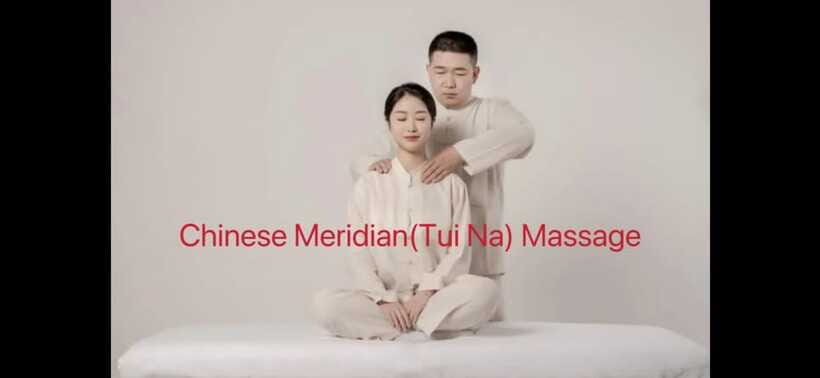
- Tui Na meridian massage: deep pressure with a purpose
- Cupping therapy: what the suction does (and what the skin may show)
- Moxibustion: warmth on acupuncture points (best daytime)
- Foot massage option: an easier entry point if you’re unsure
- Tea snack included: the little reset that makes it feel complete
- Price and value: booking fee vs. treatment choices
- Finding the place in Jing’an: metro-friendly, with WhatsApp for the exact spot
- Who this massage fits best (and who should be cautious)
- Should you book this Shanghai massage experience?
- FAQ
- How long is the massage experience?
- What does the price include?
- How much do the therapies cost on-site?
- Can I choose only one treatment like foot massage?
- Do they accept card payments?
- Where do I meet the provider?
- Will I get help understanding the treatments?
Key highlights to notice before you go
- Tui Na (Meridian massage) for tension and circulation using deep pressure points and flowing strokes
- Cupping therapy that can leave red marks where the cups sit
- Moxibustion using dried mugwort heat on acupuncture points, best taken in the day
- Personalized selection of treatments based on what you need
- Tea snack at the end, included, to help you settle afterward
Why Tui Na, Cupping, and Moxibustion feel different in Shanghai
Shanghai is a city that can drain you: long days, big streets, constant motion. After that kind of travel grind, I look for something simple but real. This experience aims right at tired muscles and stiff joints using Traditional Chinese Medicine approaches you’ll recognize from history, but you’ll feel in the present, on your own body.
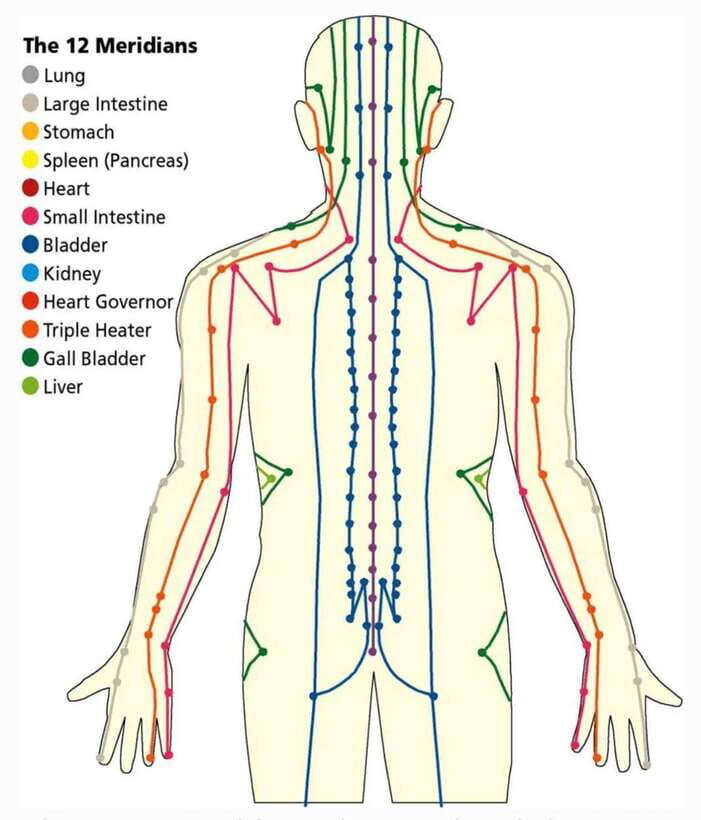
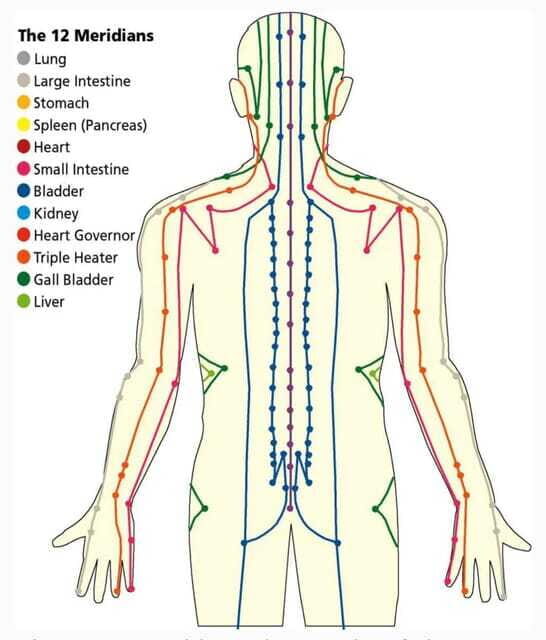
The first thing I like is the focus on meridians. Instead of generic “relaxation only,” Tui Na is built around pressure points and guided strokes that target tension, circulation, and overall relaxation. The second thing I like is the mix of techniques: cupping adds suction and release, and moxibustion adds targeted heat. When you combine them thoughtfully, you’re not just loosening up for a moment, you’re resetting how your body feels for the next day.
One consideration: this is not a spa-only, zero-sensation experience. If you choose cupping or moxibustion, you might see skin reddening from cupping and you’ll definitely feel the warmth from moxibustion. Also, the listing notes moxibustion is better taken during the day, so plan around that if you’re choosing it.
You can also read our reviews of more tours and experiences in Shanghai.


What a 60-minute session includes (and how the combo works)
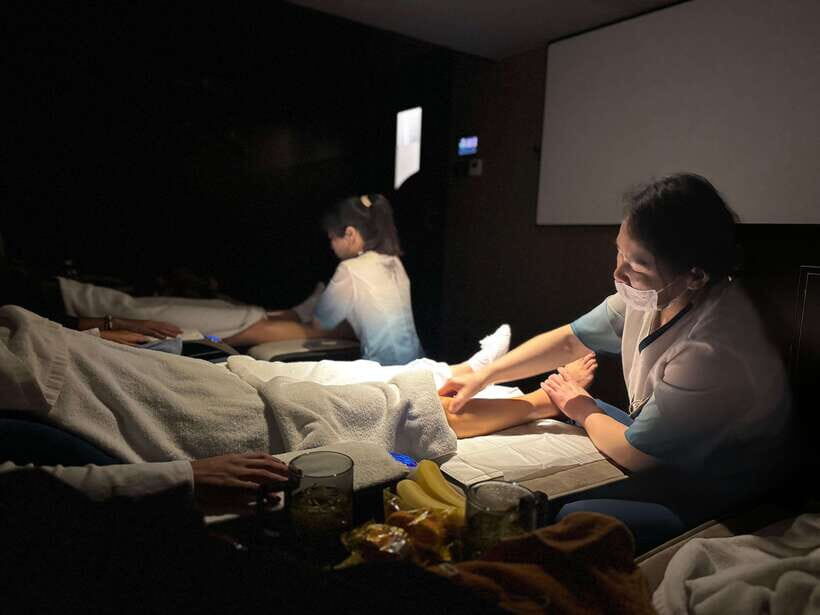
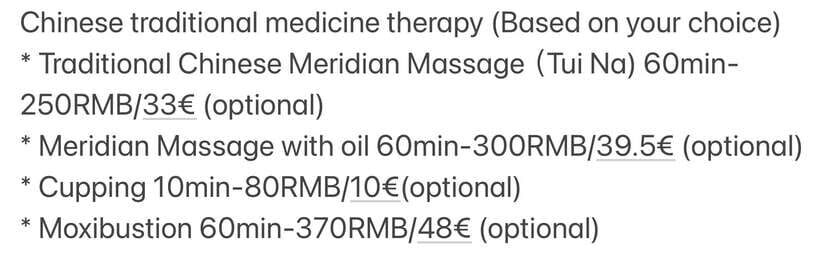
Your appointment is for a 1-hour window, and the exact mix depends on what you select. The listing frames it as traditional Chinese medicine therapy, with options like:
- Chinese Meridian (Tui Na) massage for 60 minutes
- Meridian massage with oil for 60 minutes (an optional upgrade)
- Traditional foot massage for 60 minutes
- Cupping for 10 minutes (optional)
- Moxibustion for 60 minutes (optional)
- Plus a short tea-and-snack finish after the session
Here’s how to think about it: you’re basically building your own “TCM tool kit” for your body. If you’re tight in the shoulders, back, or legs from walking, Tui Na is the core choice. If your muscles feel locked and you want a stronger “release” feeling, cupping is the add-on. If you’re dealing with cold-feeling stiffness or you just want that warm, targeted therapy, moxibustion is the heat-focused option.
The big practical advantage is personalization. They adjust based on your needs and preferences rather than forcing one fixed routine. If you’re unsure, lean on the staff. In the experience I’m describing, a guide named Bonnie is specifically noted for translating and explaining steps clearly, which makes the whole process feel calmer and more predictable.
Tui Na meridian massage: deep pressure with a purpose
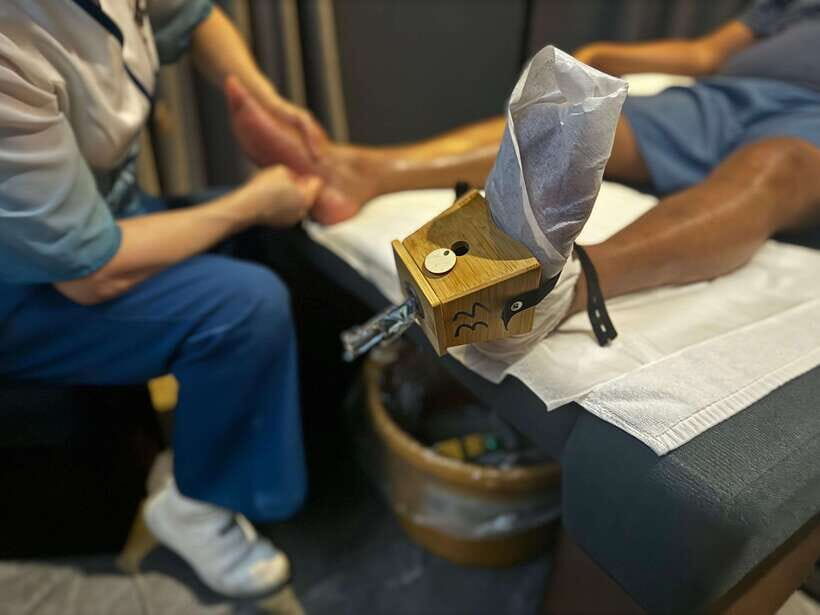
Tui Na is the backbone here, and it’s why many people come back. You’re not just getting long relaxing strokes. The therapist uses deep tissue-style work guided by TCM principles: pressure points, targeted holds, and smoother strokes meant to encourage flow through the body.
What I’d expect you to feel:
- Tension easing in areas that have been complaining all day
- More mobility in tight joints and stiff muscles
- A relaxed, heavy feeling afterward, not just a “fresh” one
If you’re sensitive, start by telling them. You can ask for a gentler pressure level while still keeping the meridian focus. The goal is relief, not endurance.
If you choose the oil option, the session still follows the Tui Na approach, but the slip-and-glide feeling can make it easier to relax. Oil can be a good idea if you’re especially stiff and want less drag during the deeper work.
Cupping therapy: what the suction does (and what the skin may show)
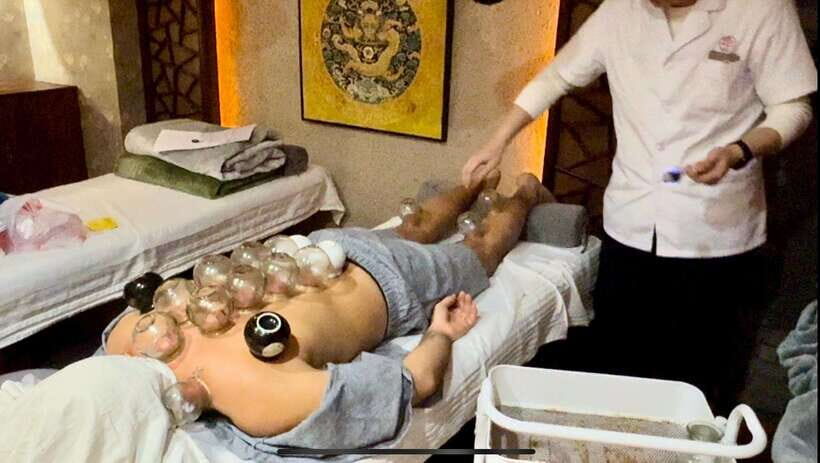
Cupping is the “ancient” technique in this combo, and it works through suction cups that create a localized vacuum on the skin. In practical terms, that suction encourages blood flow and supports the release of muscle tension.
The listing also notes you can see red marks where cups were applied, and those marks fade as you recover. For your planning, treat it like a normal part of the process. If you’ve got plans right after, you may want to schedule this away from anything that requires a lot of sun exposure on the marked areas.
How to decide if cupping is for you:
- Choose it if you have stubborn knots or muscle tightness
- Skip or go lighter if you’re prone to bruising or your skin is sensitive
- Tell them beforehand if you don’t want strong marking
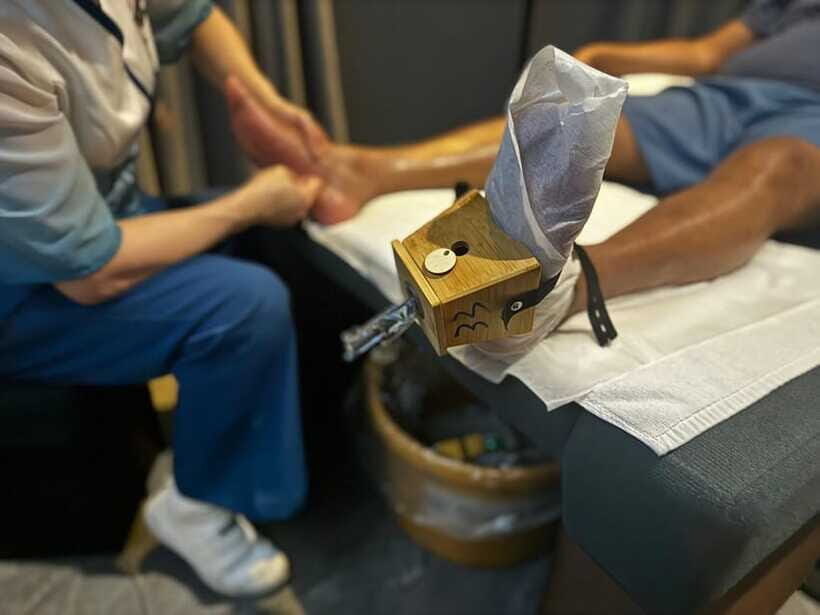
Moxibustion: warmth on acupuncture points (best daytime)
Moxibustion uses dried mugwort heated and applied to specific acupuncture points. This adds a different kind of sensation: not pressure, but heat that penetrates deeper into tissue.
The listing emphasizes a few effects:
- Warmth that supports healing
- Stimulation of qi (energy flow) in TCM terms
- A calmer, balanced feeling afterward
It also gives a simple schedule hint: moxibustion is better taken during the day. That’s useful for you because heat therapies can be relaxing, and daytiming helps you avoid an overly sedating session right before sleep.
If you’re curious but unsure, ask for a clear explanation first. Guides like Bonnie are described as translating and walking people through the process, which matters a lot with heat-based treatments.

Foot massage option: an easier entry point if you’re unsure
If you’re not ready for cupping marks or heat, the traditional foot massage is a strong option and often feels more controlled. It’s listed as a 60-minute therapy, so it fits the time slot well.
Foot work can be a smart first step if:
- Your legs feel tired from walking and subway rides
- You want something restorative without the bigger skin effects
- You’re traveling with limited tolerance for deep pressure
It can also pair nicely with the rest if they suggest it during your personalization chat. The listing frames the overall experience as traditional pressure-point work, so even foot therapy usually connects to the TCM approach rather than being purely “comfort massage.”
Tea snack included: the little reset that makes it feel complete
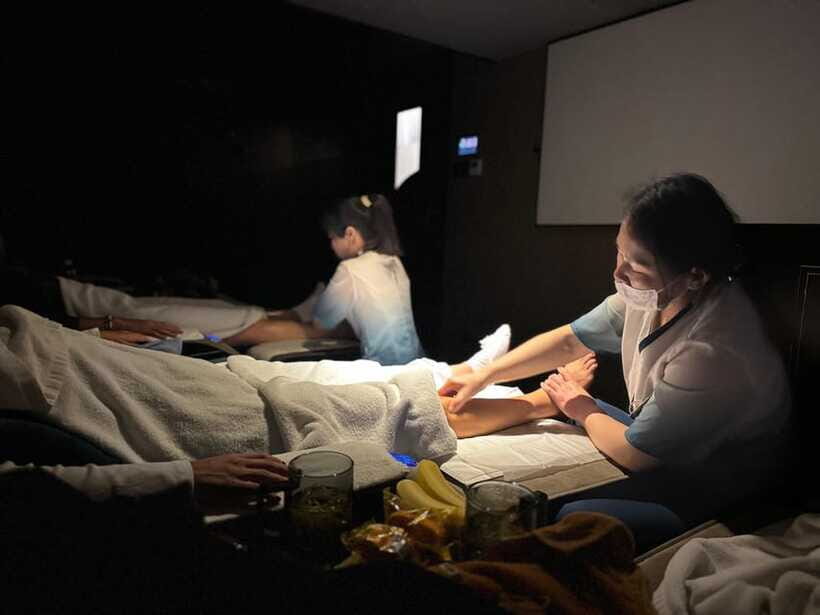
Most massage sessions end the moment you leave the room. Here, you get a cup of traditional Chinese herb tea and some tea snacks after the therapy. That’s included in the booking.
I like this for two reasons:
- It gives you a few minutes to come down from the body work
- It supports the whole “cool down” phase, especially after heat or intense pressure
Think of it as your transition back to Shanghai life.
Price and value: booking fee vs. treatment choices
The headline price shown is $8 per person, but here’s the key detail: the price displayed on the page is the reservation commission fee. Your actual massage cost depends on what you choose on-site.
The suggested therapy prices listed are:
- Tui Na (60 min): 250 CNY / 30€ (optional)
- Meridian massage with oil (60 min): 300 CNY / 37€ (optional)
- Traditional foot massage (60 min): 220 CNY / 27€
- Cupping (10 min): 100 CNY / 12€ (optional)
- Moxibustion (60 min): 370 CNY / 45€ (better to take at the day time)
So what’s the real value?
You’re paying for:
- A custom combination of TCM techniques (not just one generic massage)
- A trained session that can include meridian pressure work plus targeted therapies like cupping or moxibustion
- The included tea snack afterward
If you only take a foot massage, you get a full 60-minute therapy with one clear price. If you want the full “TCM sampler,” the value is strongest when you combine Tui Na with one add-on rather than choosing only a small, single technique. If you’re serious about feeling the differences between the methods, this is where your extra cost can make sense.
Payment is flexible too: they accept Alipay, WeChat Pay, and cash, which is useful for travelers who don’t want to hunt for a card payment option.
Finding the place in Jing’an: metro-friendly, with WhatsApp for the exact spot
Meeting points are near major metro stations:
- Zhong Xing Road station, Line 8
- Bao Shan Road station, Line 3 & 4
The listing notes there are multiple options in Jing’an district, plus a store near People’s Square. Maps don’t work well, so you’ll need to contact the team via WhatsApp after booking to get the specific location.
Practical advice: after you book, message right away and ask for the exact address or pin. That small step saves you time, especially if the shop is inside a complex or you’re navigating station exits.
Who this massage fits best (and who should be cautious)
This is a great pick if you:
- Want a traditional Chinese medicine-style session, not just a standard spa massage
- Feel worn down from a lot of walking and sightseeing
- Like the idea of pairing Tui Na with cupping for extra release
- Appreciate explanation and translation during the process, like what Bonnie is known for
You might want to rethink your choices if:
- You dislike visible skin marks and bruising-like redness (cupping can do that)
- You’re choosing moxibustion and prefer evening-only plans, since daytime is recommended
Should you book this Shanghai massage experience?
I’d book it if your priority is a meaningful body reset using real TCM techniques, and you’re okay choosing a therapy mix on-site. The included tea-and-snack finish is a nice touch, and the vibe sounds genuinely caring, with staff who explain the steps clearly (Bonnie is called out for translation help).
Skip or scale back if you’re sensitive to heat or cupping marks, or if you want a no-sensation “light touch” massage only. In that case, the foot massage is the safer, simpler entry point.
If you’re unsure which combo to pick, tell them what hurts, where you feel tightest, and what you’re comfortable with. Then let Tui Na be your foundation.
FAQ
How long is the massage experience?
The session is valid for 1 hour, and you can check availability to see the starting times.
What does the price include?
The booking price you pay upfront is the reservation commission fee, and the experience also includes a tea snack after the therapy.
How much do the therapies cost on-site?
Therapy prices vary based on what you choose. The listed suggested prices are: Tui Na 60 min (250 CNY / 30€), oil Tui Na 60 min (300 CNY / 37€), foot massage 60 min (220 CNY / 27€), cupping 10 min (100 CNY / 12€), and moxibustion 60 min (370 CNY / 45€).
Can I choose only one treatment like foot massage?
Yes. Traditional foot massage is offered as a 60-minute option, and the therapy you take depends on your choice.
Do they accept card payments?
They accept Alipay, WeChat Pay, and cash.
Where do I meet the provider?
You’ll meet near Zhong Xing Road station (Line 8) or Bao Shan Road station (Lines 3 & 4). The exact location may vary, and maps don’t work well, so you should contact them via WhatsApp after booking.
Will I get help understanding the treatments?
The experience includes explanation during the process, and a guide named Bonnie is specifically noted for translating and explaining each step, which can help you feel more comfortable.