REVIEW · SHANGHAI
Shanghai Highlights Walking Tour With A Real Local
Book on GetYourGuide →Operated by Bill's Fantastic Tours · Bookable on GetYourGuide
Shanghai tells its story on foot. This 2.5-hour walk with local guide Bill strings together the Bund, Old Town, and Yuyuan with personal, street-level anecdotes about how Shanghai changed over time.
What I like most is the mix of “big-picture” Shanghai with small, human details. You get standout photo-and-walk moments at the waterfront, plus a guided path through places you’d normally breeze past, like People’s Square and Nanjing Road.
One consideration: this is still a walking-heavy route with many stops, so plan on comfortable shoes and pace yourself if you tire easily in crowded areas.
In This Review
- Key highlights that make this tour worth it
- Why this 2.5-hour highlights loop works in Shanghai
- Meeting at East Nanjing Road, right by Swatch and Tissot
- Getting oriented fast before the waterfront
- The Bund Promenade: the nickname, the era, and the viewpoint
- People’s Square and People’s Park: civic Shanghai and the weekend marriage market
- Nanjing Road to the classics: Peace Hotel, Customs House, and the Big Ben reference
- Old Town and Yuyuan: 400 years of garden atmosphere and architecture
- Yuyuan Bazaar and the food street stop: fried dumplings with local guidance
- Peaceful end point at People’s Square (and why that location helps)
- Price and value: $34 for a guided morning that actually teaches you to look
- Who should book this tour
- Practical tips before you go
- Should you book this Shanghai Highlights Walking Tour?
- FAQ
- Is the tour a good length for a half-day?
- Where exactly do I meet the guide?
- What sites does the tour include?
- Is a meal included?
- What should I bring?
- Is the tour wheelchair accessible?
- Can I book last-minute?
- What’s the cancellation policy?
Key highlights that make this tour worth it
- Meet a real Shanghainese guide (Bill) who can answer history and everyday-life questions in clear English
- Bund Promenade + the Wall Street of Asia story tied to the 1930s era and how the waterfront earned its nickname
- People’s Square and People’s Park, ending near the metro hub by the former French Concession
- Old Town energy around Yuyuan, including the 400-year Yuyuan Garden area and classic architecture viewpoints
- Local food street stop, with a strong chance to try Shanghai fried dumplings
- Classic landmarks along the way, including City Hall vibes, Peace Hotel, and Customs House (the Big Ben reference)
Why this 2.5-hour highlights loop works in Shanghai
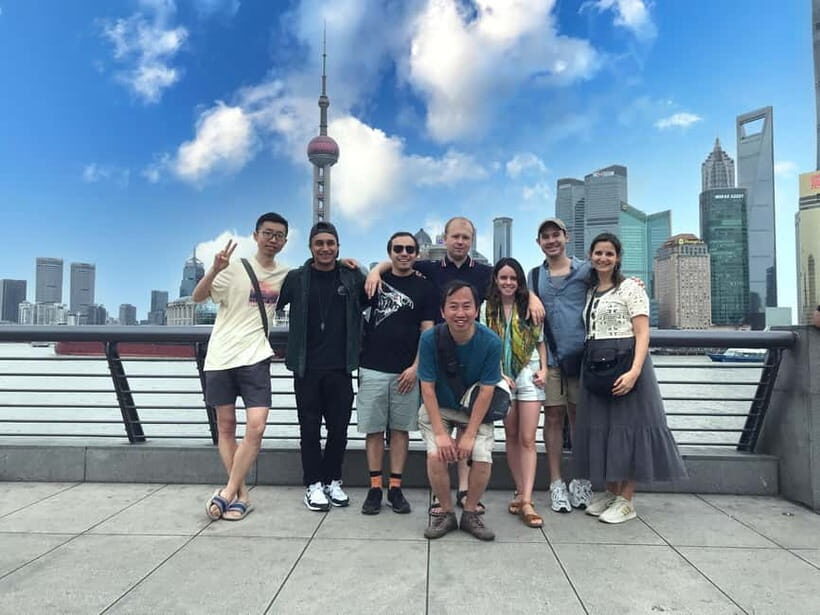
Shanghai can feel like two cities at once: sleek skyline views on one side, older lanes and gardens on the other. This tour is built to give you both without turning your day into a logistics puzzle.
In just 2.5 hours, you cover a “greatest hits” geography: the waterfront (Bund), the civic center (People’s Square/Park), and the older commercial/old-town zone around Yuyuan Bazaar. The value here isn’t only the landmarks. It’s that a local guide connects them into one story, so you understand what you’re seeing instead of just collecting photos.
You can also read our reviews of more walking tours in Shanghai

Meeting at East Nanjing Road, right by Swatch and Tissot
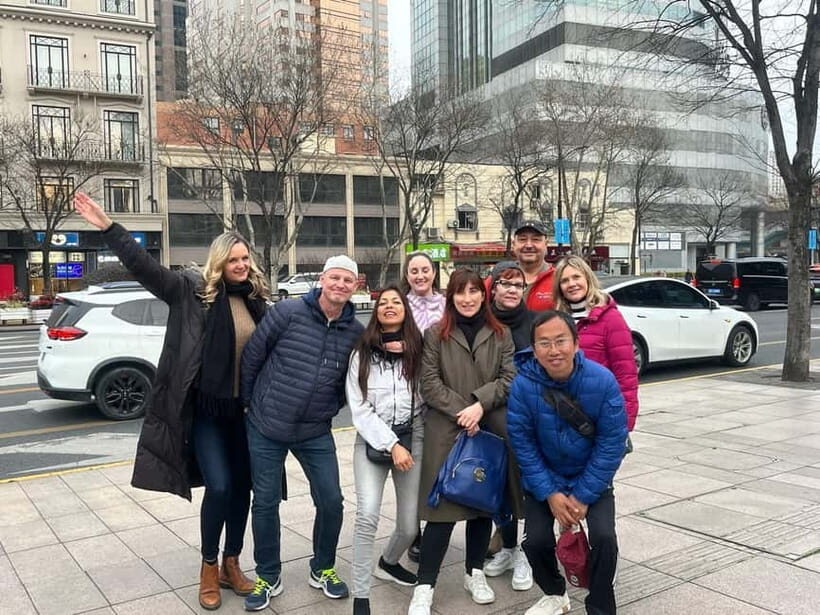
You’ll meet at Exit 1, East Nanjing Road Metro Station. The meeting point is right by the Tissot store, opposite the Swatch Megastore. This is handy because East Nanjing Road is one of Shanghai’s easiest “jumping-off” zones, and you’re already in the middle of the action.
You’ll also have luggage storage right by the meeting point. That matters more than you might think. If you’re arriving from another city or you have bags from a hotel switch, you can walk comfortably instead of dragging everything through busy streets.
Getting oriented fast before the waterfront
Before you reach the Bund, the tour starts with a short guided section. This first stretch is smart because it sets expectations: where you are in Shanghai’s geography, and what themes you’ll keep hearing as you move.
Even if you’ve read a few guidebooks, a local guide’s way of explaining the city helps you “see” patterns. You’ll notice how Shanghai’s modern commercial identity sits on top of older treaty-port and trading histories. You’re basically being trained to look—then you’re sent to the places where those stories show up in architecture and street layout.
The Bund Promenade: the nickname, the era, and the viewpoint
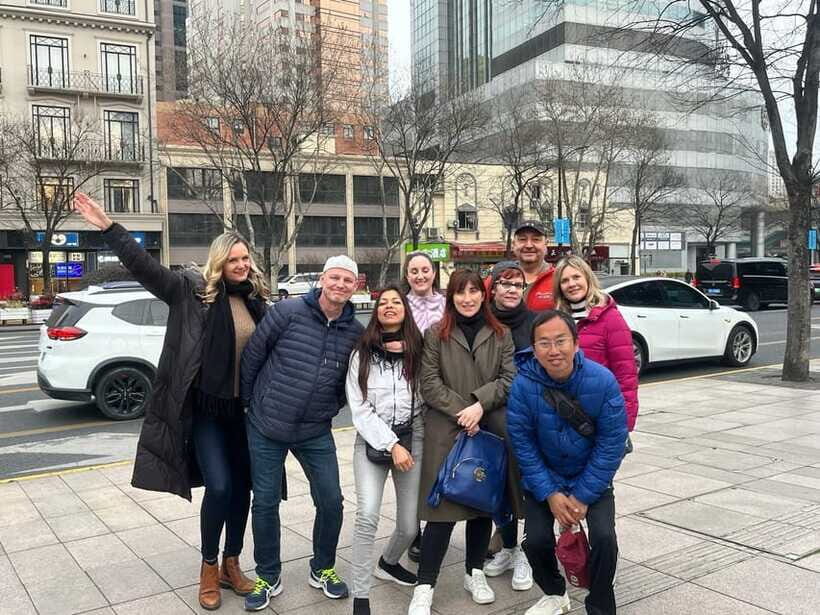
The Bund Promenade is the moment many visitors wait for. It’s also more interesting when someone explains why the area earned its famous reputation.
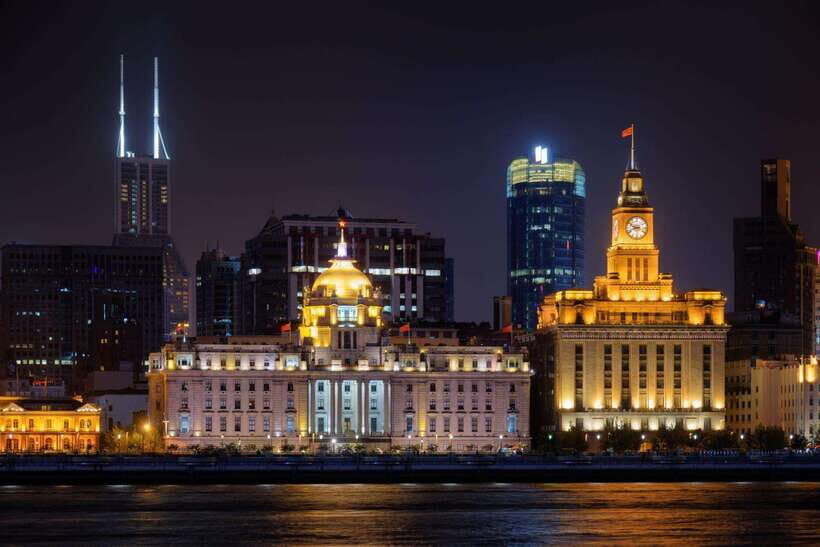
On this tour, you’ll hear about the Bund’s connection to the Wall Street of Asia nickname, including stories tied to the 1930s. That’s useful context because the waterfront isn’t just “pretty buildings by water.” It’s a timeline you can walk along. The guide helps you connect the buildings to the kind of global finance and shipping energy that shaped Shanghai’s rise.
Practical tip: if it’s bright out, bring sunglasses and sunscreen. The Bund is open to the elements, and you’ll want clear visibility for photos without squinting through the whole segment.
People’s Square and People’s Park: civic Shanghai and the weekend marriage market
After the Bund, the tour shifts inland toward People’s Square and People’s Park. This is where you get a different flavor of Shanghai—less about postcards, more about the city as a living system.
People’s Square is a major metro and landmark zone, and the tour uses it as a springboard. From there you’ll visit People’s Park, where one of the tour’s most distinctive details comes into play: the marriage market on weekends. Even if you don’t plan your trip around it, it’s a fascinating example of how public spaces in Shanghai can carry social rituals, not just leisure time.
If you time it right, this stop can feel like Shanghai at human scale—families, conversations, and the “everyday city” vibe. If you don’t catch the weekend scene, you’ll still get a strong sense of how the city’s central areas function.



Nanjing Road to the classics: Peace Hotel, Customs House, and the Big Ben reference
The route also threads through iconic zones that most visitors recognize, but don’t fully understand. You’ll pass (or spend time near) key points such as City Hall, Nanjing Road Pedestrian Street, and the Peace Hotel area.
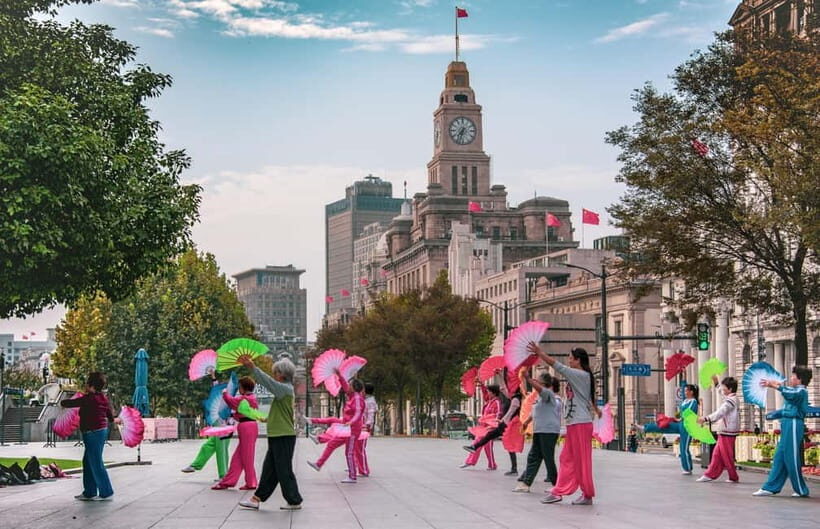
Two standout “look-up” stops are Customs House (with the Big Ben reference) and classic treaty-era architectural elements. The guide explains the comparisons behind the nickname, which makes your photos more meaningful. Instead of just capturing a clock-like façade, you’ll understand the idea—how Shanghai borrowed familiar Western urban symbolism while building its own identity.
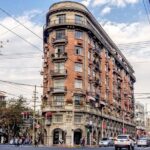
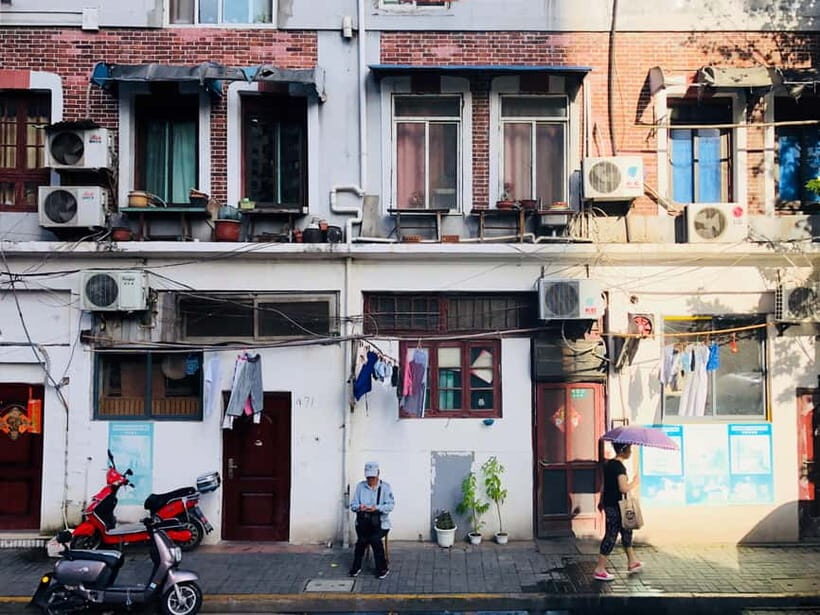
You’ll also get a taste of Shanghai lane-house life, including the Shanghai Lane House segment on the route. This is one of those parts that can surprise you: it reminds you that the city’s story isn’t only about big buildings and wide boulevards. It’s also about everyday urban form—narrow lanes, older residential patterns, and the feeling of being close to local routines.
Old Town and Yuyuan: 400 years of garden atmosphere and architecture
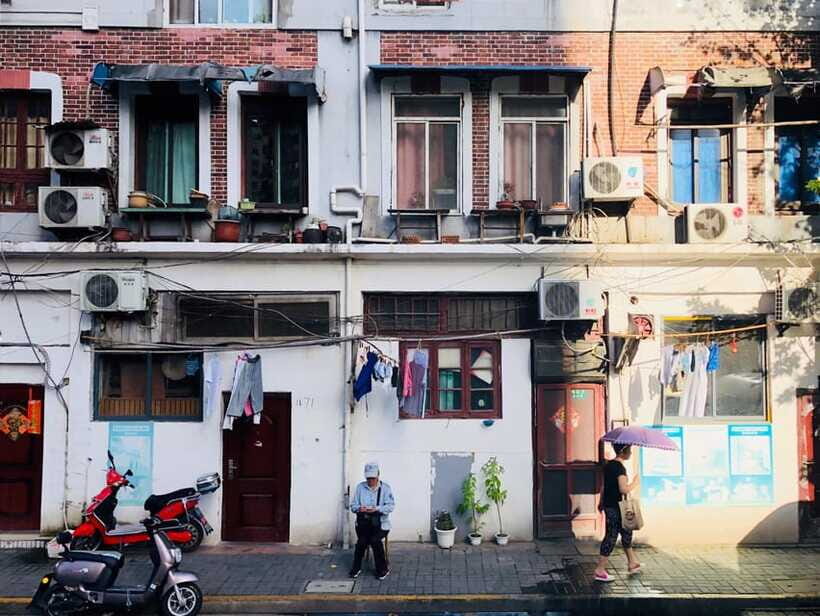
Next comes the Old Town segment around Yuyuan. This part is valuable because it slows the pace visually. Instead of chasing modern skyline lines, you’re walking into a garden-and-architecture zone with a long time depth.
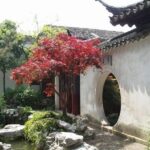
Yuyuan is described here as tied to a 400-year history, and that’s exactly how it feels when you’re guided through the space. You’ll see stylish Chinese pavilions and authentic older-style architectures. Even if you’re not an architecture super-nerd, the guide helps you notice details you would likely miss on your own.
This is also where the tour’s pacing becomes important. Shanghai weather can be intense, and the best tours build in shade-and-stopping moments. If you’re visiting in warmer months, ask yourself a simple question: can you stay comfortable for short walks and clustered viewing? This route is designed to work that way.
Yuyuan Bazaar and the food street stop: fried dumplings with local guidance
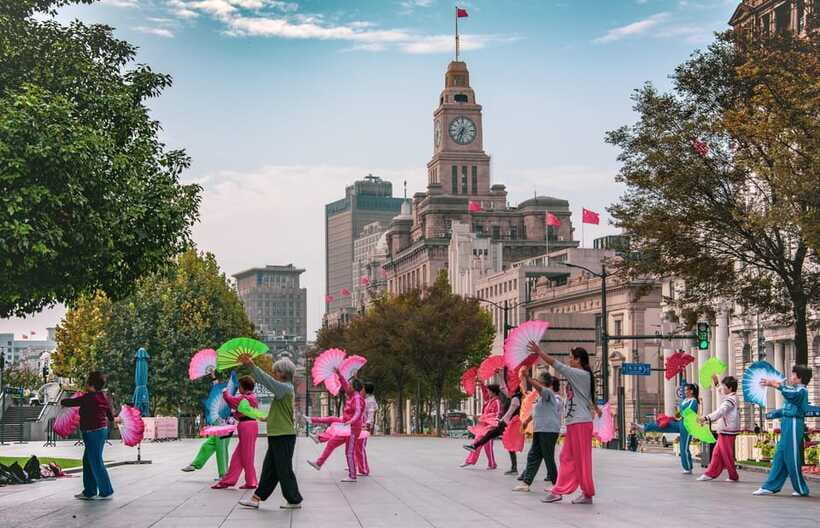
After walking the Old Town atmosphere, you’ll pass a popular local food street. This is where the tour shifts from “sightseeing” to “doing something Shanghai.”
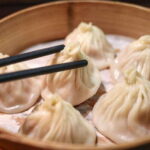
You may even get the chance to grab the most yummy Shanghai fried dumpling. Even if you don’t stop for food at every option, the guide’s input can save you time and help you choose confidently in a dense market setting.
Here’s how I’d use this stop: go hungry enough to enjoy it, but don’t treat it like a full meal plan. Think of it as a tasting moment. You’ll get better value when you pair the food with the explanation around what you’re seeing—old-town commerce, everyday eating habits, and why this area still pulls people.
Peaceful end point at People’s Square (and why that location helps)
The tour finishes at People’s Park / People’s Square metro station area, near the former French Concession. That’s not just a random “we’re done” spot.
People’s Square is central, connected, and easy to use for onward plans. It’s also a smart transition point: you can continue exploring on your own, head toward cafés and shopping zones, or use the metro system without needing extra taxi time.
Price and value: $34 for a guided morning that actually teaches you to look
At $34 per person for about 2.5 hours, the tour sits in the “serious value” zone for Shanghai. The ticket price isn’t mainly buying access to one attraction. You’re paying for a local guide’s ability to connect multiple areas and answer questions along the way.
You also get practical add-ons that are hard to price: luggage storage near the start, a route that avoids wasted backtracking, and the chance to ask about where to eat, shop, or just what to notice next. Many walks show you places. This one helps you understand them so the rest of your trip feels easier.
Who should book this tour
This tour is a strong match if you:
- Want a first-day overview that still feels personal
- Like history, but prefer it explained through streets and buildings
- Enjoy food stops that come with local advice
- Want an English-speaking guide who can handle questions and adjust pacing for different group needs
If you hate crowds, have limited walking tolerance, or need a very mobility-friendly setup, you should think carefully. The tour is wheelchair accessible in its general info, but it’s also listed as not suitable for wheelchair users and people with mobility impairments—so confirm your needs directly with the operator before you book.
Practical tips before you go
Bring comfortable shoes, a camera, sunscreen, and water. The route includes waterfront and market-style areas where you’ll want to move and pause for photos without feeling rushed.
Also, don’t treat the meeting instructions as optional. Meet at Exit 1 East Nanjing Road Station, by the Tissot store opposite the Swatch Megastore. That’s specific enough to keep the start smooth.
If you want to maximize your experience, use the guide early. Ask what neighborhood vibe you should focus on next, or what to eat later when you’re on your own. The guide is positioned to answer not just history, but practical “day in Shanghai” questions.
Should you book this Shanghai Highlights Walking Tour?
I’d book it if you want a guided, walkable intro that covers the Bund, Old Town around Yuyuan, and the People’s Square/Park area without you piecing together a route yourself. The strongest reason is the local narration: you’ll leave with a better sense of why Shanghai looks the way it does, not just what the skyline and old façades look like.
Skip it or reconsider if walking distances or crowded streets are a problem for you. Also, if you’re already confident about Shanghai’s history and don’t care for food/people-in-the-public-space stops, you might prefer a different, more focused activity.
FAQ
Is the tour a good length for a half-day?
It runs about 2.5 hours, so it works well as either a first-day orientation or a shorter activity when you don’t want to spend a whole day in transit. The stops are paced so you can see the main highlights without feeling like you’re stuck on a bus.
Where exactly do I meet the guide?
Meet at Exit 1, East Nanjing Road Metro Station, right by the Tissot store opposite the Swatch store. Luggage storage is available near this meeting point.
What sites does the tour include?
You’ll visit key areas including People’s Square and People’s Park, Nanjing Road Pedestrian Street, Shanghai Lane House, Peace Hotel, Customs House (Big Ben), the Bund Promenade, the Former HSBC building area, a traditional food street, and Yuyuan Bazaar and Yuyuan Garden area.
Is a meal included?
Meals and drinks are not included unless specified. The tour includes a local food street stop where you may be able to try Shanghai fried dumplings, but you should plan your own purchase decisions.
What should I bring?
Bring comfortable shoes, a camera, sunscreen, and water. Those items will help you handle walking time, sun, and stop-and-go photo moments.
Is the tour wheelchair accessible?
The activity information lists it as wheelchair accessible, but it also states it is not suitable for wheelchair users and people with mobility impairments. If this affects you, confirm with the operator before booking.
Can I book last-minute?
Yes. Last minute booking is available, and bookings open until the start of the tour.
What’s the cancellation policy?
Free cancellation is offered: you can cancel up to 24 hours in advance for a full refund.