REVIEW · SHANGHAI
Shanghai: Jewish Ghetto and Shanghai Bund Private Tour
Book on GetYourGuide →Operated by Sunny Amazing Tours · Bookable on GetYourGuide
Shanghai’s WWII refugee story is right here.
I love how the tour starts at the Ohel Moishe Synagogue museum and then connects you to real neighborhoods—old alleys, historic homes, and the Bund riverfront—so the history feels grounded. I also like that the experience is led by English-speaking guides such as Lia and Mason, who are praised for making the route make sense and adapting if you need a slower pace. One consideration: it’s only 3 hours, so you’ll want to come with good expectations—this is a smart overview, not every nook and cranny of Shanghai’s Jewish sites.
You’ll see how people lived, not just what happened. The museum uses documents, photos, films, and personal items to give you context before you step outside. Then the walk to the river helps you see the contrast between old Shanghai and what the skyline looks like today. The main drawback is simple: no food or drinks are included, so plan a snack or water strategy if you’re out in the heat.
In This Review
- Key highlights to look for
- Entering The Ohel Moishe Synagogue Museum: where the story begins
- Inside the exhibits: documents, photos, films, and personal items
- Walking the older streets: alleys, the JDC center, and stone-framed homes
- The old Jewish park: seeing how locals live around the past
- Bund riverfront and Peace Hotel: art-deco style with skyline perspective
- Price and what makes this feel like value
- How the 3-hour flow works (and how to plan your day)
- Pickup, transport, and the one tricky logistical detail
- Who should book this private tour
- Should you book the Shanghai Jewish Ghetto and Shanghai Bund Private Tour?
- FAQ
- What is the duration of the tour?
- Is this tour private?
- Is the guide available in English?
- Where does the tour start?
- Do I get museum entry included?
- How do you handle transportation from my hotel?
- Is hotel drop-off included?
- What about food and drinks?
- Do you offer pick-up for hotels outside central Shanghai?
- Can I cancel for a refund?
Key highlights to look for
- Ohel Moishe Synagogue Jewish Refugees Museum: documents, photographs, films, and personal items from WWII refugees
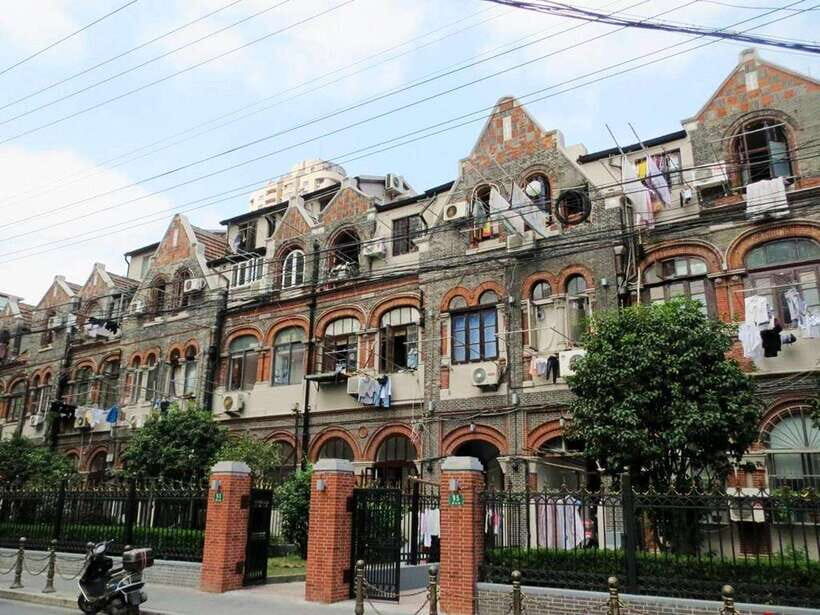
- Old alley streets and stone-framed houses tied to refugee life
- JDC center and the old Jewish park for a real sense of place
- Peace Hotel and art-deco architecture on the Bund
- Bund riverfront skyline views with an easy, guided history thread
Entering The Ohel Moishe Synagogue Museum: where the story begins
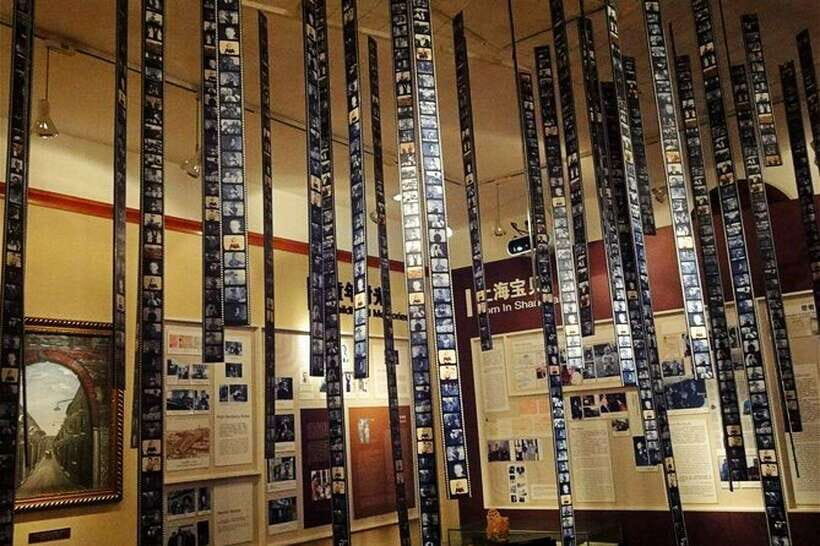
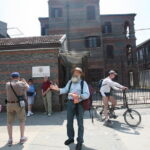
I like the way this tour refuses to start with scenery. It starts with context. The first major stop is the Jewish Refugees Museum at the Ohel Moishe Synagogue, where you’ll spend time with exhibits built from real-world evidence: life documents, photographs, films, and personal items connected to Jewish refugees during WWII.
If you only have half a day in Shanghai and want something more meaningful than a checklist, this opening works. You get the background first, so later stops in the neighborhood feel less like “random old buildings” and more like a map of lived experiences.
The museum flow matters for your brain. After you’ve seen the personal artifacts and stories, it’s easier to connect what you’re seeing outdoors—alleyways, historic structures, and community spaces—to the people who were there.
You can also read our reviews of more private tours in Shanghai


Inside the exhibits: documents, photos, films, and personal items
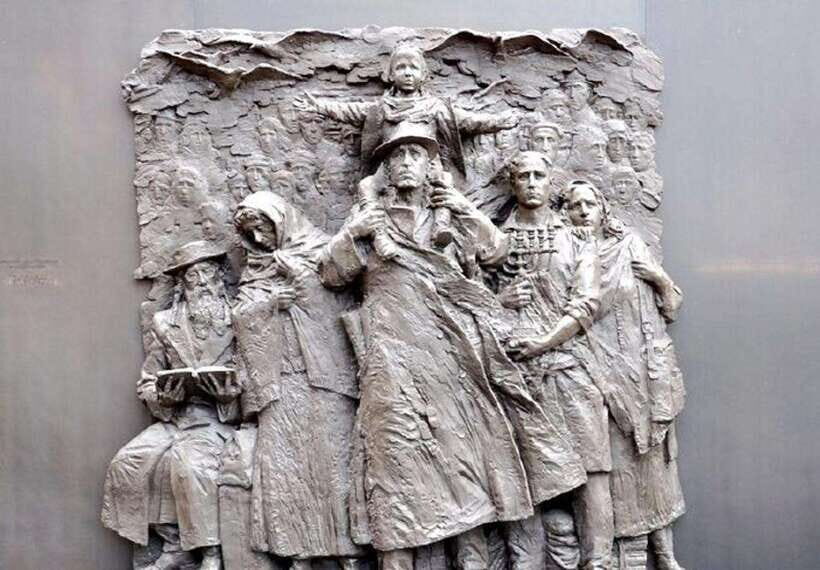
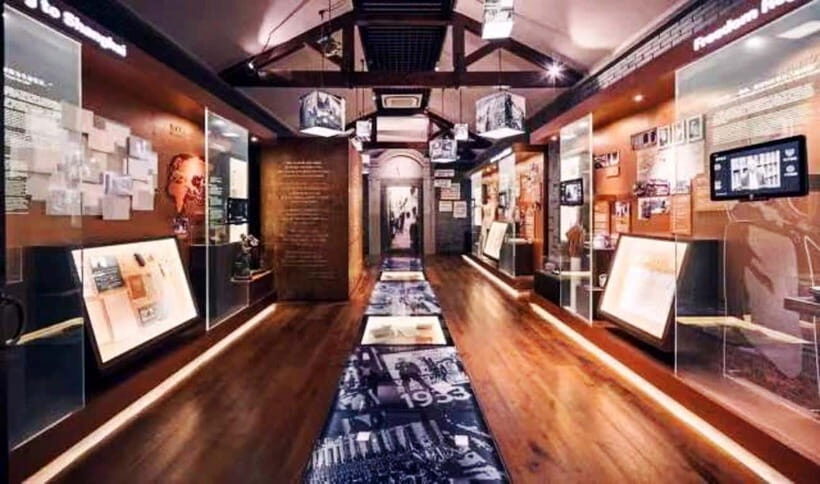
This isn’t the kind of exhibit that shouts facts and then moves on. The museum stations are designed to build understanding step by step. You’ll move through different sections that show life through documents, photographs, films, and personal belongings tied to refugees.
What I find useful here is the mix. Photos help you visualize the setting. Films add movement and tone. Documents ground everything in evidence. Personal items turn the whole thing from “history class” into something you can actually sense.
Also, you’re not left to wander alone. An English-speaking guide is there to explain what you’re looking at, so you’re not just reading labels. This is where the guide’s skill really shows—people who care about the topic often come away saying it felt emotional and personal, not just educational.
Walking the older streets: alleys, the JDC center, and stone-framed homes
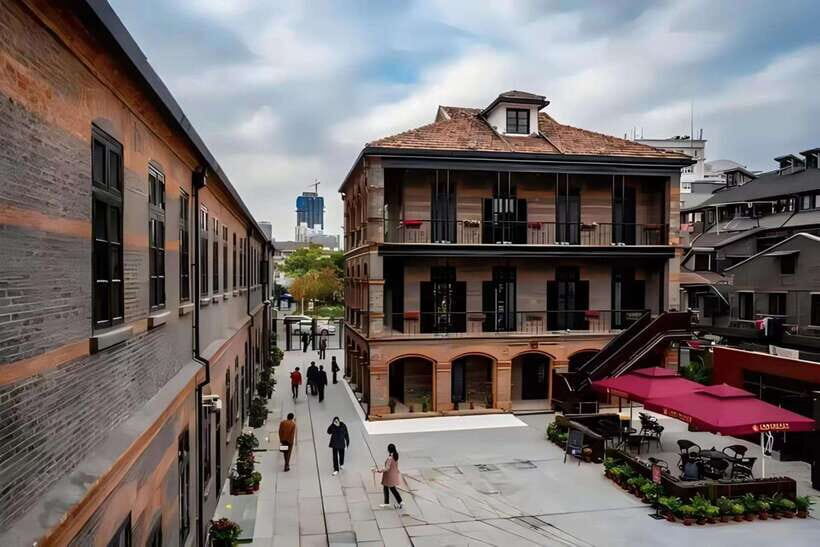
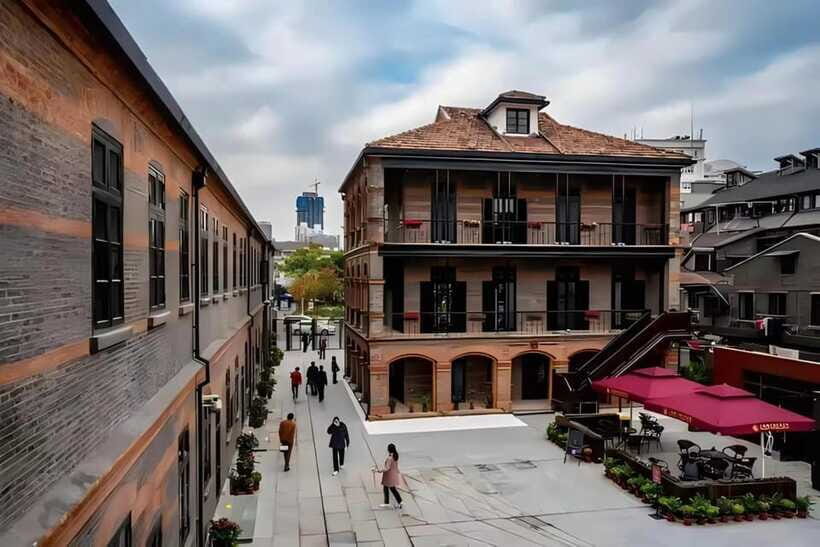
After the museum, you step into the neighborhood story. The tour shifts to old alley streets, then moves to key local landmarks connected to refugee life.
One stop highlights the old JDC center, which helps you understand how aid and community organization fit into daily existence. Another highlight is the historic stone-framed houses—structures that, according to the tour description, were once home to thousands of refugees. Even without adding a bunch of extra facts, just seeing these buildings after the museum gives you a clearer sense of scale and continuity.
Here’s a practical note. This is still sightseeing, so you’ll do some walking between sections. Wear comfortable shoes. If you’re traveling in warm weather, you’ll also appreciate the guide adjusting pacing—several guide reports mention being helpful in hot conditions and making it easier to keep moving without rushing.
The old Jewish park: seeing how locals live around the past
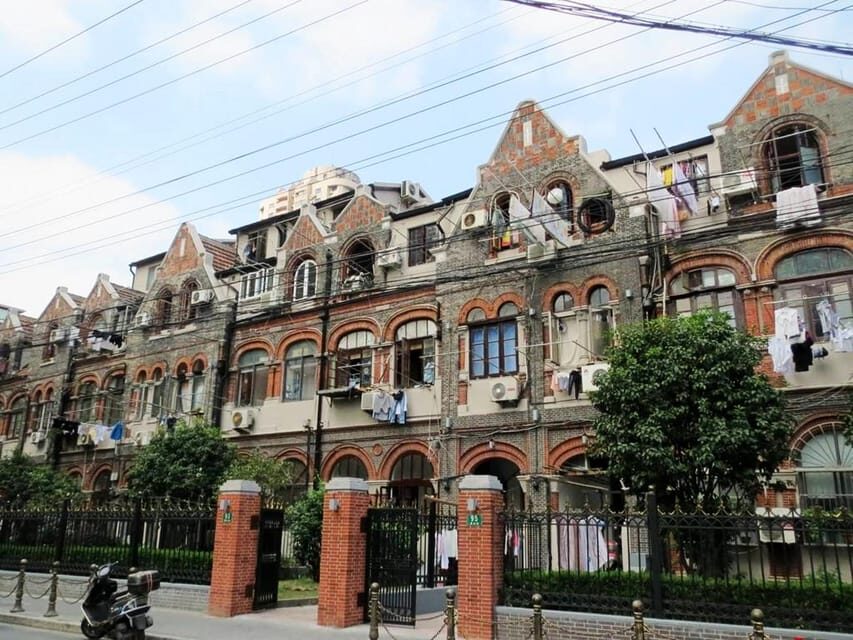
Not every history tour gives you a “then and now” moment. This one does, with a stop at the old Jewish park.
What I like about this part is the contrast. After museum artifacts and old structures, you get to see daily life nearby—locals going about their day in a space that sits in the same wider city fabric. It’s a reminder that history doesn’t sit behind ropes forever; it lives inside a real neighborhood.
If you’re the type who wants your tour to include some breathing room and observation time, this stop helps. It breaks the museum-to-memorial pattern and gives you a calmer, more observational beat before you head to the river.
Bund riverfront and Peace Hotel: art-deco style with skyline perspective
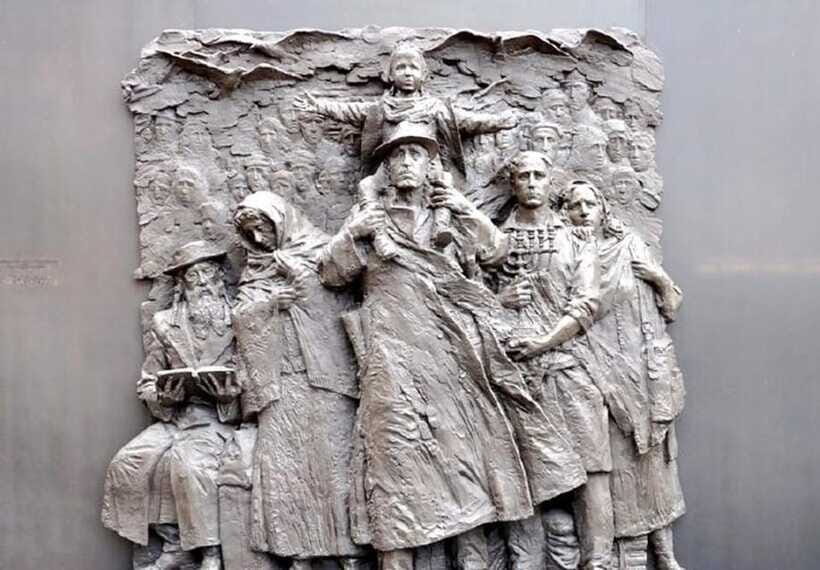
Once the Jewish area segment ends, the tour shifts to the famous Bund—Shanghai’s riverfront promenade—and that’s where the story gains a visual layer.
Your Bund time includes a visit to the Peace Hotel, described on the tour as the top achievement from the British Jewish Sassoon families, and you’ll appreciate the art-deco architecture. Even if architecture isn’t usually your thing, it’s easier to pay attention here because your earlier museum stops give you a clearer sense of how communities shaped Shanghai’s story.
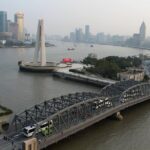
Then you walk to the riverfront and enjoy views of old and new Shanghai skylines. The guide’s job here is to link what you’re seeing to what you learned earlier—so you’re not just collecting photos. You’re collecting meaning.
This portion is also great for timing. You get exterior views and a guided explanation without needing to commit to a full evening out. For most people, it’s the right balance of photo moments and factual context.

Price and what makes this feel like value
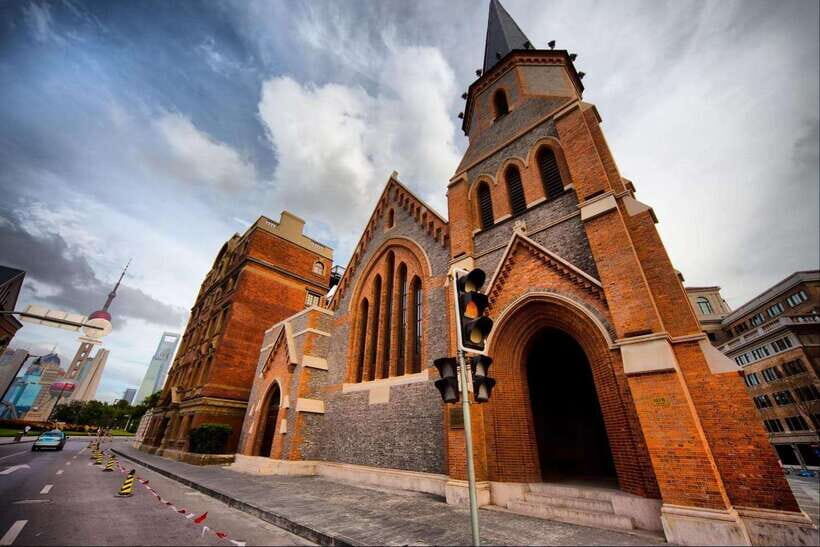
At $113 per person for a 3-hour private tour, the price isn’t just “a guide plus transport.” It includes several things that matter in practice: downtown hotel pickup, local transportation, and an entry ticket to the Jewish Museum.
That ticket detail is important because museum admissions can quietly add cost. Here, it’s built in, so you’re not doing last-minute math mid-trip.
You’re also paying for interpretation time. The tour is private, and that means the guide can set the pace and focus where you want it. Based on guide feedback, English-speaking hosts like Robert and Lea are often praised for explaining clearly and adjusting if someone needs extra time or a slower walk.
Transport is another value factor. For a party of 1–4, you’ll travel via a local premium Uber. For more than 4, you get an air-conditioned mini van. That’s a comfort win, especially when you’re moving between museum indoor time and outdoor walking.
How the 3-hour flow works (and how to plan your day)
This tour is tight in a good way. Hotel pickup starts it, then you move through the museum first, walk through key neighborhood spots, and finish with the Bund riverfront and skyline views.
The most important planning tip is to treat this as a timed “theme day” rather than casual wandering. If you stack it between other long activities, you might feel rushed. Instead, pair it with a lighter meal plan before or after.
Because food or drinks aren’t included, I suggest you grab something before you go, or at least carry a bottle of water. The walking segments are part of the point—old alleys and the riverfront—so fuel matters.
Also keep expectations realistic. This is Jewish ghetto and Bund storytelling in a single afternoon. You’ll learn a lot, but you won’t cover every related site in Shanghai. That’s why it works: it gives you a solid framework fast.
Pickup, transport, and the one tricky logistical detail

Pickup is included from downtown Shanghai hotels, and you’ll wait in the hotel lobby at the activity start time. That’s simple and usually low-stress.
One tricky detail: the tour does not include hotel drop-off. So plan for your next stop using the rest of your day’s transit plans. Also, pick-up and drop-off for outer-area stays (like Pudong airport, Disney area, Songjiang, or Hongqiao) isn’t covered in the standard way. If you’re staying out there, you’ll get a detailed meeting point instead—so double-check your message before you leave.
If you want a smooth experience, stay in the downtown zone for fewer variables.
Who should book this private tour
This tour fits best if you want one of these:
- A meaningful, history-led Shanghai experience in a short window
- Jewish WWII refugee history explained in an accessible way
- A mix of museum time plus neighborhood walking
- The Bund skyline at the end, with context rather than just photos
It also suits people with personal connections. Some guide feedback mentions the topic feeling emotional, especially when it connects to family history. The guides described there are praised for being attentive and helpful, which matters when a subject hits closer than “tourist curiosity.”
Should you book the Shanghai Jewish Ghetto and Shanghai Bund Private Tour?
If you have just half a day and want more than the usual Shanghai highlights, I’d book it. The Ohel Moishe Synagogue museum gives you the story foundation, the walk through historic neighborhood sites adds real-world context, and the Bund plus Peace Hotel ending delivers the skyline payoff with an explanation that ties it all together.
I’d hesitate only if you:
- need a long, ultra-detailed multi-stop itinerary with lots of free time in each location, or
- forgot to plan for food/drinks and don’t want to manage the walking portion, or
- are staying far outside downtown and prefer pick-up and drop-off right at your hotel.
For most visitors, this is a strong value because it bundles guide-led interpretation, transport, and museum entry into a compact 3-hour private experience.
FAQ
What is the duration of the tour?
The tour lasts 3 hours.
Is this tour private?
Yes, it’s listed as a private group tour.
Is the guide available in English?
Yes, the live tour guide is English.
Where does the tour start?
Pickup is included from your downtown Shanghai hotel, and you should wait in the hotel lobby at the start time.
Do I get museum entry included?
Yes. The tour includes an entry ticket to the Jewish Museum.
How do you handle transportation from my hotel?
For a party of 1–4, you’ll travel in a local premium Uber. For a party of more than 4, an air-conditioned mini van is provided.
Is hotel drop-off included?
No. The tour includes pickup, but hotel drop-off is not included.
What about food and drinks?
Food or drinks are not included, so you’ll need to plan your own.
Do you offer pick-up for hotels outside central Shanghai?
Outskirts like Pudong airport/Disneyland area/Songjiang District/Hongqiao area do not follow the standard pickup and drop-off. A detailed meeting point is provided if you stay in those areas.
Can I cancel for a refund?
Yes. You can cancel up to 24 hours in advance for a full refund.