REVIEW · SHENZHEN
Shenzhen: Diwang Building 69F Observation Deck Entry Ticket
Book on GetYourGuide →Operated by Guangzhou Zhiwooyou Travel Agency Co., Ltd. · Bookable on GetYourGuide
Shenzhen from above feels like a cheat code. On Diwang Building’s 69th-floor Sky Deck, you get 360° panoramic views, plus interactive cultural exhibits that explain how Shenzhen grew into a major global city. The view is the reason to go, but one thing to plan for is check-in friction—QR codes and directions can be tricky, so build in extra time.
What I like most is that the deck isn’t just a window with a ticket stapled on. There are multimedia elements, including video-style displays and hologram-like tech, that give context while you’re waiting for the perfect photo moment. If you’re arriving near peak times, I’d also expect it to feel like you’re sharing the sky with a crowd.
In This Review
- Key Highlights at Diwang Building 69F Sky Deck
- Diwang Tower 69F: the skyline views that make the ticket worth it
- What the interactive exhibits add (beyond the photos)
- The important part: QR code entry and timing
- Finding Diwang Building: use Apple Maps and give yourself buffer time
- Photography: where to aim for Ping An and Kingkey 100
- How long it takes and how to plan your day
- Value check: is the $25 entry price fair?
- Accessibility and who this fits best
- My honest takeaway: a strong skyline stop with a logistics caveat
- Should you book the Diwang Building 69F Sky Deck ticket?
- FAQ
- What floor is the observation deck in Diwang Building?
- What’s included with the ticket?
- How do I enter if I booked a ticket?
- What views does the Sky Deck offer?
- Which landmarks can I see from the deck?
- Is the Sky Deck wheelchair accessible?
- Can I cancel and get a refund?
- How much does it cost?
Key Highlights at Diwang Building 69F Sky Deck
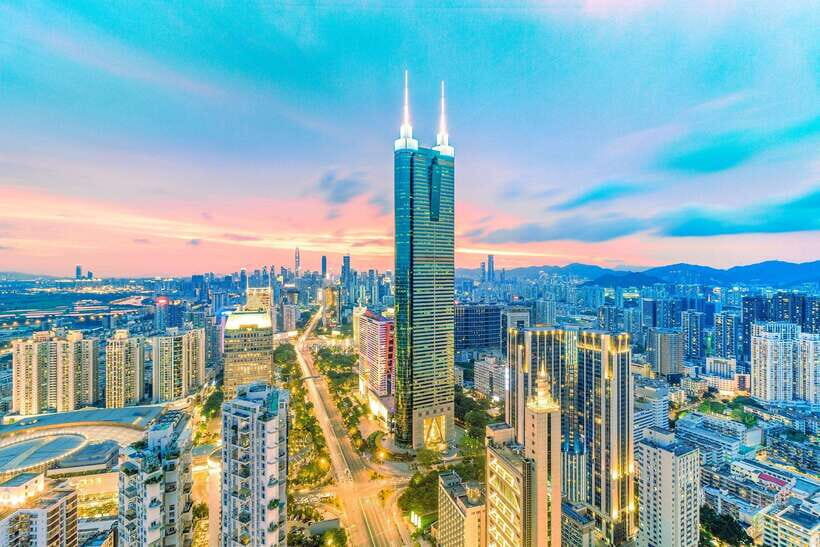
- 360° panoramic views over Shenzhen, with clear sightlines to major skyscrapers
- Interactive exhibits that map Shenzhen’s shift from a small fishing village to a modern metropolis
- Photo-friendly angles where you can frame the skyline and spot landmarks like Ping An Finance Centre
- Multimedia tech (videos and hologram-like displays) that keeps the visit more than just standing outside
- Wheelchair accessibility for visitors who need it
Diwang Tower 69F: the skyline views that make the ticket worth it
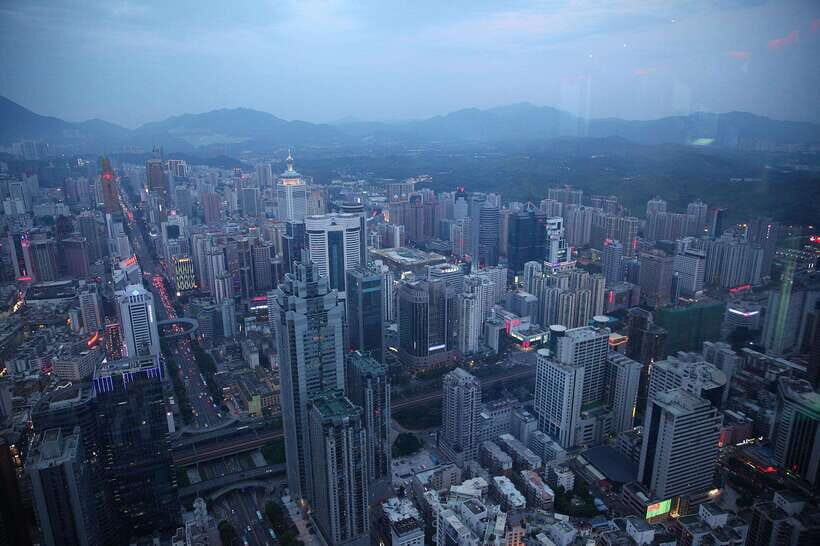
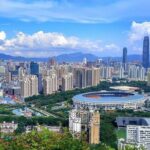
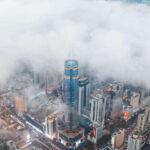
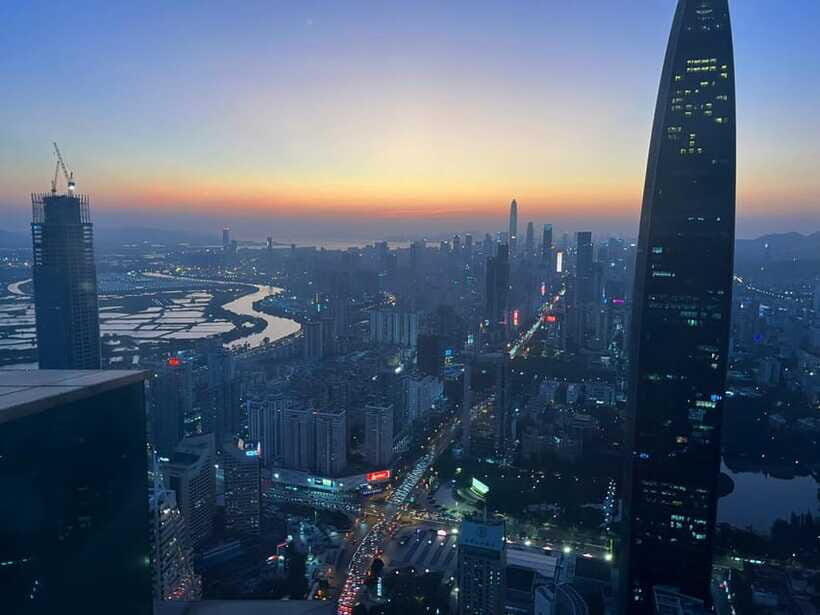
Diwang Building’s Sky Deck sits on the 69th floor, which is high enough that the city starts to look like a model. You’re not just seeing Shenzhen from one direction. The deck’s 360° panoramic setup means you can rotate around and keep finding new angles—perfect if you like comparing neighborhoods, skyline density, or the way the light hits different towers.
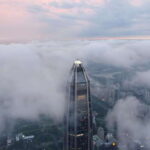
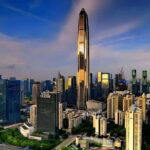
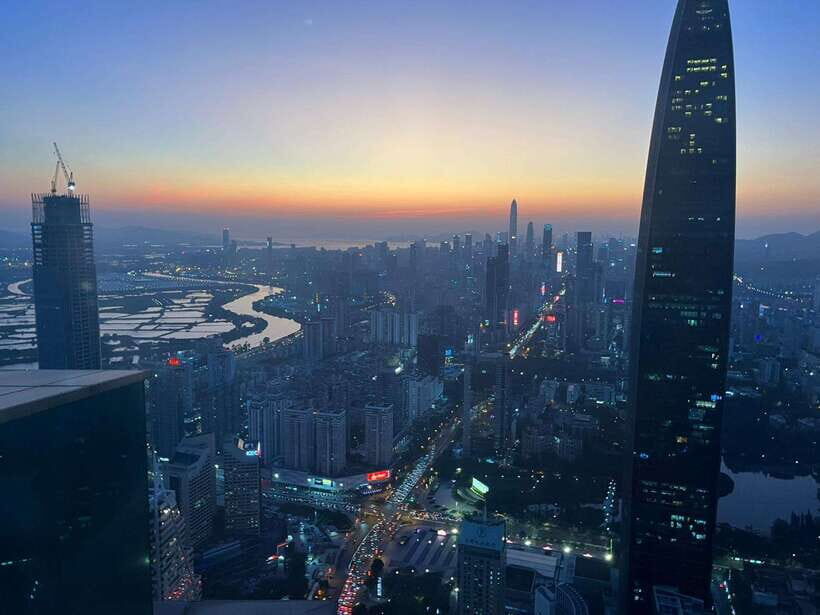
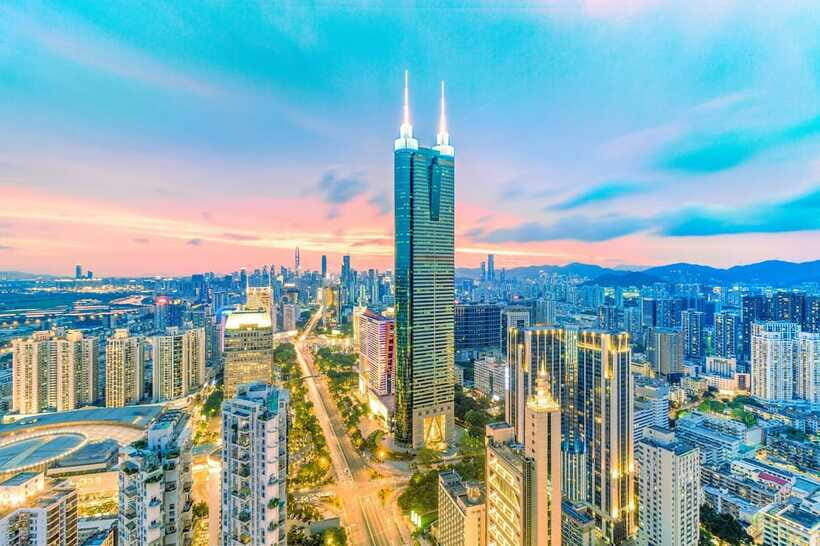
From up there, you can spot standout architecture. The Ping An Finance Centre and Kingkey 100 are specifically noted as visible from the deck, which matters because it turns the visit into something more than a generic skyline blur. If you’re the type who likes identifying what you’re looking at, that’s a big plus.
Also, because it’s a full deck experience, you can pace yourself. I like that you can spend time on the view, then step into the exhibit areas without feeling like you’re rushing through a single room. That makes it easier to enjoy even if your timing is off.
You can also read our reviews of more tours and experiences in Shenzhen.



What the interactive exhibits add (beyond the photos)
A lot of observation decks stop at “look up.” This one adds context while you’re on the way to the best photo spots. The Sky Deck includes interactive cultural exhibits that focus on Shenzhen’s transformation—starting from its roots as a small fishing village and stretching forward to its role as one of China’s fastest-moving cities.
The exhibits use modern presentation formats, including videos and hologram-style elements. That’s useful because it gives you something to do while the cityscape is doing what it does best: sitting there, looking impressive, whether or not you know the story. When you’re done reading the visuals, you can return to the windows with a clearer sense of what you’re looking at—new districts, built-up growth, and the shape of a city that changed fast.
In plain terms: the exhibits help you slow down. Instead of treating the visit like a quick photo drive-by, you get a reason to spend time inside the deck before you go hunting for the best skyline angle.
The important part: QR code entry and timing
Here’s the practical reality. Your entry depends on an email QR code. After you book, you’ll get an email with a QR code link, and you should show the electronic QR code to enter.
That matters because the deck is inside a real building environment, with baseline security and ticket checks. If your phone battery is low, if your QR code email is buried, or if your confirmation details don’t match what the desk expects, you can lose time right when you want to be upstairs.
A simple strategy I recommend:
- Save the email QR code on your phone before you go.
- Keep a screenshot or the email itself handy in case you hit spotty connectivity.
- Arrive earlier than you think you need so you’re not stressed during any desk-side verification.
Also, the activity is listed as valid for 1 day, and you should check availability for starting times. So don’t treat it like a random drop-in if you’re working with a tight sightseeing schedule.
Finding Diwang Building: use Apple Maps and give yourself buffer time
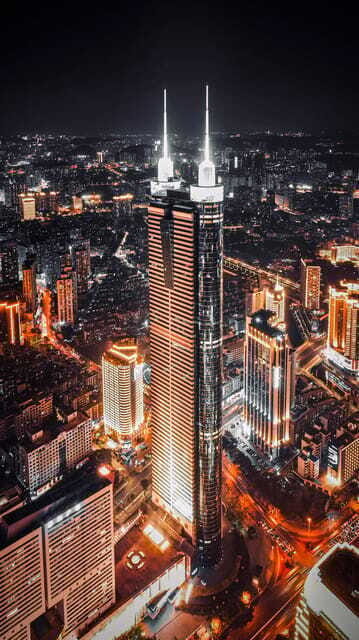
Getting there is where I’d be most cautious. One complication you’re likely to face is navigation on mapping apps. Google Maps availability and accuracy have been inconsistent in mainland China for years, and at least one issue specifically called out is that directions can be hard to confirm online. In that situation, I’d switch to Apple Maps so you can route to the right area more reliably.
Why this matters: observation decks punish late arrivals. If you lose 30–60 minutes trying to locate the correct entrance, you’ll feel it upstairs where everyone is rotating for photos. So plan for a little extra travel time, then use your time wisely once you’re at the building.
Photography: where to aim for Ping An and Kingkey 100
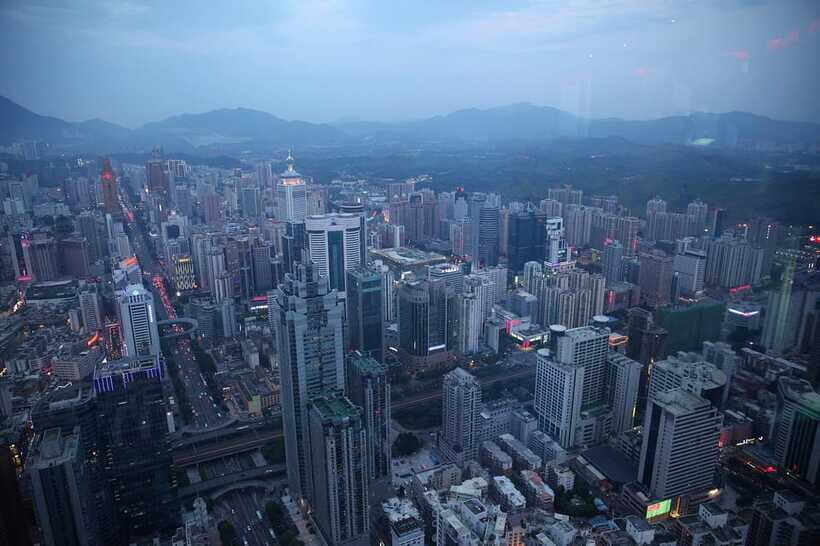
This is one of the core reasons the Sky Deck works. You get a prime photography spot, with wide angles that let you capture the skyline in layers. The deck’s 360° views mean you’re not locked into a single composition. You can shoot from different sides and then compare how each direction looks against the city’s taller towers.
Two landmarks are explicitly called out as visible: Ping An Finance Centre and Kingkey 100. I’d treat those as your anchor points. Instead of trying to photograph everything, aim for one or two hero towers and let the rest of the skyline fill in around them.
Practical photo tips that fit this kind of deck:
- Use the rotating advantage. Stand, frame, rotate, and re-frame instead of only shooting from one spot.
- Expect glass reflections. If you can, position yourself to reduce glare and keep your lens angle slightly away from direct reflections.
- If you’re traveling with friends, split roles: one person watches for the next angle while another keeps time and checks for any movement in crowds.
Because this deck is built for a full visual loop—views plus exhibits—it’s easier to take your time and still feel like you’re getting value, even if you’re not a full-time photographer.

How long it takes and how to plan your day
The ticket is a 1-day experience, and the listing suggests checking availability for starting times. Since the time at the deck can vary depending on how long you spend on exhibits versus photos, I recommend planning a block of time that lets you move at your pace rather than rushing.
A good mindset is to arrive with two goals:
1) Get your skyline photos when the views look best to you
2) Spend enough time in the exhibits that the visit feels more like a story than a stop-and-snap
If you’re in Shenzhen for a tight itinerary, this is still a solid choice because it’s a focused destination: buy entry, go up, see the deck, and come back down. You’re not dealing with multiple transfers or changing venues, which helps when your energy is limited.
Value check: is the $25 entry price fair?
At $25 per person, you’re paying mainly for height, views, and the deck’s presentation style. The entry ticket covers the experience itself, and the big “value lever” is how much you care about 360° skyline viewing plus the interactive cultural exhibits.
Here’s the balanced part: there’s a competing observation-tower option near Futian Station that’s been described as newer, cheaper, and taller. That doesn’t automatically make it better for you, but it does mean you should do a quick comparison before committing if you’re price-sensitive or height-focused.
My advice on value:
- If you want the skyline right now and you like the idea of exhibits explaining Shenzhen’s growth, Diwang 69F is easy to justify.
- If you’re chasing maximum height per dollar and you don’t care about exhibits, you may find it worth comparing options around Futian Station first.
Accessibility and who this fits best
This experience is listed as wheelchair accessible, which is a meaningful factor for planning. For anyone who needs that, it removes uncertainty about whether the visit is realistically doable.
This ticket is best for:
- People who want 360° city views as a priority
- Photo lovers who want clear landmark visibility, especially towers like Ping An Finance Centre
- Anyone who likes observation decks that explain the city instead of only showing it
It may be less satisfying if:
- You’re expecting super-clear on-the-ground navigation without any stress
- You hate the idea of QR verification steps and tight entry processes
My honest takeaway: a strong skyline stop with a logistics caveat
Diwang Tower’s 69th-floor Sky Deck delivers what most people want from an observation deck: big skyline views you can revisit from multiple angles. The interactive exhibits add substance, so it doesn’t feel like a room where you stand for five minutes and leave.
But you should go in with eyes open. The two weaknesses that can affect your day are (1) finding the entrance smoothly and (2) making sure your QR code works as expected at entry. If you prep the QR code on your phone, arrive with buffer time, and use Apple Maps when navigation feels uncertain, the experience becomes much smoother.
Should you book the Diwang Building 69F Sky Deck ticket?
Yes, if you want a classic Shenzhen viewpoint with 360° panoramas, landmark visibility (including Ping An Finance Centre and Kingkey 100), and interactive exhibits that add meaning to the skyline. It’s a good fit for most first-time visitors who want one high-impact stop.
I’d pause and compare options if you’re optimizing strictly for price or height, because there’s another tower near Futian Station that’s been cited as newer, cheaper, and taller. And if you’re traveling on a tight schedule, build in extra time for QR entry and wayfinding.
FAQ
What floor is the observation deck in Diwang Building?
The Sky Deck is on the 69th floor of Diwang Tower.
What’s included with the ticket?
The ticket includes entry only to the observation deck.
How do I enter if I booked a ticket?
You’ll receive an email with a QR code link. You should show the electronic QR code to enter.
What views does the Sky Deck offer?
You can enjoy 360° panoramic views of Shenzhen, including the urban skyline and the distant sea and mountains.
Which landmarks can I see from the deck?
From the deck, key landmarks like Ping An Finance Centre and Kingkey 100 are described as visible.
Is the Sky Deck wheelchair accessible?
Yes, the experience is listed as wheelchair accessible.
Can I cancel and get a refund?
Yes. The experience lists free cancellation up to 24 hours in advance for a full refund.
How much does it cost?
The price is listed as $25 per person.

![Small-Group Tour: Hong Kong Local Markets Hopper [PROMOTION] - Bird Garden Yuen Po Street: Melodious Chirping and One Stop That Can Change](https://b.thechinatraveler.com/wp-content/uploads/small-group-tour-hong-kong-local-markets-hopper-promotion.jpg)