REVIEW · XIAN
Terracotta Warriors Museum Ticket with Professional English-speaking tour guide
Book on Viator →Operated by China Tour Search · Bookable on Viator
Seeing the Terracotta Army in person is intense. This 2 to 3 hour tour is built for fast entry and clear context, so you spend less time stuck in crowds and more time understanding what you’re looking at. I especially liked the pit-by-pit walkthrough (including Pit 1, 2, and 3) and how your guide ties the sculptures to Qin history, including how the building project was carried out. One consideration: it can get packed inside, and a few guides in the experience history mention show-and-sell pressure or a sometimes fast pace during peak periods.
You’ll also get help navigating the site with an English-speaking guide, which matters here because the museum layout is big and the details are easy to miss when you’re just moving on your own. The tour includes the entrance ticket and access to the key exhibition areas, so you’re not scrambling for passes. If you’re sensitive to crowds, plan on patience and wear shoes you can stand in for a while.
In This Review
- Quick Take: What Makes This Tour Work
- Skip-the-Line Entry and Meeting Up in Xian
- What You Actually See: Pits 1, 2, and 3 in One Visit
- Pit 1: The Main Wall of Power
- Pit 2: Different Units, Different Feel
- Pit 3: The Support and Strategy Side
- Stop 1: Museum of Qin Terra-cotta Warriors and Horses
- Mausoleum Site: Seeing the Whole Plan, Not Just the Figures
- Bronze Chariots Exhibition: The Surprise Worth the Detour
- English-Speaking Guide Perks: Better Explanations, Better Photo Stops
- A heads-up on the occasional downside
- Timing: How to Plan for a 2 to 3 Hour Visit
- Price and Value: Is $45.87 Actually a Good Deal?
- Practical Tips Before You Go
- Who This Tour Suits Best
- Should You Book This Terracotta Warriors Skip-the-Line Tour?
- FAQ
- FAQ
- How long is the Terracotta Warriors Museum ticket tour?
- What’s included in the price?
- What’s not included?
- Do I really skip the entrance lines?
- Which areas will we visit?
- Is this tour available in all weather?
- Can I cancel for a refund?
- Is this tour suitable for most people?
Quick Take: What Makes This Tour Work
- Guaranteed skip-the-line entry means less waiting at the entrance
- Professional English-speaking guide explains the tombs and what each pit represents
- Visit multiple pits (1, 2, 3) instead of doing just the one most people see
- Mausoleum area + bronze chariots exhibition add variety beyond the main infantry
- Most tours run about 2 to 3 hours, which is long enough to learn but not a full-day commitment
Skip-the-Line Entry and Meeting Up in Xian
The Terracotta Warriors are famous for a reason, but the experience can turn frustrating if you waste time lining up. This tour is designed around getting you into the museum smoothly with skip-the-line access, plus a guide who can keep you moving through the right areas without you playing ticket-office detective.
In practice, that helps your visit feel organized from the first step. You’re not trying to interpret signs while dozens of people surge forward. You’ll be set up for a focused visit where the guide is steering the story, not just pointing at things. Multiple guide names show up in the experience history—Chelsea, Cynthia, Aurora, Freya, Alice, Peter, Nancy, Jimmy, and Christina among them—so the level of English and clarity tends to be a core part of the service.
Still, the museum is extremely popular, especially during national holidays. Even with a line skip, you may deal with dense crowds inside the halls. Think of this as “less waiting” more than “quiet time.”
A few more Xian tours and experiences worth a look
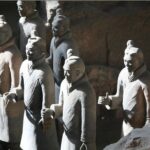
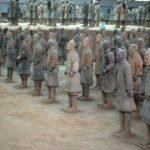
What You Actually See: Pits 1, 2, and 3 in One Visit
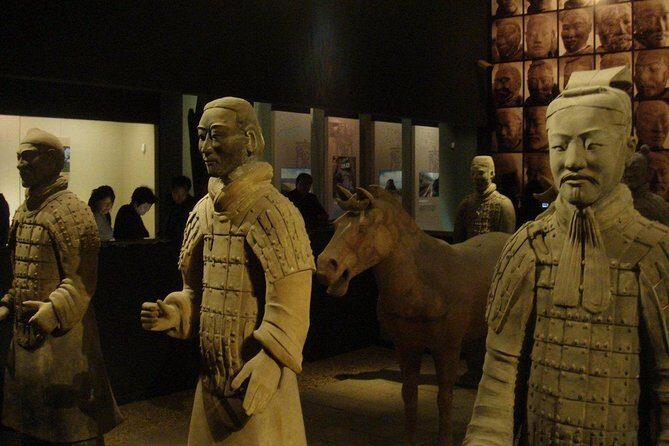
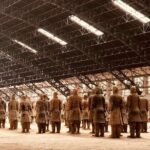
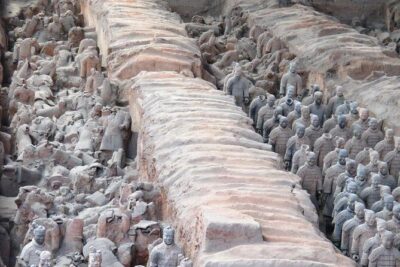
The biggest value here is that you’re not limited to a single pit. The tour includes access to the major Pit 1, Pit 2, and Pit 3 exhibition areas, which is where the site stops being a one-note photo stop and becomes a real military-and-empire snapshot.
Pit 1: The Main Wall of Power
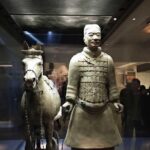
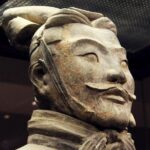
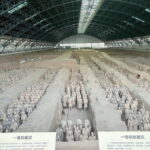
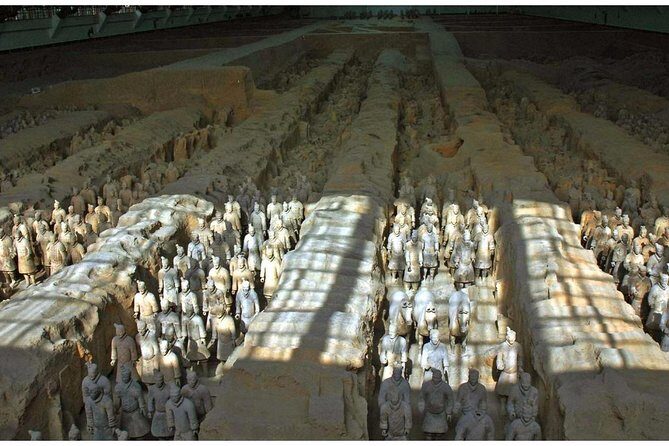
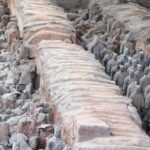
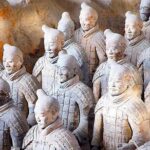
Pit 1 is the one most people picture when they think Terracotta Army. It’s the largest, and it’s where the scale hits first. The sculptures are life-size and the feeling is almost theatrical: rows of troops, horses, and figures arranged with purpose. A good guide will slow you down at the moments that matter—like the individual faces and the way formations read like a system, not random placement.
If you like history you can see—rather than history you only hear about—Pit 1 does that fast. It’s the “wow” stop, but a guide helps you move past just awe into actual understanding.
Pit 2: Different Units, Different Feel
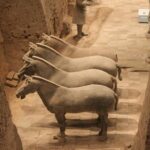
Pit 2 is where you notice that this wasn’t one uniform display. The arrangement suggests different types of troops and a different tactical emphasis than Pit 1. When you’re with an English-speaking guide, you get help comparing what you’re seeing, so it clicks as a broader battlefield picture.
Even when you’re short on time, Pit 2 makes the story wider. It’s a good checkpoint for your brain: you see the main infantry first, then you understand how the site is organized as a whole.
Pit 3: The Support and Strategy Side
Pit 3 rounds things out by adding another layer to the formations. It’s often the pit that teaches you the most about “how to look” because it forces you to stop thinking of the site as one giant scene and start thinking of it as multiple coordinated spaces.
This is also where a guide’s pacing matters. If the tour feels rushed, Pit 3 can be the first place you’ll feel it. The best tours give you time to look, then explain. The not-so-great ones run you through the last pits quickly so you don’t get that deeper sense of structure.
You can also read our reviews of more guided tours in Xian

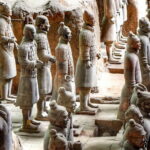
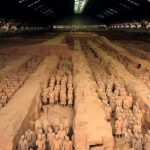
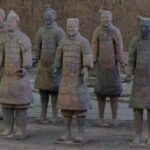

Stop 1: Museum of Qin Terra-cotta Warriors and Horses
Your visit begins at the core museum area for the Museum of Qin Terra-cotta Warriors and Horses, also known as the Terracotta Army site. This is where you orient your senses: massive underground army, consistent craftsmanship, and the sense that this was planned on a huge scale long before it was uncovered.
A detail worth knowing before you go: the Qin Emperor Ying Zheng began planning his mausoleum at a very young age—13—and the project took decades and massive manpower. When your guide brings this context into the opening area, the sculptures stop feeling like “ancient statues” and start feeling like a tool of state power and legitimacy.
Also, don’t underestimate how emotional the place can feel. The site is protected as a UNESCO site, and you’ll see the preservation work that keeps centuries-old figures from turning into just fragments. That preservation story can land harder than you’d expect because it’s so human: choices have to be made about cleaning, stabilizing, and showing the figures without damaging them.
Mausoleum Site: Seeing the Whole Plan, Not Just the Figures
Beyond the pits, the tour includes time at the mausoleum site area. This matters because the pits alone can make you think the Terracotta Army is just a set-piece. The mausoleum context helps you understand the broader purpose.
I like this part because it shifts your focus from individual sculptures to overall imperial planning. The guide helps connect what you’re looking at to the larger Qin ambition: unifying six warring states and then building a display of authority that could speak long after the emperor was gone.
If you enjoy large-scale projects, this area helps you understand scale as a concept. You start picturing labor, coordination, and time—how you’d even attempt something like this.
Bronze Chariots Exhibition: The Surprise Worth the Detour
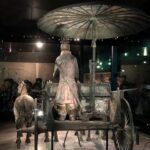
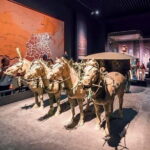
One of the tour inclusions is the Exhibition of Bronze Chariots. This is a smart add-on because the chariots add texture to the story. You’re no longer only looking at soldiers and horses in terracotta form—you’re seeing a different kind of craftsmanship and a different material world.
It also helps break the repetition of pit viewing. When you do Pit 1, then Pit 2, then Pit 3, you can start thinking you’ve seen the full range. The bronze chariots keep you alert and give your eyes another kind of detail to chase.
If your main goal is a deeper-than-average visit, the chariots exhibition is a good reason to pick a guided option instead of doing a self-guided “grab photos and go” circuit.
English-Speaking Guide Perks: Better Explanations, Better Photo Stops
The guide is the core of this experience. Not because you want someone to talk at you, but because the site is too complex to read on your own in a short time.
In the experience history, guides like Chelsea, Wangkai, and Peter get mentioned for clear explanations, patience, and knowing the best spots for photos. Some guides even use tools like small headsets to help you hear better in noisy areas. That’s especially useful when you’re packed in with other people and you can’t hear instructions over the crowd.
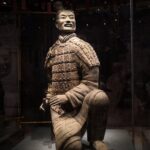
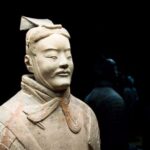
I also like that the guide doesn’t just repeat the same facts. When things go well, you get guidance on where to focus and what to notice—faces, formations, and the idea that each pit contributes to the bigger narrative.
A heads-up on the occasional downside
A couple of the experience history notes mention guides trying to push museum shopping or even insisting on meeting a person associated with sales. Another note mentions repetition, and one mentions a rushed feeling.
So here’s my practical advice: if you notice any sales pressure, be direct and say you’re not interested. A good guide will respect it. If you’re worried about rushing, ask early for a slower pace and more time for photos—especially before the last pit.
Timing: How to Plan for a 2 to 3 Hour Visit
This tour runs about 2 to 3 hours. That time window is tight enough to keep the day efficient, but long enough to cover multiple pits without turning it into a sprint for the exit.
A smart way to think about timing:
- You’ll likely spend the most time at Pit 1 because it’s the main attraction.
- Pit 2 and Pit 3 usually take steady attention for comparison.
- The mausoleum context and bronze chariots can be quick if crowds are heavy, so your guide’s pacing affects how satisfying those stops feel.
If you can control your schedule, I’d aim to go when you’re least likely to be hit by the heaviest crowd crush. During holidays, you can still do the tour, but you should expect dense groups and slower movement inside.
Also, this experience requires good weather. If weather cancels it, you’ll be offered a different date or a full refund.
Price and Value: Is $45.87 Actually a Good Deal?
At $45.87 per person, the best way to judge value is by what you get with your ticket.
Here’s what’s included:
- Entrance ticket to Emperor Qin Shihuang’s Terracotta Warriors Museum
- Access to Pit 1, 2, and 3 exhibition areas
- Professional English-speaking tour guide
Here’s what’s not included:
- Lunch
- Air-conditioned vehicle
That makes the price feel more reasonable than it looks at first glance, because the ticket itself is doing a lot of the heavy lifting. The guide then adds value by helping you understand what you’re seeing across multiple pits. In places like this, the difference between guided and unguided isn’t just language—it’s also interpretation, sequence, and time management in crowds.
If you were planning to visit multiple pits anyway, a guided skip-the-line option tends to make sense. If you only want one quick pit and you love wandering on your own, a self-guided plan might be cheaper. But you’d also lose that structured history and the help focusing your attention.
Practical Tips Before You Go
A few small decisions can make your visit feel smoother:
- Wear comfortable shoes. You’re standing and moving a lot.
- Bring a water bottle if it helps you (since lunch isn’t included).
- If the crowd is thick, ask your guide for photo timing early. It’s usually easier to get good angles at the start than after everyone settles in.
- If you care about hearing clearly, pay attention when your guide offers audio help (headsets have been used on some tours).
And if you’re the type who wants more learning: ask questions. The guides in the experience history often handled questions well and helped people connect what they were seeing to the imperial story.
Who This Tour Suits Best
This tour is a strong match for:
- First-timers to Xian who want a structured visit without getting lost
- People who want multiple pits in one sitting
- Anyone who prefers English explanations over reading your way through large museum spaces
- Short-on-time visitors who still want context, not just photos
It may be less ideal if:
- You hate crowds and want a quiet experience (the site is still very busy)
- You’re very sensitive to any shopping pressure and want a no-sales-guarantee experience (some guides have been criticized for that in the experience history)
- You want a highly flexible, unhurried pace at every stop (some tours can feel fast when crowds are extreme)
Should You Book This Terracotta Warriors Skip-the-Line Tour?
If you want the Terracotta Army experience to feel organized, guided, and efficient, I’d book this. The skip-the-line promise plus the included entrance ticket and the guided coverage of Pit 1, 2, and 3 is exactly the combo that turns a famous attraction into a meaningful visit.
My only caution is mindset. You’re walking into one of the world’s most photographed sites. Even with the best guide, the atmosphere can be crowded. If you go in ready to ask questions, adjust your pace when needed, and speak up if any sales pressure shows up, you’ll likely come away with more than photos—you’ll leave understanding what the pits are telling you.
FAQ
FAQ
How long is the Terracotta Warriors Museum ticket tour?
It runs about 2 to 3 hours.
What’s included in the price?
You get the entrance ticket to Emperor Qin Shihuang’s Terracotta Warriors Museum, access to Pit 1, 2, and 3 exhibition areas, and a professional English-speaking tour guide.
What’s not included?
Lunch and an air-conditioned vehicle are not included.
Do I really skip the entrance lines?
The tour description states guaranteed skip-the-line entry.
Which areas will we visit?
You’ll visit several different pits (including Pit 1, 2, and 3) and also the mausoleum site, plus the Exhibition of Bronze Chariots.
Is this tour available in all weather?
The experience requires good weather. If it’s canceled due to poor weather, you’ll be offered a different date or a full refund.
Can I cancel for a refund?
Yes. You can cancel up to 24 hours in advance for a full refund.
Is this tour suitable for most people?
The tour info says most travelers can participate.


More Tickets in Xian
More Tours in Xian
- Mini Group Xian Day Tour to Terracotta Army, City Wall, Pagoda and Muslim Bazaar
★ 5.0 · 1,320 reviews



More Tour Reviews in Xian
- Mini Group Xian Day Tour to Terracotta Army, City Wall, Pagoda and Muslim Bazaar
★ 5.0 · 1,320 reviews